
Aaron Jed Rabena
Assistant Professor, University of the Philippines Asian CenterArticles by Aaron Jed Rabena
Politics
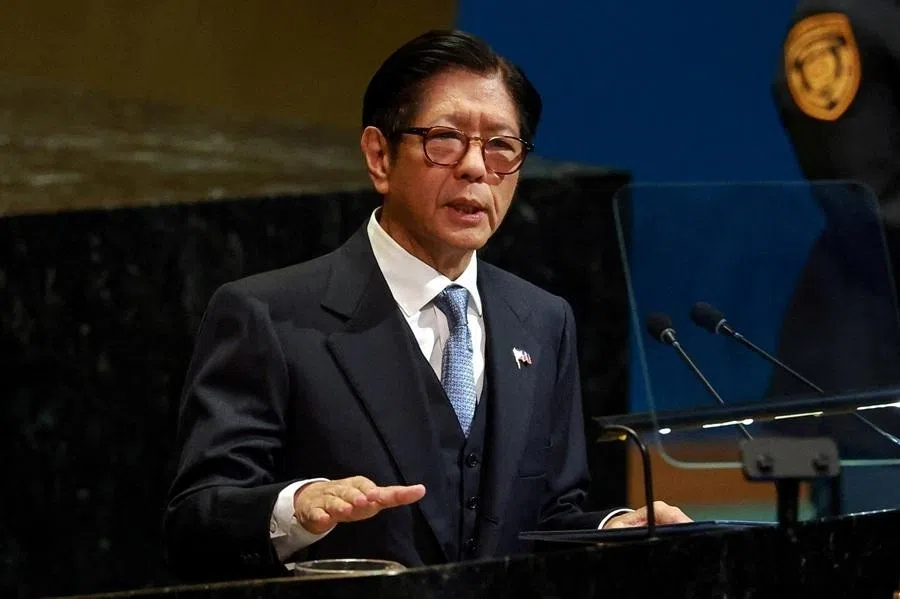
Between distrust and engagement: Manila’s China paradox
Well into the second half of Philippine president Ferdinand Marcos Jr’s presidency, academic Aaron Rabena analyses that the perceived distancing of Philippines-China relations is not so clear-cut. In fact, at the state and sub-state levels, there seems to be engagement on some fronts and caution in others.
Aaron Jed Rabena
24 Apr 2026

Politics
The China-Philippines united front on online gambling
While the mainstream view in the Philippines is that China is to blame for the flourishing Philippine Offshore Gaming Operators (POGOs) industry, both countries have common cause in rooting out the ills of POGOs.
Aaron Jed Rabena
09 May 2024
Politics
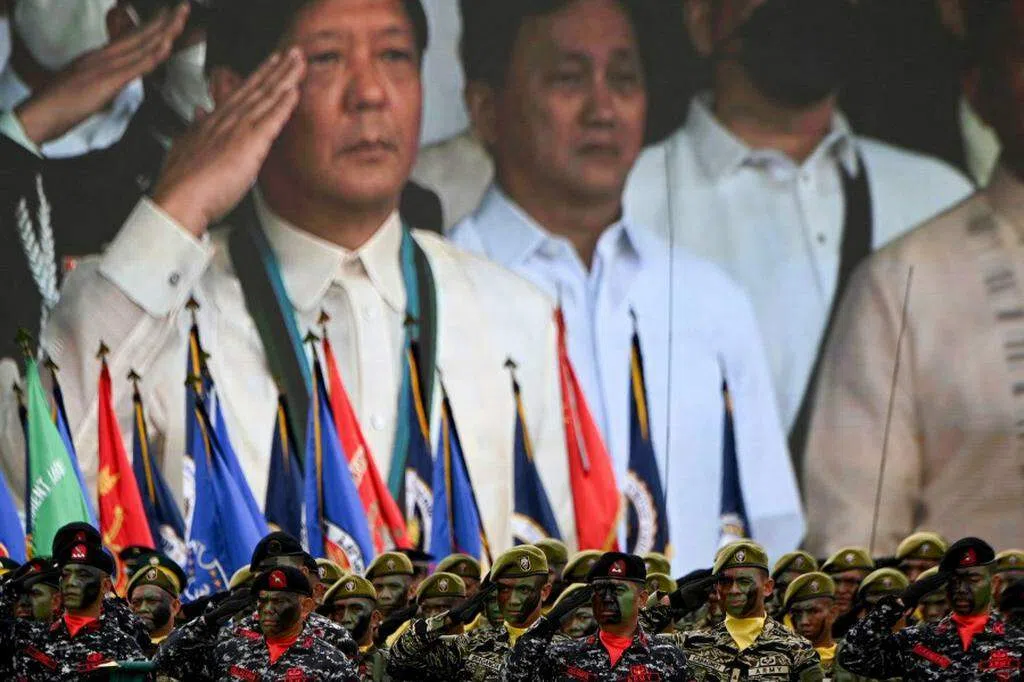
It's hard for the Philippines to stay neutral in a Taiwan contingency
In the event of hostilities in the Taiwan Strait, Manila's defence treaty with the US will give it little room to manoeuvre. Philippines President Ferdinand Marcos Jr's recent visit to China underscores his intent to have a constructive relationship with China, and it remains to be seen how the Philippines will navigate its relationships with both the China and the US.
Aaron Jed Rabena
20 Jan 2023
Politics
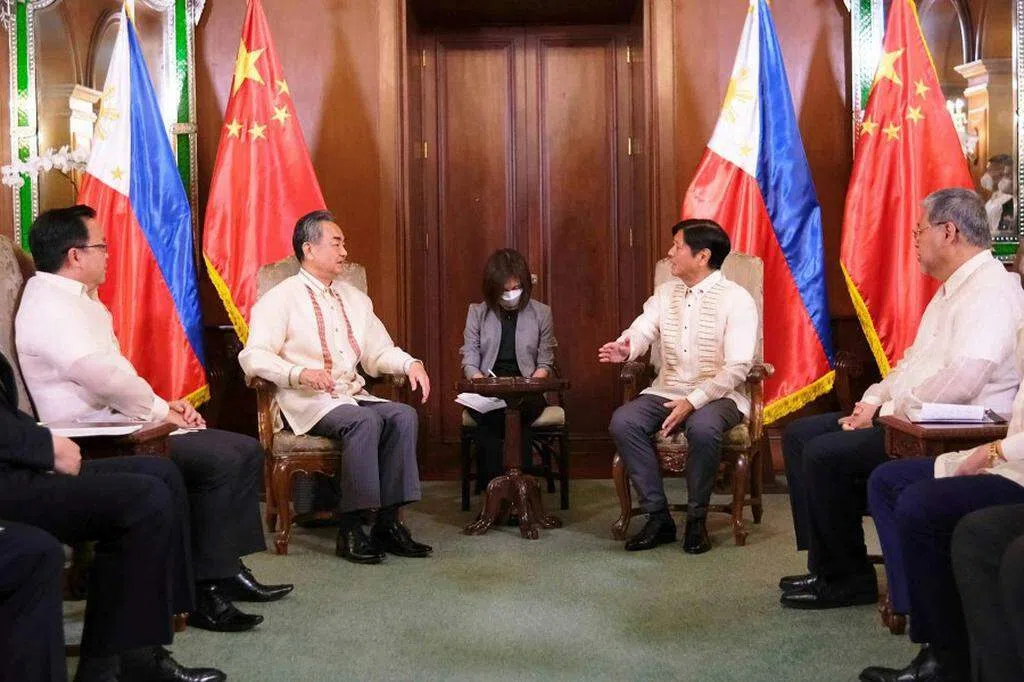
The China factor and 'Bongbong' Marcos's foreign policy
While it is too early for his foreign policy platform to fully emerge, the Philippines' new president will have his hands full in calibrating Manila's relationships with Washington and Beijing. It is not a foregone conclusion that he will lean strongly in either direction. This is in the context of continuing issues such as the South China Sea, with disputes over the Whitsun Reef and Second Thomas Shoal.
Aaron Jed Rabena
15 Jul 2022
Politics
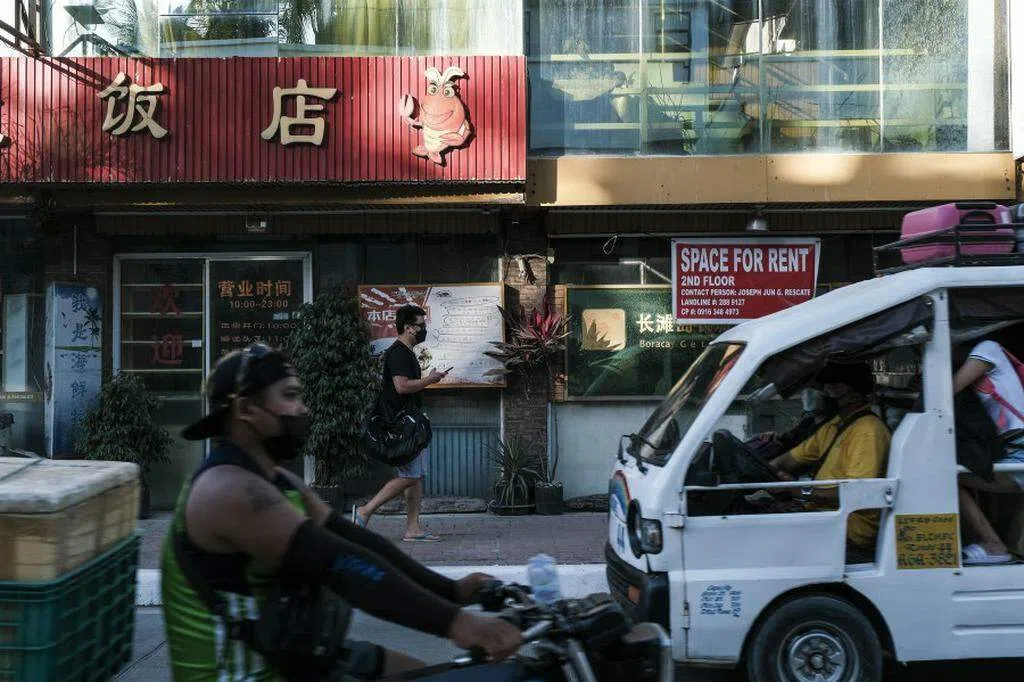
The Belt and Road Initiative and the Philippines' post-Duterte China challenge
Even under China-friendly President Duterte, Chinese BRI projects in the Philippines still encountered strong political opposition and faced several challenges in their roll-out. Ultimately, a positive domestic response to the BRI hinges on whether Manila can negotiate mutually beneficial and fair deals that allow China to contribute to the Philippines' economic agenda.
Aaron Jed Rabena
04 Apr 2022
Politics
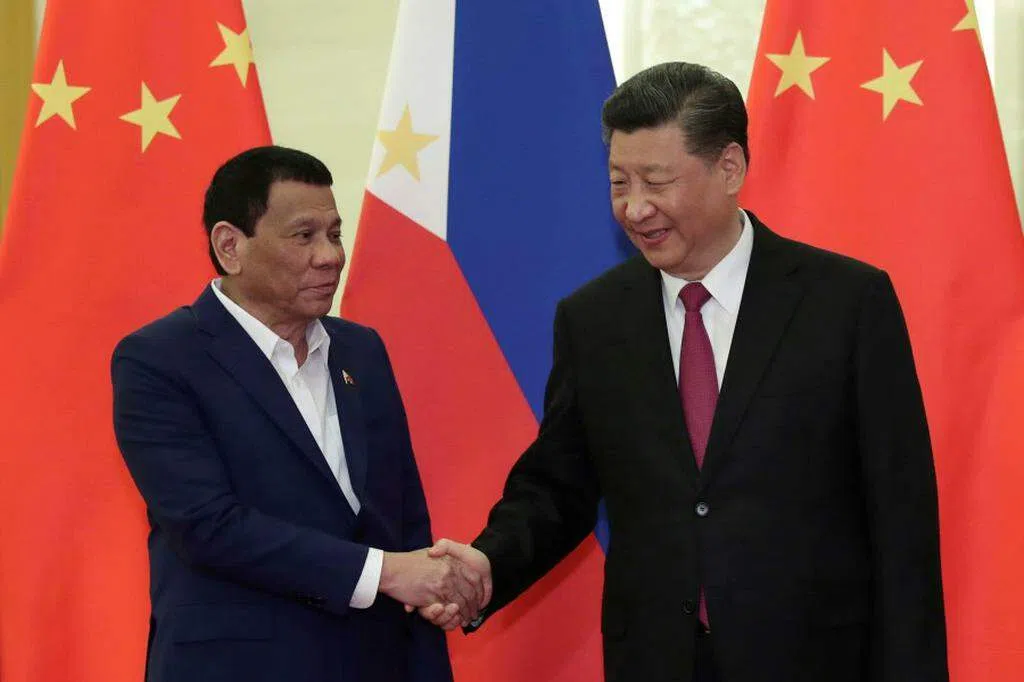
China's CPC deepens ties with Philippine political parties
Under Philippine President Rodrigo Duterte, party-to-party (P2P) relations have been forged and deepened between the Communist Party of China (CPC) and various Philippine political parties. Such P2P diplomacy offers China a new diplomatic channel to promote bilateral relations and complement confidence-building measures. It also enables Beijing to hedge at the sub-national level given the plurality of political bases in the Philippines. Philippine researcher Aaron Jed Rabena looks at the engagements thus far and examines how these may affect Philippine domestic politics.
Aaron Jed Rabena
06 May 2021