ASEAN

Technology
Southeast Asia’s mixed AI stacks: Pragmatic but not risk-free
Regional initiatives such as Singapore’s SEA-LION and Indonesia’s Sahabat-AI show that Southeast Asia can combine technologies from American, Chinese and regional sources. But mixed AI stacks do not automatically reduce dependence. ISEAS academic Zenobia Chan tells us more.
Zenobia Chan
08 Oct 2026
Politics
Are China and Indonesia model Global South partners?
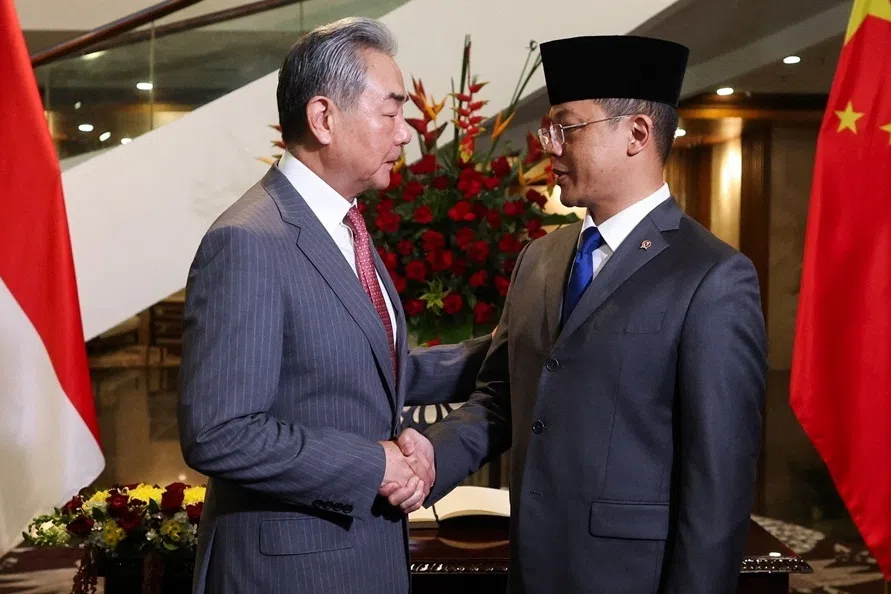
China and Indonesia are partnering to reshape the world order as key members of the Global South amid a deteriorating Western liberal order and weakened US leadership. However, ISEAS researcher Lye Liang Fook notes that their differing national interests would limit the relationship.
Lye Liang Fook
07 Oct 2026

Economy
[Big read] Can ASEAN continue to reap economic benefits from the US-China rivalry?
Southeast Asia once benefited from China-US rivalry as companies shifted supply chains into the region. Now, tighter US rules are forcing countries to account for their Chinese links — and putting their strategic neutrality to the test. Lianhe Zaobao journalist Zhou Yifei finds out.
Zhou Yifei
06 Oct 2026
Politics
Chan Chun Sing: Winning the world requires example, not force
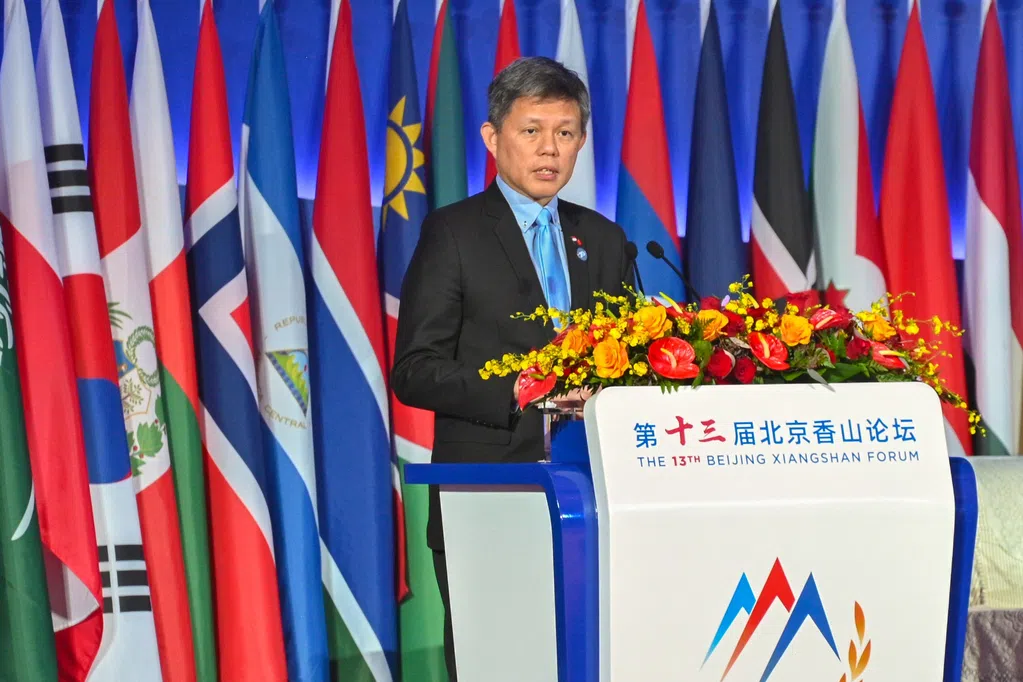
Speaking at the 13th Beijing Xiangshan Forum, Singapore Defence Minister Chan Chun Sing urged nations to build trust, embrace interdependence, and lead by the “power of example” to ensure global stability. This is an edited transcript of his speech.
Chan Chun Sing
21 Sep 2026
Economy
Can China burn away Indonesia’s waste crisis?
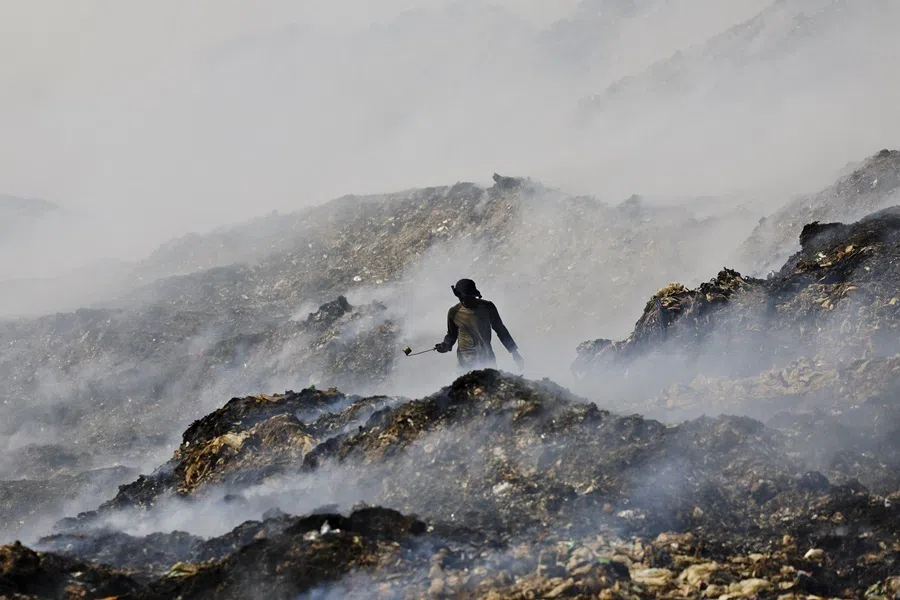
Indonesia awarded 11 waste-to-energy (WtE) projects in under a year. It should not come at a surprise that Chinese firms won most of them, and are also making inroads in other Southeast Asian capitals. But WtE comes with tradeoffs, say researchers Kevin Zongzhe Li and Genevieve Donnellon-May.
Kevin Zongzhe Li, Genevieve Donnellon-May
15 Sep 2026

Politics
China’s new tech diplomacy: Foreign journalists get a front-row seat
China is reshaping its external communication strategy. By training foreign journalists in AI and tech integration, Beijing aims to build global connections and challenge Western narrative dominance. Lianhe Zaobao associate editor Han Yong Hong tells us more.
Han Yong Hong
11 Sep 2026
Economy
Can Southeast Asia survive Pinduoduo’s price onslaught?
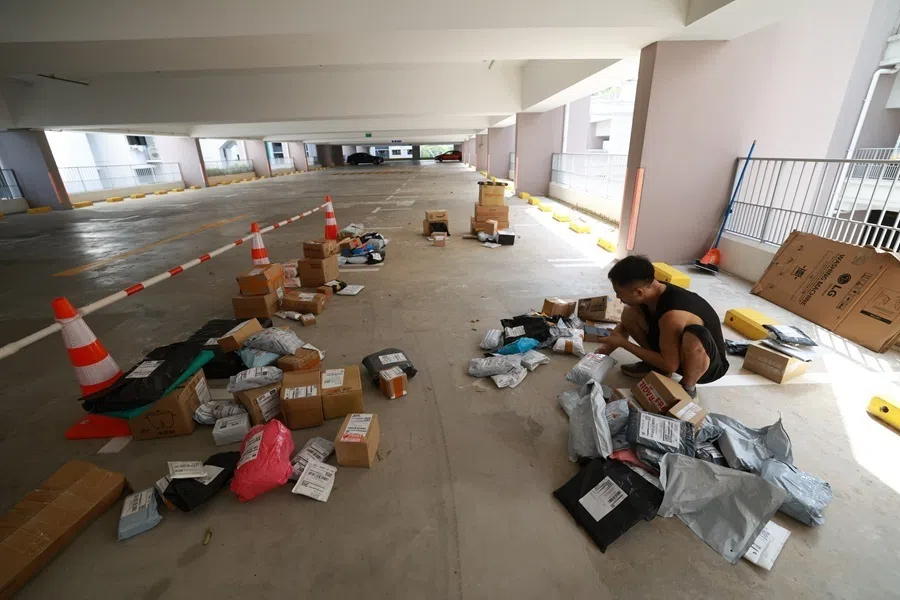
Competing with Chinese e-commerce giants on price is a losing battle for Southeast Asia. Entrepreneur Simon Lim proposes a new model that leverages global supply chains, distributed local retail networks and AI to help it gain the strategic edge.
Simon Lim
11 Sep 2026
Society
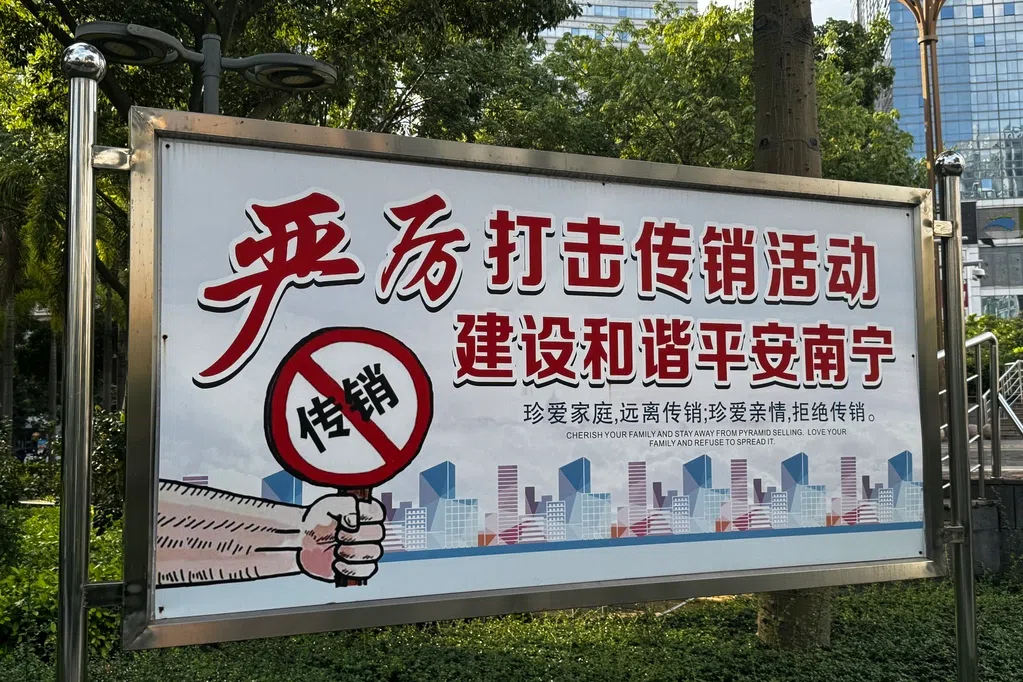
I went to Nanning to find the pyramid schemes that lured Singaporeans
After 52 Singaporeans were arrested in Guangxi, Lianhe Zaobao associate China news editor Sim Tze Wei travelled to Nanning to trace the pyramid schemes said to have lured them in — and found a city where real policies and projects can be repackaged as fake investment opportunities.
Sim Tze Wei
07 Sep 2026
Economy
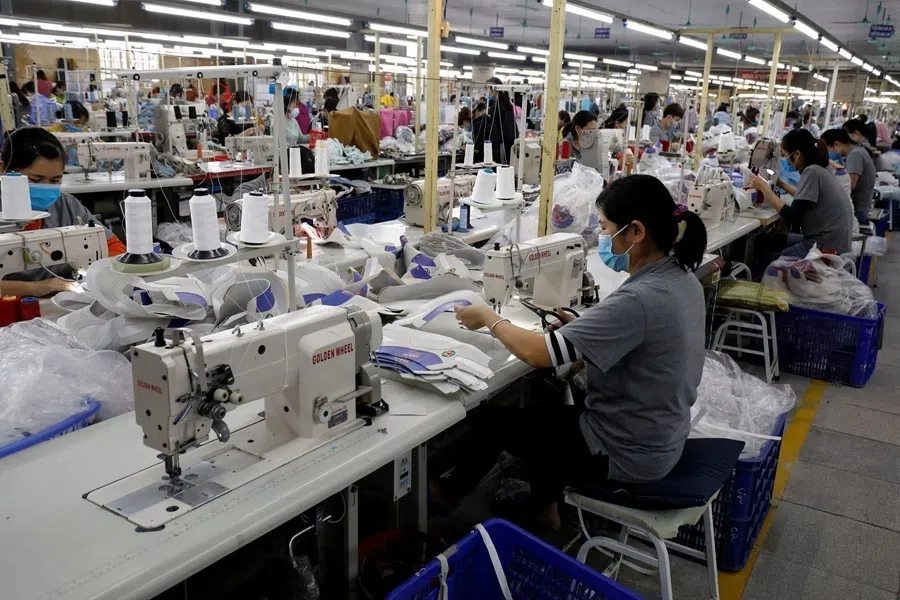
Can ASEAN export growth survive US trade scrutiny?
As the US scrutinises structural excess capacity across economies, ASEAN must distinguish legitimate export-oriented production from state-supported overcapacity, while ensuring that more technology, value added and income from its exports remain within the region, notes Japanese academic Sukegawa Seiya.
Sukegawa Seiya
07 Sep 2026

Technology
China’s new AI export: Tokens, not chips
Soaring costs, tightening semiconductor restrictions and the near-parity performance of Chinese AI models are driving some Southeast Asian countries to bypass the “build data centres” route in favour of outsourcing and purchasing inference results, says commentator Imran Khalid.
Imran Khalid
01 Sep 2026

Politics
The Taiwan Strait needs circuit breakers, not just deterrence
Military and coast guard encounters are becoming more frequent in the Western Pacific and around Taiwan, raising the risk that a limited incident could spiral into wider conflict. Deterrence alone is not enough; the region needs safeguards to contain escalation and create off-ramps, says researcher Hao Nan.
Hao Nan
17 Aug 2026