Energy
Economy
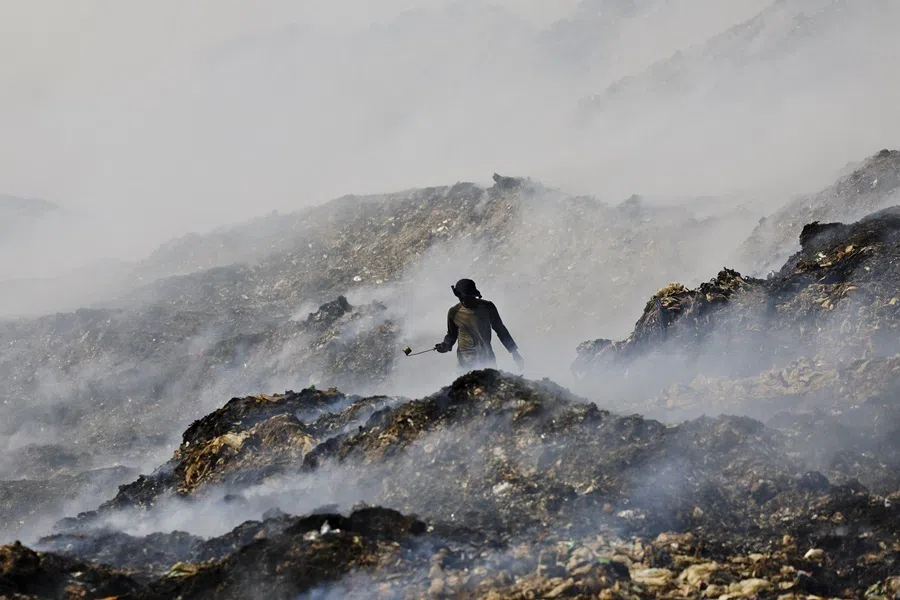
Can China burn away Indonesia’s waste crisis?
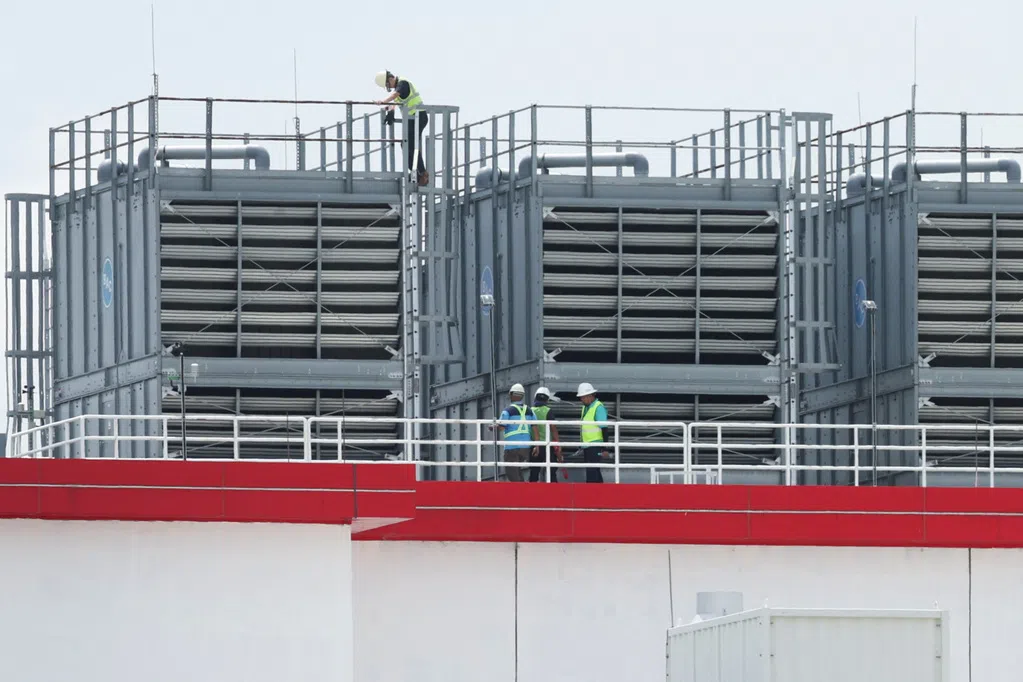
Indonesia awarded 11 waste-to-energy (WtE) projects in under a year. It should not come at a surprise that Chinese firms won most of them, and are also making inroads in other Southeast Asian capitals. But WtE comes with tradeoffs, say researchers Kevin Zongzhe Li and Genevieve Donnellon-May.
Kevin Zongzhe Li, Genevieve Donnellon-May
15 Sep 2026
Technology
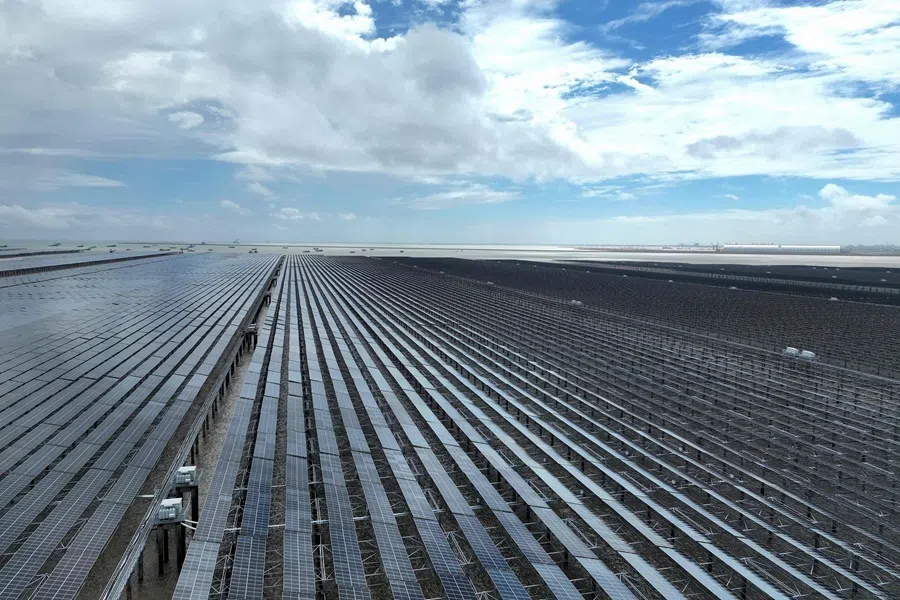
China’s AI race: Can it make energy and computing work as one?
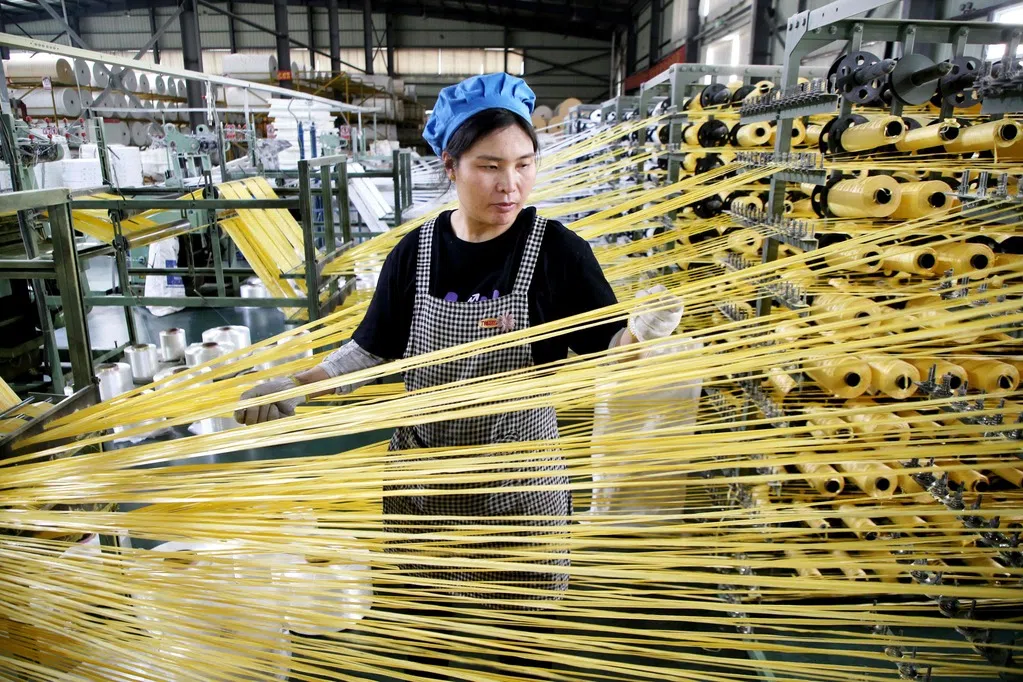
China is attempting to merge three national networks — computing, telecommunications and electricity — to win the AI race. Academic Ruay-Shiung Chang discusses why the global AI race is no longer simply about algorithms and semiconductors.
Ruay-Shiung Chang
10 Sep 2026
Technology
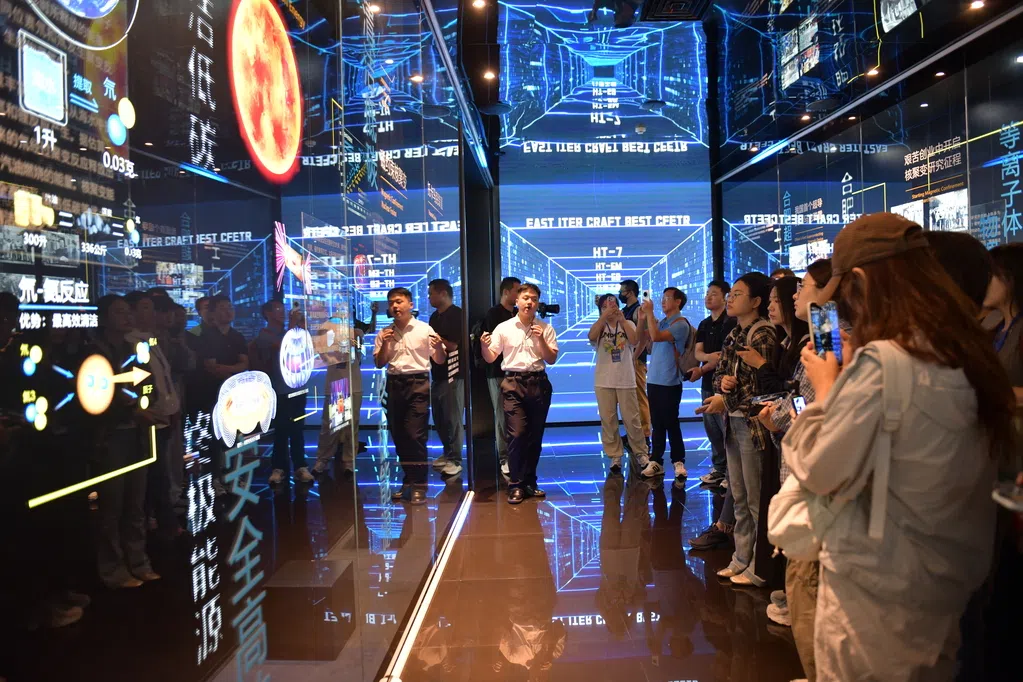
China’s 582-tonne fusion magnet is not a weapon — yet
China’s 582-tonne superconducting magnet is not a weapon; it is a marker of integrated technological power. The real strategic weight lies in how its dual-use foundations could reshape energy, security and supply-chain leverage for generations to come, argues researcher Tahir Mahmood Azad.
Tahir Mahmood Azad
08 Sep 2026
Economy
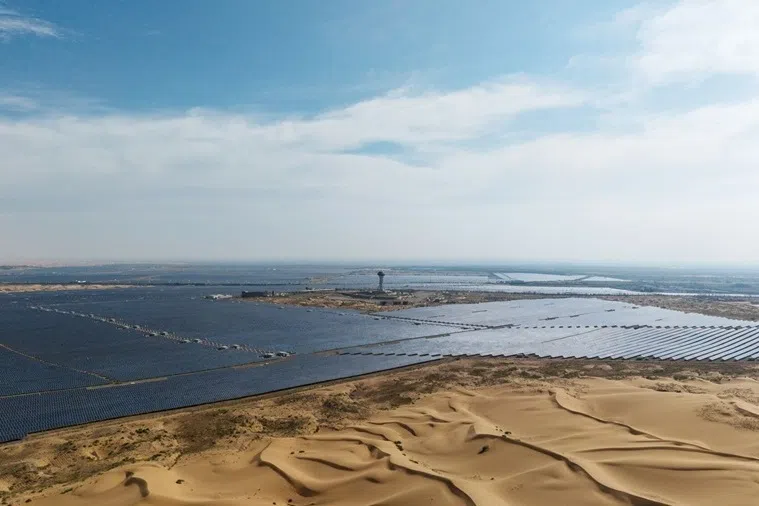
China has led nearly 300 green initiatives. Is it a climate leader?
A new study reveals China has led 291 environmental initiatives since 2000. However, with questions remaining over their real-world impact, can Beijing truly lead as the US retreats from global climate governance? Lianhe Zaobao’s China news correspondent Lim Zhan Ting finds out more.
Lim Zhan Ting
01 Sep 2026
Politics
Has China really ‘won’ in the Iran war?
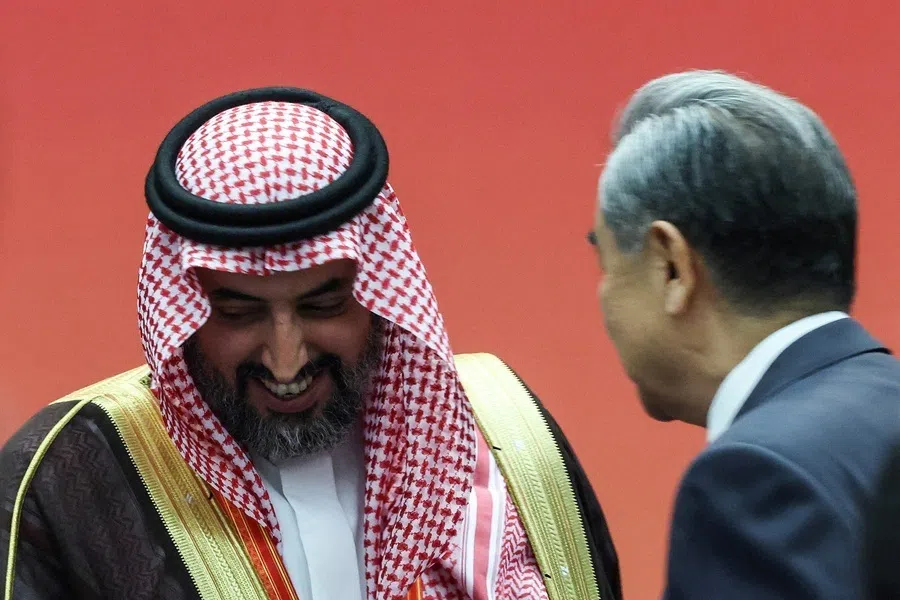
The Iran war has boosted China’s leverage in the energy sector and deepened its commercial presence in the Gulf. But states in the region want China to be a more proactive stakeholder, a role Beijing may not be ready to take on, says researcher Jing Lin.
Jing Lin
30 Jul 2026
Politics
[Big read] How China weaponised its rare earth monopoly
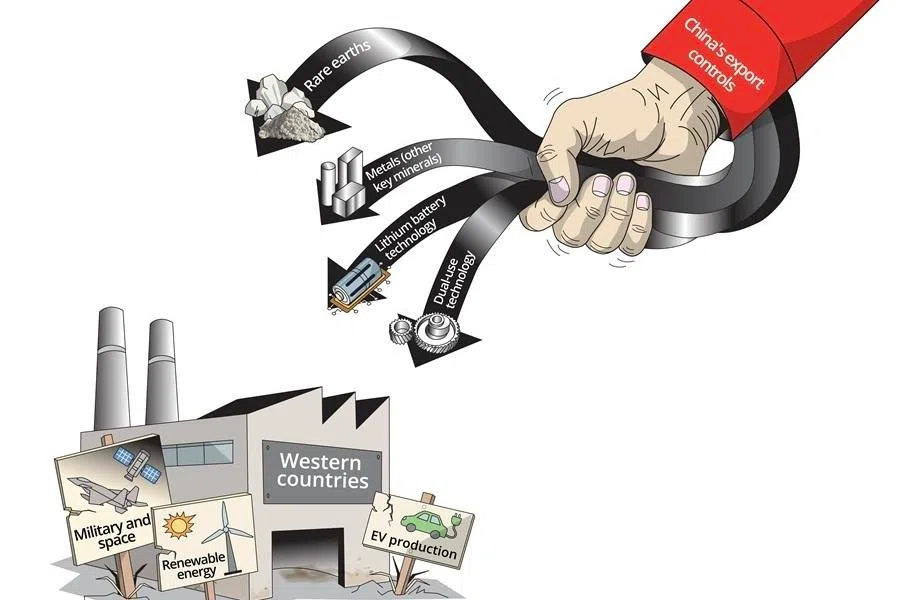
Rare earths are only part of the story. Over three decades, China has transformed export controls from a regulatory measure into a powerful geopolitical tool, reshaping global supply chains and strategic competition. Lianhe Zaobao associate China news editor Chen Jing explores how experts see Beijing’s strategy evolving.
Chen Jing
21 Jul 2026
Politics
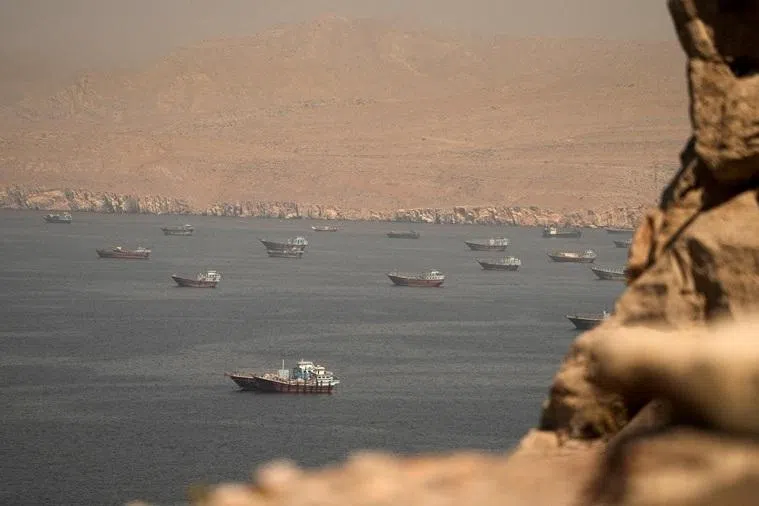
Buying certainty: How Hormuz is redefining global shipping
As conflict reshapes the Strait of Hormuz, markets are placing a premium on geopolitical certainty. The shift could redefine not only global shipping but the future of maritime governance, says US academic John Calabrese.
John Calabrese
21 Jul 2026
Politics
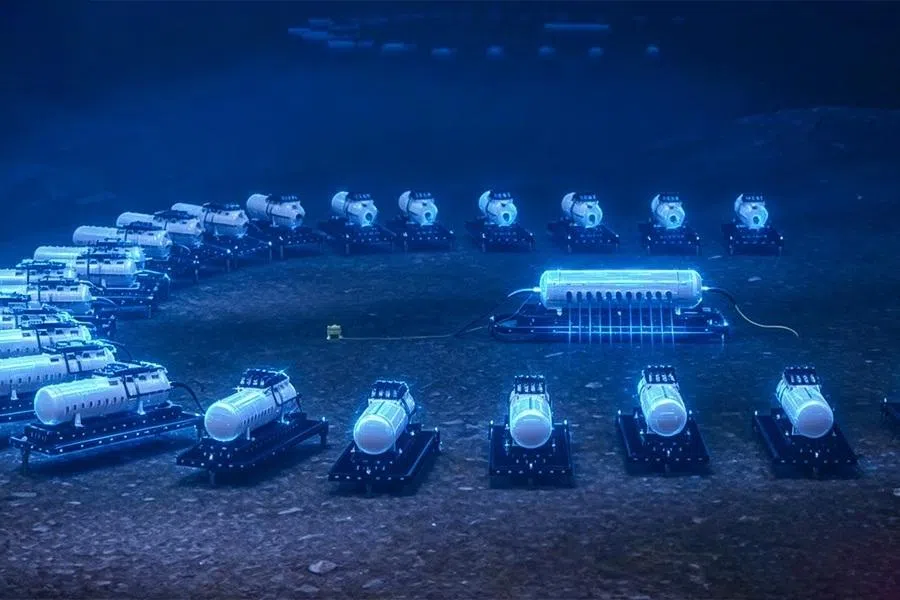
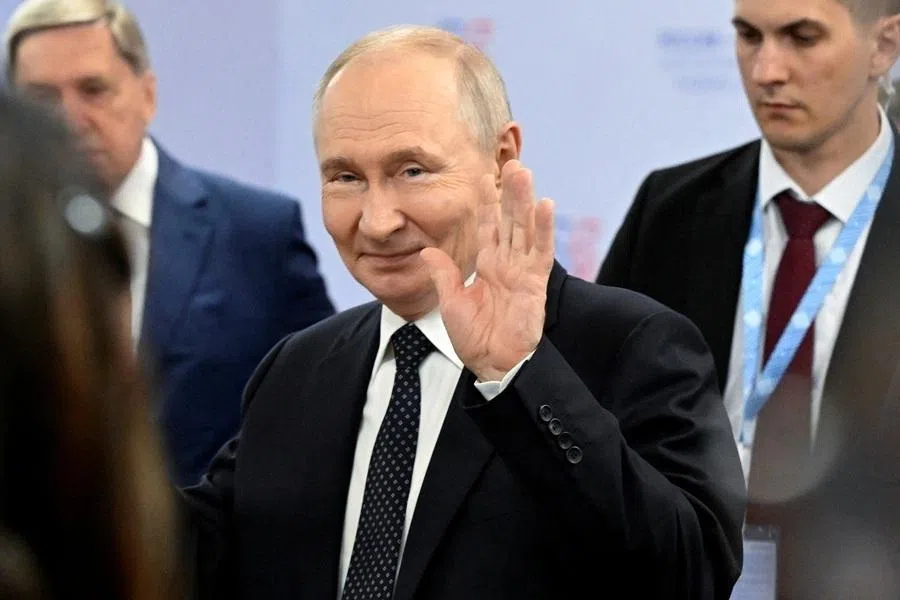
Why ASEAN is engaging Putin while the G7 looks away
The Kazan summit highlighted Russia’s emergence as a useful partner for ASEAN and exposed the limits of Western efforts to isolate Moscow in an increasingly multipolar international order. Researcher Ronny P Sasmita examines the situation.
Ronny P Sasmita
30 Jun 2026
Politics
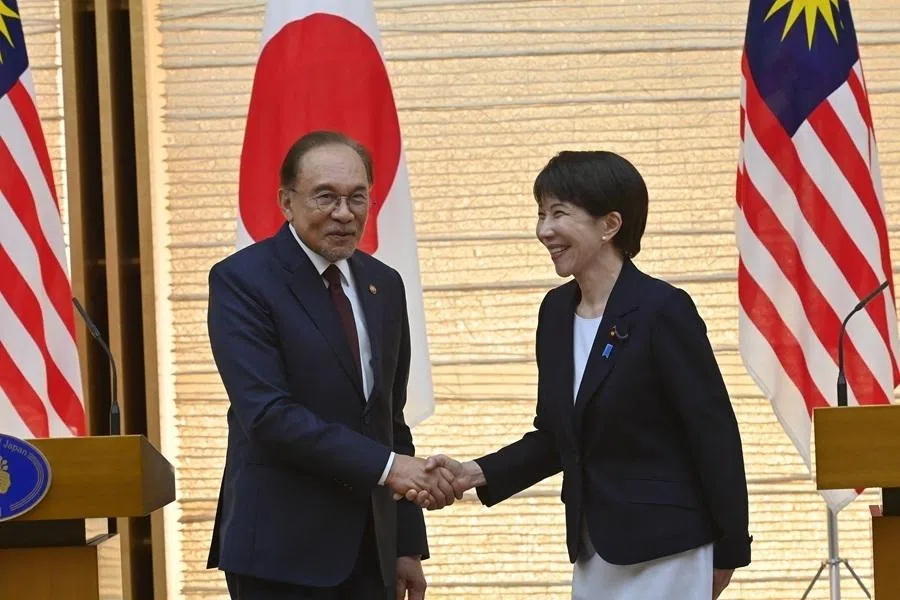
How Japan’s FOIP is reinforcing ASEAN’s strategic autonomy
The concept of a Free and Open Indo-Pacific (FOIP) was first proposed in 2016 by then Japanese Prime Minister Shinzo Abe, and now it has been updated under the Sanae Takaichi administration. Japanese academic Sukegawa Seiya notes that the FOIP is a channel for promoting regional cooperation with ASEAN, while respecting its autonomy.
Sukegawa Seiya
12 Jun 2026