Tradition

Society
[Big read] How Singapore’s boba milk-tea generation is rediscovering traditional tea
A new generation of teahouses is putting a contemporary spin on traditional tea culture, from Teochew gongfu tea and Chinese ceramics to herbal milk teas, giving young Singaporeans new ways to slow down, connect and rediscover age-old traditions. Lianhe Zaobao senior Fukan correspondent Ng Yimin finds out more.
Ng Yimin
11 Sep 2026
Culture
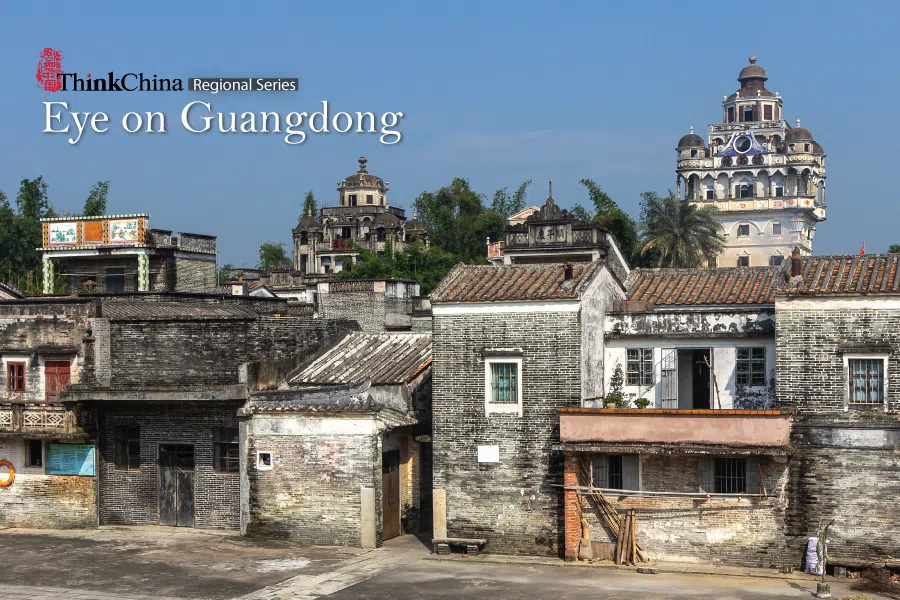
Building for family glory: Guangdong’s architecture of success
The Chen Academy in Guangzhou and Ruishi Lou in Kaiping county were built with sophisticated techniques from wealth earned or migrant funds sent home. Architecture professor Ho Puay Peng takes us on a tour of these fine examples of Lingnan architecture in ThinkChina’s Eye on Guangdong series.
Ho Puay Peng
31 Aug 2026
Culture
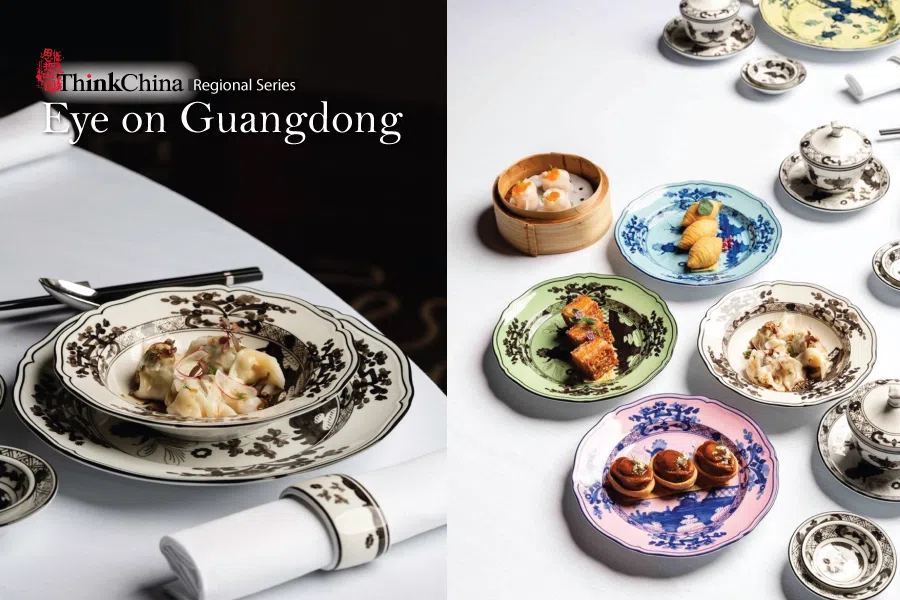
Truffles and gold leaf can’t save dim sum: What the masters know
However much dim sum — bite-sized morsels originating in Guangdong province — is reinvented, the patience and fortitude that goes into the craft and the sincerity of the hands that make it remain paramount, observes writer Tan Pin Yen in ThinkChina’s Eye on Guangdong series.
Tan Pin Yen
28 Aug 2026
Society
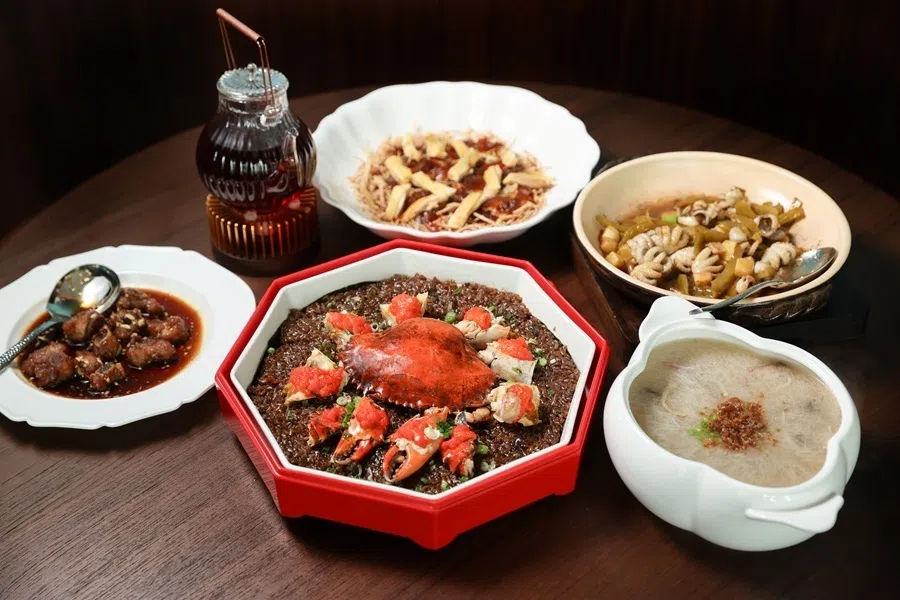
[Big read] How Chinese regional fine dining is redefining Singapore’s F&B scene
Singapore’s fine dining landscape is seeing a shift, with a wave of Chinese regional cuisines penetrating the market. Writer Tan Pin Yen takes a look at some of these Chinese brands that are bringing in unique Chinese ingredients and cooking styles for the discerning Singapore diner.
Tan Pin Yen
14 Aug 2026
Society
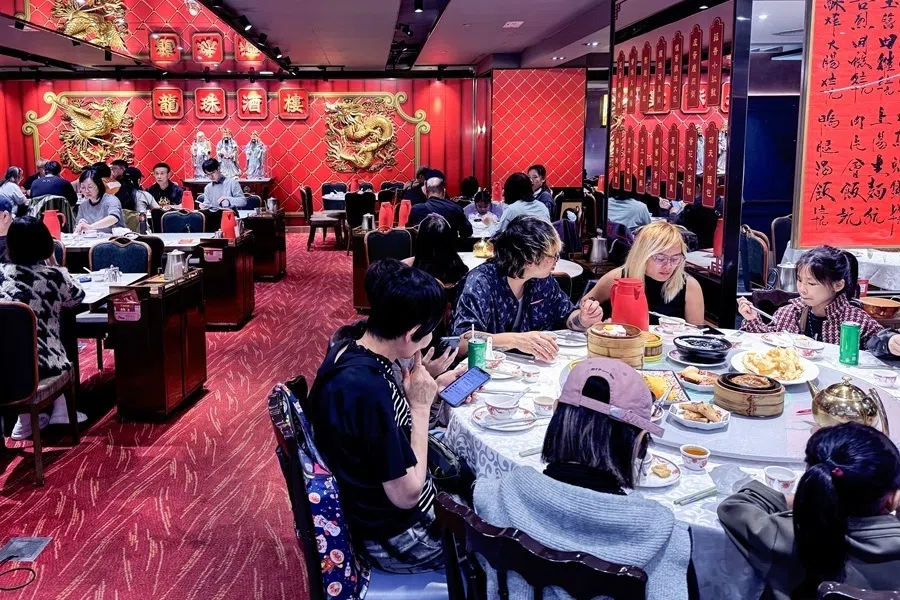
[Big read] Why Hong Kong’s legendary dim sum halls are vanishing
Hong Kong youths are shunning the yum cha tradition that features large dining groups and subpar service. Lianhe Zaobao journalist Tai Hing Shing finds out how restaurants are reinventing themselves to stay relevant in the competitive market.
Tai Hing Shing
11 Aug 2026
Society
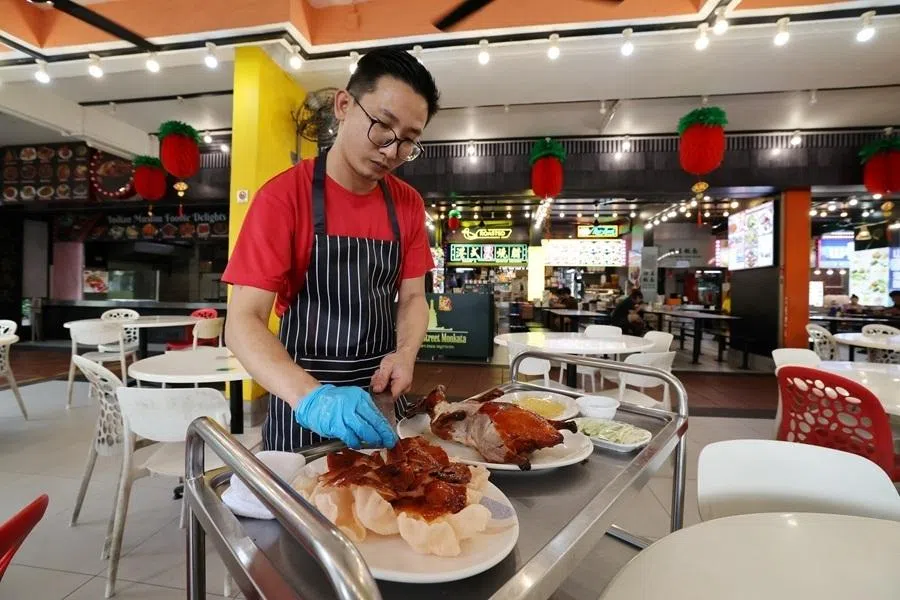
How Peking duck went from imperial Beijing to Singapore’s kopitiams
Once a delicacy savoured at imperial banquets, Peking duck has shed its exclusivity and reinvented itself for the masses — evolving in style, price and ritual as it finds an unexpected new home in the heartlands. Lianhe Zaobao lifestyle correspondent Tang Ai Wei finds out more.
Tang Ai Wei
15 May 2026
Culture
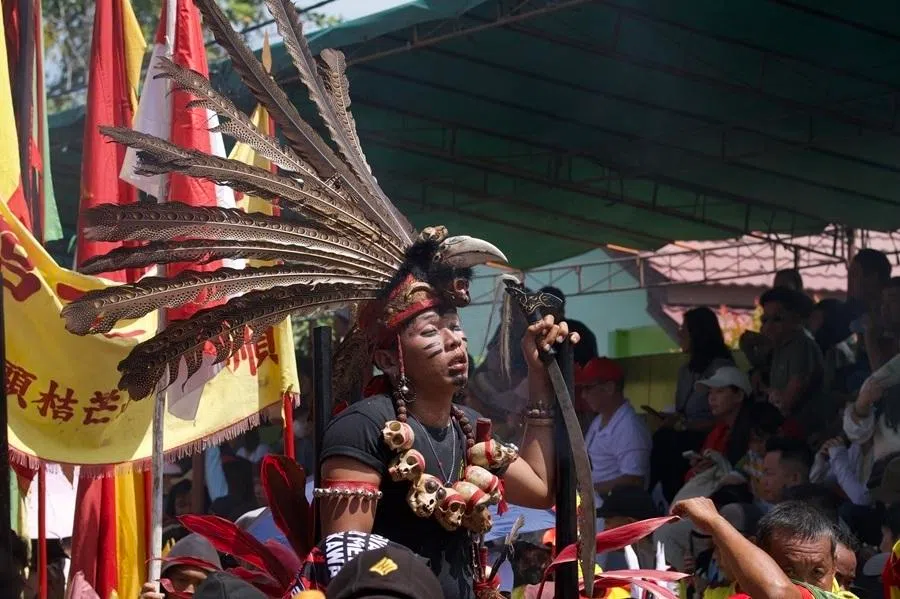
There’s no city like Singkawang: Where Hakka is the lingua franca and Cap Go Meh dazzles
In Singkawang, West Kalimantan, writer Teo Han Wue found kindred spirits, a vibrant Chinese community and a chance to witness the colourful culmination of Chinese New Year celebrations there — a spirit-medium parade, known to the locals as Cap Go Meh or Pawai Tatung.
Teo Han Wue
02 Apr 2026
Culture
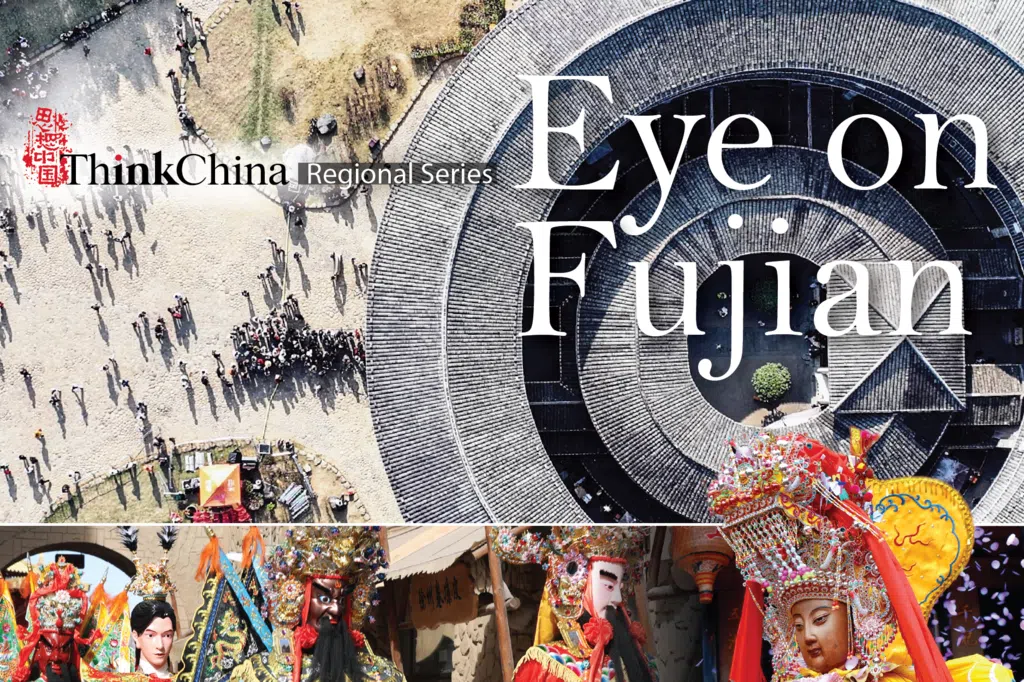
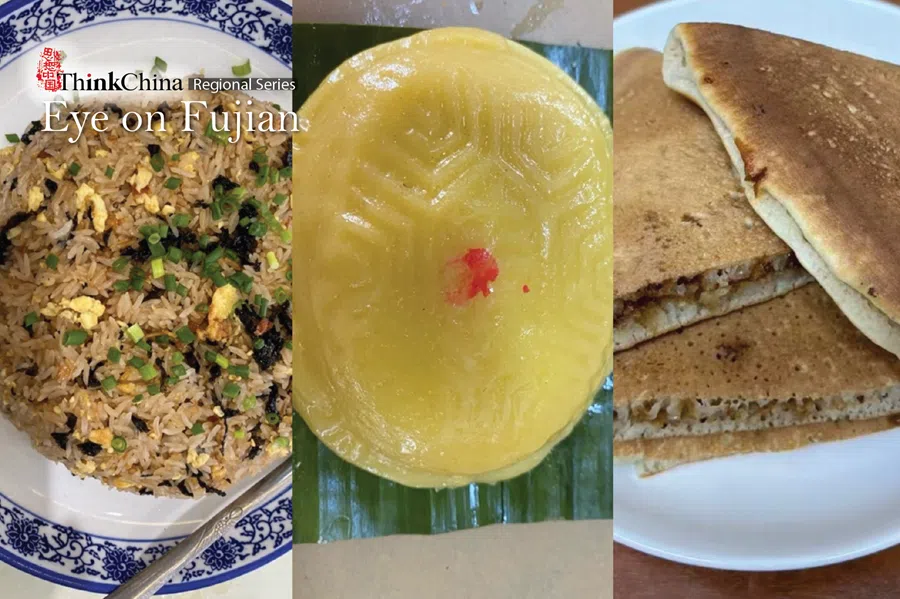
When birthdays, funerals and feasts share a dish: A Fujian food story [Eye on Fujian series]
Oyster pancake, all forms of pastries called ge (guo 粿), go (gao 糕) and bnia (bing 饼), one-of-a-kind braised noodles, red rice wine chicken and even pork double-boiled in urine — from his findings in Yongchun county and other studies, anthropology professor Tan Chee-Beng shares his knowledge about the wonders of eastern and southern Fujian cuisines.
Tan Chee-Beng
31 Mar 2026
Economy
China looks to ‘experience economy’ for a consumption lift
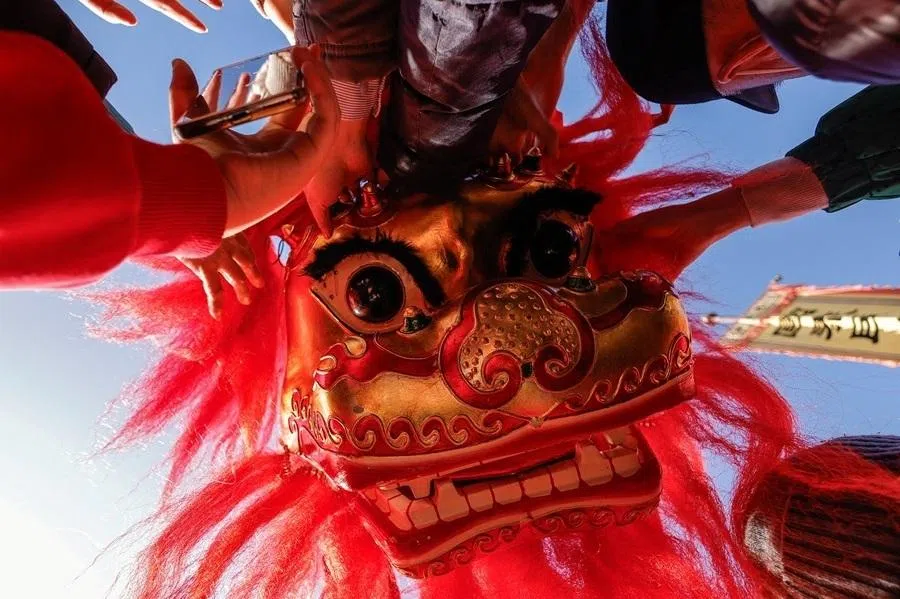
China’s tourism boom is being reshaped by travellers chasing immersive, culture-rich experiences — from lantern parades to viral folk traditions — fuelling record spending and policy support, but can the country turn this surge into sustainable growth without losing its authenticity?
Caixin Global
27 Mar 2026