Bai Yi
Comic artistArticles by Bai Yi
Cartoon
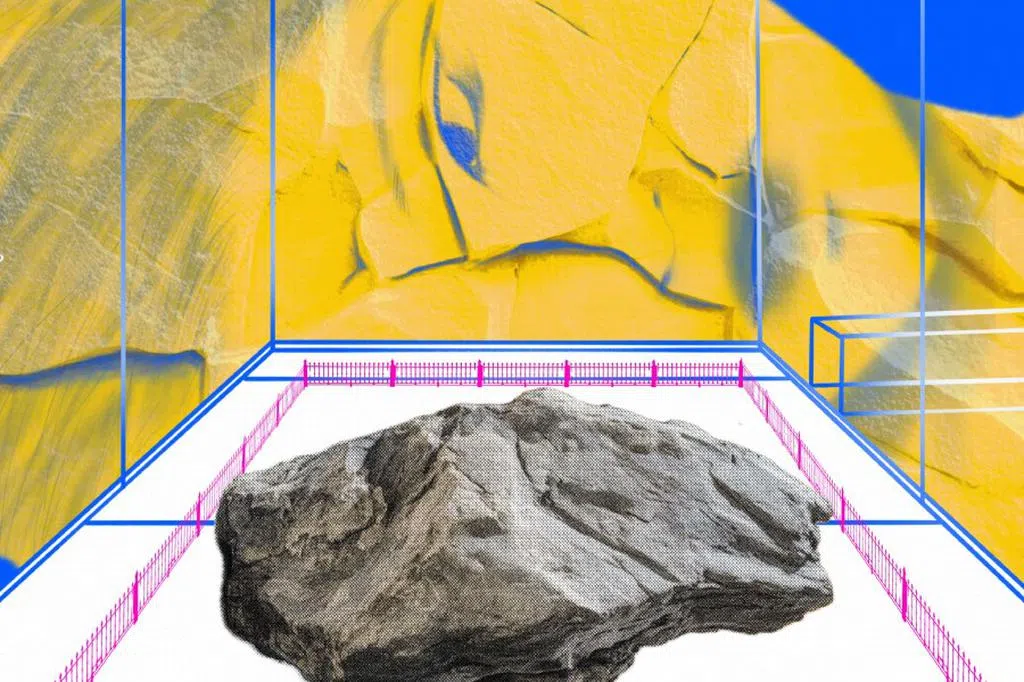
[Comic] The rock that remains
This is real life — suspended between East and West, between home and foreign land, between language and voicelessness. It is not a simple crossing of borders, but a constant being — summoned and repelled by structural boundaries. In the West, labelled “Asian”; in Asia, marked as a “returned foreigner”. This dual gaze fractures identity, raising the question: in the ongoing process of being named, framed, and defined — what truly endures? Rather than seeking assimilation or longing for a singular “true belonging”, this is a turn towards creating a new heterotopia — a space outside dominant narratives, shaped by marginalised voices and specific identities. To stay is not to be static, but to be fully present — a form of resistance within a global context that often erases history. It is a deliberate act: to inscribe suppressed experiences into material, image and language, and to give new meaning to the seemingly inert concrete (béton brut) where the rock rests.
Bai Yi
25 Jul 2025
Cartoon
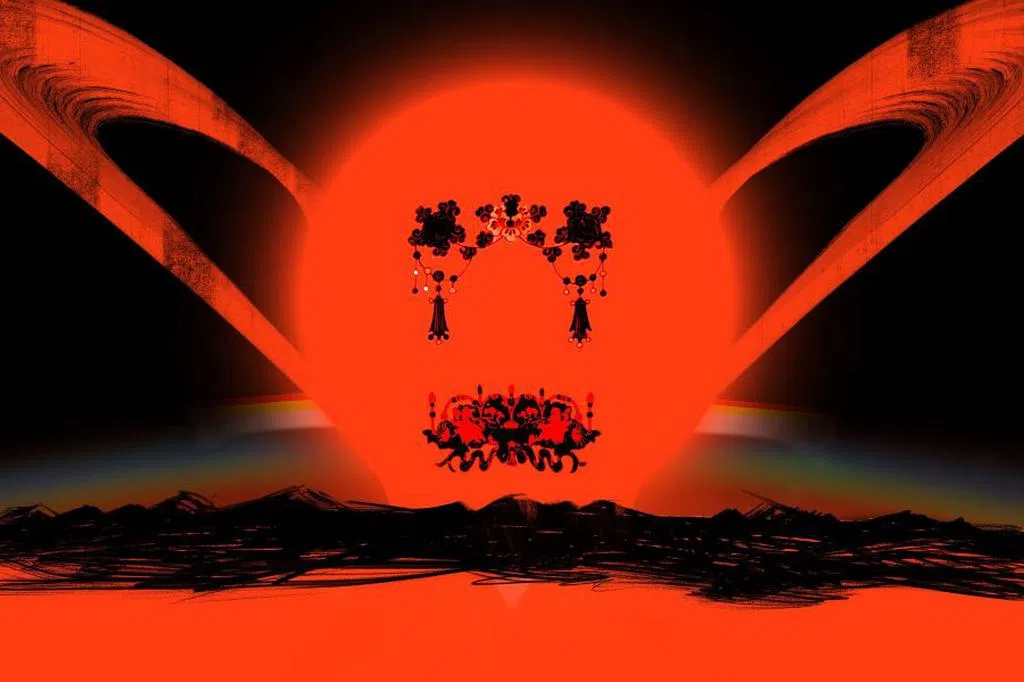
[Comic] Wukong’s shadow: China’s search for self
Turkish writer Orhan Pamuk wisely observed, “We are neither slaves of our great tradition, nor enemies of it.” This holds true for China, a nation with a rich aesthetic heritage that nonetheless struggles to find a contemporary artistic language. In our globalised world, “re-encoding” tradition often reduces it to superficial symbolism, obscuring its intellectual core and contemporary relevance. This weakens art’s reflective power and limits its cultural openness. Aesthetics should transcend mere emotional comfort in times of crisis; it should provoke reflection, questioning, and deeper understanding. It should foster dialogue with the world and facilitate self-examination for individuals and cultures alike. This is not simply about innovation in form, but also a way of being “human”. “Aphasia” and “fragmentation” haunt Chinese contemporary art. Ideally, contemporary art should move beyond the reshaping or glorification of traditional symbols, and reject the siren song of consumer culture. Instead, it must transcend symbolism and commercialisation, and strive for a more authentic cultural expression. — Bai Yi, comic artist
Bai Yi
27 Dec 2024
Cartoon
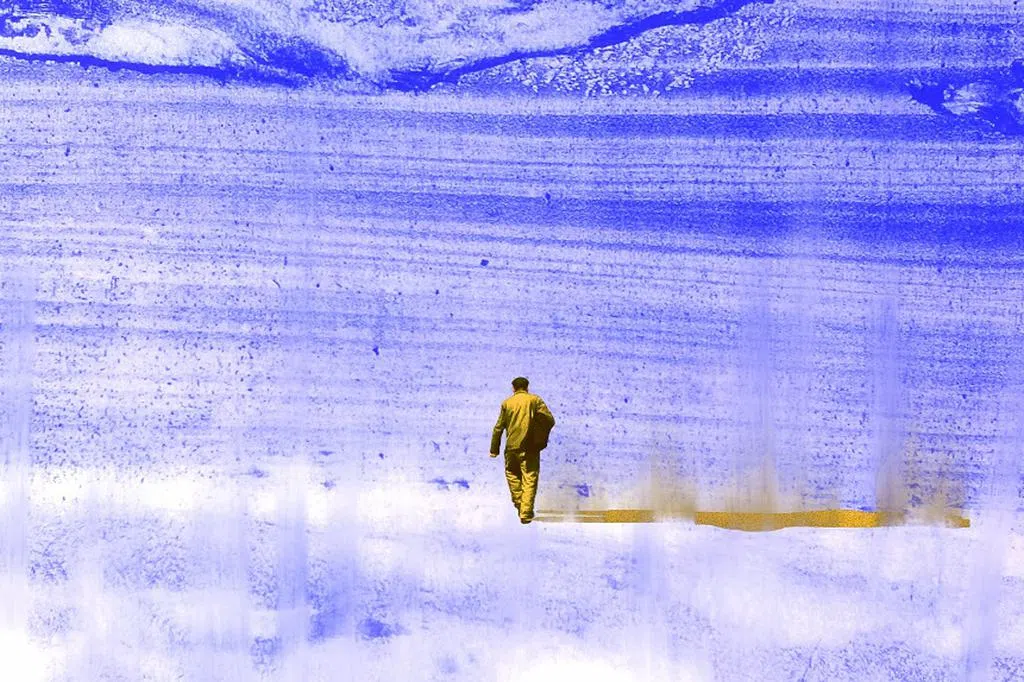
[Comic] Eat the fruit of your actions in northeast China [Eye on Dongbei series]
The television drama The Long Season has brought renewed attention to northeast China, or Dongbei. This surge isn’t by chance but the result of persistent efforts. While Dongbei is often associated with cotton-padded jackets, heavy industry and bleak winters, its rich cultural diversity and historical significance are frequently overlooked. As the birthplace of the Qing dynasty, Dongbei holds Manchu culture and a complex colonial past. The industrialisation and modernisation of “new China” have also given it a unique identity and mission. Dongbei differs from the perceived “traditional Chinese heritage”. Each space reveals a profound interplay between human emotions and the environment, sparking deep reflections on realism and romanticism. Cultural confidence, it becomes clear, is not merely superficial scenes from short videos but a deep, enduring strength shaped by years and destiny. — Bai Yi, a Dongbei native
Bai Yi
20 Sep 2024
Cartoon
[Comic] Return all to zero
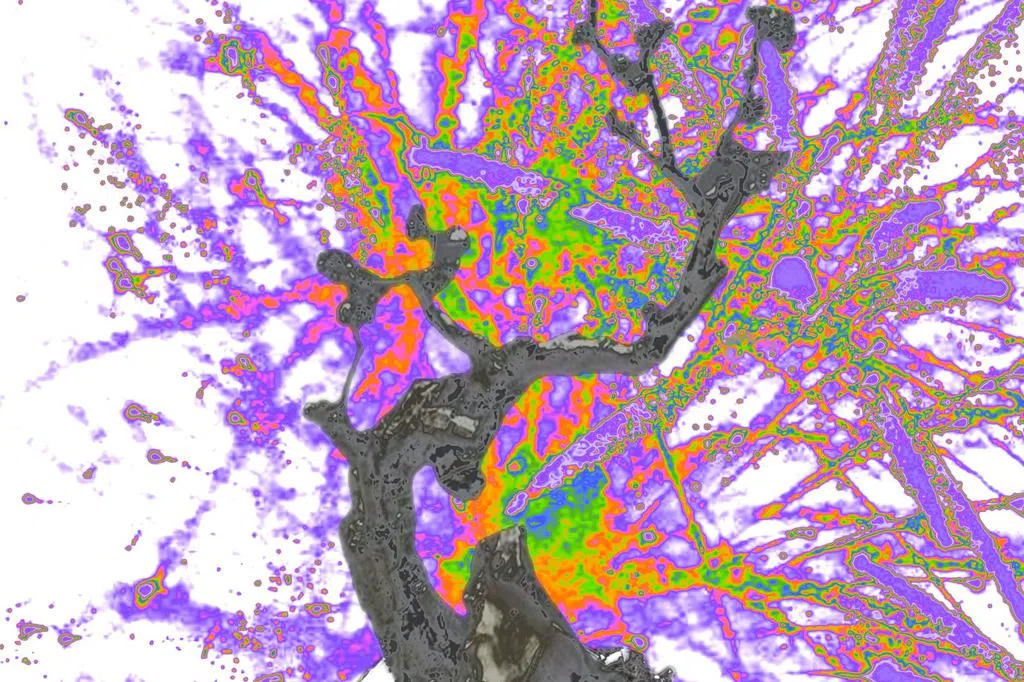
Following “lying flat” and “mad literature”, “indifference” has become a common label for young people. It denotes emotional numbness and social detachment, a way to resist external negativity. For young Chinese who feel out of sync with their times, striving often seems pointless. They adopt a mindset of “success is luck; failure is fate” as self-protection and a form of resistance. While “indifference” may seem passive, it could be the calm before a storm. After all, in an era of “rise up or leave”, even the strong and capable may disregard principles. — Bai Yi
Bai Yi
23 Aug 2024
Cartoon
[Comic] Post-rock and Chinese Dreamcore: Remembering a better time in China?
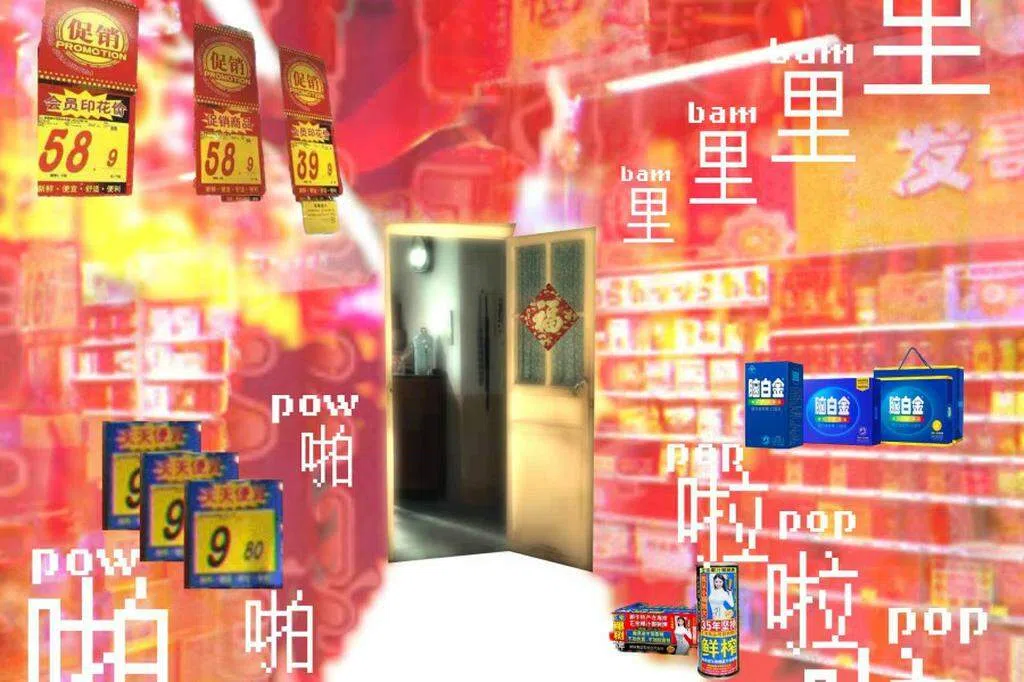
The prosperous and primitive era started with the reform and opening up of the 1980s and ended with the internet explosion of the 2010s. In this narrow time frame, broadband internet became a memory of the millennium. The Chinese Dreamcore has recently gained attention from niche visual arts — the concept is new, but the substance is not. With China’s rapid economic and technological development, a lot of memories and processes are becoming blurrier. Increased efficiency has come at the cost of spiritual growth. Many young Chinese are attracted by the Chinese Dreamcore. I think it is not so much about missing the times that are gone forever, but more because in the early years of the internet, time passed slowly and emotions were real. And while people were materially poor, they were rich in spirit. Everything looked so pure and alive, the exact opposite of today. — Bai Yi
Bai Yi
26 Apr 2024
Cartoon
[Comic] Little one, sing a Christmas song
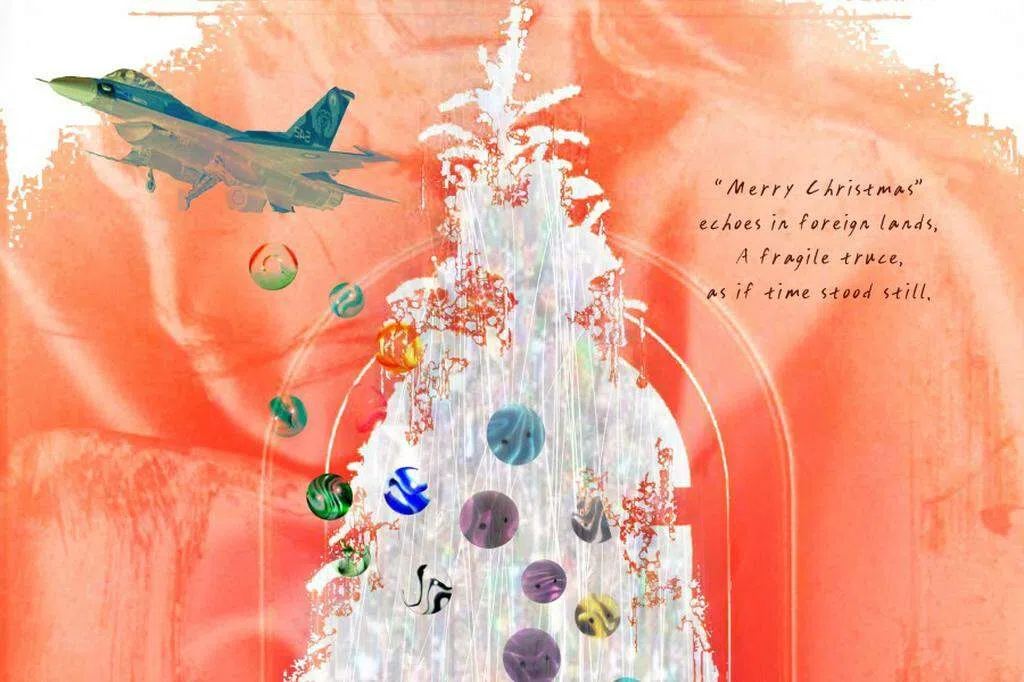
We lost many people in 2023. Missing Ryuichi Sakamoto, I dug out the movie Merry Christmas, Mr. Lawrence. History often repeats itself. Is there an intersection between Eastern and Western cultural conflicts? And is there a standard for measuring humanity and faith in the face of war? Can love that transcends race and gender bring people closer? All we can do is continue to explore the right and wrong in these questions. The tragedy of war never fails to make one realise that accepting the enemy does not mean sparing oneself. Celliers' death planted a seed in Yonoi's heart, and so we all shared the growth of the seed. May Christmas in wartime still be beautiful.
Bai Yi
22 Dec 2023
Cartoon
[Comic] The other side of the coral reef
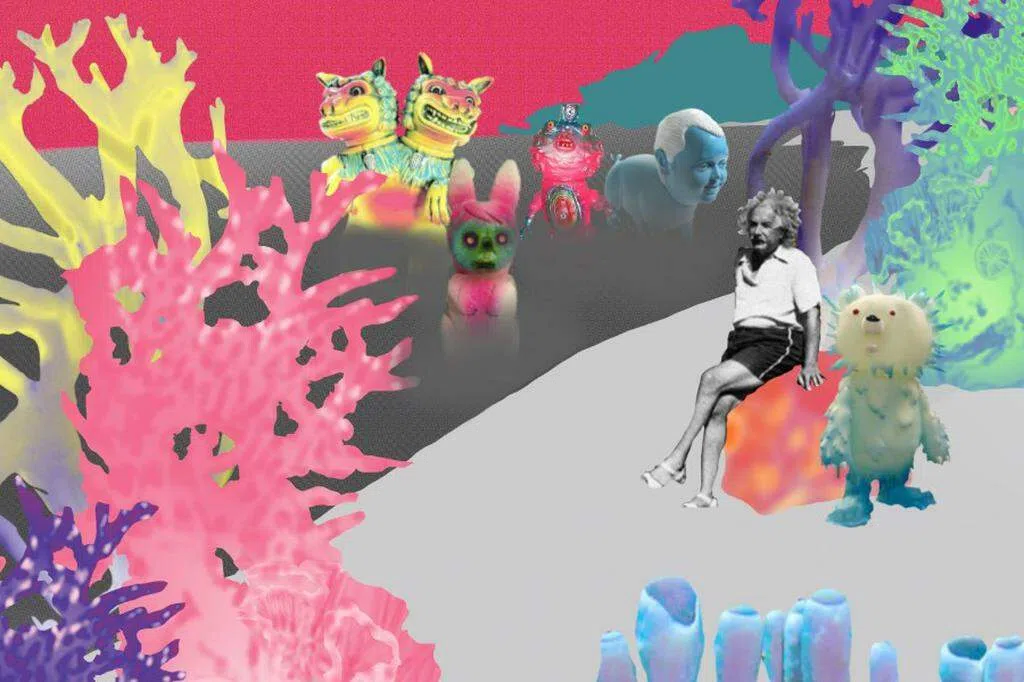
I recently watched Oppenheimer and it reminded me of a quote attributed to Albert Einstein: "The state was made for man, not man for the state." This was possibly the difference between Einstein and J. Robert Oppenheimer. The meaning of "state" is abstract, fluid and changing, and the idea that "I will always love my country" has long been shaken. Just as Einstein must have loved Germany but had to leave, there was a lot of helplessness and conflict - between people and government, politics and science, domination and egalitarianism. While the scientific spirit of "facts over authorities and books; always exchanging, comparing and reassessing opinions" is somewhat idealistic, like the law, it is worth holding on to. If academics do not stand with the people, who then will fight "evil"? Between scholars and the wise ones, there is just a little more justice, conscience and sense of humanity. - Bai Yi
Bai Yi
27 Oct 2023
Cartoon
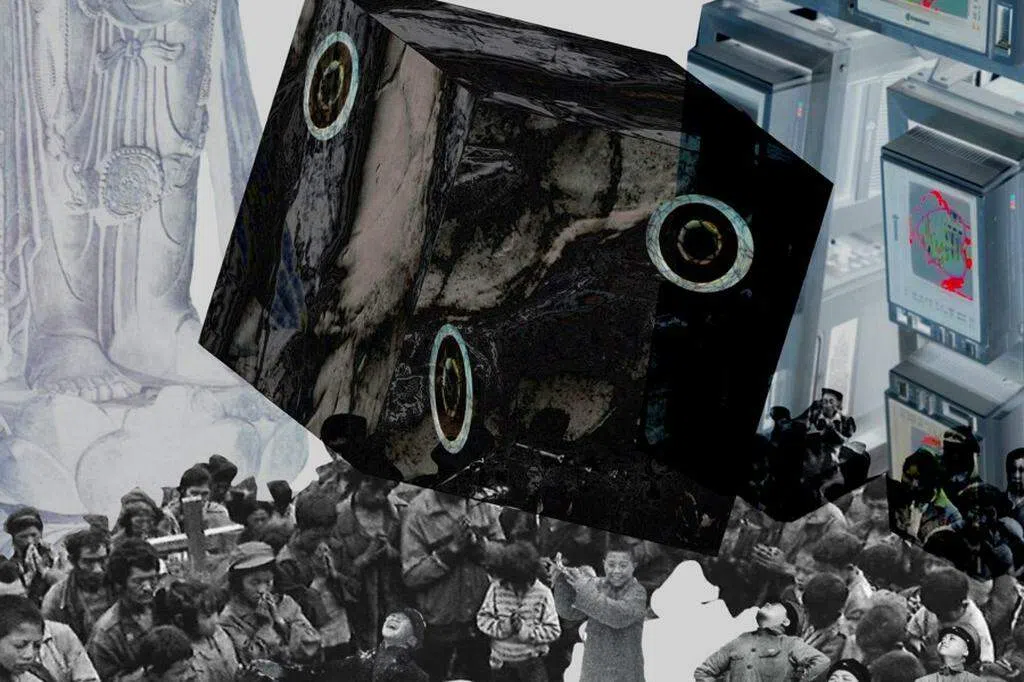
[Comic] AI: The people's new religion
As a member of the post-2000 generation, I would say the younger generation can arrogantly claim that artificial intelligence (AI) is not unfamiliar to us, and we are the natives of virtual reality. On the contrary, it is always those stubborn "old folks" who struggle to adapt and become restless, as if they were inside the palace when Puyi wore glasses. But the true enemy of humanity is never technology. Strengthening regulations, accelerating the implementation of corresponding policies, and mitigating the existential threats brought by AI should be our top priority. Because, regardless of how things unfold, our future lives will always be tied to AI. - Bai Yi (Created with the aid of AI, with thanks to Mathieu Borysevicz and Learning From Hangzhou, as well as other creators for visual material provided.)
Bai Yi
30 Jun 2023
Cartoon
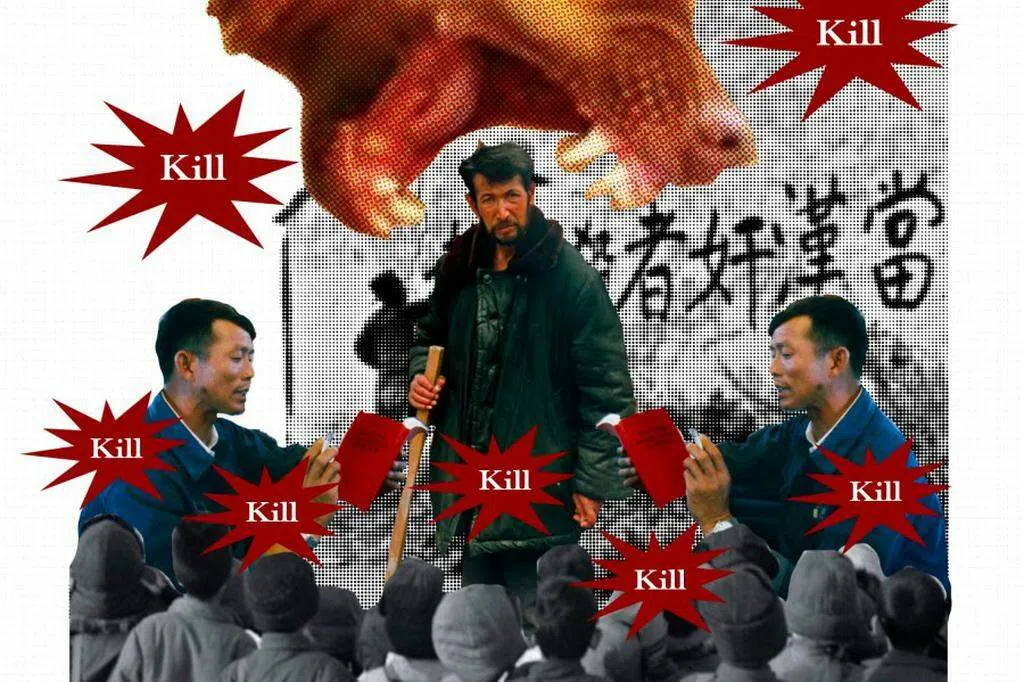
[Comic] Against the blazing sun
People from northeastern China are like African Americans or Osakans. We have a history of wandering, irrational optimism and a sense of righteous clannishness. In our veins runs comic talent, along with being governed and discriminated against. Under all the snow and ice lie warm poems and folk songs, while the wild fires, steel and concrete encase a helpless rebelliousness. We understand everything, we know everything, but we choose to be kind. We are forced to leave our homes to seek a place that will accept us. We will say nothing. Our leather coats and dark glasses will never come off. We will tell you: "This is nothing to us." - Bai Yi, comic artist
Bai Yi
17 Mar 2023
Cartoon
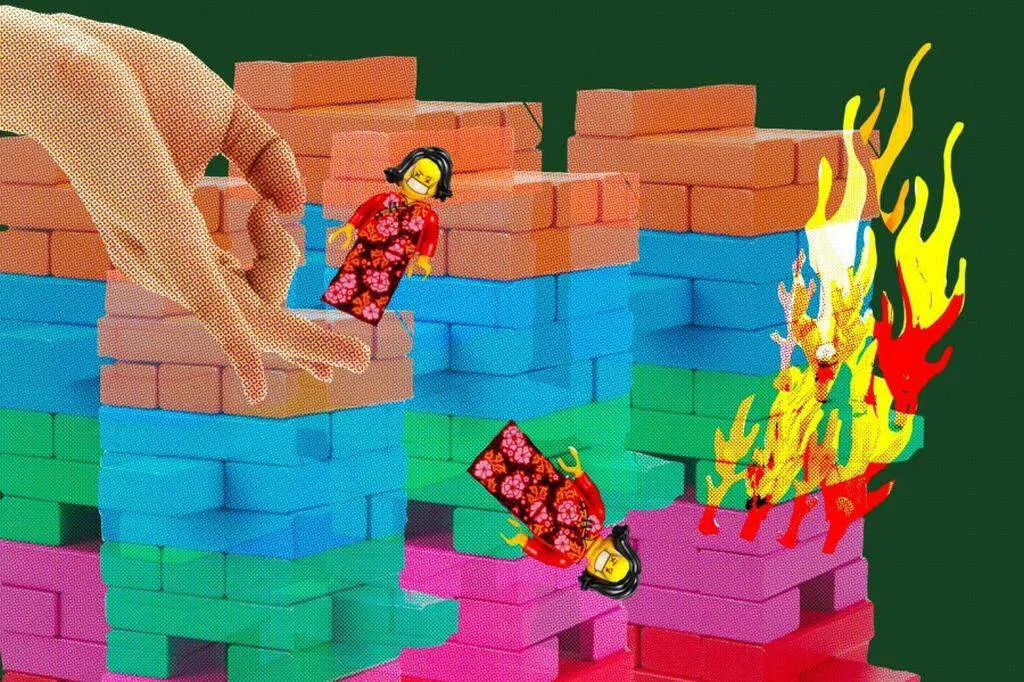
[Comic] Even if the red sun still rises tomorrow: A Chinese youth's reflection on China's Covid fight
Under the rays of the sun, we spoke of the future and what lay ahead, of democracy and science, human rights and freedom. We mourned those who died due to man-made disasters, not wanting them to die with a grievance. We held up blank papers and shouted that this was our duty. But how are we to make sense of this ridiculous chaotic world? Do we know where we are going?
Bai Yi
09 Dec 2022
Cartoon
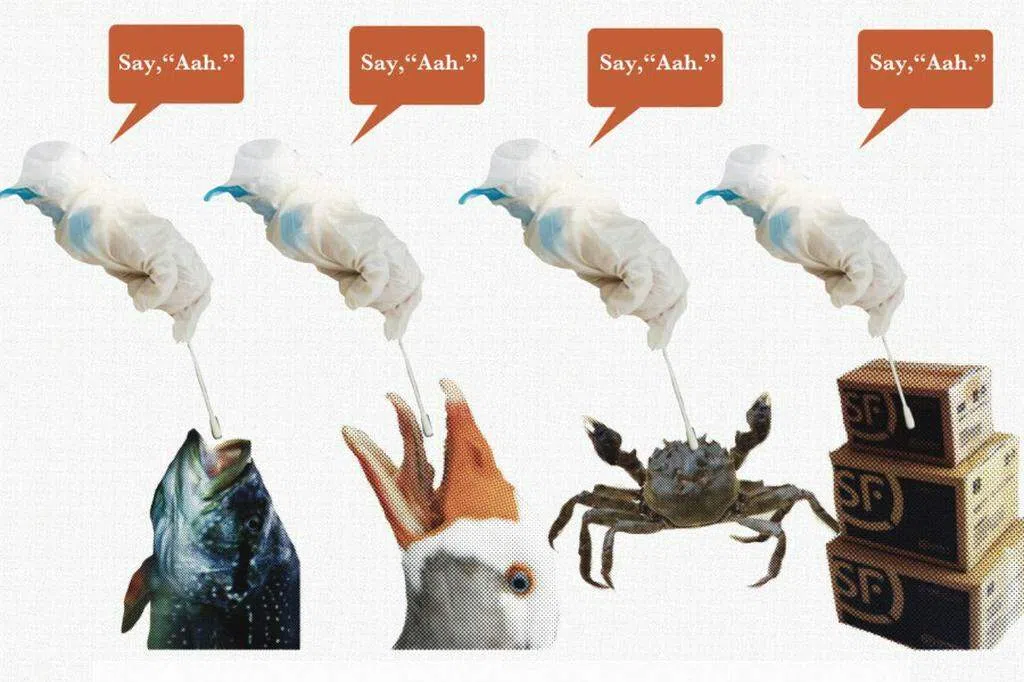
[Comic] Dystopia or 'a beautiful new world'?
Comic artist Bai Yi's artwork gives a glimpse into a dystopian world where individual lives are considered insignificant before the all-powerful and all-important state machine, and where herculean efforts are needed to uphold the dignity of human lives.
Bai Yi
16 Sep 2022
Cartoon
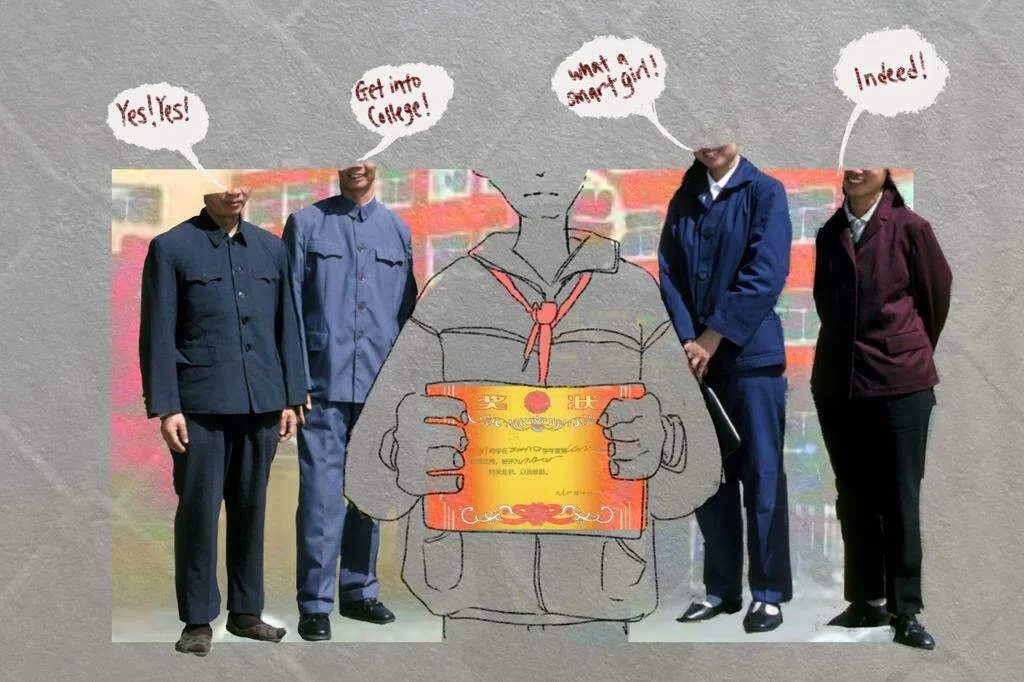
[Comic] Study hard, get out and never come back
US-based young comic artist Bei Yi reflects on China's gaokao (university entrance exams), which took place in early June. Every year, Chinese students cross this narrow log bridge of national exams, hoping to find a clearing on the other side. Students from regions across China, rich and poor, see this as a possible ticket to a better life and maybe even a passport to the West. When the stakes are so high, studying becomes a moral obligation to one's family. Some make it out, but on that journey, many things are left behind.
Bai Yi
01 Jul 2022