C. Raja Mohan
Visiting Research Professor, Institute of South Asian Studies, National University of SingaporeArticles by C. Raja Mohan

Politics
[State of our world] The world will be very different from the one we're used to
In a changed world post-pandemic and against the backdrop of the war in Ukraine, Asia will face pressure from competing minilateral coalitions amid the breakdown of multilateralism and the weakening global and regional institutions. This time, it may not be so easy not to take sides, says Professor C. Raja Mohan. This is the second in a series of four articles contemplating a changing world order.
C. Raja Mohan
05 Sep 2022
Politics
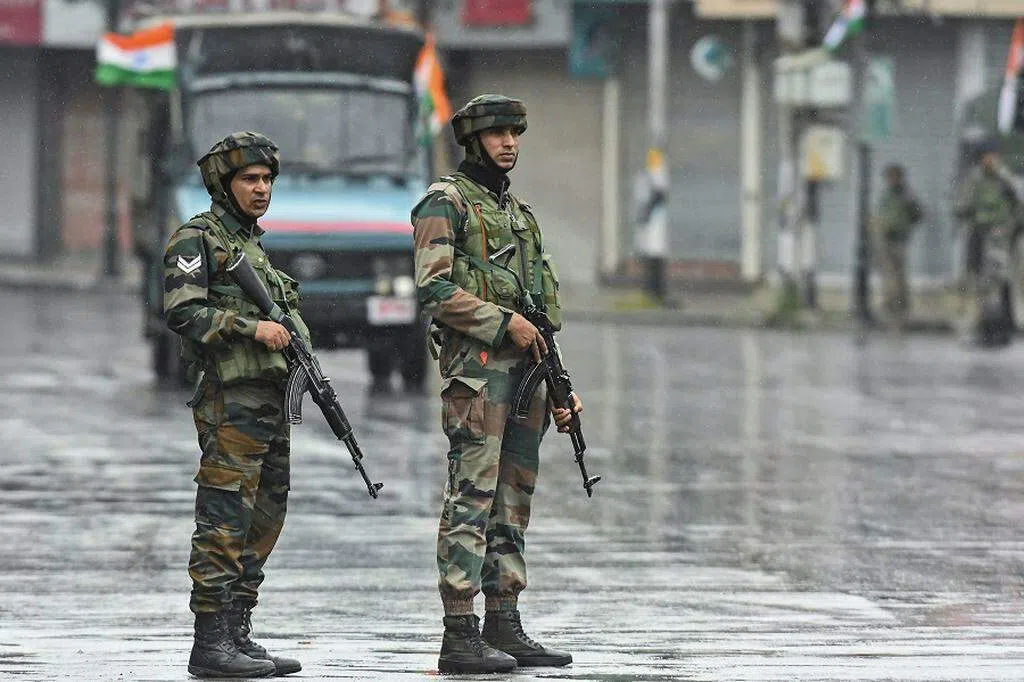
India's ambiguities on the 'one China' policy
As the deepening US-China conflict over Taiwan generates widespread concern in Asia and the world, India's new ambiguities on the "one China" policy, as well as the nuances of Delhi's engagement with Taipei, have come into sharp relief. As India's boundary tensions with China persist, Delhi's navigation between the logic of expanding ties with Taipei and the dangers of further deterioration of bilateral relations with Beijing has become more challenging.
C. Raja Mohan
29 Aug 2022
Politics
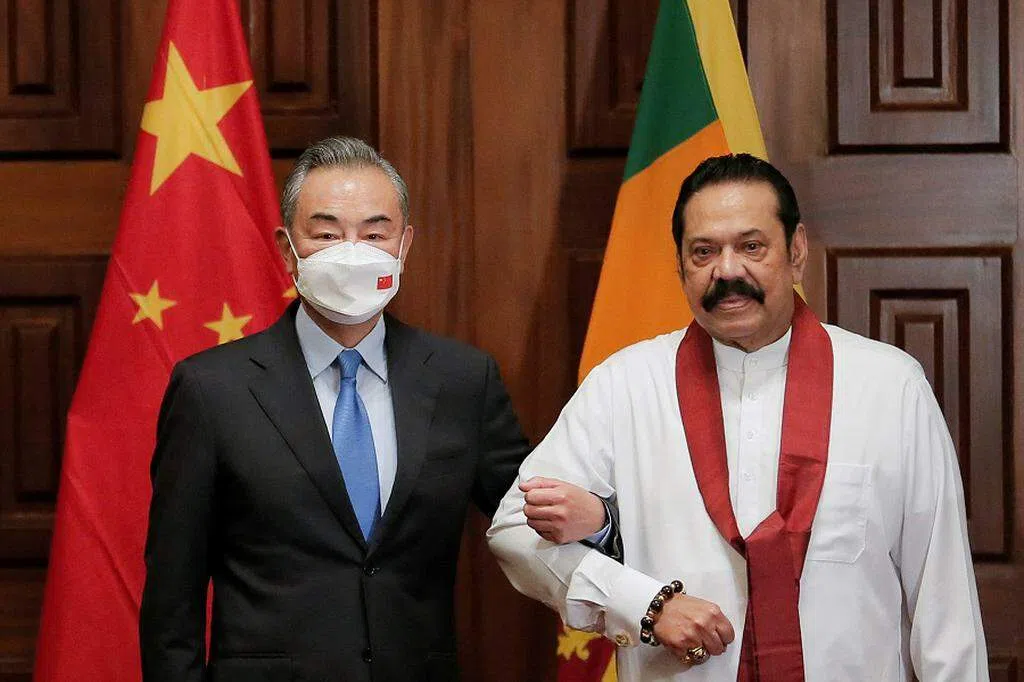
China's growing influence in the Indian Ocean: Wang Yi's visit to Comoros, Sri Lanka and the Maldives
Chinese State Councilor and Foreign Minister Wang Yi's swing through three strategic island states - the Comoros, Maldives, and Sri Lanka - as part of his annual African tour at the beginning of January underlines China's continuing quest for a larger role in the Indian Ocean. Are China's economic incentives and themes of non-intervention and sovereign equality resonating with the Indian Ocean littoral at the expense of India and the US?
C. Raja Mohan
11 Jan 2022
Politics
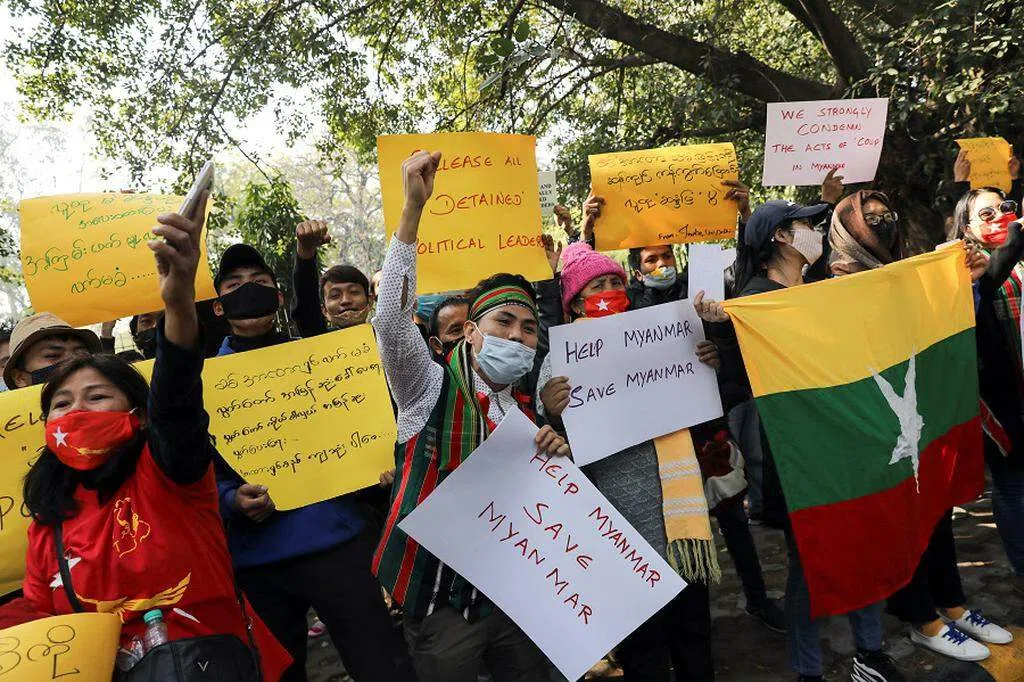
India needs a united, democratic Myanmar outside China's strategic orbit. Can that happen?
In recent decades, India's engagement with Myanmar has been shaped by Delhi's growing regional contestation with Beijing as well as its growing strategic partnership with the US. As a close neighbour with clear stakes in the region, India has to tread carefully. In the aftermath of Myanmar's latest military coup, how will it tread even more lightly, neither helping to drive Myanmar into the arms of China, nor forsaking the values it shares with allies such as the US?
C. Raja Mohan
10 Feb 2021
Politics
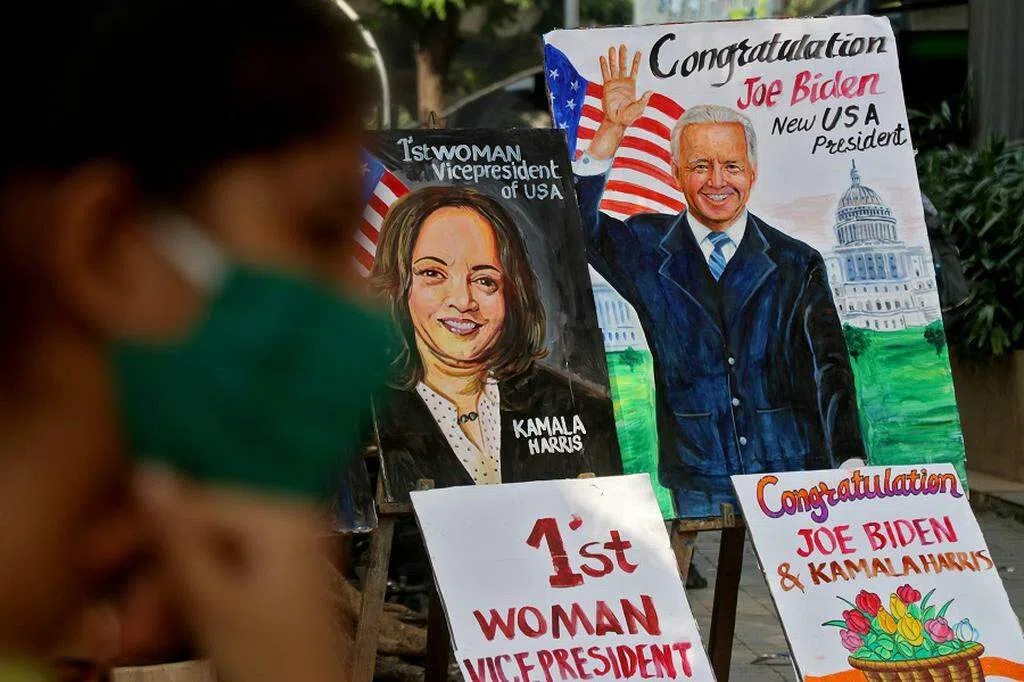
India gets ready for shifts in US-China relations under Biden
Much in the manner that a poor and a turbulent China became a critical element in the US-Soviet competition during the 1970s, even a weak India could have some bearing on the evolution of the Asian balance of power, vis-à-vis US-China relations, says Prof C. Raja Mohan. In recent years under the Trump administration, Delhi ended its historic hesitations about deeper military and security cooperation with the US by embracing the Indo-Pacific strategy and helping to revive the Quad. What will be the future direction of India-US relations under the new Biden presidency? What would that mean for China?
C. Raja Mohan
12 Nov 2020
Politics
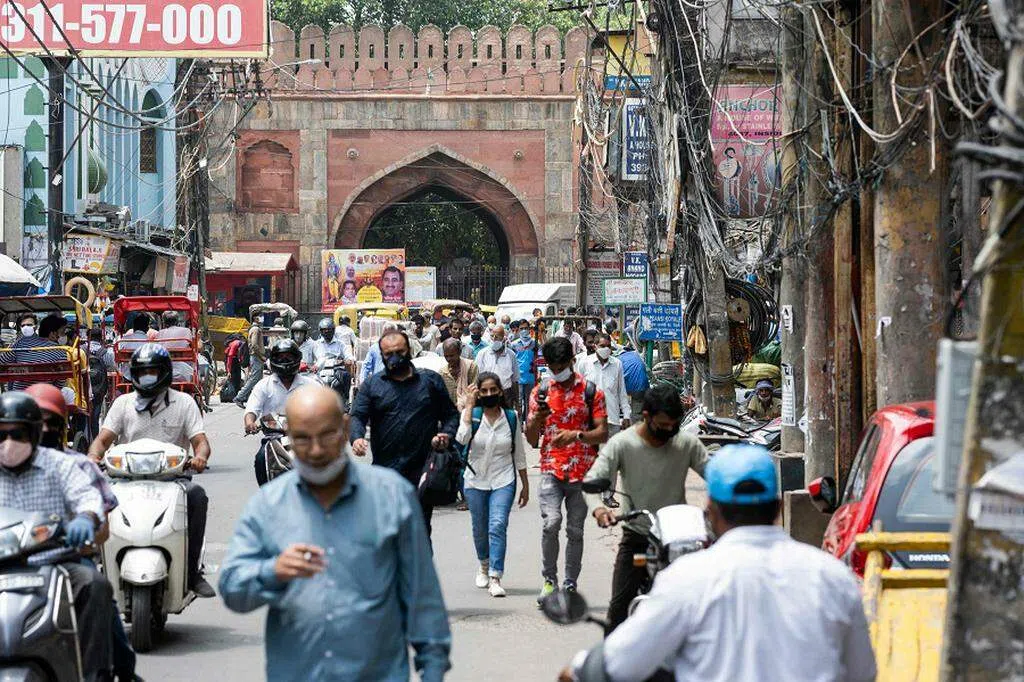
China in the Gulf: India overmatched but undaunted
Based on history, culture ties and the flow of people throughout the Indian subcontinent, Persia and Arabian peninsula, India has had a natural advantage over China in engaging the Gulf. But in recent years, this seems to be no more. A reported partnership between China and Iran worth some US$400 billion over 25 years is just the latest in a string of footholds China is carving out in the region. India is realistic enough to know it is unwise to embark on a geopolitical competition with Beijing in the Gulf. Rather, it will play to its own strengths, says Professor C. Raja Mohan, director of the Institute of South Asian Studies at NUS.
C. Raja Mohan
14 Aug 2020