Low Sze Wee
Chief Executive Officer, Singapore Chinese Cultural CentreArticles by Low Sze Wee
Culture
What else besides Nanyang art?
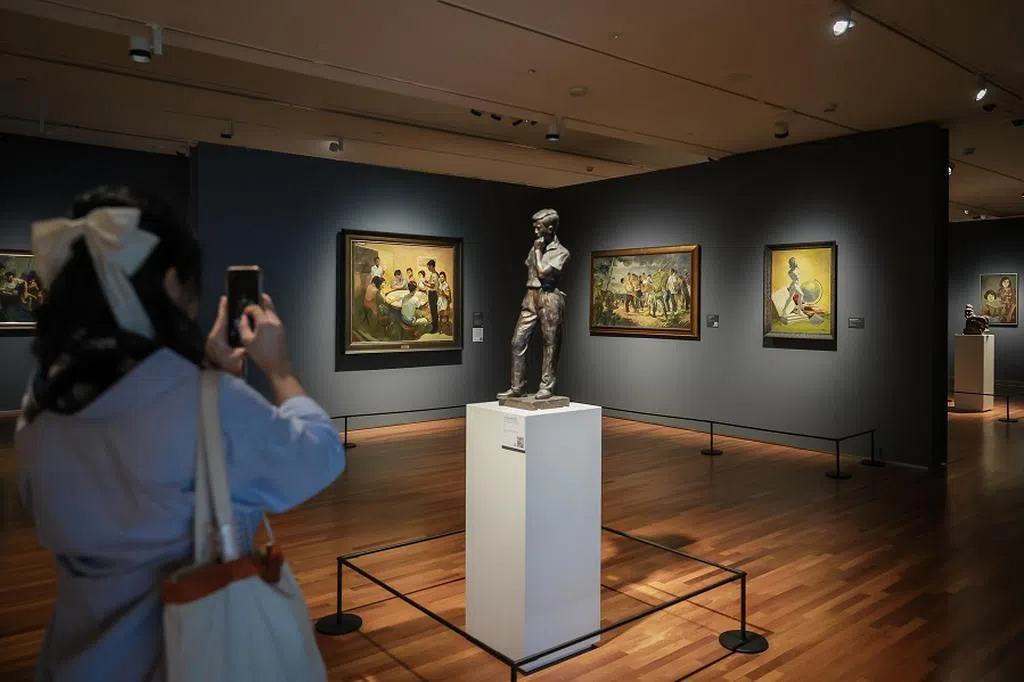
While Nanyang art is known as Singapore’s first local art movement, it is not the only genre of art that took root in Singapore in the pre-independence period. Happening alongside, says CEO of the Singapore Chinese Cultural Centre Low Sze Wee, was the rise of social realist art, and more.
Low Sze Wee
24 May 2024
Culture
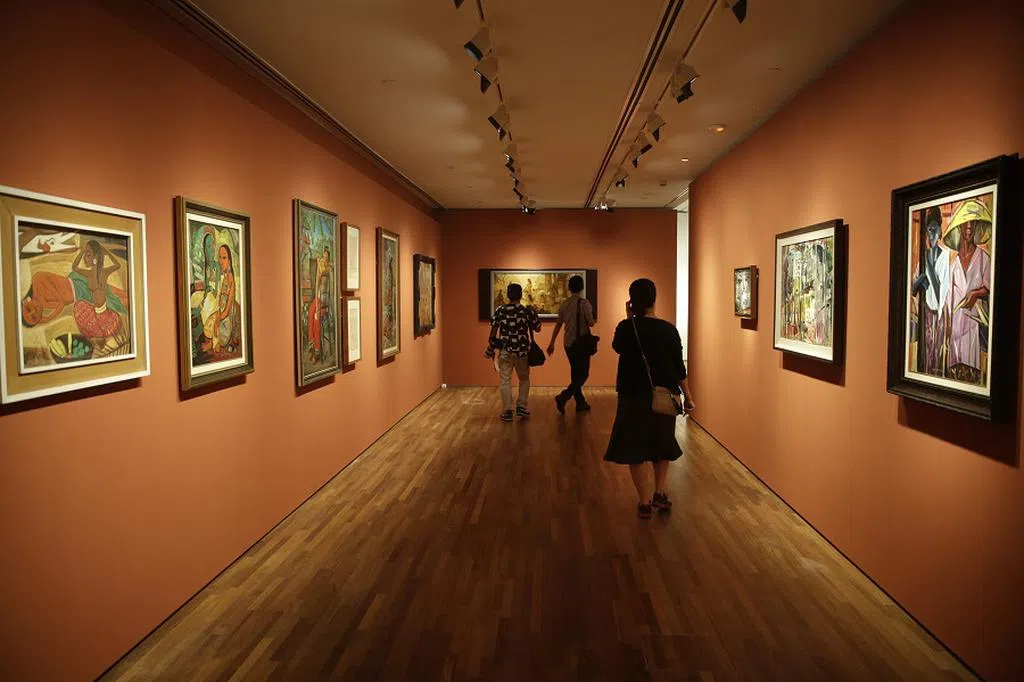
Who are the Nanyang women artists?
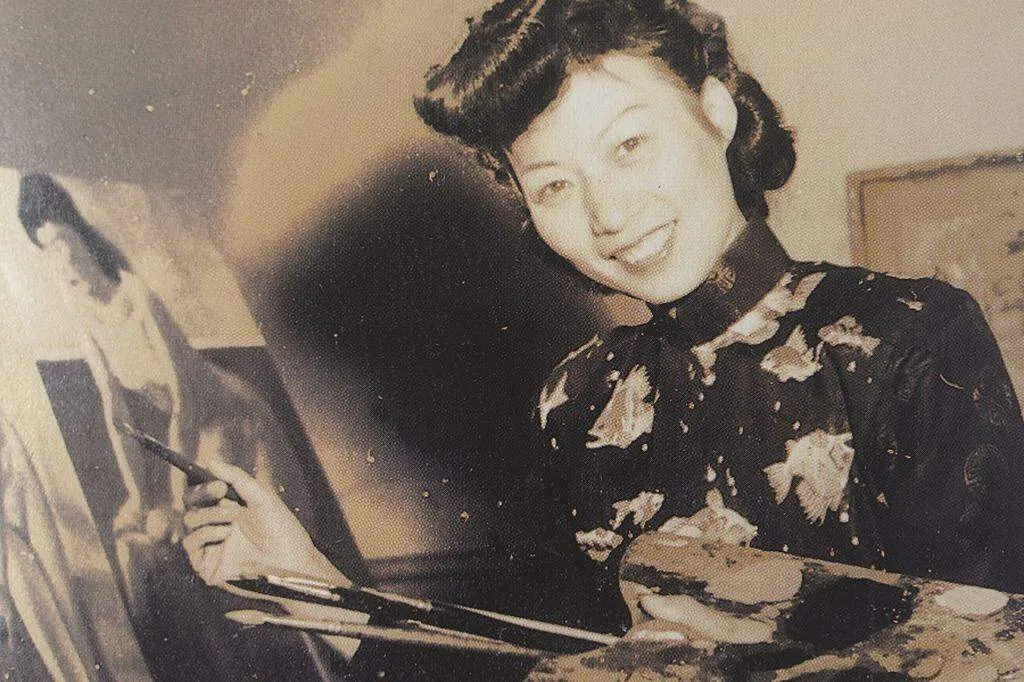
Even those familiar with Nanyang artists may be hard-pressed to name other women artists aside from Georgette Chen. Actually, Sun Yee was a renowned artist in her own right, and in Singapore where she eventually settled down, she spent close to three decades heading an art academy. Low Sze Wee, CEO of the Singapore Chinese Cultural Centre, tells us more.
Low Sze Wee
26 May 2023
Culture
This is what Nanyang art looks like
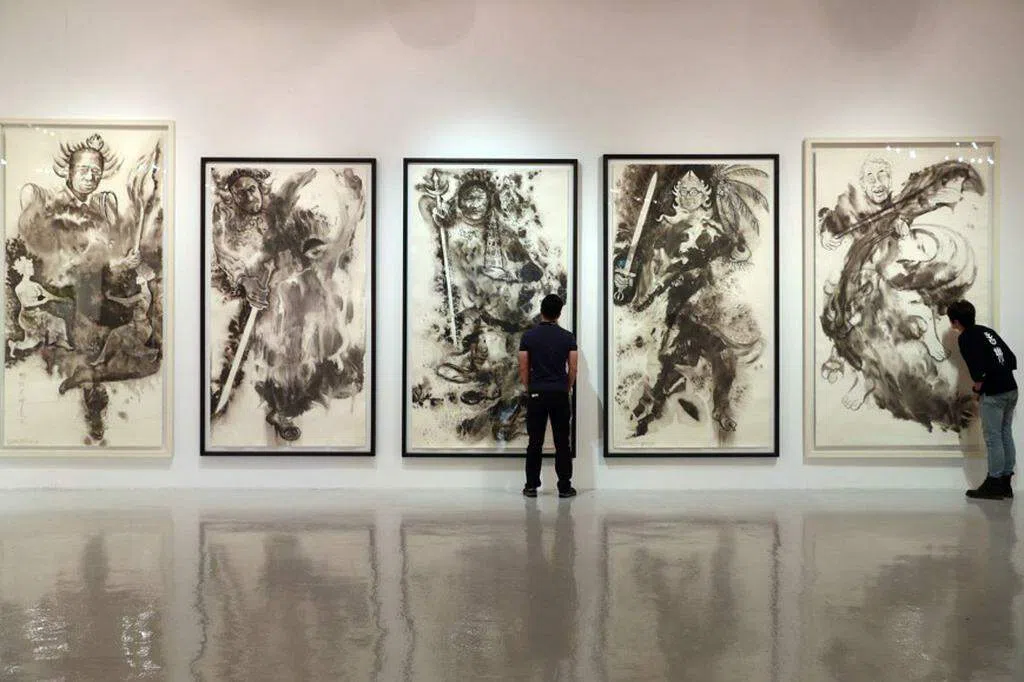
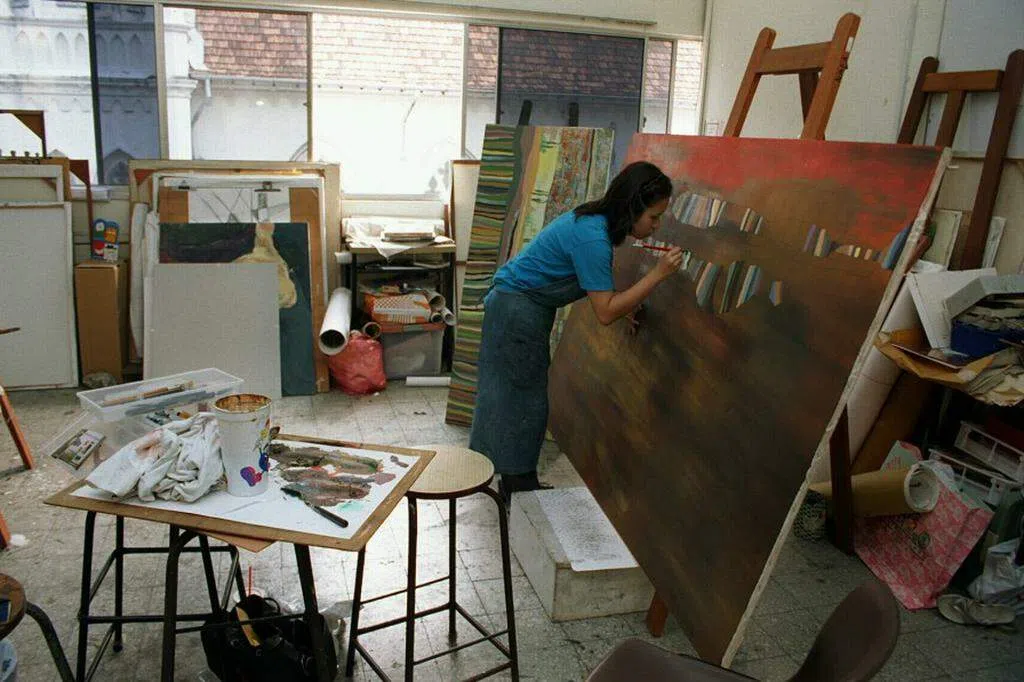
Following up on his article tracing the origins of Nanyang art and its influence in Southeast Asia, Singapore Chinese Cultural Centre CEO Low Sze Wee explains the characteristics of Nanyang art, highlighting the unique integration of Chinese and Western art in their compositions.
Low Sze Wee
20 Jan 2023
Culture
Copying is a virtue in Chinese ink painting
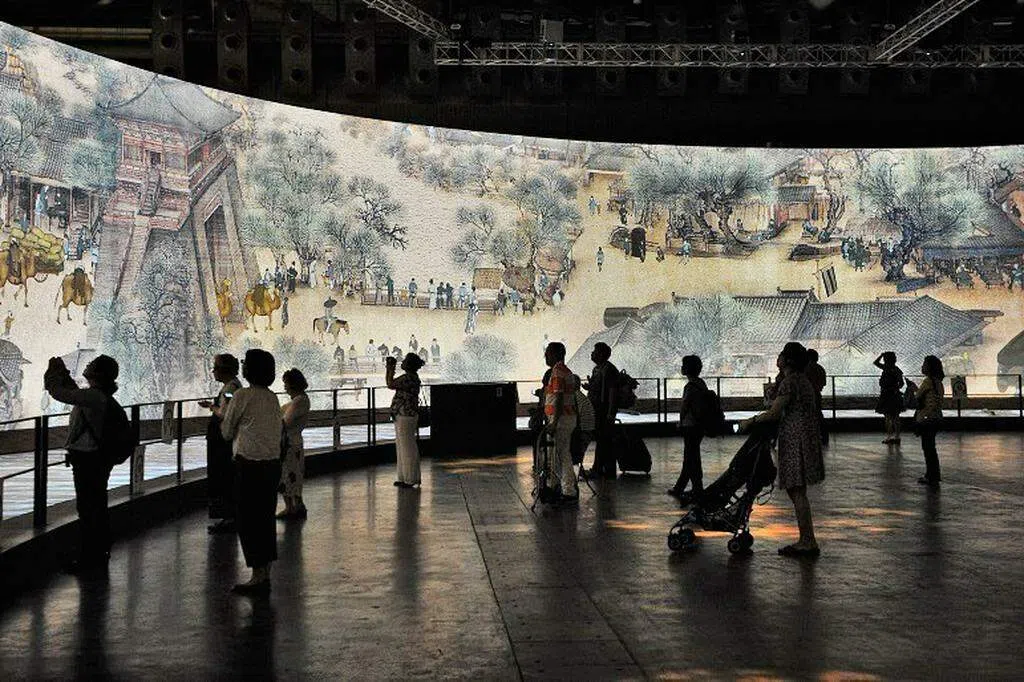
Temporary orders to halt the KAWS public art installation exhibition led Singapore Chinese Cultural Centre CEO Low Sze Wee to ponder the copyright issues of Chinese ink paintings. He notes that many of Singapore's first-generation artists like Chen Wen Hsi and Fan Chang Tien were educated in Shanghai in the 1920s and were deeply influenced by the Shanghai School. Copying was a common mode of learning, and students like Henri Chen Kezhan and Chua Ek Kay did their best to copy the works of their teachers. While they eventually developed their own styles over time, Low says it could be argued that their achievements were made possible by their formative years spent on copying.
Low Sze Wee
26 Nov 2021
Culture
Trees in a forest: Becoming Chinese Singaporean in multicultural Singapore
A metaphor used by playwright Kuo Pao Kun and recently mentioned by Finance Minister Lawrence Wong says that different cultural communities are trees in the forest, each separated at the trunk, but nourished by the same soil and cross-pollinating high in the sky at the leaves and branches. Low Sze Wee, CEO of the Singapore Chinese Cultural Centre, extends the metaphor, noting that Chinese Singaporeans have developed distinct cultural identities from Chinese elsewhere. Their way of life is a combination of what they brought with them, their interactions with others, and the policies they live under with their fellow citizens.
Low Sze Wee
09 Jul 2021