
Melinda Martinus
Lead Researcher (Socio-cultural), ASEAN Studies Centre, ISEAS–Yusof Ishak InstituteArticles by Melinda Martinus
Politics
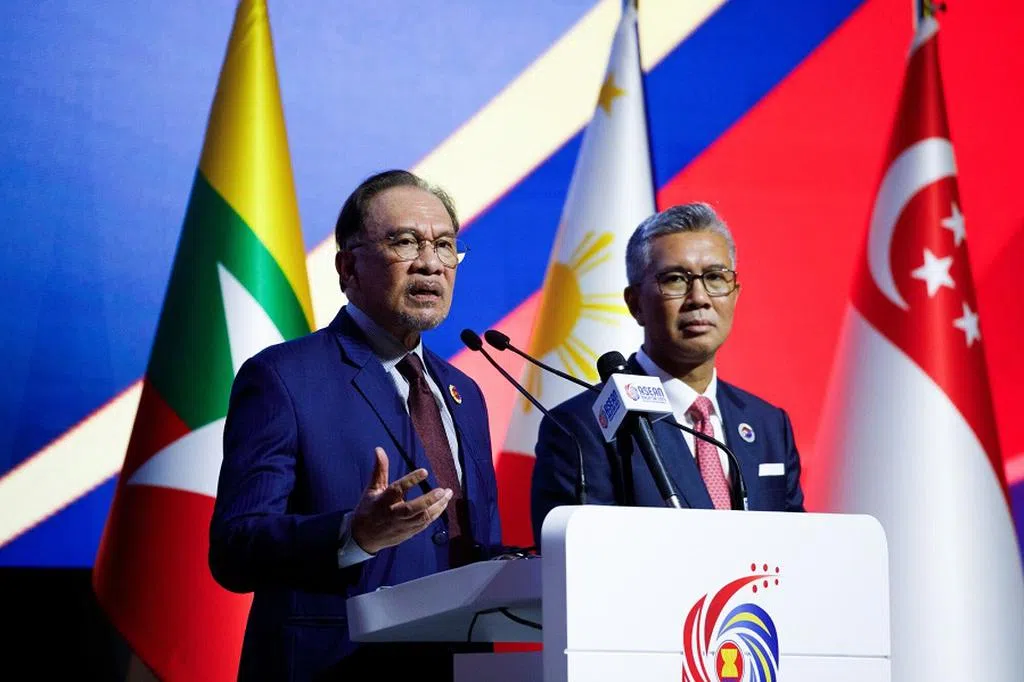
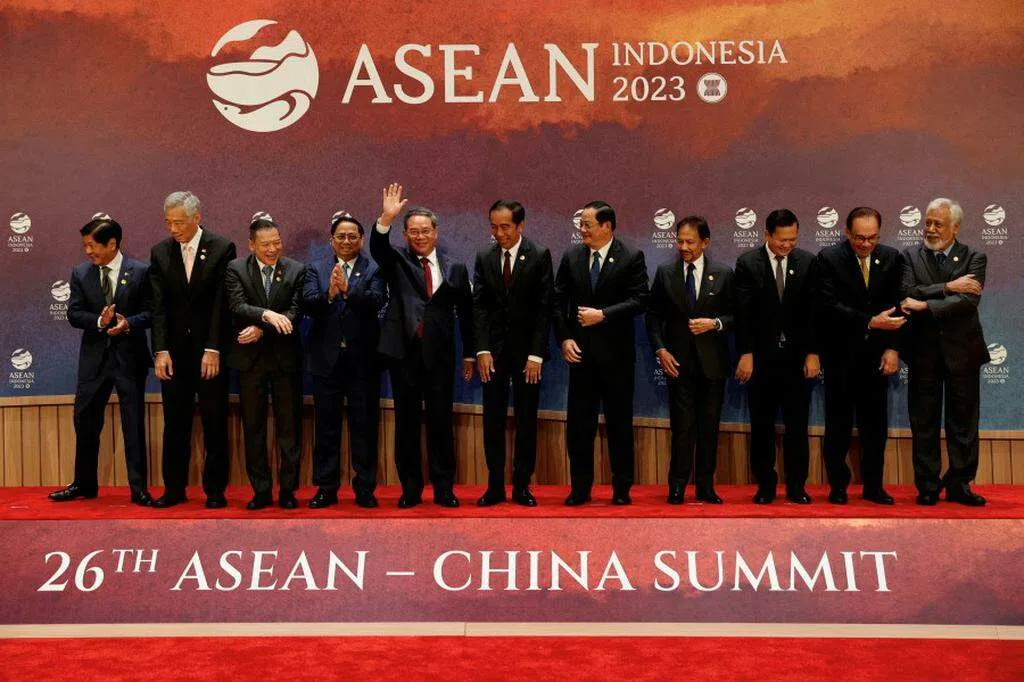
Elites vs citizens: How Singapore and Indonesia are divided on China
Surveys show that the elite's opinion toward China diverges with those of citizens in Singapore and Indonesia. Elites tend to weigh long-term geopolitical strategies and have more access to information, but increased citizen engagement will enhance foreign policy.
Melinda Martinus
07 Sep 2023
Economy
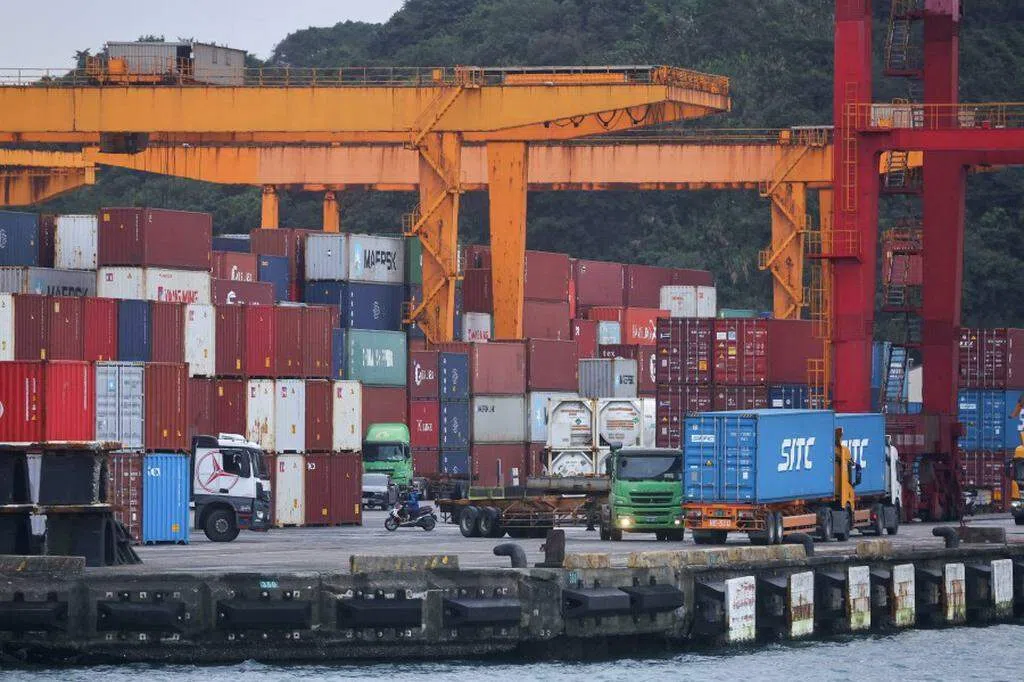
ASEAN and Taiwan: Cooperation opportunities amid diplomatic constraints
While there are risks involved in pursuing deeper cooperation with Taiwan beyond trade and economics, ASEAN should not shy away from exploring possibilities even while abiding by the "one China" policy. This is where greater trade cooperation and city-to-city linkages could come in.
Melinda Martinus
15 Sep 2022
Politics
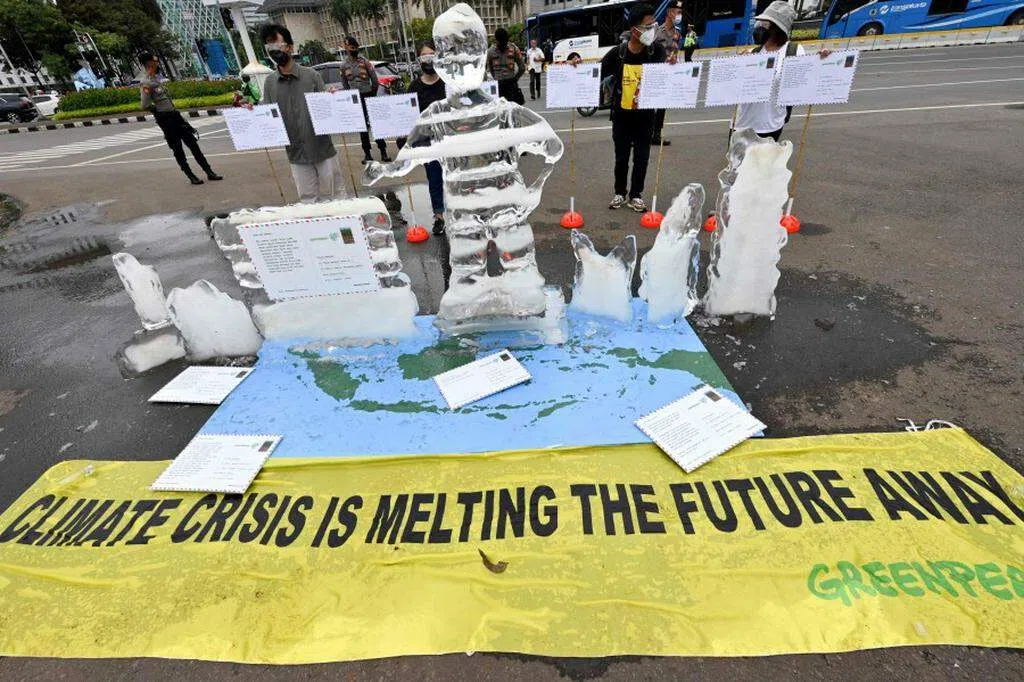
US and China not perceived as climate change leaders in Southeast Asia
Although geopolitics is encroaching onto climate change discussions, a poll shows that Southeast Asians remain objective and pragmatic. Achieving climate goals in the region depends on realpolitik and ASEAN leaders' shrewdness in tapping resources from all major powers.
Melinda Martinus, Sharon Seah
18 Nov 2021
Politics
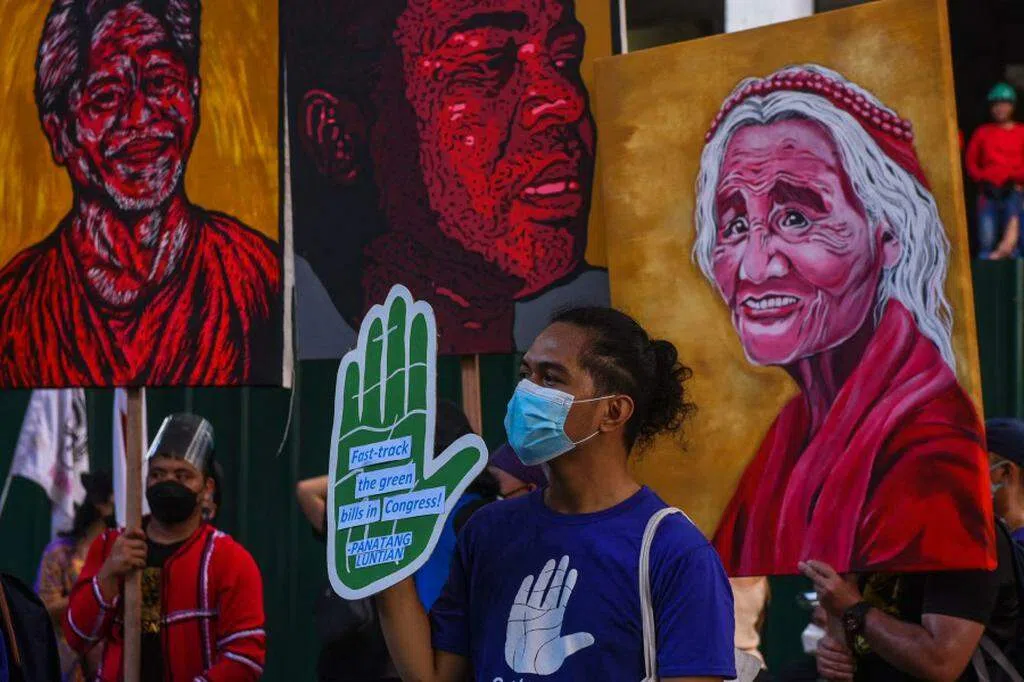
China and US could work on building clean and green BRI and Build Back Better World (B3W)
The 26th Conference of Parties in Glasgow (COP26) concluded with several high-level political pledges delivered, but it is another matter if they will be followed through. For the Southeast Asian region, Indonesian commitments to the phase down of fossil fuel subsidies and the global goal to end deforestation by 2030 will be critical. The broken promise of climate finance may also affect several Southeast Asian countries' ability to see through their pledges. China's climate leadership on the phasing out of coal has taken a hit but amid the gloom, there are some bright spots, not least China and the US finally finding some common ground.
Sharon Seah, Melinda Martinus
18 Nov 2021
Technology
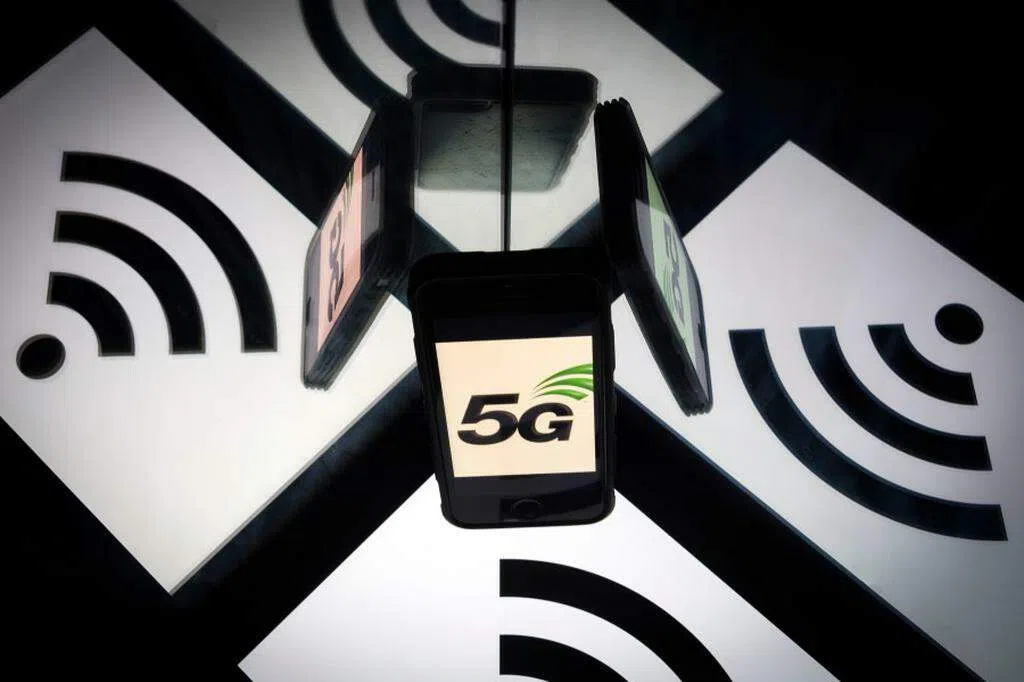
Southeast Asia a contested venue for telecommunication superpowers building 5G networks
Many Southeast Asian telecommunication providers have rolled out their 5G masterplans and selected vendors this year, with Covid-19 prompting the need to accelerate the upgrading of digital infrastructure. However, while most Southeast Asian countries welcome collaboration with Chinese telecommunication vendors including Huawei, some telecommunication providers in Singapore, Malaysia, and the Philippines have recently moved away from partnering with Chinese companies. ISEAS academic Melinda Martinus finds out SEA's preferred vendors for developing 5G networks, and the reasons behind these shifts in preferences. Are Chinese companies still well-positioned to seize the opportunities in this arena?
Melinda Martinus
19 Nov 2020