Poo Mu-chou
Professor, Chinese University of Hong KongArticles by Poo Mu-Chou
Culture
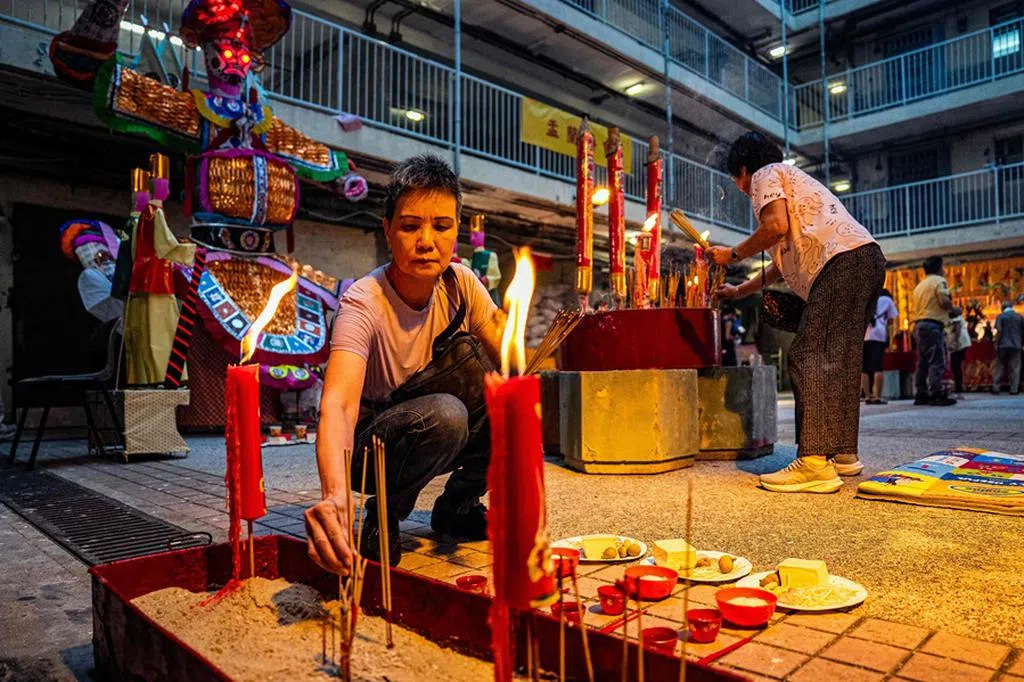
Offerings for the hungry ghosts: From ancient rituals to instant noodles
Chinese food offerings evolved from ancient sacrifices of cattle and sheep to everyday snacks like boba tea and potato chips. Rooted in practicality rather than taste, these rituals blend purity for spirits with what people can afford, reflecting the essence of Chinese popular religion. History professor Poo Mu-chou shares his research and thoughts.
Poo Mu-chou
05 Sep 2025
Culture
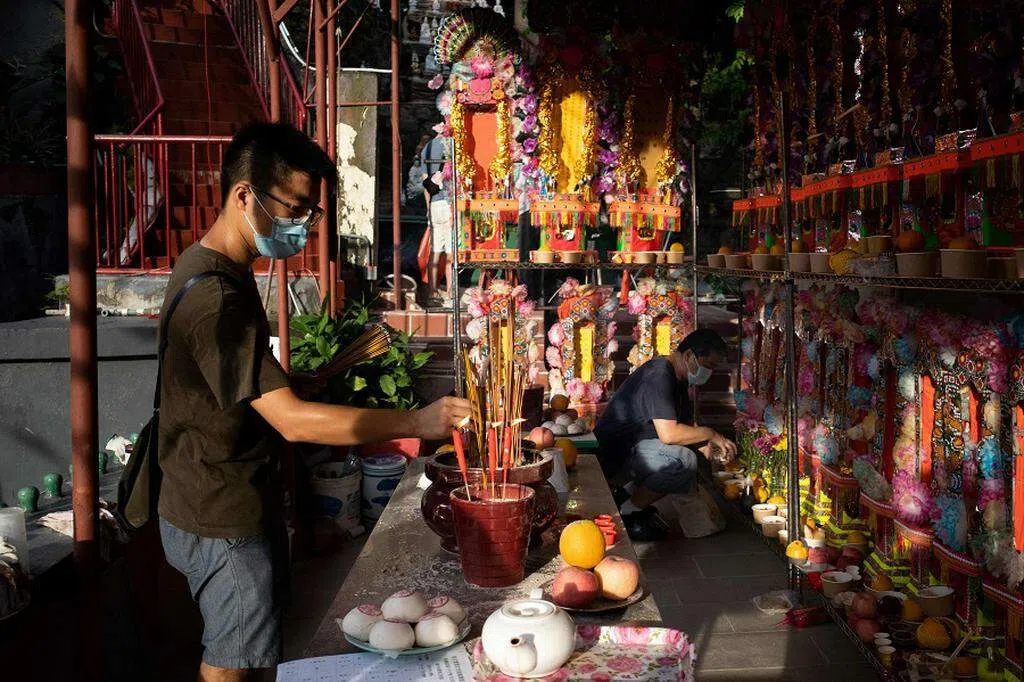
Questions concerning mortality in early China [3 of 3]: The netherworld and the state machine
What did the ancient Chinese think of the netherworld? Why did they take it for granted that there was an afterlife? In this three-part series, academic Poo Mu-chou takes a closer look at the myths and beliefs of death and after-death in Chinese culture. In this third article of the series, he teases out the difference in Chinese notions of happiness compared to other cultures. Rather than a moral code, bureaucracy and social mores have ruled people's lives. Thus, the living leave practical objects in tombs for the deceased's sustenance in the Underground, and magic spells to ward off harm against their living kin. In death, one is finally freed from the shackles of life.
Poo Mu-chou
05 Nov 2021
Culture
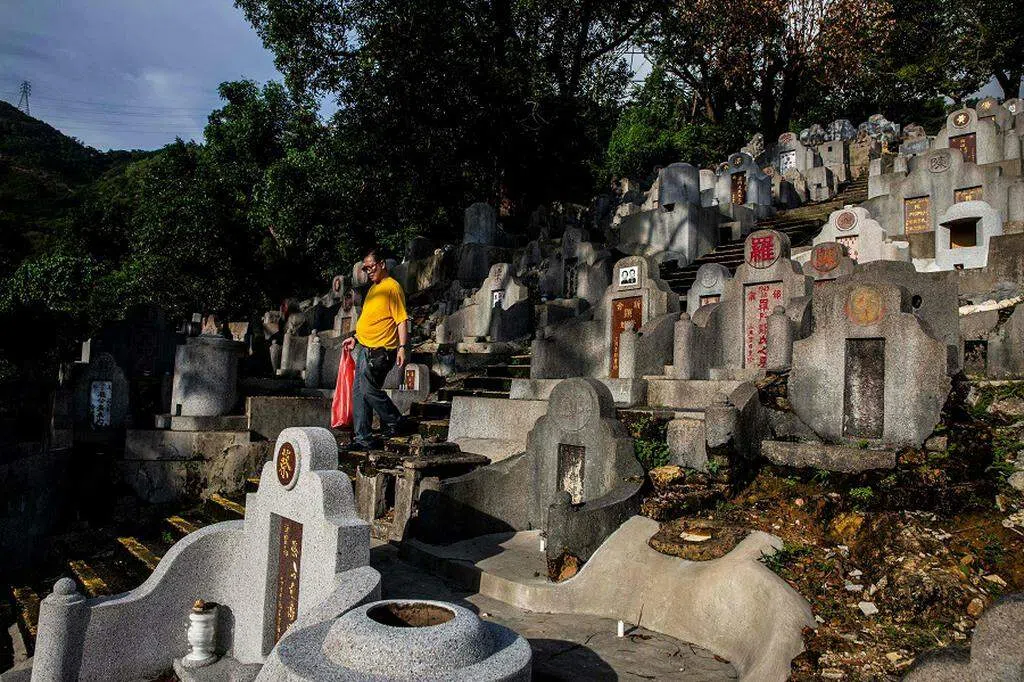
Questions concerning mortality in early China [2 of 3]: The netherworld is closer to us than you might think
What did the ancient Chinese think of the netherworld? Why did they take it for granted that there was an afterlife? In this three-part series, academic Poo Mu-chou takes a closer look at the myths and beliefs of death and after-death in Chinese culture. In this second article of the series, he describes how the ancients prepared the tombs of the deceased: the lavish chambers and paraphernalia thrown in suggest they wanted the dead to be comfortable in their afterlives. Or maybe it was for the living to assure themselves that unfulfilled aspirations in life could be achieved in death?
Poo Mu-chou
29 Oct 2021
Culture
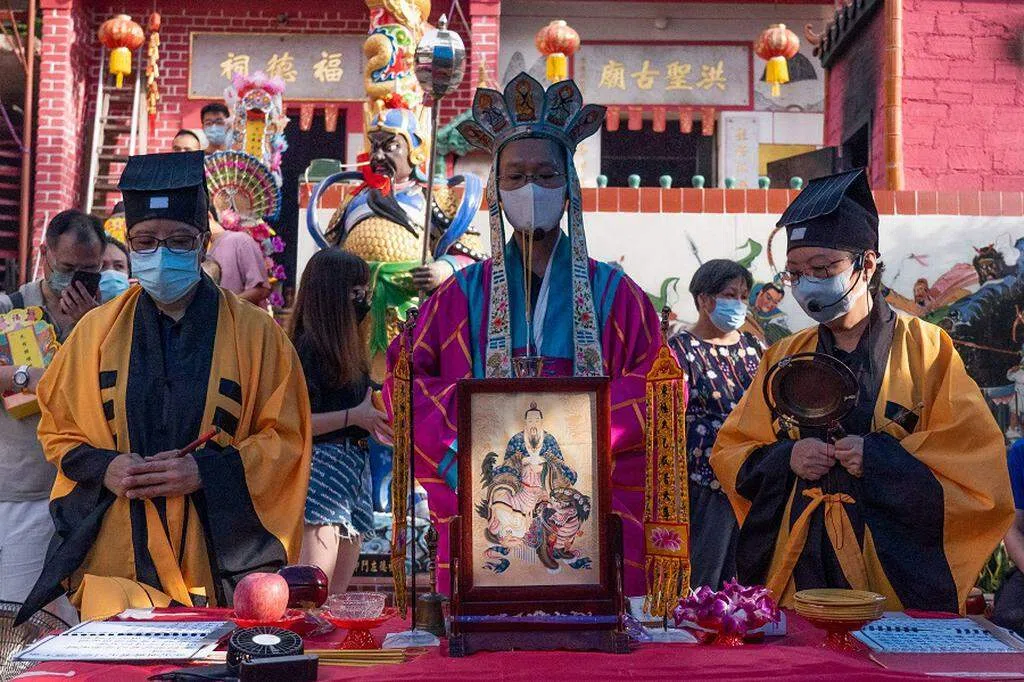
Questions concerning mortality in early China [1 of 3]: The idea of the netherworld
What did the ancient Chinese think of the netherworld? Why did they take it for granted that there was an afterlife? In this three-part series, academic Poo Mu-chou takes a closer look at the myths and beliefs of death and after-death in Chinese culture. First, he explores the traditional conception of the netherworld. Was it a physical place, shaped in the earthly world's image and likeness?
Poo Mu-chou
22 Oct 2021
History
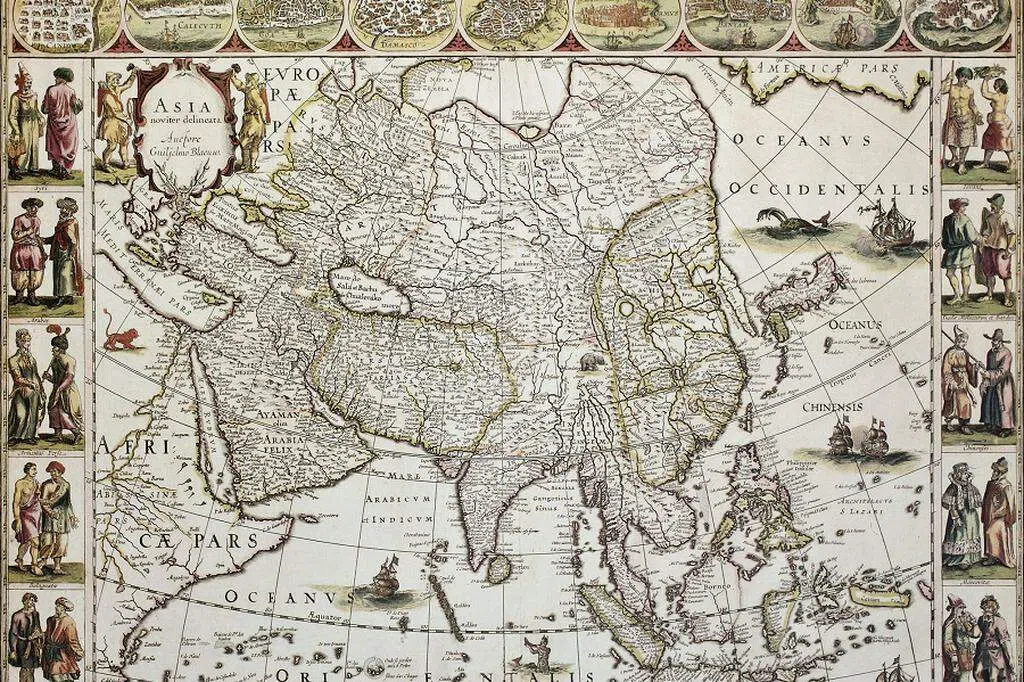
Us and them: Lessons from ancient China about demonising 'enemies'
The Covid-19 pandemic has highlighted the notion of ethnic groups and accentuated the distinction between "us" and "them". What was it like in ancient China? How did the Chinese people look at the world around them and were the "outsiders" friends or enemies? While admitting that human society does not always act in its best interest, historian Prof Poo reminds us to differentiate between rhetoric and reality, to value good neighbourliness, and to be aware that groups are vulnerable to political manipulation.
Poo Mu-chou
08 Apr 2020
Culture
The Chinese ghost stories we tell ourselves
The word "ghost" (gui) is commonly found in the Chinese lexicon. Professor Poo Mu-chou draws links between history, culture and one's personal experience to interpret the way humans conjure ghosts up in their own image and likeness in a bid to understand the inexplicable.
Poo Mu-chou
04 Dec 2019