Economic Power
Economy
Can China’s slowing economy sustain its tech ambitions?
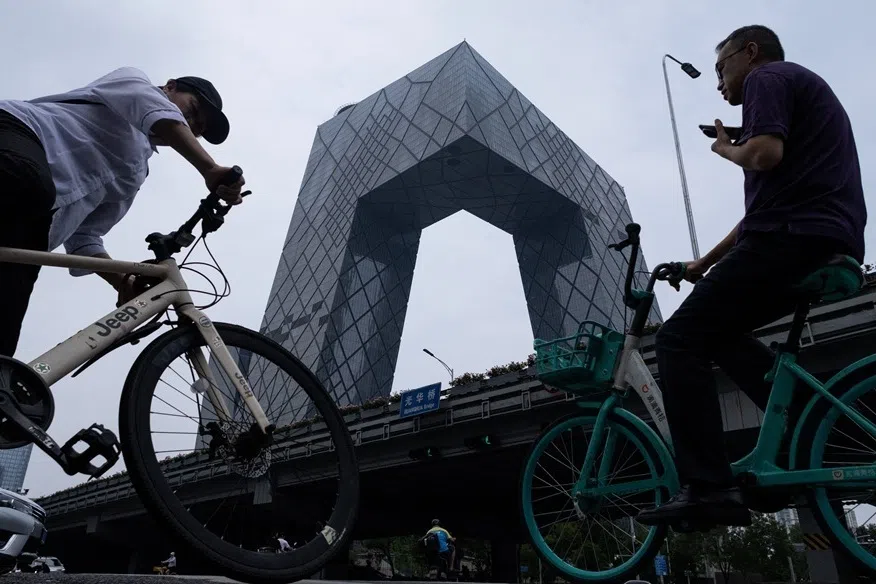
China sees technological self-reliance as the key to future growth. But with a slowing economy, can Beijing sustain the investment needed to achieve its high-tech ambitions over the long term? Economist Min-Hua Chiang examines the issue.
Min-Hua Chiang
31 Jul 2026
Technology
China’s real space race is not against SpaceX
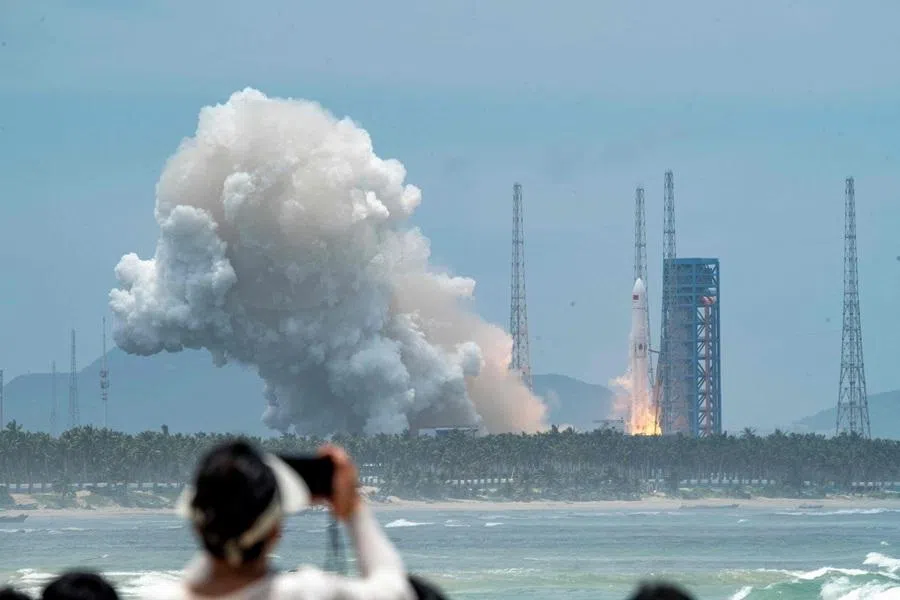
China’s recovery of a Long March 10B orbital-class rocket booster shows it is starting to achieve reusability. Once it can launch satellites at lower cost and replicate it, it can control the orbital economy, observes technopreneur Akhmad Hanan.
Akhmad Hanan
22 Jul 2026

Economy
Is China shaping Indonesia’s emerging Rebana Metropolitan Area?
While much attention has focused on Nusantara, Indonesia’s new capital, Rebana Metropolitan Area in West Java province presents a lesser-known economic opportunity that China has seized. Researcher Michael Hutahaean and academic Chen Xiangming explain.
Michael Hutahaean, Chen Xiangming
16 Jul 2026


Economy
What SpaceX’s IPO means for China
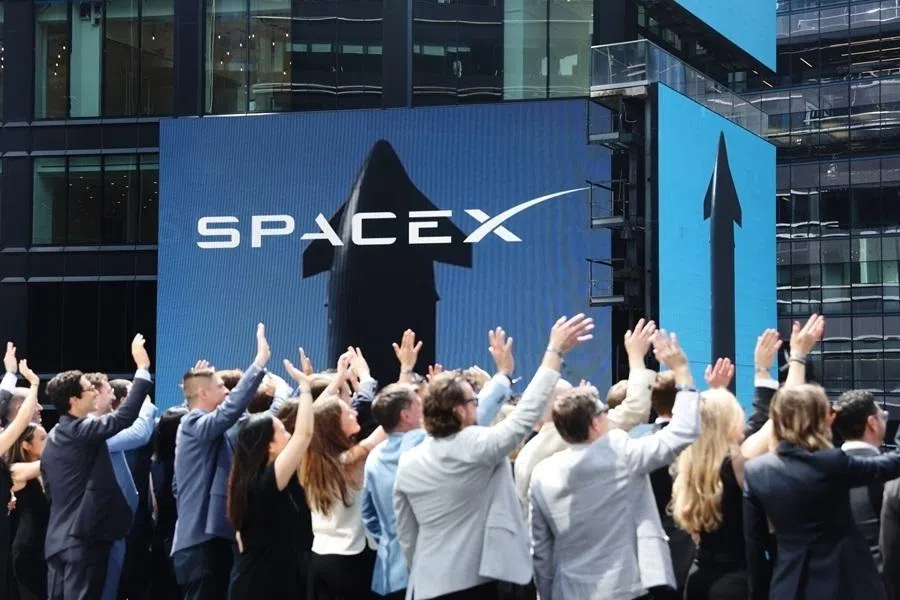
While the SpaceX IPO may spur greater Chinese investment in AI-related high technology, it could also lead to side effects like speculative bubbles. Meanwhile, with national security politics overriding commercial pragmatism, China may increasingly be at a disadvantage. EAI senior research fellow Bo Chen analyses the situation.
Bo Chen
15 Jun 2026
Politics
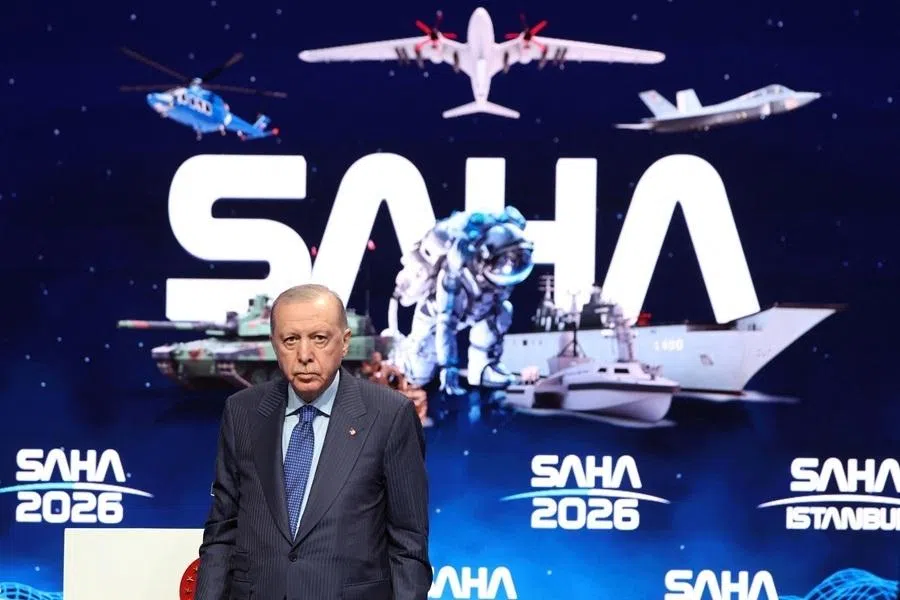
The Middle Corridor: Where Turkey’s rise meets China’s ambitions
At a time of geopolitical uncertainty when Central Asian countries are hedging their bets and China’s Belt and Road Initiative itself is evolving, Turkey is rising as a power that can cultivate deeper relations with Central Asia and dominate Eurasian transit flows through the Middle Corridor. Academic Alessandro Arduino looks at the issue.
Alessandro Arduino
09 Jun 2026
Society
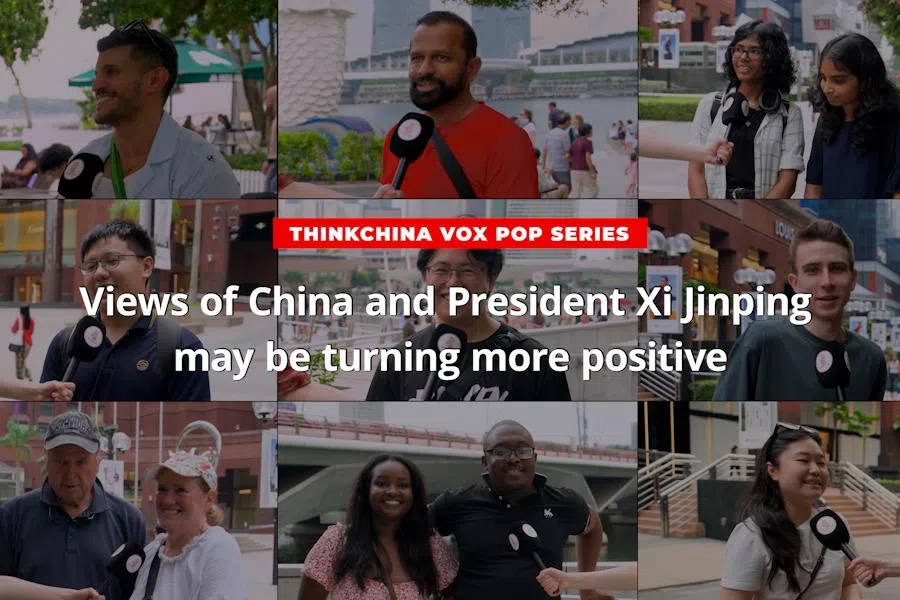
[Vox pop] Views of China and President Xi Jinping may be turning more positive
Based on soundings from our street interviews with people from different countries, perceptions of China seem rather positive, not only in terms of China’s economic power and high-tech manufacturing leap, but its leadership. ThinkChina’s Yi Jina speaks to the public to understand how views on China, its leadership and its global role are evolving — and what reservations remain.
Yi Jina
05 Jun 2026
Economy
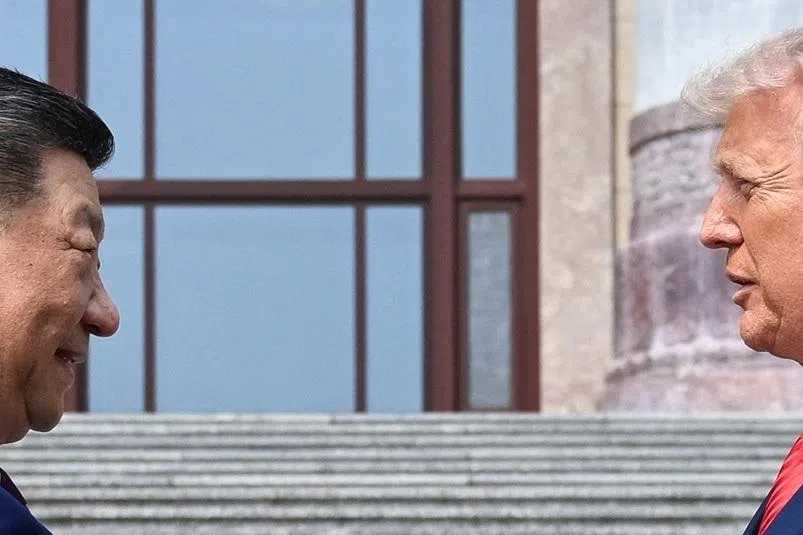
Can US-China economic ties regain stability despite rivalry?
The US-China summit underscored efforts to stabilise strained economic ties. Despite rivalry, both sides are exploring ways to reduce uncertainty across trade, investment and strategic sectors. EAI senior research fellow Bo Chen gives his take on what he calls a managed relationship.
Bo Chen
21 May 2026
Politics
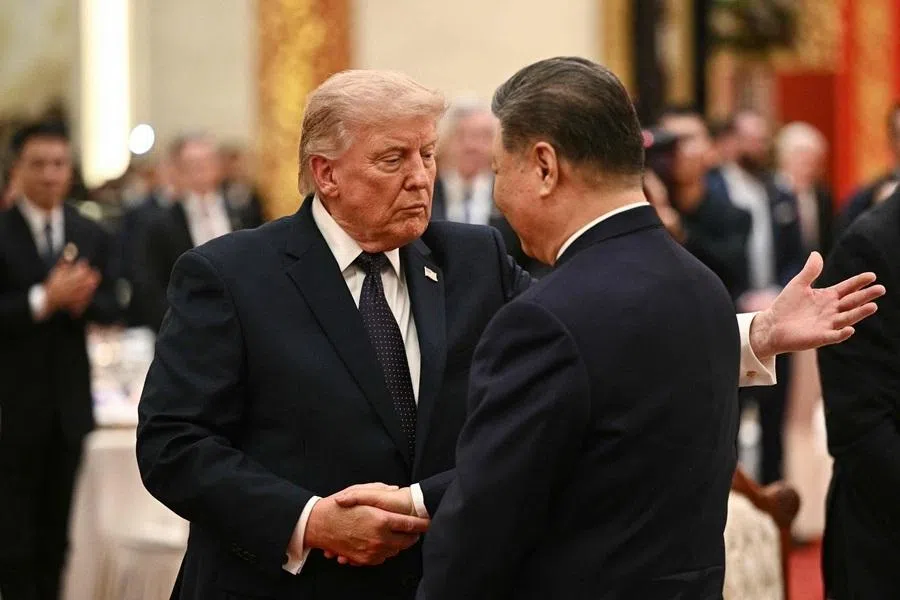
Trump in Beijing: Why even limited success is remarkable
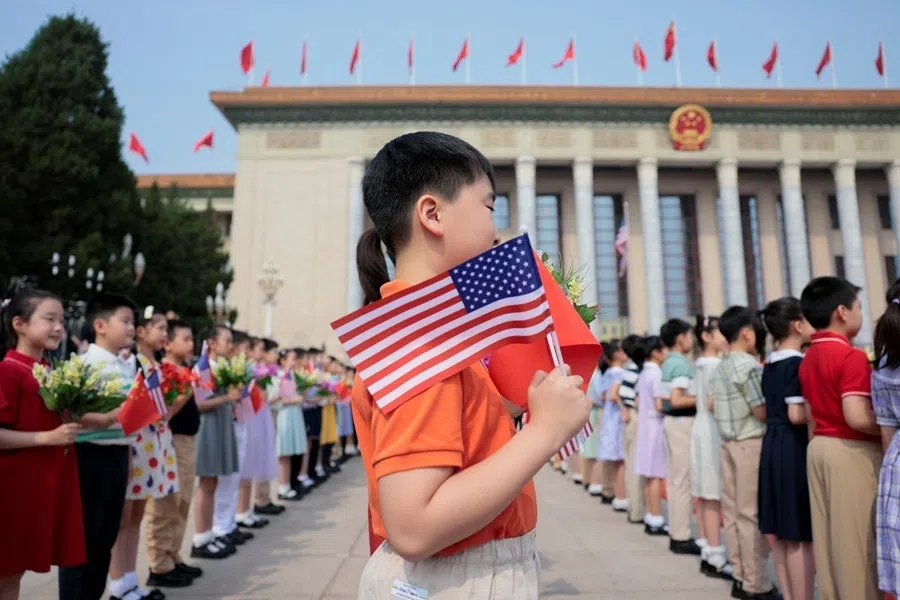
Pomp and pageantry aside, the US-China summit focused on business and trade deliverables, with upbeat atmospherics masking deeper tensions. US academic Zhiqun Zhu explains why even limited progress is notable in a relationship defined by rivalry, mistrust and deep structural tensions.
Zhiqun Zhu
15 May 2026