Luxury
Economy
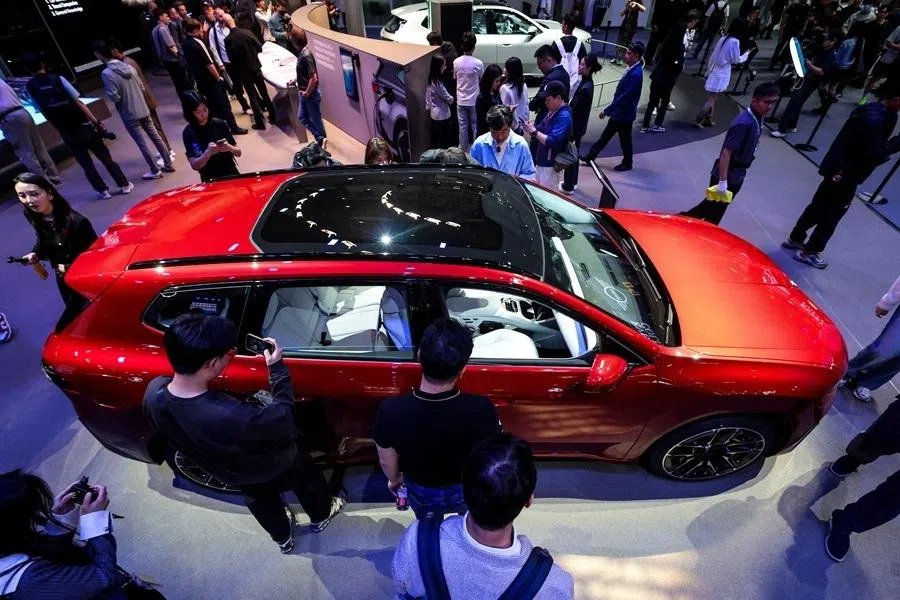
How Mercedes, BMW and Audi hope to win back China
China’s EV boom has disrupted Mercedes, BMW and Audi’s dominance in China, forcing them into a radical reset. As Chinese rivals accelerate, will the German trio abandon decades of engineering tradition to match the speed of China’s auto market?
Caixin Global
17 Jul 2026
Society
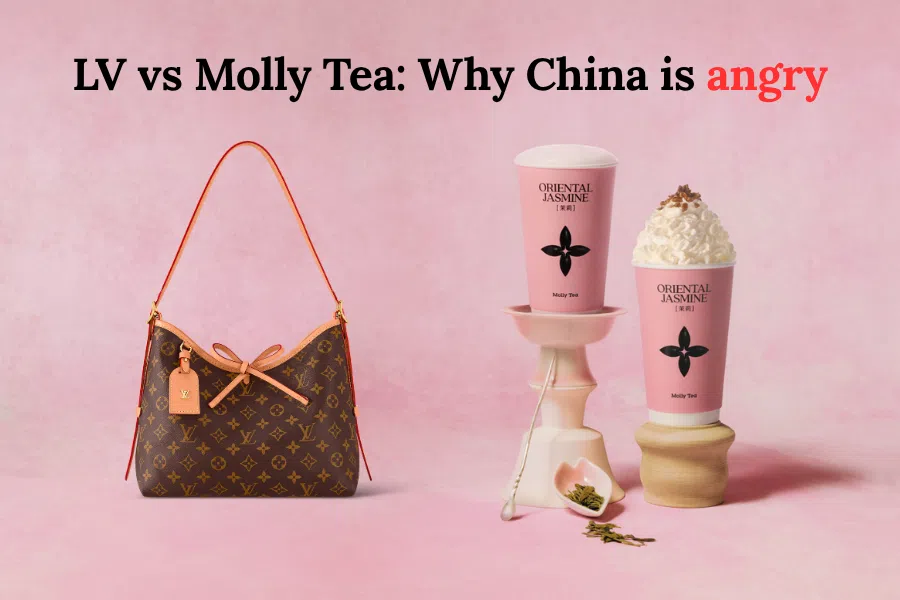
[Video] ‘Bullying our ancestors’: Why Chinese netizens are boycotting LV
A seemingly ordinary trademark dispute between Louis Vuitton and Chinese milk tea chain Molly Tea has escalated into a wider debate over intellectual property and cultural ownership. As backlash builds, with many even calling for LV’s trademark to be revoked, the case has become a broader reckoning on how cultural motifs should be protected in a modern commercial world.
Yi Jina
14 Jul 2026
Economy
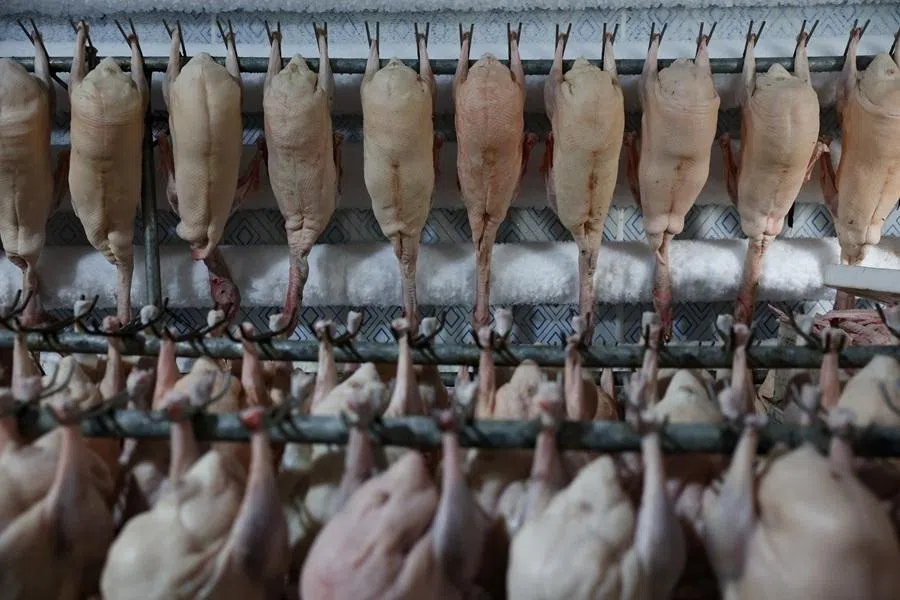
From caviar to foie gras: China’s next export shock
From caviar to foie gras, Chinese producers are entering markets long tied to European prestige. As these brands expand overseas, Lianhe Zaobao China news editor Yang Danxu explores what their success reveals about China’s growing influence in global markets.
Yang Danxu
30 Jun 2026
Society
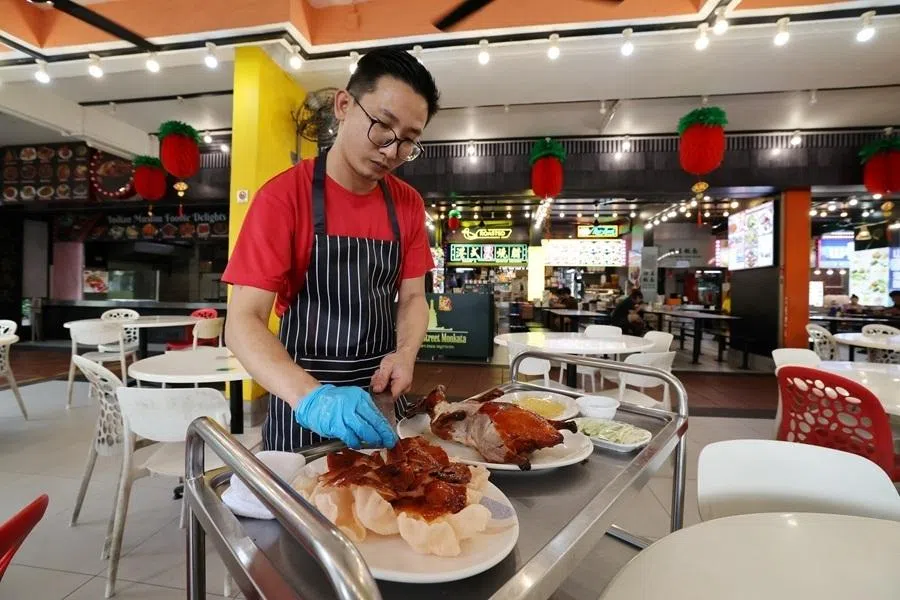
How Peking duck went from imperial Beijing to Singapore’s kopitiams
Once a delicacy savoured at imperial banquets, Peking duck has shed its exclusivity and reinvented itself for the masses — evolving in style, price and ritual as it finds an unexpected new home in the heartlands. Lianhe Zaobao lifestyle correspondent Tang Ai Wei finds out more.
Tang Ai Wei
15 May 2026

Economy
How caviar became China’s most unexpected success story
China’s culinary tradition prized technique over luxury ingredients. Now, rising affluence and innovation are changing that — turning caviar and other premium foods into symbols of status and engines of growth. Economist Li Jingkui looks at how high-end ingredients can play a part in boosting the economy.
Li Jingkui
29 Apr 2026
Society
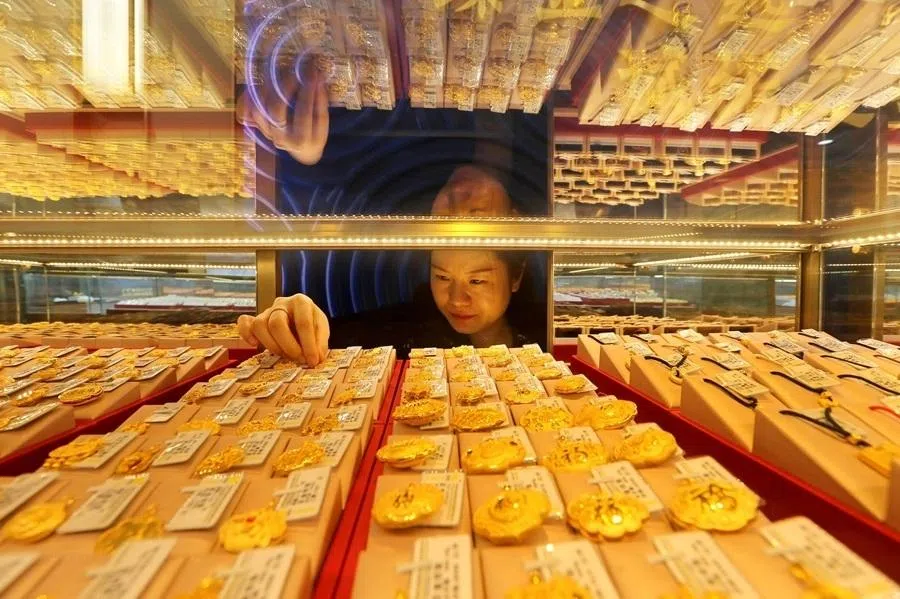
[Big read] Not just money: Gold carries the weight of memories
Amid global uncertainty, rising inflation and weak consumer confidence, gold has once again come into favour as a safe-haven asset, echoing its role in times of war. Yet while its value can be measured in markets, the true weight of gold is not purely numerical. Beyond price and purity, it carries memories, meanings and emotional significance — as ThinkChina’s Grace Chong discovered in conversations with gold jewellers in Singapore and China, across generations.
Grace Chong
20 Mar 2026

Society
Why China’s fashion boom is still searching for its heart
Runways are thriving, investors are watching — but many in China’s fashion world say what’s missing is something money can’t buy: authenticity, patience and soul. Lianhe Zaobao correspondent Li Kang speaks to industry players to find out more.
Li Kang
12 Nov 2025
Economy
How scammers are tarnishing Singapore’s incorruptible image
Singapore’s spotless reputation as a disciplined financial hub faces a reckoning as luxury property, philanthropy, and family offices become tools for global scam syndicates — testing how incorruptible the city-state truly is, says former journalist Goh Choon Kang.
Goh Choon Kang
11 Nov 2025

Economy
Luxury brands close shops across China as domestic demand drops
Once a booming market for high-end fashion, China’s middle class is eschewing luxury goods from designer labels like Louis Vuitton and Chanel, amid economic difficulties such as mass layoffs. Lianhe Zaobao Shanghai correspondent Li Kang tells us more about how these luxury brands are grappling with the downturn.
Li Kang
05 Jun 2025
Economy
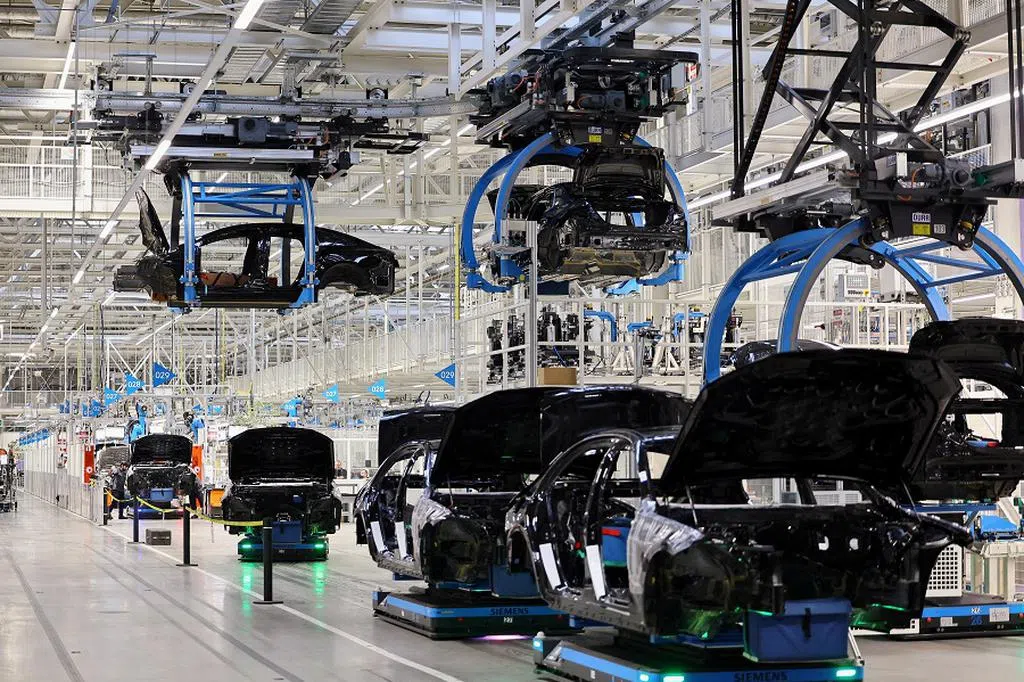
Why BMW, Audi and Mercedes are losing their shine in China
While BMW, Mercedes and Audi have long owned the luxury car market in China, they have not been able to boost sales this year despite reducing prices. Why are these brands no longer carrying as much weight as they used to in the country?
Caixin Global
29 Nov 2024
Economy
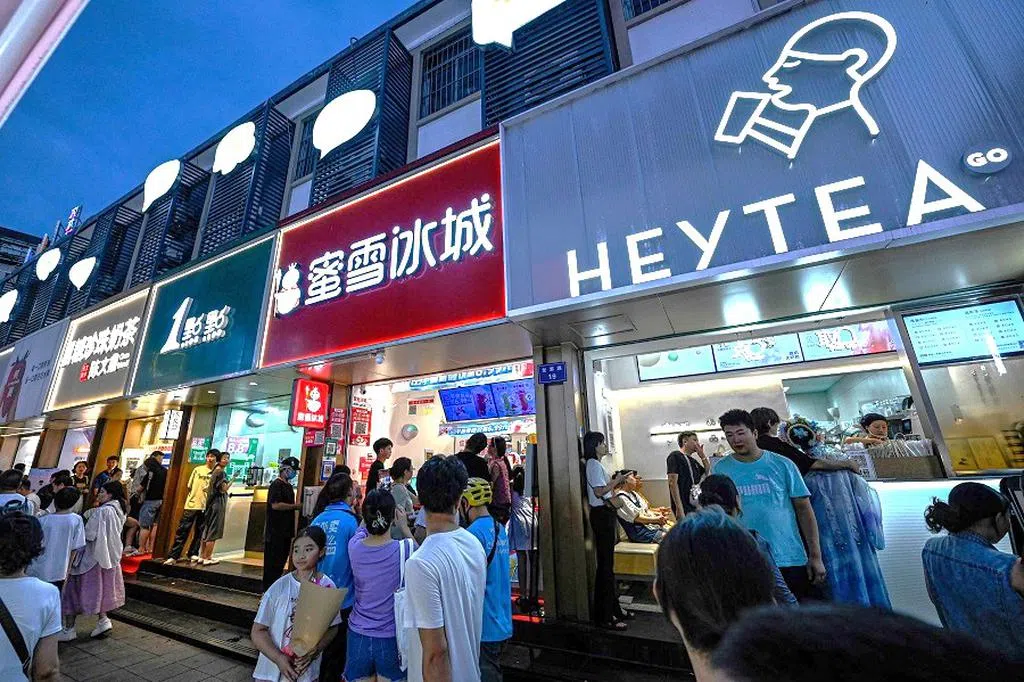
How consumption is rebounding in China’s second- and third-tier cities
Lianhe Zaobao journalist Li Kang notes that there is an increase in spending in non-first-tier cities in China, in contrast to people tightening their belts in first-tier cities such as Shanghai. How long will this last, and can the domestic market prop up China’s economy?
Li Kang
09 Sep 2024