Ming Dynasty
History
Jonathan Spence: A Western historian's search for modern China
Professor Jonathan Spence (1936-2021) was a prolific historian who deepened Western readers' understanding of China's history and culture through his artful mastery of narrative history grounded in rigorous research. From the inner world of Emperor Kangxi to Jesuit missionaries' voyage to China, to the plight of Chinese intellectuals and literati and the arduous mission of reform and opening up, Spence's unique writing style brought to life the complex historical figures and events of China. Cultural historian Cheng Pei-kai, one of his earliest students, and translation academic Jackie Yan pay tribute to Spence and his contribution to the study of Chinese history through this preface to a collection of Spence's translated works published by the Guangxi Normal University Press.
Cheng Pei-kai, Jackie Yan
04 Mar 2022
Culture
A Chinese deity and a ham jelly with a 300-year-old history
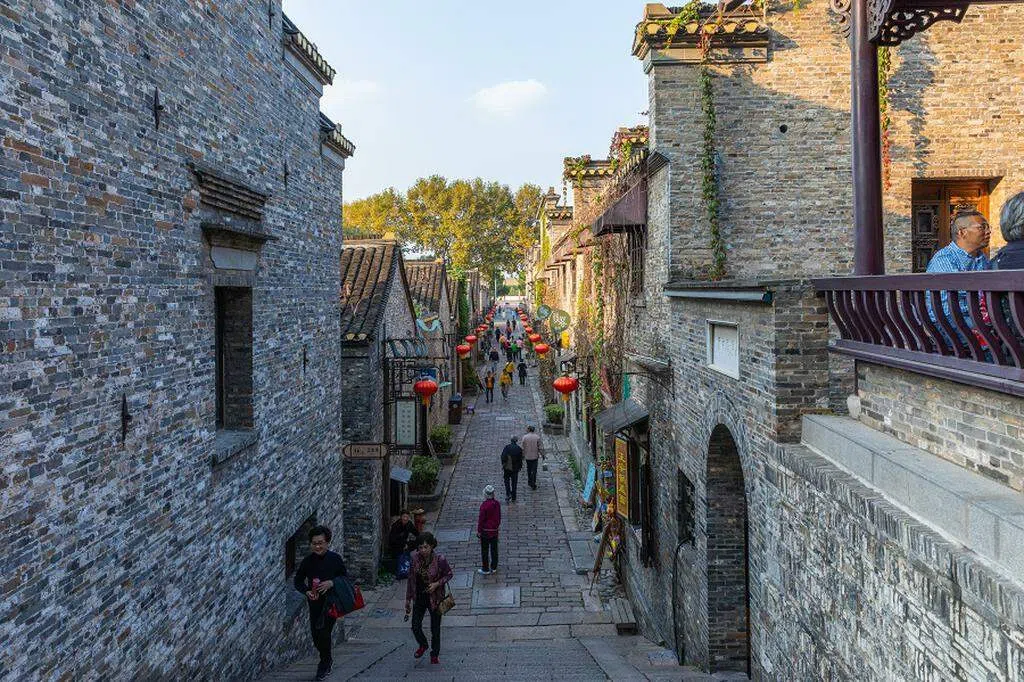
With each bite of Zhenjiang ham jelly, a traditional dish of Jiangsu province, Cheng Pei-kai remembers local folklores and heroes. There was Zhang Guolao, an immortal who dared to try meat accidentally cured with saltpeter, and also national hero Shi Kefa, who defended Yangzhou with his last breath. What would they have thought of today's tourists, nonchalantly trying a slice of ham jelly or two?
Cheng Pei-kai
11 Jun 2021
History
Why were Chinese imperial families prone to fratricides and tragedies?
Throughout Chinese history, imperial families were some of the fiercest battlegrounds. Emperors stopped at nothing to hold on to power. At the instigation of wily courtiers, they might even have executed their kin without batting an eyelid. Li Jingkui says economically speaking, this has to do with the logic of contract theory - there was no neutral arbiter in leadership transitions. Without a third party to oversee the proceedings, family members were often subjected to the tyranny of the "lion king". But under those circumstances, could anyone else other than the emperor have held court?
Caixin Global, Li Jingkui
14 May 2021
Culture
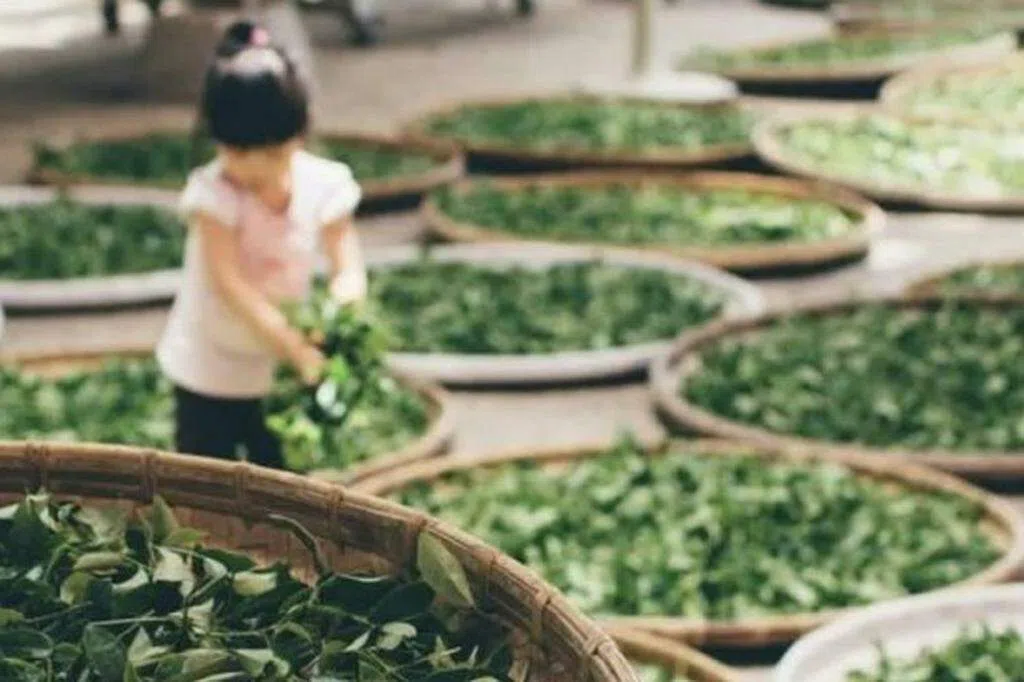
Popular in the Ming and Qing dynasties, will Songluo tea make a comeback?
Songluo tea had once found ardent fans in the literati of the late Ming and early Qing dynasties. The emphasis on kneading the tea leaves into tiny balls after roasting is the secret to Songluo tea's rich aroma and highly refreshing taste. Will modern audiences perhaps more familiar with Longjing or pu-erh appreciate this tea's restrained elegance once more?
Cheng Pei-kai
23 Apr 2021
History
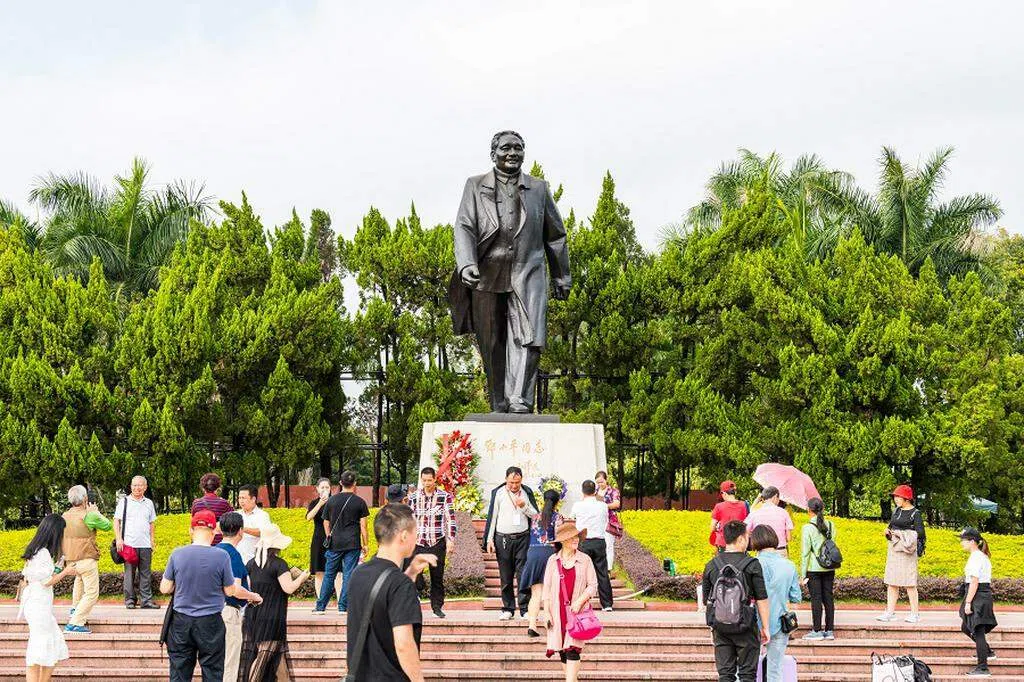
Was Deng Xiaoping Hakka?
The Hakka people, or "guest people", are Han Chinese who were mostly northerners that migrated to the south of China to provinces such as Fujian, Guangdong and Sichuan. Some say that a common heritage and language, more than a specific region ties them together. Deng Xiaoping from Guang'an, Sichuan was not known to be one of the Hakka people, but arguable bits of history point otherwise, and some continue to insist on his Hakka ancestry.
Cheng Pei-kai
09 Apr 2021
Society
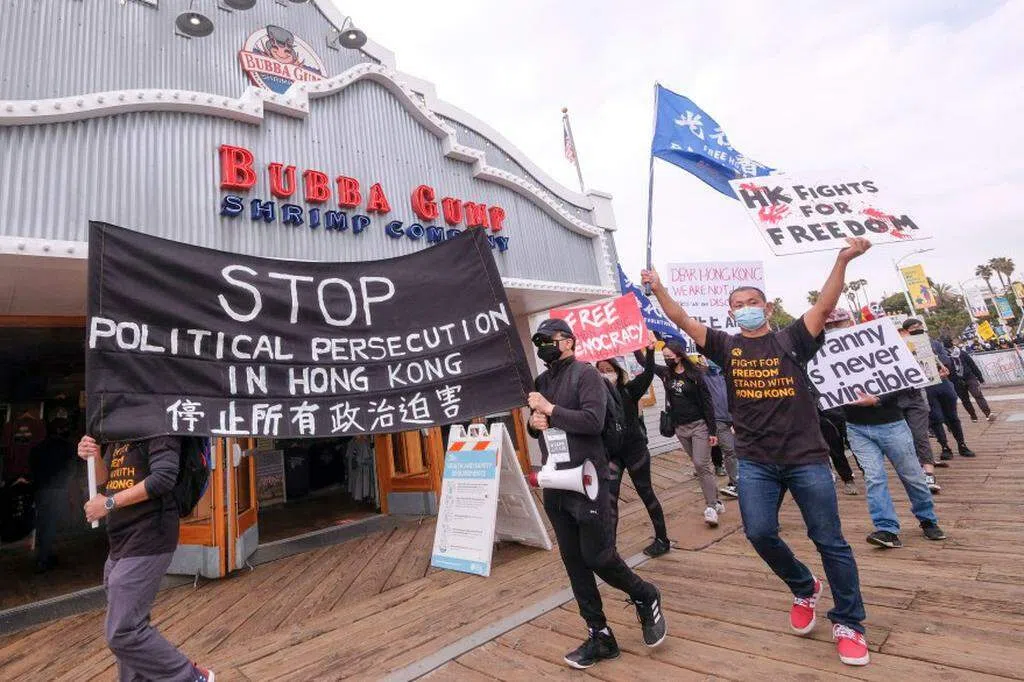
Chinese culture at odds with freedom and democracy, shows fate of Ming dynasty's opposition party Donglin
Hong Kong commentator Chip Tsao looks back at the Donglin movement during the Ming dynasty, concluding that its rise and fall shows that freedom and democracy have a history of clashing with China's cultural background and DNA.
Chip Tsao
16 Mar 2021
Culture
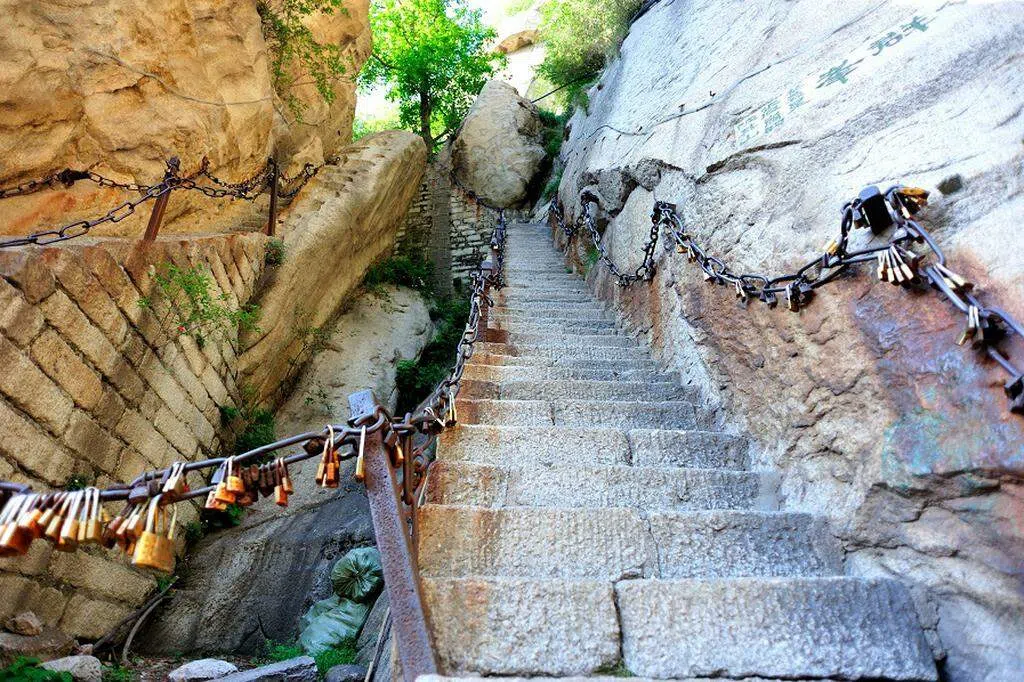
The backpacker and travel writer from 400 years ago - China's Xu Xiake
Cultural historian Cheng Pei-kai celebrates the free-spirited explorer Xu Xiake, who roamed the depths of China in the late Ming dynasty. Xu's journeys were hardly glorious forays that forged new paths or alliances. But for the quiet reminder they give to embrace one's passions and explore the world, Xu will be fondly remembered.
Cheng Pei-kai
27 Nov 2020
Culture
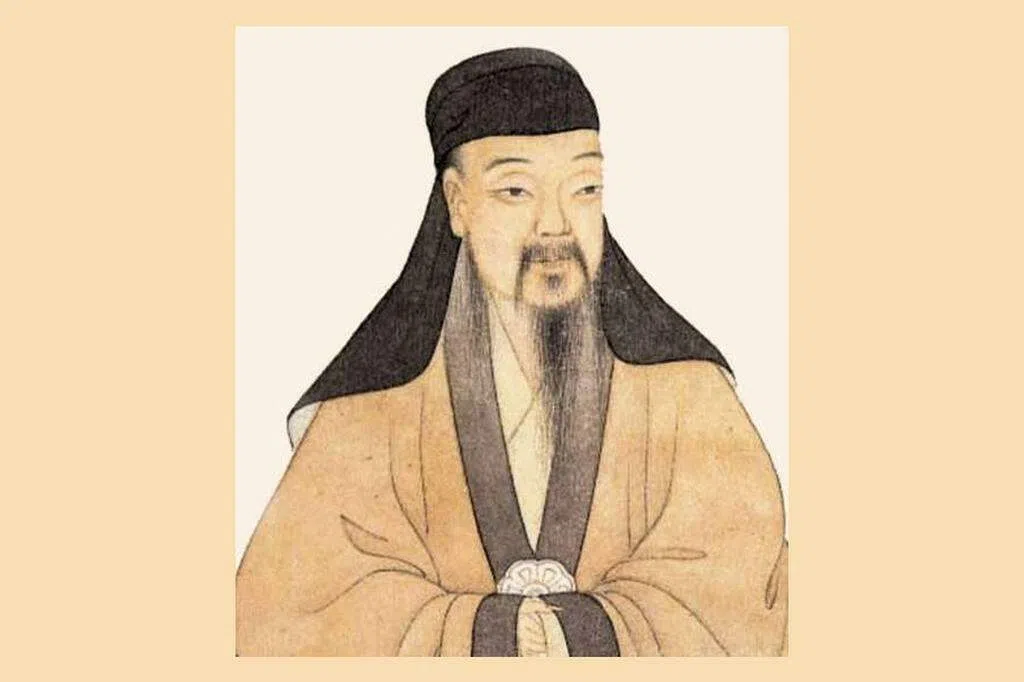
In pursuit of ideals and love: The William Shakespeare of Chinese drama, Tang Xianzu
All his life, Ming dynasty playwright Tang Xianzu only wanted to stay true to himself, to do good and to make a mark. In his life as a government official, he sat on the sidelines and saw his ambitions erode with time. But he kept intact his passion for literary writing, gifting the world he left behind with classics such as The Peony Pavilion. Amid brokenness and deceit, he saw only beautiful things that were good and pure. Whether the world he created is a reality to be attained or a mirage...the dream lives on.
Cheng Pei-kai
02 Oct 2020
Politics
Will China turn its back on the world again?
After more than 40 years of reform and opening up to the point that China has become an integral node in global supply chains, will the pandemic be the circuit breaker that cuts off the flow of connections between China and the West? Will the currents of international trade and cooperation flow again or will China ironically be more like the US in thinking "I am the world"? And once allegedly compared by Napoleon to a "sleeping lion", will China resume its sleep shortly after awakening?
Zheng Yongnian
05 May 2020
Culture
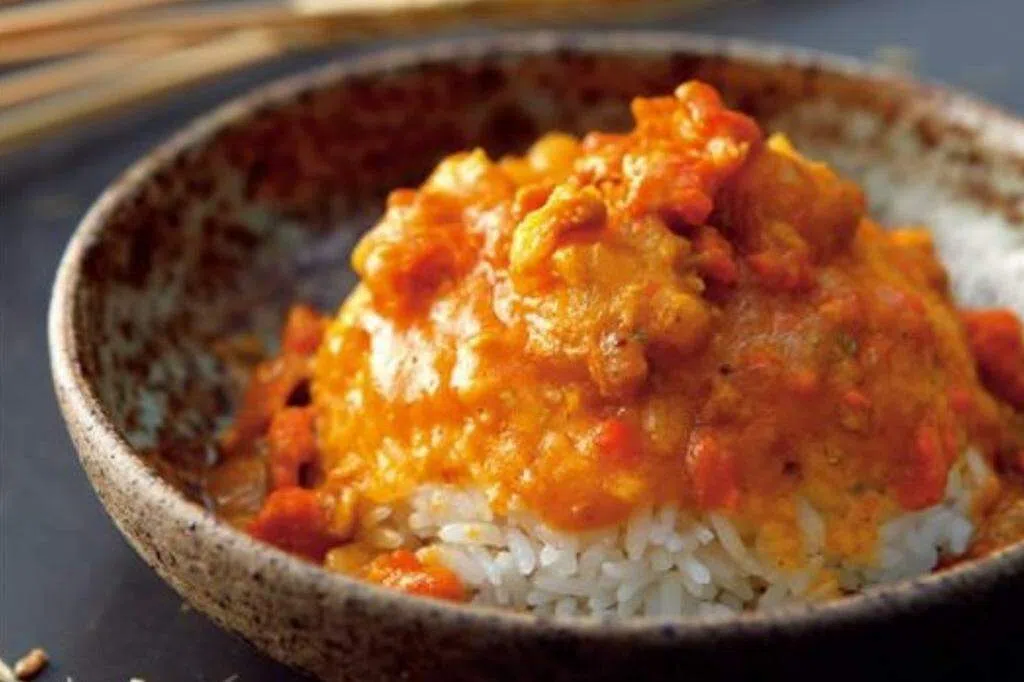
Crab Butter Rice
Crab Butter Rice is unlike any other crab dishes: it is a seasonal delicacy that exclusively combines the autumn crab's paste and roe without using any of its meat. Cultural historian Cheng Pei-kai shares his experience eating it, and its peculiar and debatable origins from Suzhou brothels.
Cheng Pei-kai
31 Oct 2019