Tang Dynasty
Culture
The Chaozhou people can boast of Tang dynasty essayist Han Yu
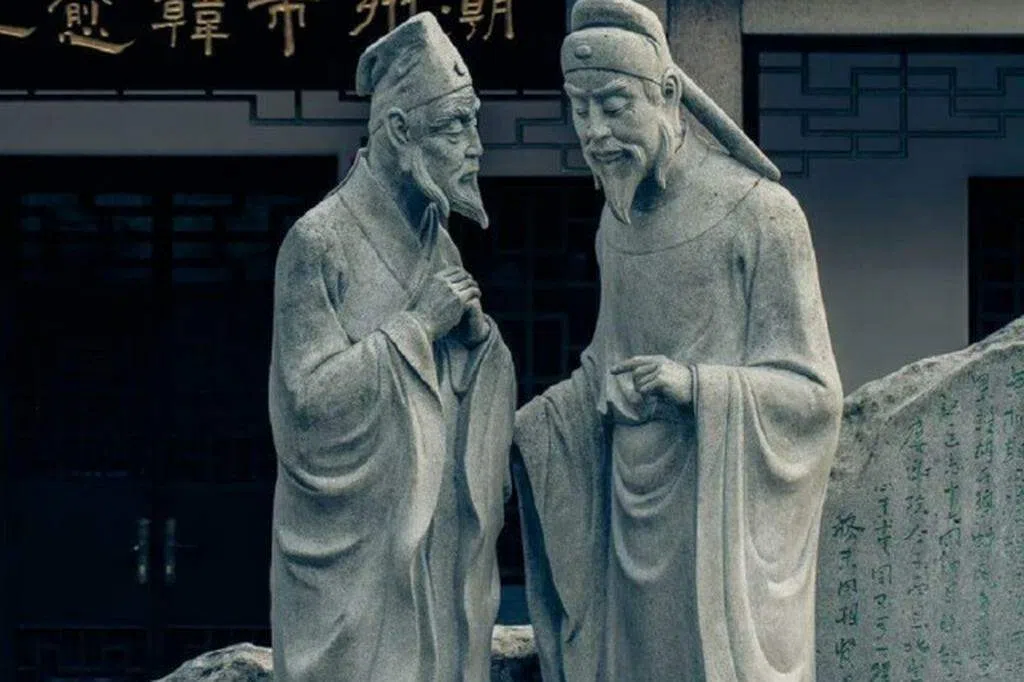
While Chaozhou is acknowledged for great food and the hometown of various famous personalities, it is also the lesser-known place of exile of Tang dynasty essayist Han Yu (韩愈), who made the best of his time there, writing essays and spreading Confucian teachings.
Cheng Pei-kai
28 Jul 2023
Culture
Criticising the emperor: Ancient Chinese have their ways
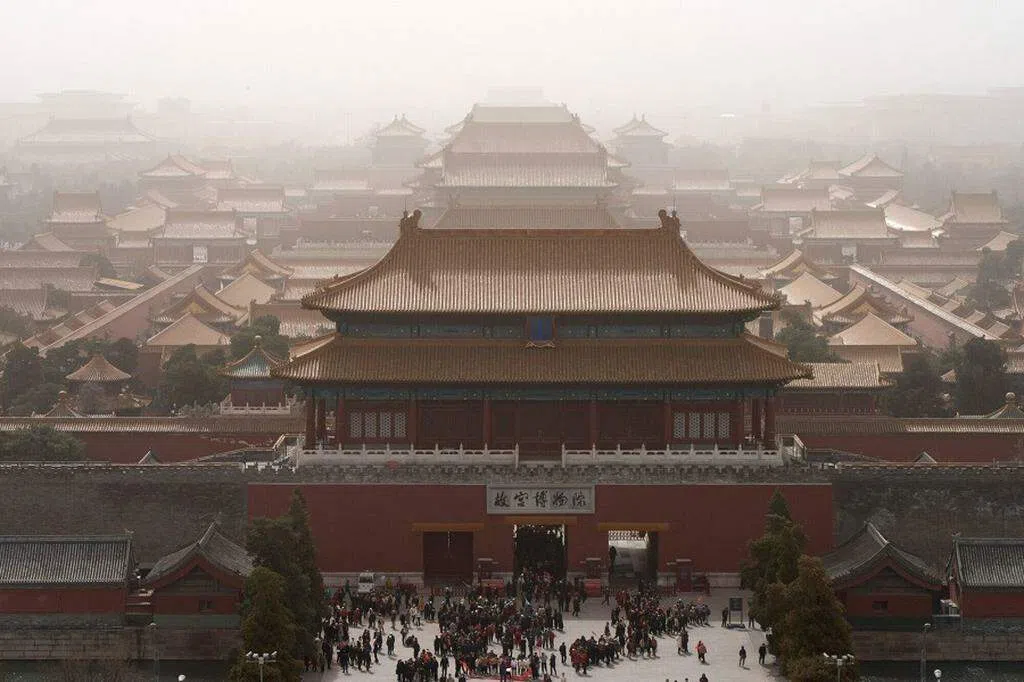
Cheng Pei-kai recalls the admirable literati of ancient times, who took risks to make veiled criticisms of emperor excesses. While they tried not to attack the throne directly, sometimes their earnestness led them to wear their heart on their sleeves.
Cheng Pei-kai
21 Apr 2023
Culture
Song dynasty emperor's brewing secrets in a cup of HK milk tea
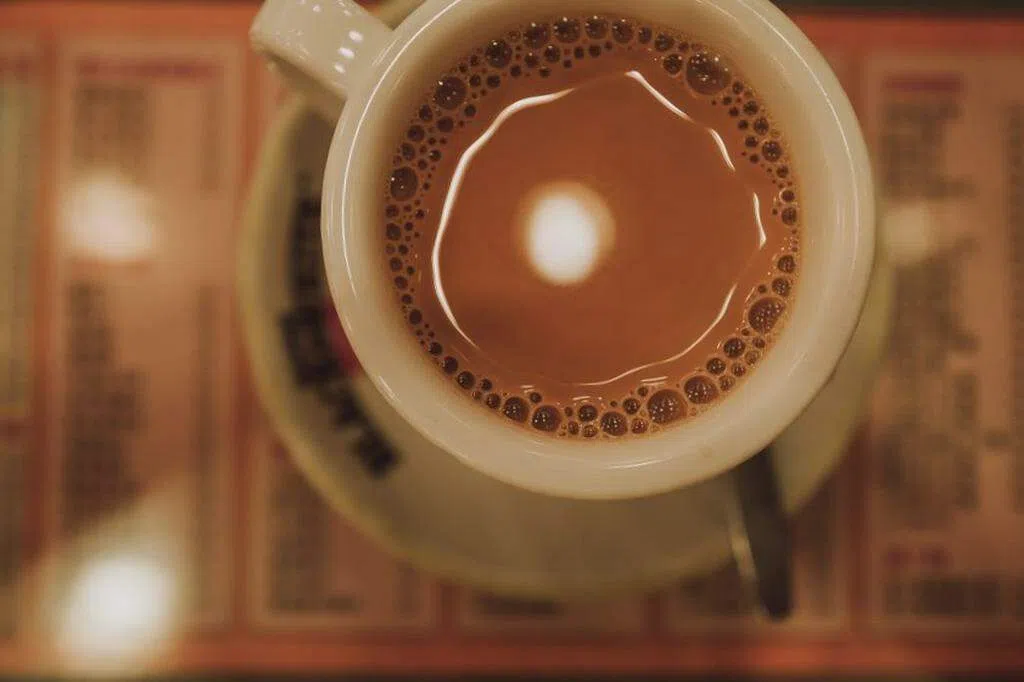
As far as a passion for tea goes, cultural historian Cheng Pei-kai meets his match in a tea shop owner in Sham Tseng. The tea connoisseur is an alchemist almost as he varies the ingredients and brewing methods to concoct the most memorable teas.
Cheng Pei-kai
24 Jun 2022
Culture
Must one read Chinese to appreciate Chinese calligraphy?
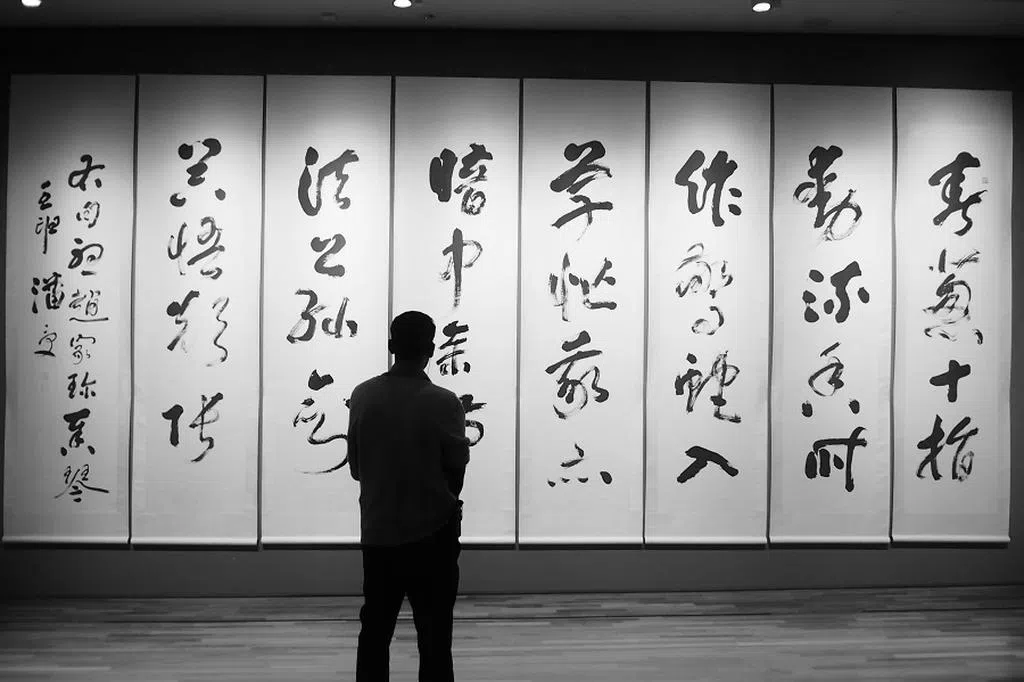
Teo Han Wue has always believed that one need not be literate in the Chinese language to appreciate calligraphy. He was heartened that many others seem to share his view, going by how well-received a photograph of Singaporean poet-calligrapher Pan Shou's calligraphy was at his solo photography exhibition recently. Without him regaling them with tales of Pan Shou, they found their own delight appreciating this artform through an image of an image.
Teo Han Wue
01 Apr 2022
Society
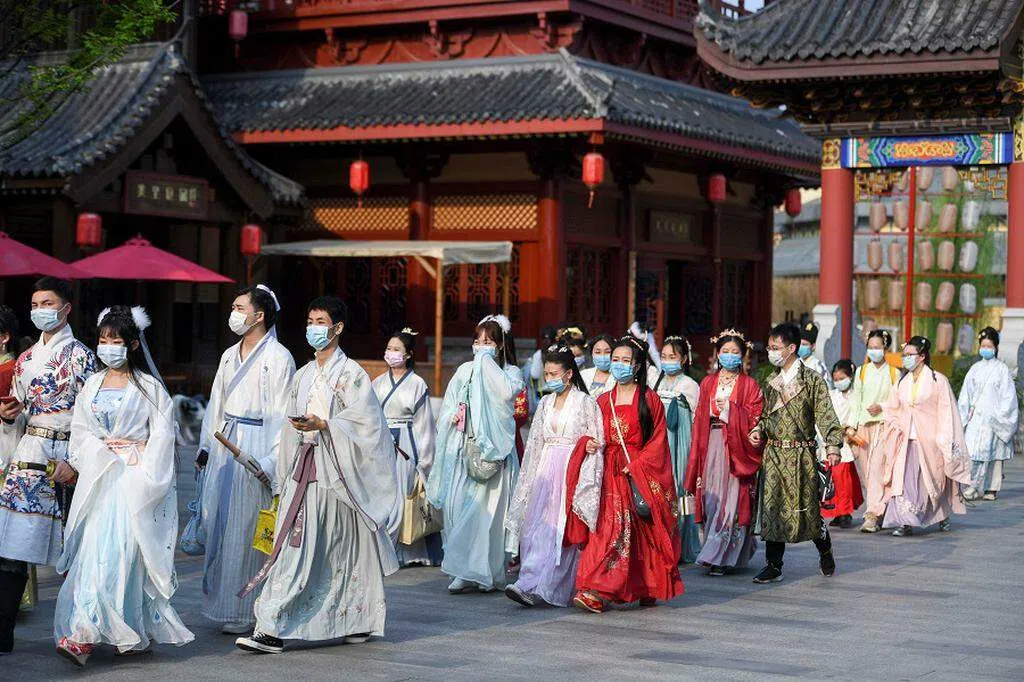
Was the Tang dynasty the golden era of women's rights in China?
Just as women in China today, especially rural women, have to contend with male favouritism and diminished rights, women in the Tang dynasty were also restricted by rules and social practices, even if the era in which female emperor Wu Zetian ruled was thought to be the golden era of women's rights.
Lorna S. Wei
10 Dec 2021
History
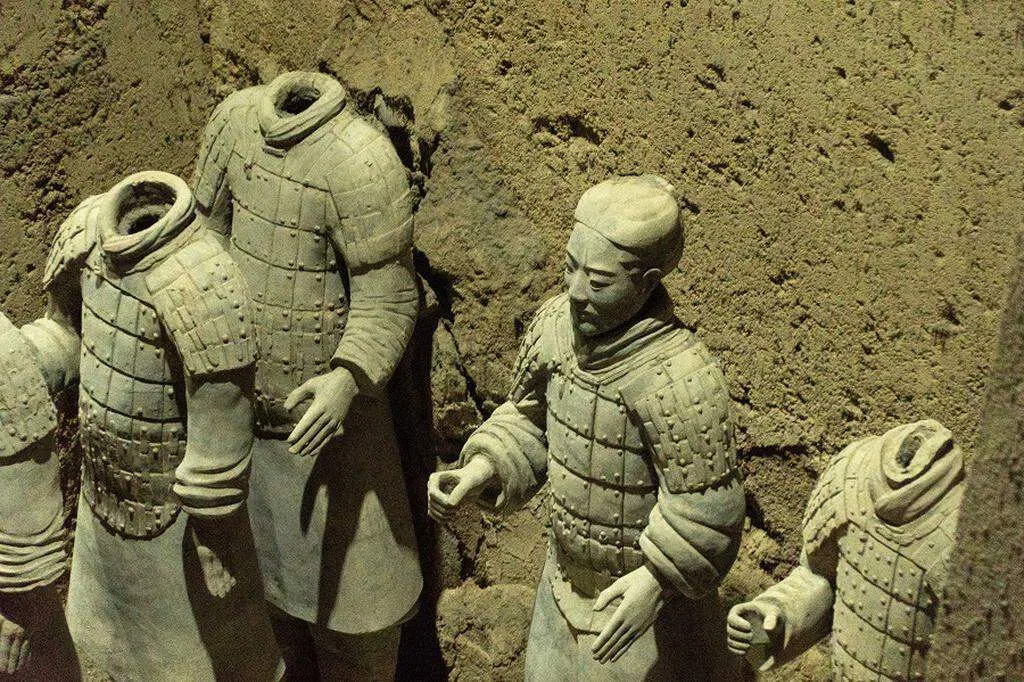
Why were Chinese imperial families prone to fratricides and tragedies?
Throughout Chinese history, imperial families were some of the fiercest battlegrounds. Emperors stopped at nothing to hold on to power. At the instigation of wily courtiers, they might even have executed their kin without batting an eyelid. Li Jingkui says economically speaking, this has to do with the logic of contract theory - there was no neutral arbiter in leadership transitions. Without a third party to oversee the proceedings, family members were often subjected to the tyranny of the "lion king". But under those circumstances, could anyone else other than the emperor have held court?
Caixin Global, Li Jingkui
14 May 2021
Culture
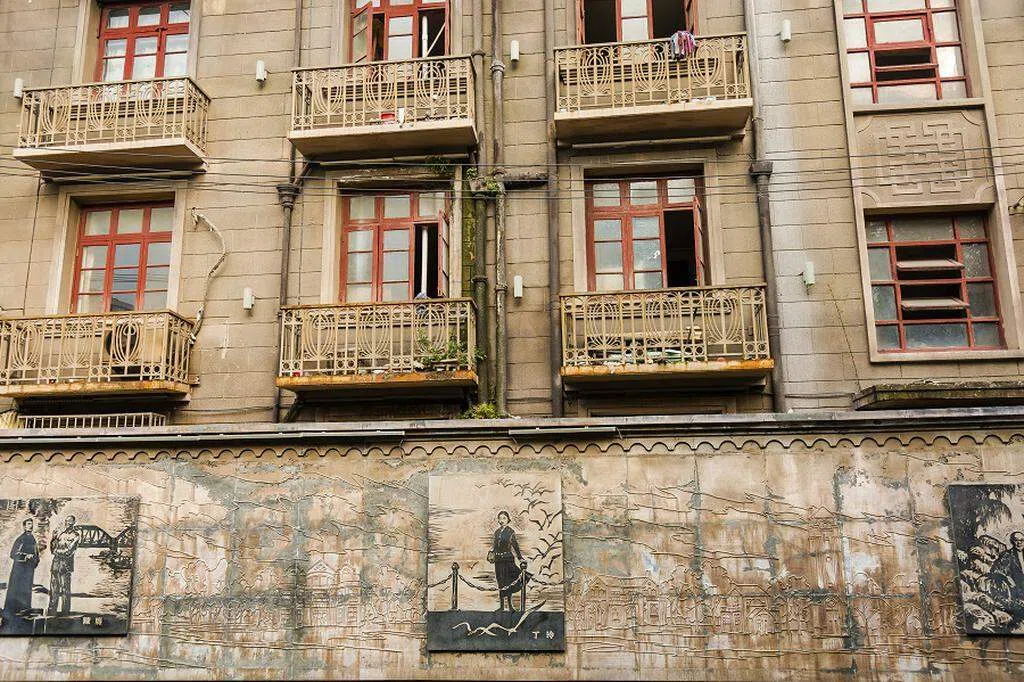
The balcony: A metaphor for eroticism in Chinese literature
A balcony can simply be a perch from which to admire the sea, or for Shakespeare fans, it is associated with a key scene from Romeo and Juliet. For ancient Chinese literati however, it conjures up scenes of forbidden trysts and has been woven into poems by illustrious poets, from Song Yu to Li Bai and many others.
Cheng Pei-kai
12 Mar 2021
Culture
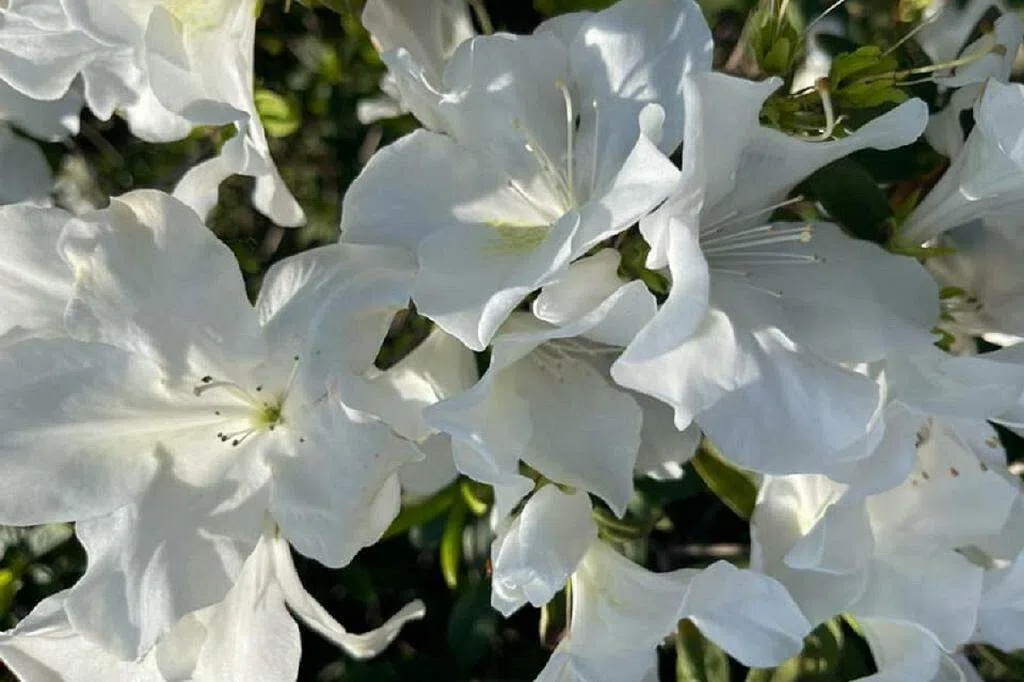
Taiwanese art historian: The colour white in Chinese aesthetics and in life
If white could be a state of being, it would be yourself, says Chiang Hsun. Under light and shadow, its true shade sometimes becomes blurry, but it never loses its essence. With that confidence, white in art or in life also means negative space - the void that is at ease when it is not filled, the voice that gives itself the freedom to just be.
Chiang Hsun
05 Mar 2021
Culture
'Perhaps we are from the same hometown?': A reflection on human relations throughout Chinese history
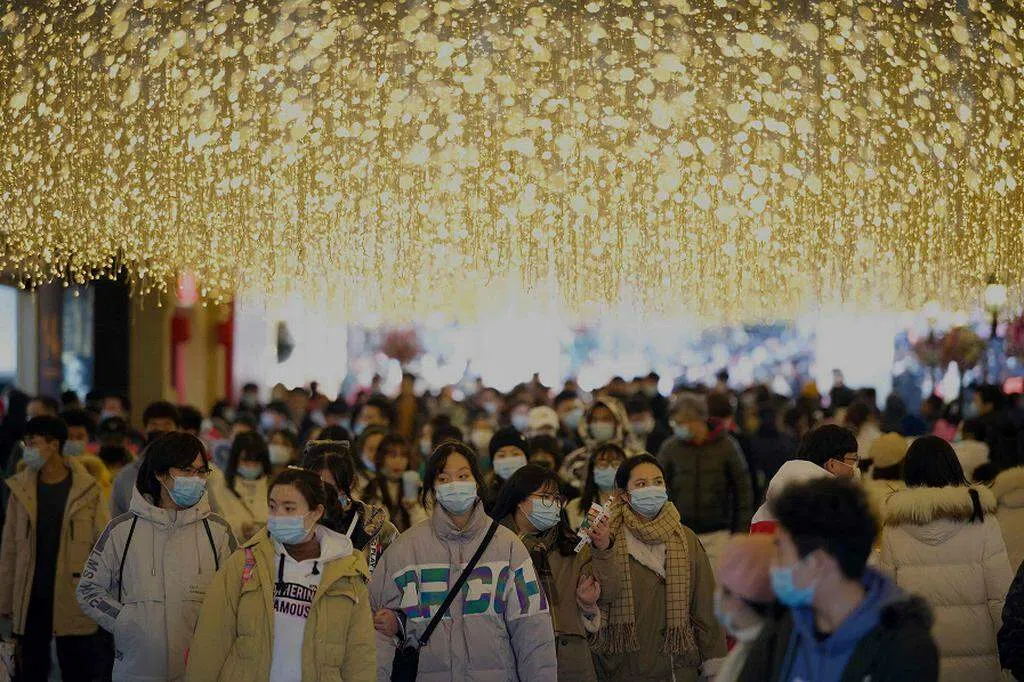
In this life, are we journeying together or just passing ships in the night? Chiang Hsun ponders the degrees of separation between people who share the same earth. What keeps us walking in parallel, never breaking down customary barriers?
Chiang Hsun
15 Jan 2021
Culture
China's thousand-year-old mutton soup
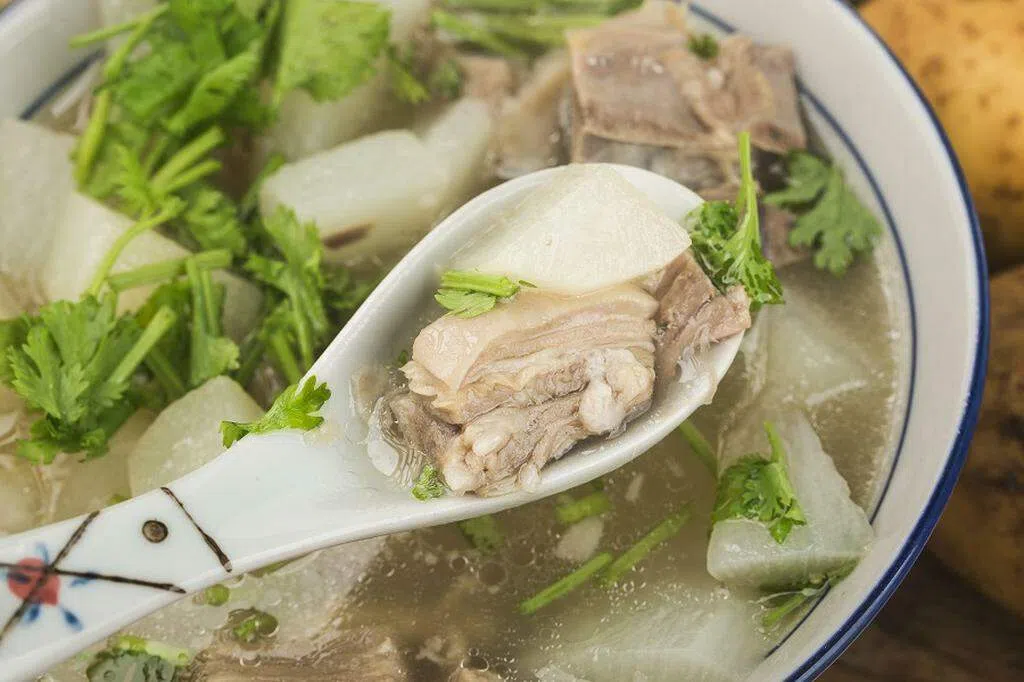
Northern Chinese mutton soup is rich, hearty and bold-flavoured, standing in sharp contrast to the delicate cuisine of the south. The dish is an emblem of the gruff and big-hearted heroism of civil wars past and the grandeur of the Han and Tang dynasties. Indeed, traces of history are left behind in every drop of a good bowl of mutton soup.
Cheng Pei-kai
18 Dec 2020
Culture
Tang dynasty's Wu Zetian: Was she a wise emperor or did she ruin the country?
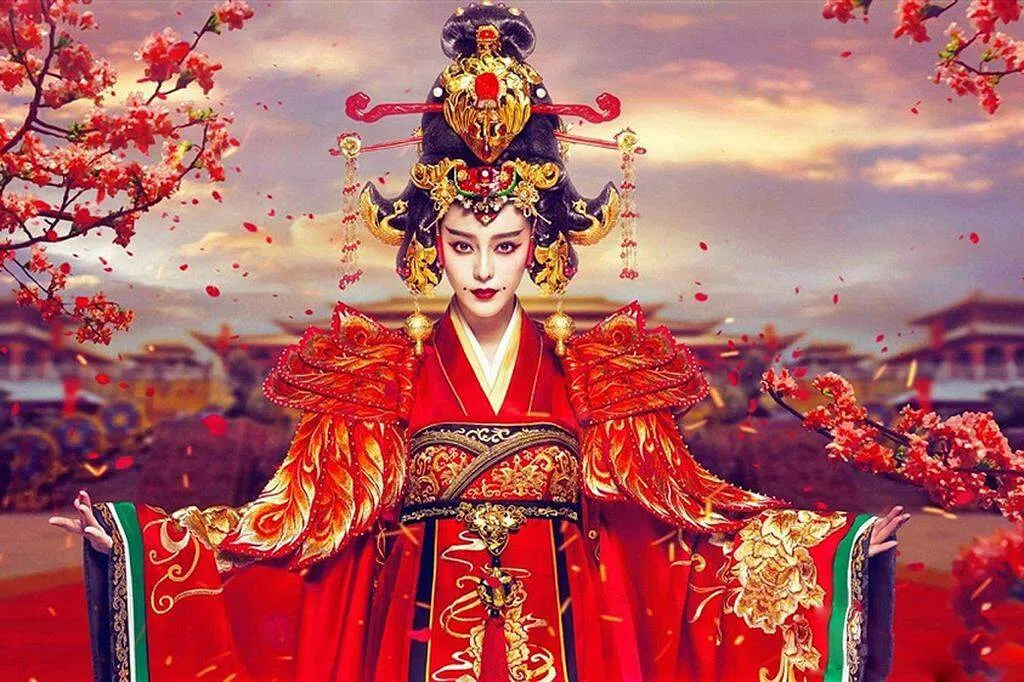
A television series about Wu Zetian, the only female emperor in Chinese history, has Cheng Pei-kai reflecting about the semantics (read: politics) involved in the title bestowed on this charismatic figure. Did she live up to her many labels, or even more powerfully yet, was she really a character that defied any labels? History refuses to make a definite call.
Cheng Pei-kai
03 Jul 2020