
Malcolm Cook
Visiting Senior Fellow, ISEAS–Yusof Ishak InstituteArticles by Malcolm Cook
Politics
What Southeast Asia wants from the impending Biden presidency
ISEAS academics Malcolm Cook and Ian Storey note that Southeast Asia would welcome a Biden administration policy towards Asia that is less confrontational and unilateralist, and firmer and more action-oriented. The region's governments prefer the new US administration to adopt a less confrontational stance towards China and lower US-China tensions. But while they welcome increased US economic and security engagement with the region, they are less enthusiastic about Biden's emphasis on human rights and democracy.
Malcolm Cook, Ian Storey
23 Dec 2020
Economy
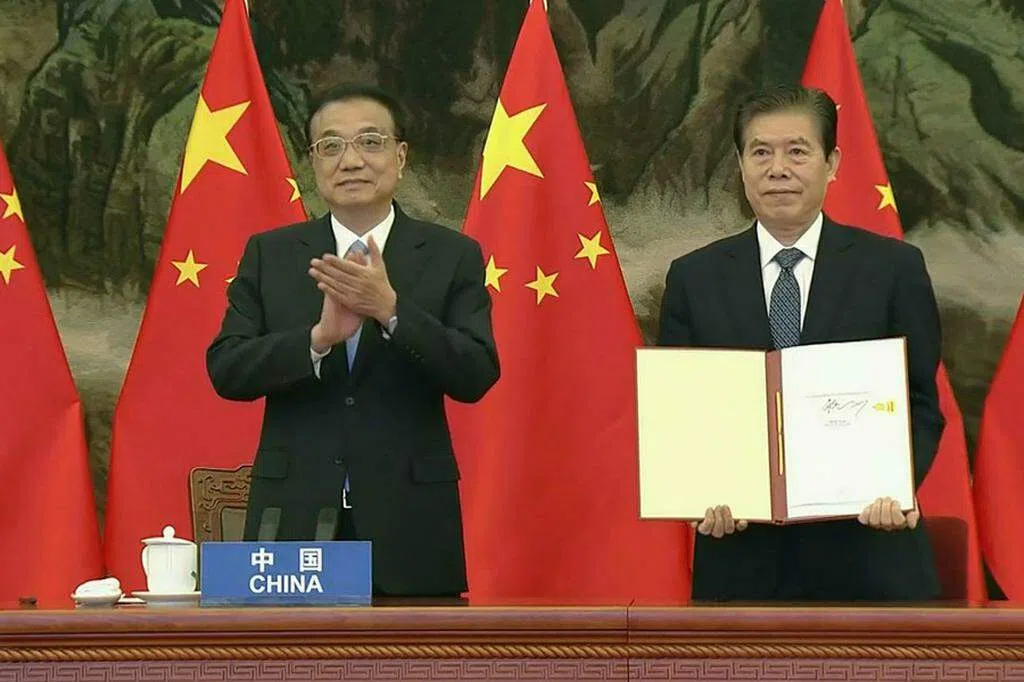
RCEP affirms ASEAN's irreplaceable East Asian centrality
The signing of the 15-member Regional Comprehensive Economic Partnership is significant, and not only due to the fact that the trade deal will cover a third of the world's population and GDP. The RCEP also affirms the power of the East Asia concept and ASEAN's centrality within it.
Malcolm Cook
17 Nov 2020
Politics
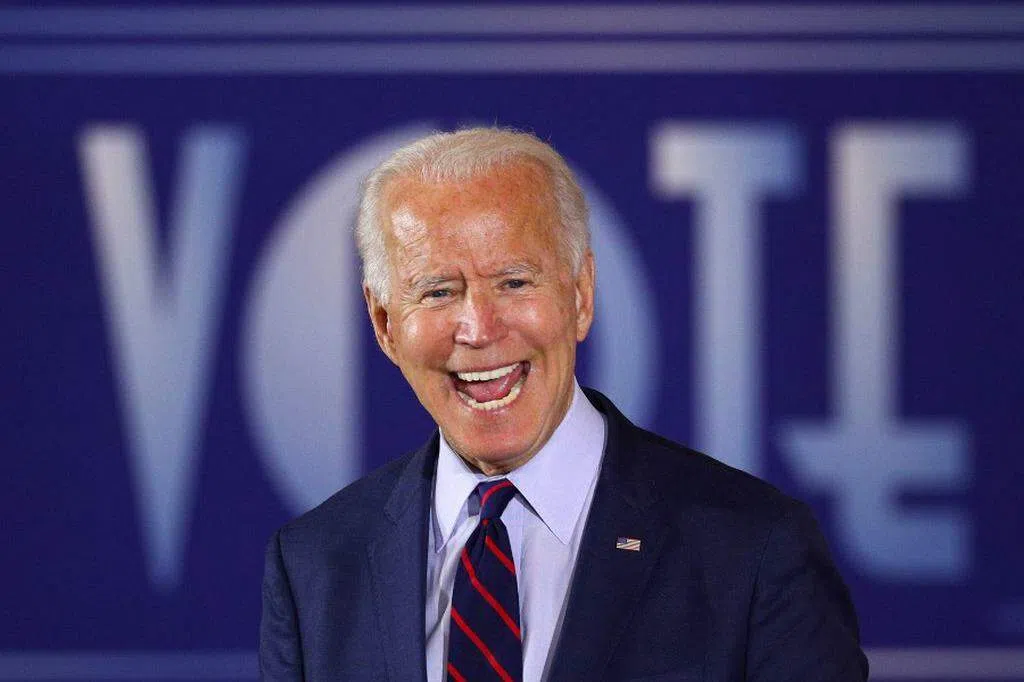
A Biden presidency: Revenge of the 'Asia-Pacific' over the 'Indo-Pacific'?
The much-ballyhooed "Indo-Pacific" term has gained much traction in the region in recent years. It is believed that the term helps to expand the regional framework to include India as a major power, and balance against China's growing influence. The new Democratic Party platform, however, pointedly excludes the use of the term, and touts the older "Asia-Pacific" instead. Is this Biden's attempt at getting at Trump?
Malcolm Cook
13 Oct 2020
Politics
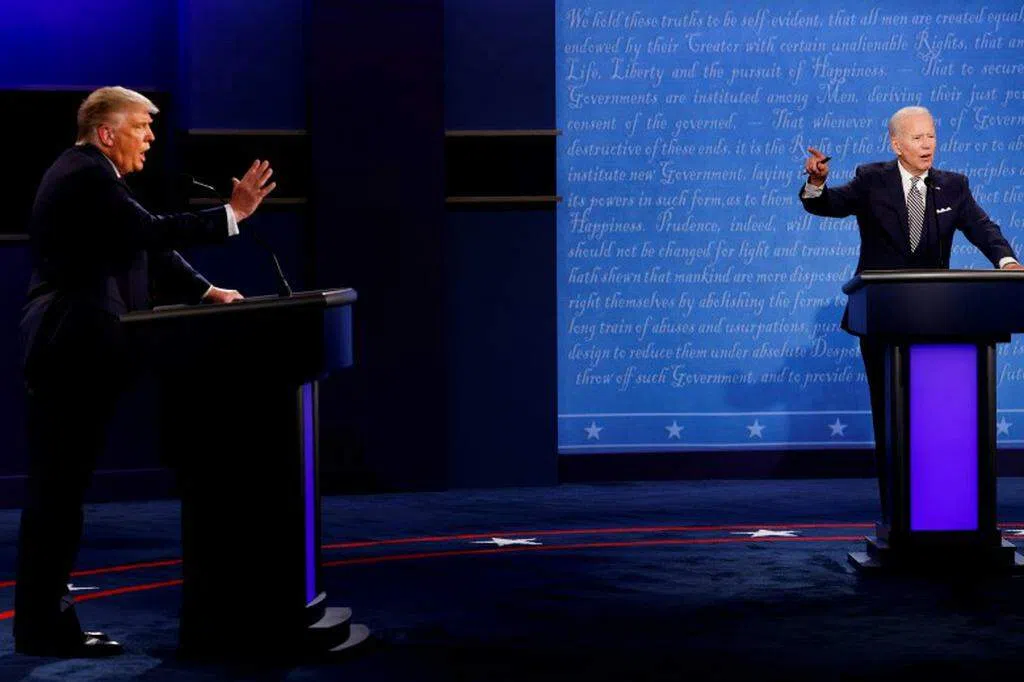
Trump vs Biden: Who makes a better choice for Southeast Asia
US President Donald Trump did not meet a single leader from Southeast Asia since November last year. Despite his administration's seemingly disengaged approach, US relations with key Southeast Asian states including Vietnam and Thailand have improved. ISEAS academics Ian Storey and Malcolm Cook look at the Trump administration's engagement data with Southeast Asian countries over the past year, the party platforms of both the Republicans and the Democrats, as well as recent developments in the region, as they give their take on the possible regional geopolitical environment after the presidential election.
Ian Storey, Malcolm Cook
09 Oct 2020
Politics
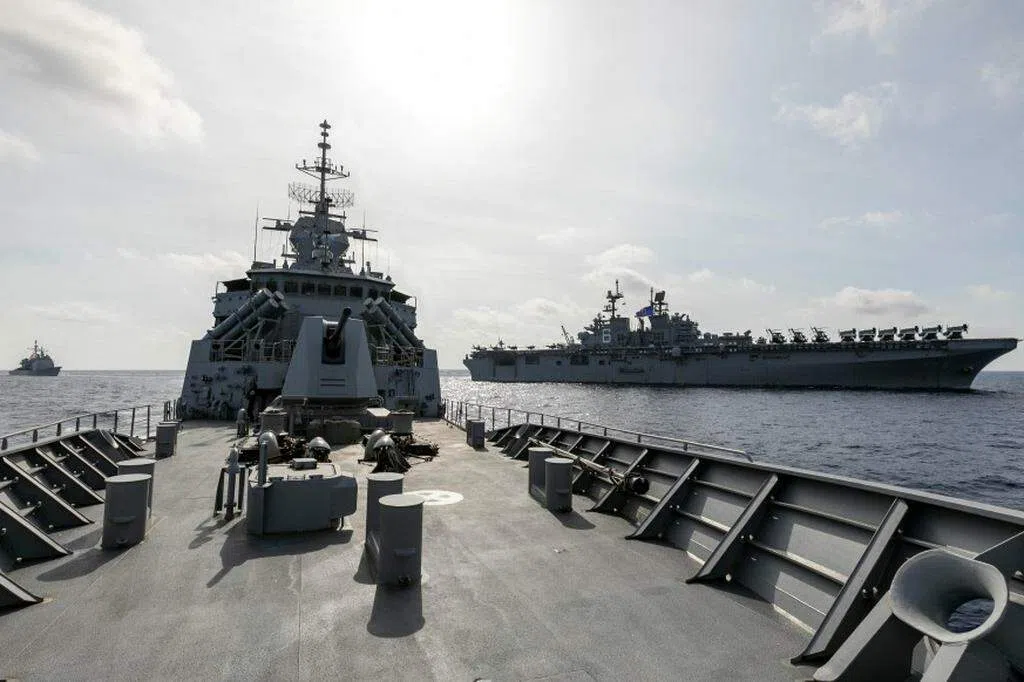
Australia boosting security relations with Southeast Asia and the US in the face of heightened threats
Australia's recently-released defence update may be the most consequential document yet in terms of Canberra's defence relations with Southeast Asia. Australia is asking its Southeast Asia partners to do more, while offering them more in return. It is also boosting its military self-reliance and its alliance relationship with the US.
Malcolm Cook
08 Jul 2020
Politics
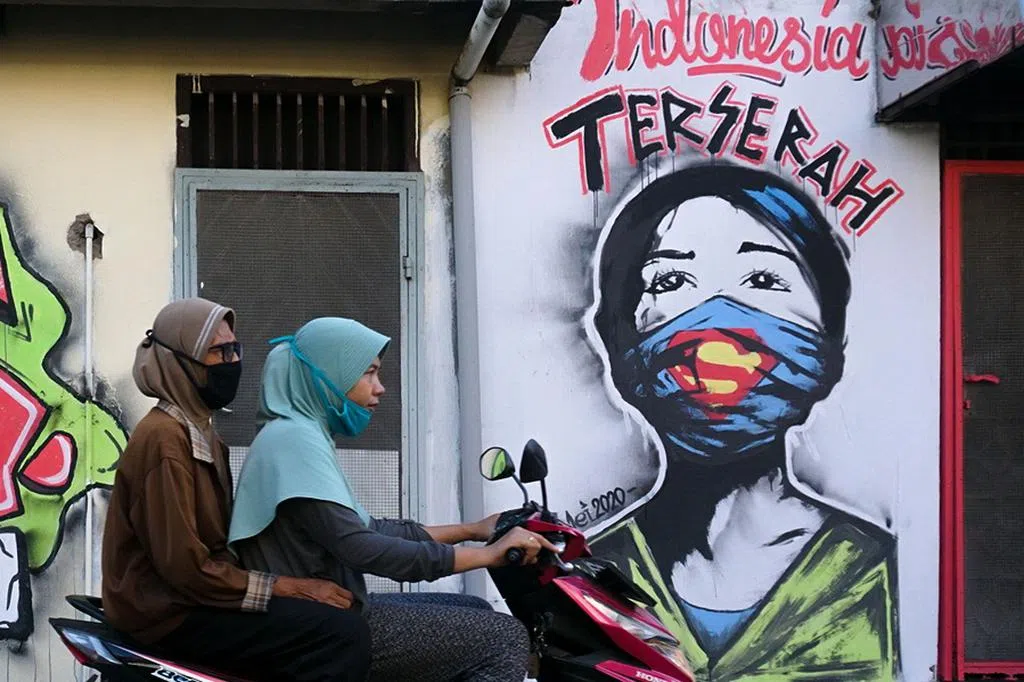
Beyond ASEAN: More 'no-superpower coalitions' needed as US-China rivalry upsets global interests
With China more aggressive and the US more unpredictable, and both more unilateralist, the US-China rivalry has ended the post-Cold War order that benefited Southeast Asia and ASEAN. ISEAS academics Malcolm Cook and Hoang Thi Ha note that Southeast Asian states should consider joining more or establishing minilateral informal coalitions that do not include China and the US.
Malcolm Cook, Hoang Thi Ha
02 Jul 2020
Economy
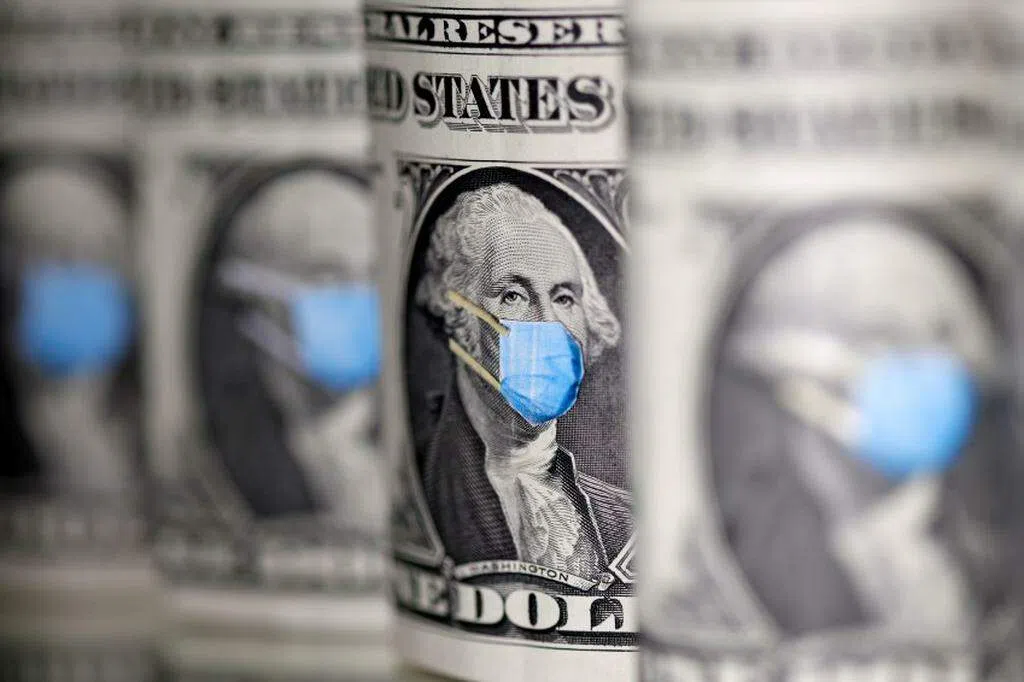
AIIB, ADB or World Bank: Which is the bigger lender to Southeast Asian countries?
In the fight against the Covid-19 pandemic, various countries have extended support to nations in need, including those in Southeast Asia. There has been talk about possible shifts in the international balance of power. In terms of funding provisions to Southeast Asian countries at least, the pandemic does not seem to have made big dents to long-established patterns. The more established multilateral development banks - the World Bank and the Asian Development Bank - are still ahead of the Asian Infrastructure Investment Bank, but this could change in the near future with the latter stepping up its efforts in the region.
Malcolm Cook
22 May 2020
Politics
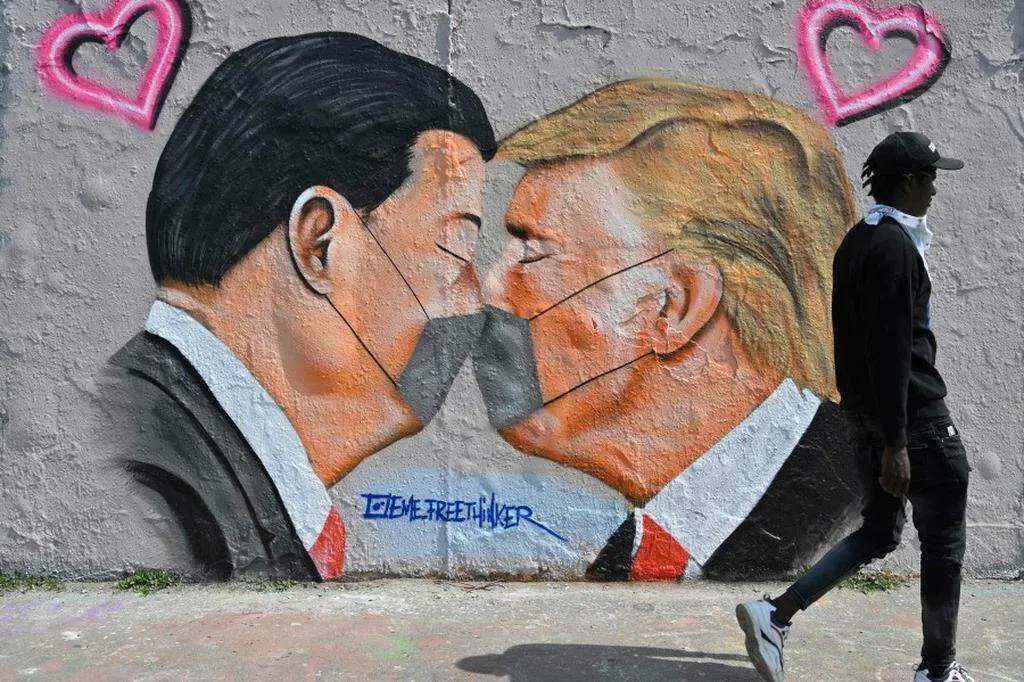
Unfavourable views: Southeast Asia's perceptions of China and the US worsen amid Covid-19
Even amid the coronavirus, US-China rivalry has not eased, but has been ramped up instead. This has not helped the image of either country. ISEAS academics Malcolm Cook and Ian Storey look at how negative impressions of both countries have been reinforced in Southeast Asian countries.
Malcolm Cook, Ian Storey
05 May 2020
Economy
China's AIIB vs Japan's ADB: Which is more powerful?
ISEAS senior fellow Malcolm Cook does a quick comparison between Asia's two leading multilateral lenders, the China-led Asian Infrastructure Bank and the Japan-led Asian Development Bank. Which is more powerful and influential?
Malcolm Cook
07 Jan 2020

Economy
Can China turn the power off in the Philippines?
Two weeks ago, the Philippine Senate heard that China may end up controlling the power grid in the Philippines. Should the Filipinos be concerned? ISEAS senior fellow Malcolm Cook examines what this might mean for the Philippines.
Malcolm Cook
03 Dec 2019