
Zheng Weibin
Analyst and writerArticles by Zheng Weibin
Politics
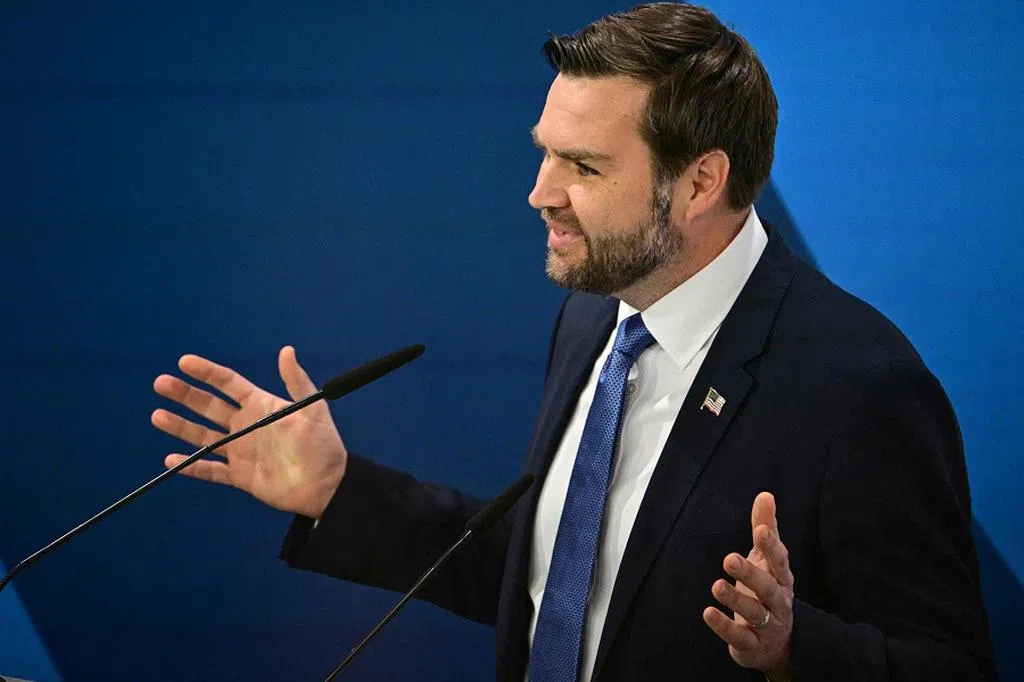
JD Vance’s Munich speech: A shift in Europe-US relations?
US Vice-President JD Vance’s recent speech at the Munich Security Conference signalled a changing stance on Europe and strains on the translatlantic relationship. How will Europe respond? Academic Zheng Weibin examines the impact.
Zheng Weibin
20 Feb 2025
Politics
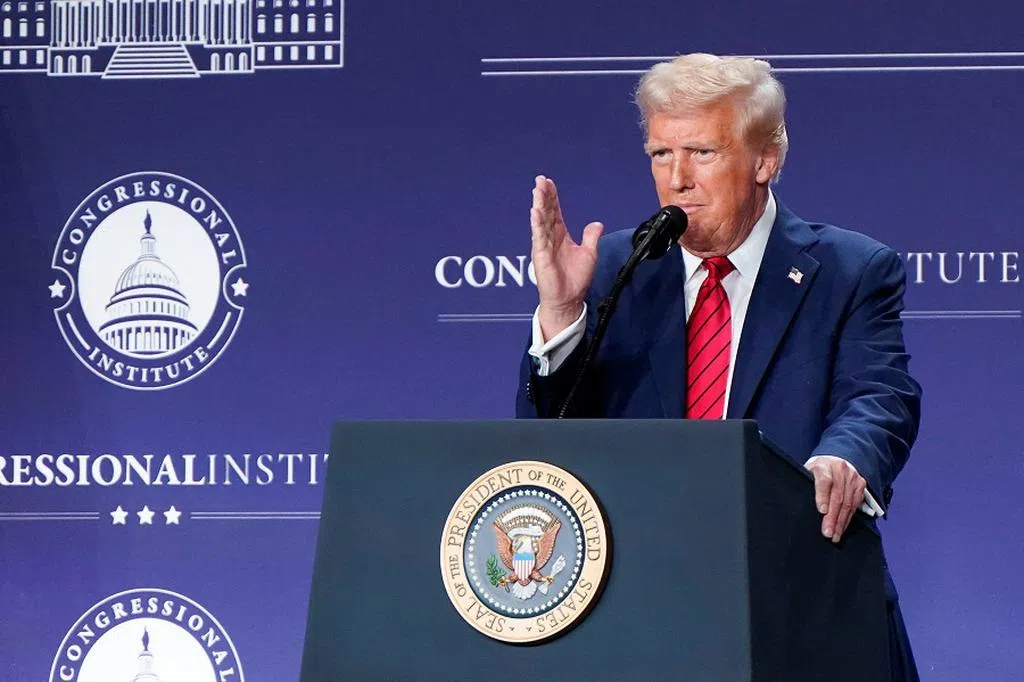
Is China still Trump’s number one target?
As anticipated, US President Donald Trump announced 25% tariffs on Canada and Mexico and 10% tariffs on China on 1 February. But why has China been let off relatively easy? According to analyst Zheng Weibin, Trump may be temporarily putting his plan for China on hold while he attempts to consolidate America’s position among its neighbours and allies first.
Zheng Weibin
06 Feb 2025
Politics
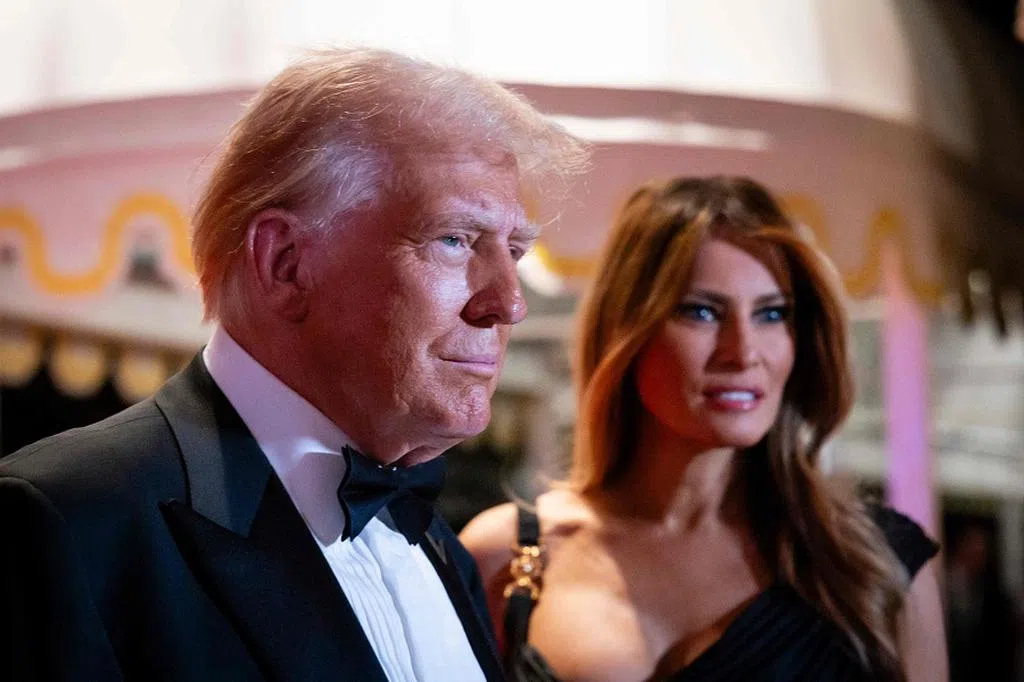
To understand Trump, go beyond his businessman identity
The extent to which Trump’s background as a businessman informs his approach to the role of US president is often debated. Such a focus may not be very helpful. Instead, we must look to the past to truly understand the Trump phenomenon, says analyst Zheng Weibin.
Zheng Weibin
06 Jan 2025
Politics
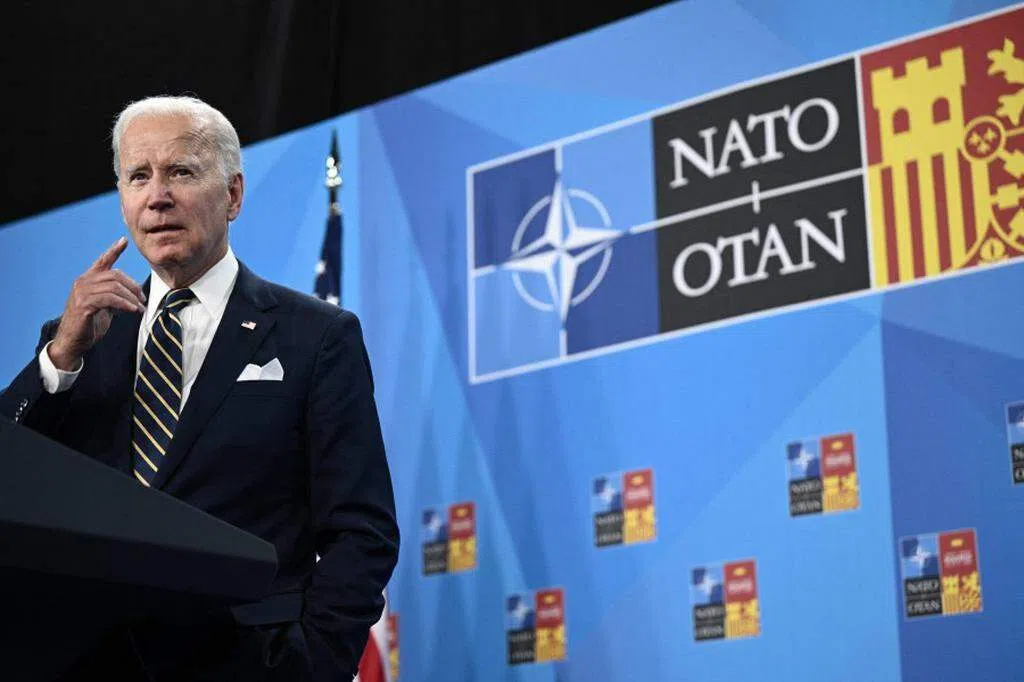
The US's fragmented foreign policy
Analyst Zheng Weibin notes that the NATO summit in Madrid showed the US's lack of awareness of what Asian countries really want - namely, not to take sides in the US-China competition. Such lack of judgement will hamper their policy of reinvigorating their relations with Asia. Will they be able to realise the incongruence in their policies and change course?
Zheng Weibin
20 Jul 2022
Politics
Fifty years after Nixon's visit, is China tilting back towards Russia?
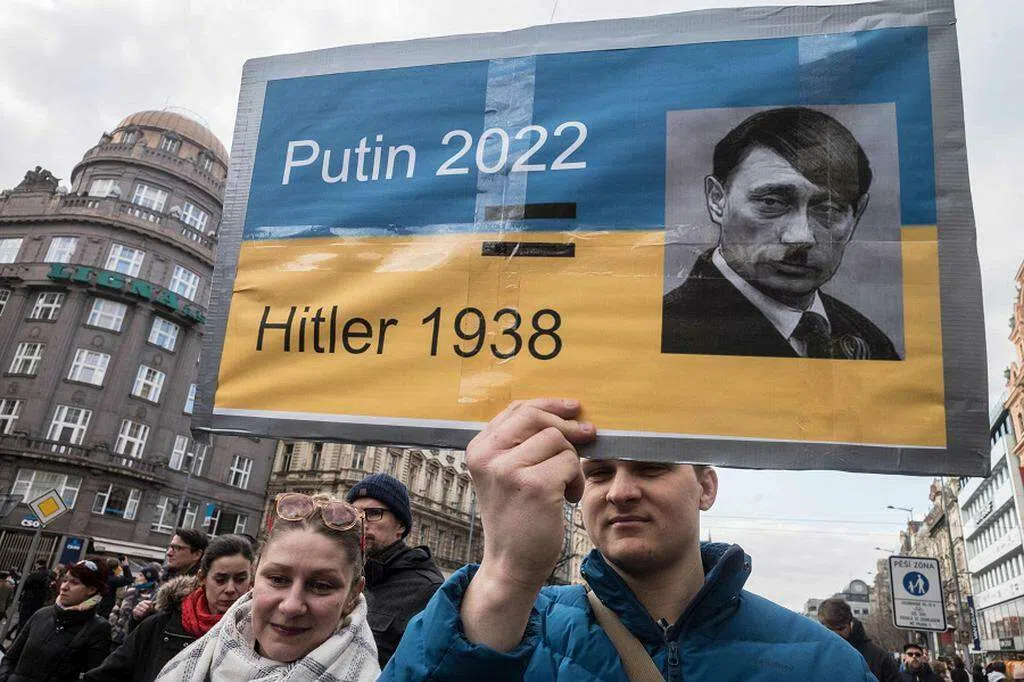
Fifty years after Nixon's visit to China, some Western analysts have opined that China is tilting back towards Russia, and the new Cold War has begun. However, Chinese analyst Zheng Weibin believes that the current Ukraine crisis actually marks the true end of the Cold War. Not only would Russia be less effective with exerting its influence over its former republics, but the West has demonstrated stronger unity. He cautions that while the West likes to liken China to Russia, the two are totally different kinds of nations with very different mindsets. To move forward and achieve mutual growth, both China and the West need to put aside the Cold War mentality and embrace the current world for what it is.
Zheng Weibin
04 Mar 2022

Economy
Self-confidence and myths may lull China into turning inward economically
China has managed Trump era hostilities by implementing a "dual circulation strategy" with a focus on its domestic market, but it risks turning inward to the detriment of its economy, says analyst Zheng Weibin. In particular, it should guard against being shut off from the technological progress of other major economies.
Zheng Weibin
05 Jan 2022
Politics
Why Taiwan is unperturbed about Nicaragua cutting ties and switching allegiance to Beijing
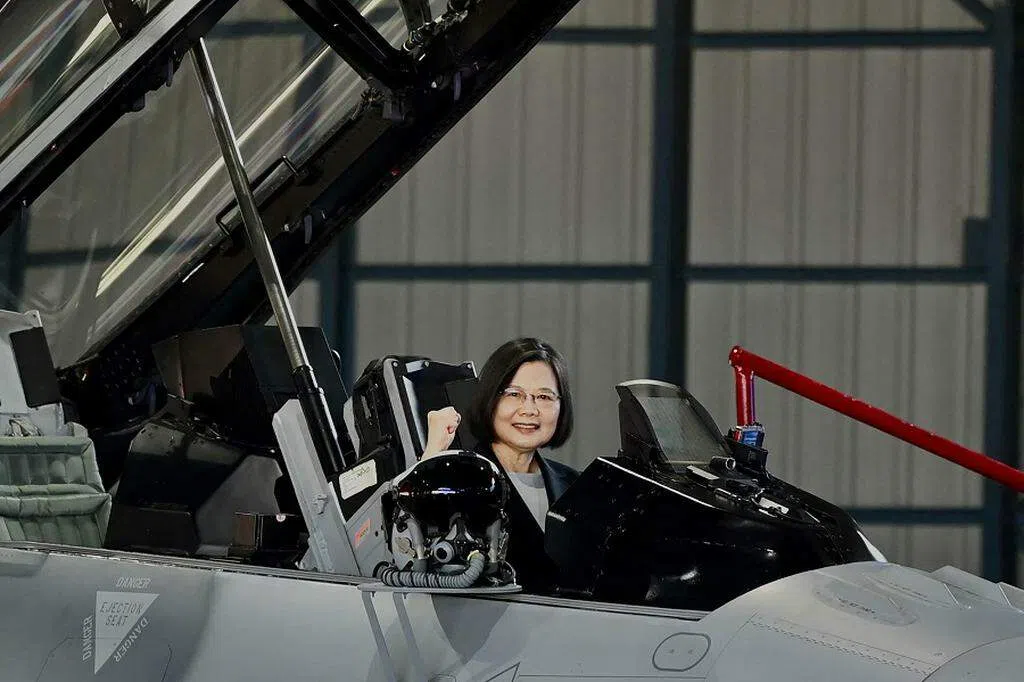
Zheng Weibin notes Taiwan's unperturbed response to Nicaragua switching its allegiance to Beijing, the eighth such reversal since President Tsai Ing-wen took office in 2008. In his analysis, the US in practice treats Taiwan differently, despite its purported adherence to the "one China" policy and is swaying others to do so. In light of such support, there is no need for Taiwan to chase after symbolic diplomatic recognition.
Zheng Weibin
23 Dec 2021
Politics
How Beijing should respond to Lithuania's signals on Taiwan
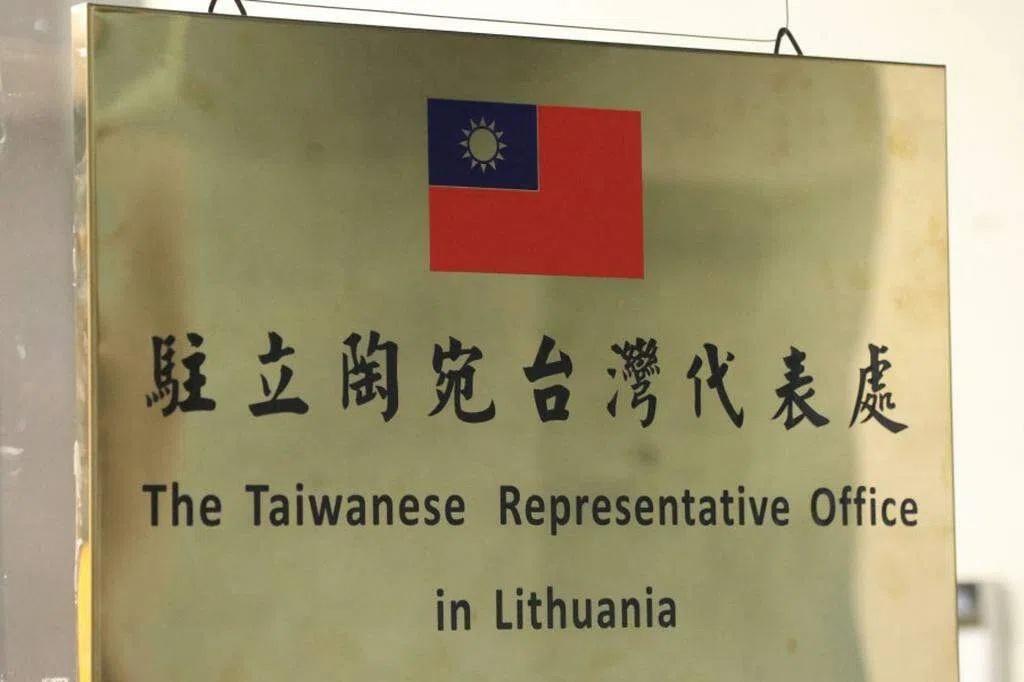
Analyst Zheng Weibin says that the establishment of the Taiwanese Representative Office in Lithuania, with "Taiwan" rather than "Taipei" in its name, should not be looked upon by Beijing merely as Taiwan gaining diplomatic space. China needs to understand better the dynamics underpinning China's relations with Europe and the shifts in the EU's foreign policy strategy. Taking a heavy-handed approach is likely to be counterproductive for the Asian giant.
Zheng Weibin
25 Nov 2021
Politics
Why the status quo in the Taiwan Strait is quietly changing
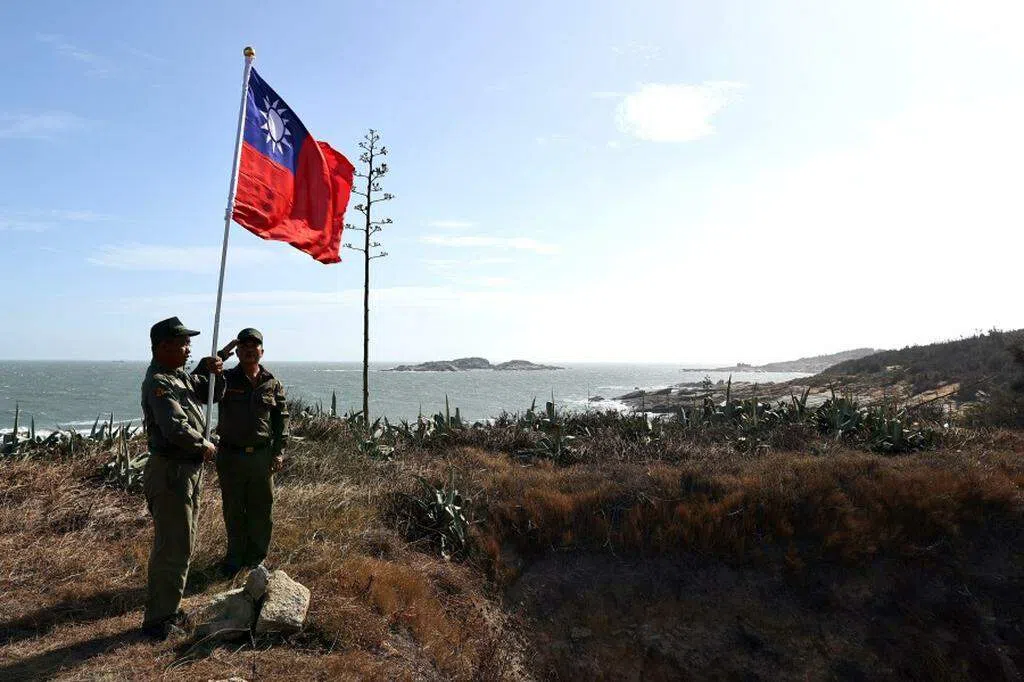
While US President Joe Biden has said that the US is ready to come to Taiwan's defence, a White House statement made clear that the US's "one China" policy remains unchanged. Analyst Zheng Weibin examines how everyone speaks of maintaining stability and peace in the Taiwan Strait, but it is the stakeholders themselves who seem to be rocking the boat amid China-US competition. While holding fast to ideology-based rhetoric, it is important to understand the security perceptions of individual actors and to avoid provocations, in order to achieve regional stability and peace.
Zheng Weibin
09 Nov 2021

Economy
China-US competition: Who will set the rules in a digital world?
Analyst Zheng Weibin says that while the China-US competition is a tussle for power that some would compare to the Cold War of the 20th century, digital technology is making all the difference in the 21st century. Today's competition is taking place amid changing definitions of national strength and economic power, and China needs to catch up in terms of growing its digital economy and meeting the challenges that come with it.
Zheng Weibin
22 Sep 2021
Economy
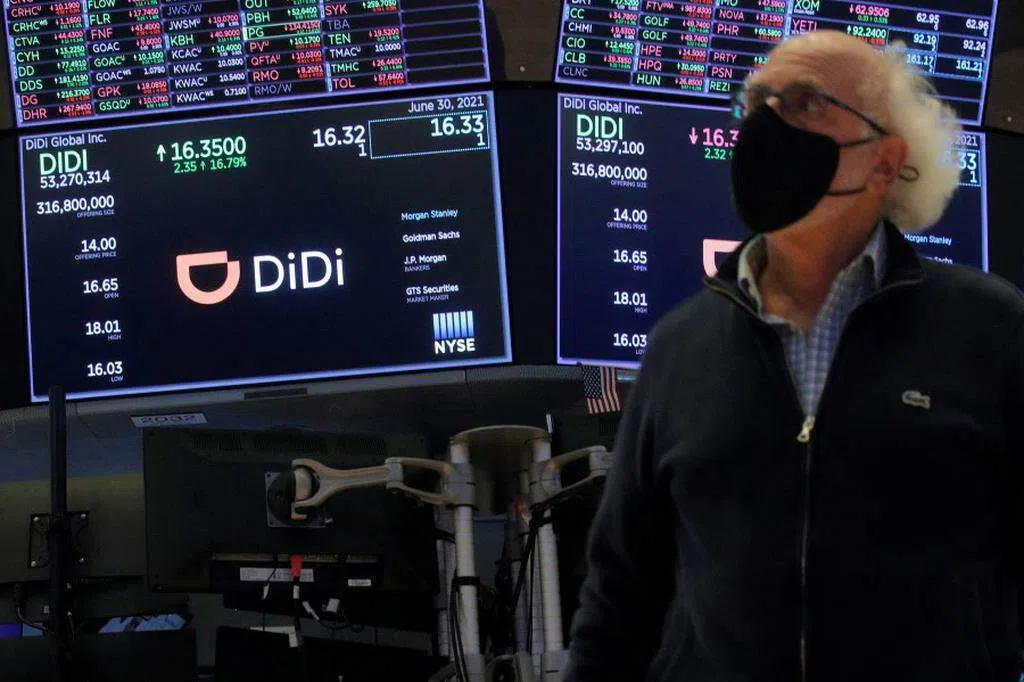
If not the US, can the Chinese government provide better IPO choices for internet companies?
Analyst Zheng Weibin notes that the clampdown on Didi shows that the competitive relationship between China and the US has affected the global interactions of tech giants, and political factors will matter more in global investments of startups in China. In the aftermath, will technological innovations such as digital manufacturing through artificial intelligence be straitjacketed?
Zheng Weibin
27 Jul 2021
Politics
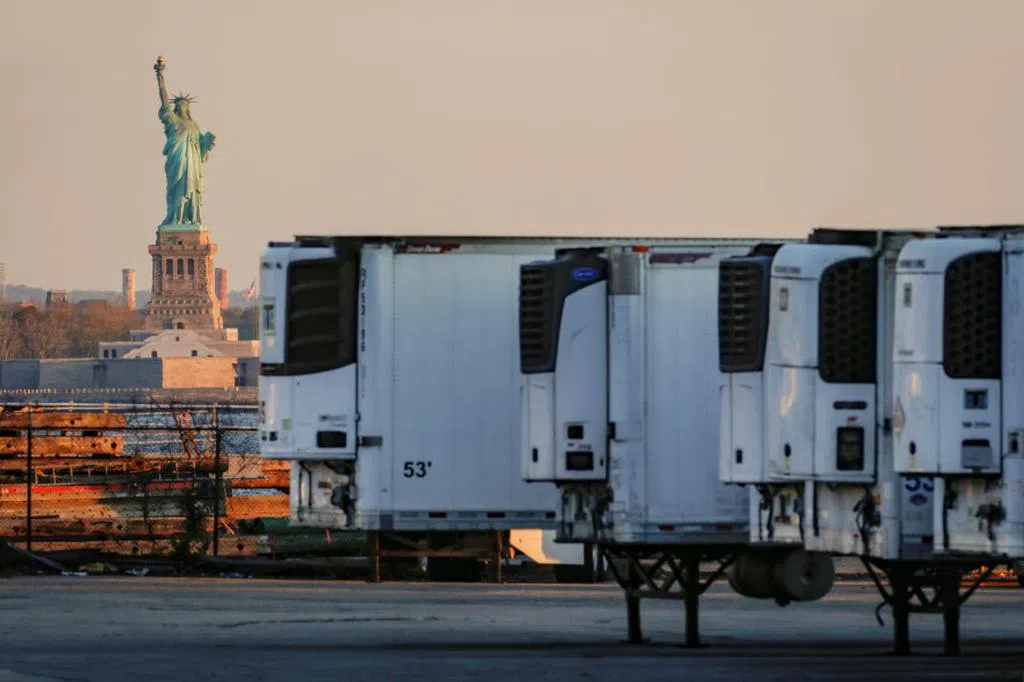
China is not the answer to America's problems
Analyst Zheng Weibin compares the current China-US competition to the Cold War, and notes that much of US domestic policy is in fact targeted at China, which perhaps distracts from the real domestic issues that the US should be tackling.
Zheng Weibin
13 Jul 2021