Entertainment
Technology
The Buddha’s lesson for robots: Who’s real, who’s not?
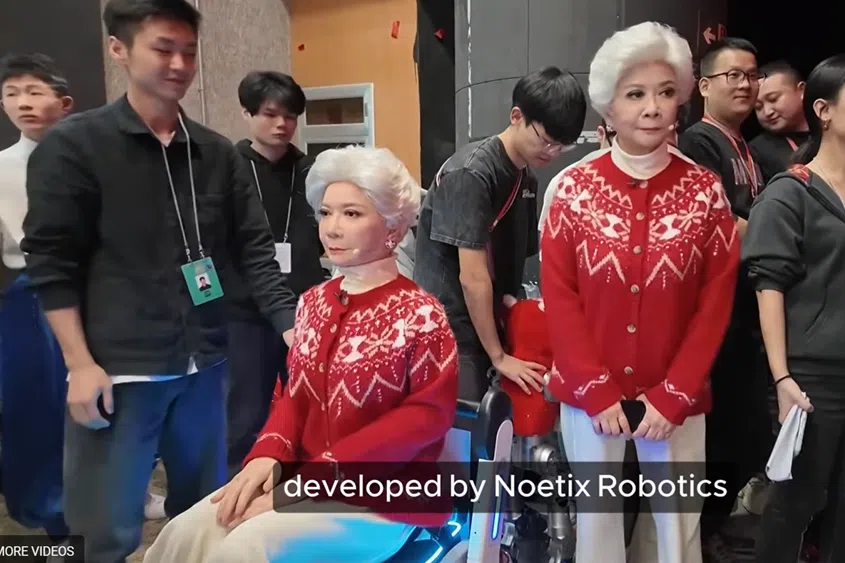
The recent showcase of the ability and appearance of humanoid robots during China’s Spring Festival Gala has set off a storm of discussion on whether robots that are indiscernible from humans are welcomed or not. Academic Zhang Tiankan notes that while robots can take over menial work, it must never hold a higher status than humans.
Zhang Tiankan
Culture
[Photos] One city, one dynasty: China’s travel photography sells dynastic dreams
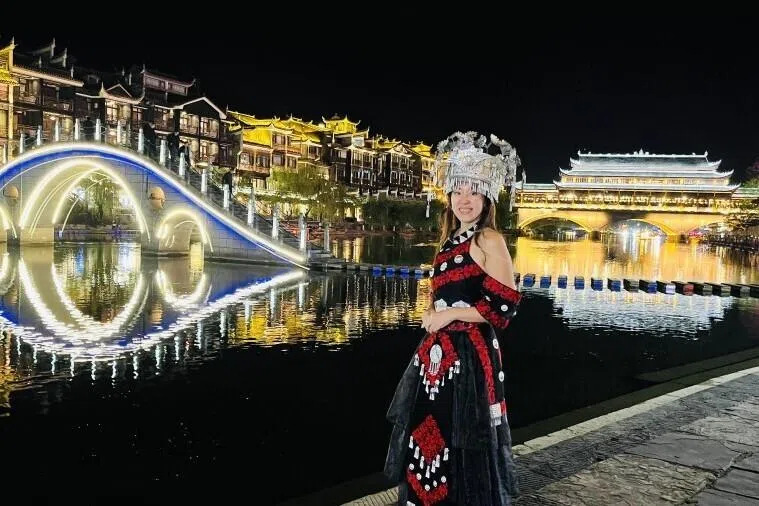
Across China’s tourist towns, travel photography turns visitors into “ancient beauties”. With costumes, stylists and lighting, cities sell curated dynastic fantasies in which tourists become part of the scenery. Writer Ng Kong Ling reflects on the purpose of travel and photography — to record the world, or express ourselves?
Ng Kong Ling
Technology
Seedance 2.0: China’s AI weapon for cultural and commercial clout
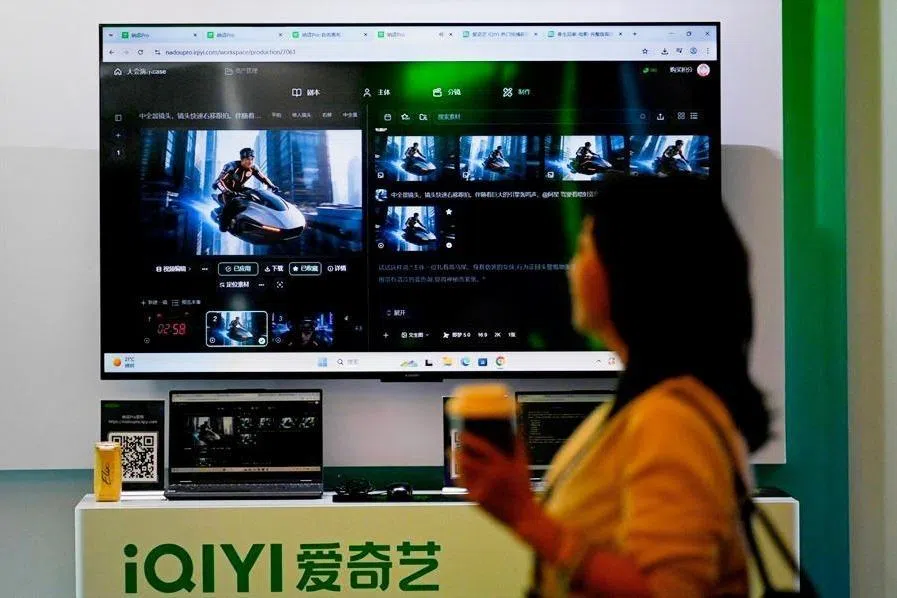
Seedance 2.0 puts China ahead in AI video. More than tech, it powers micro-dramas, spreads culture and fuels global commerce — turning algorithms into real-world influence. Chinese technology expert Yin Ruizhi examines the factors involved, not least the US style of form over substance, against China’s practical approach.
Yin Ruizhi
Society
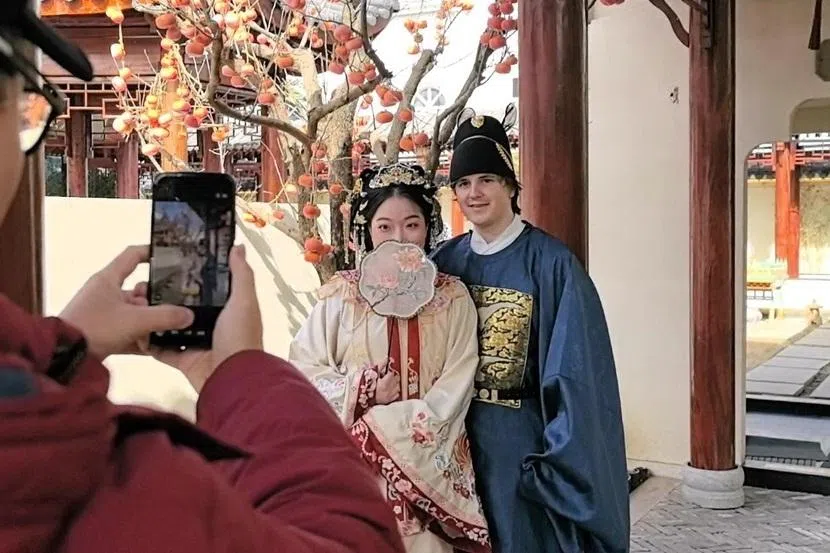
[Video] Why young Chinese are paying to ‘time-travel’ at dinner
More people in China are buying into the recent trend of immersive dining at themed restaurants, which offer diners an opportunity to experience Chinese history and culture, from dressing up in costumes from various dynasties to being part of familiar classics like Dream of the Red Chamber. Lianhe Zaobao correspondent Yush Chau dives in.
Yush Chau
Technology
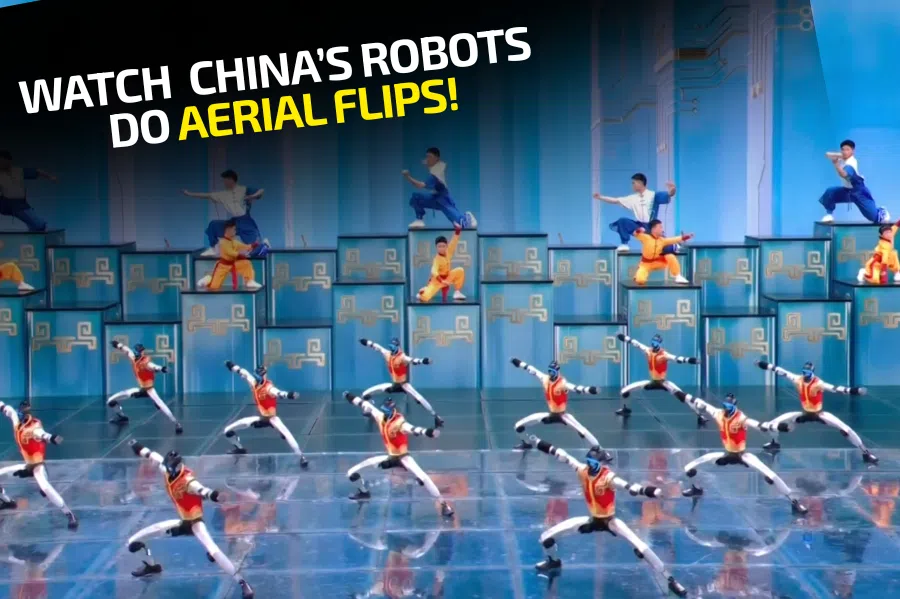
[Video] How robots stole the show at China’s Spring Festival Gala
Much of the conversation around this year’s China Spring Festival Gala on 16 February 2026 centred on humanoid robots — from martial arts robots to lifelike bionic robots. While many praised the innovation, others expressed doubts and criticism.
Yi Jina
Society
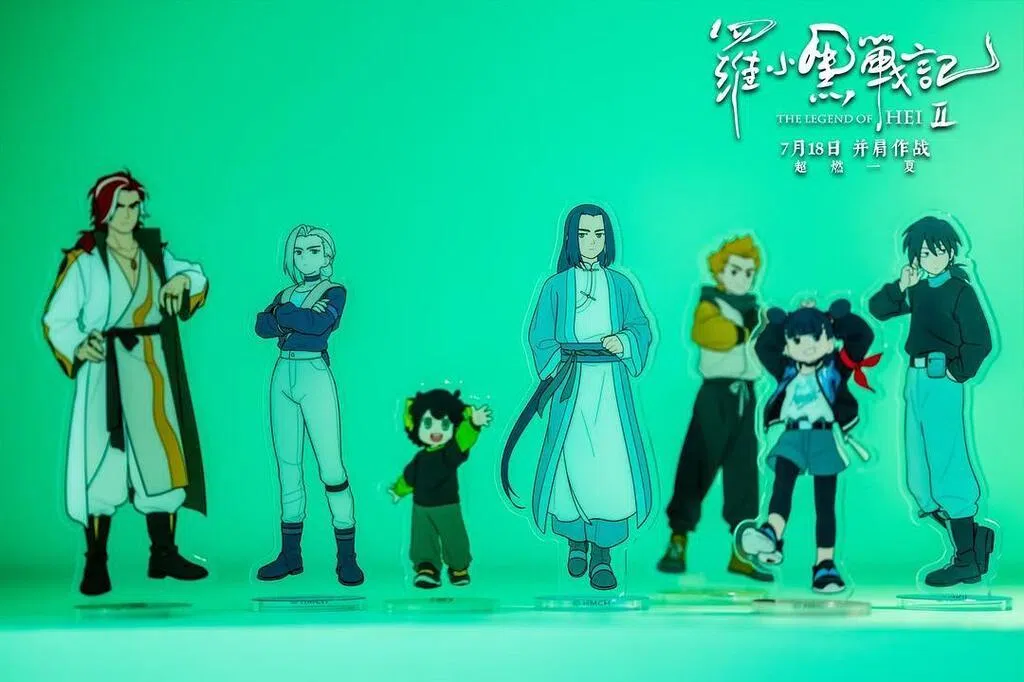
Not all heroes shout: How The Legend of Hei 2 reimagines Chinese animation
While Ne Zha signals industrial ambition and cultural export, The Legend of Hei reveals a gentler path — hand-drawn, community-made and emotionally grounded in coexistence rather than spectacle. Lianhe Zaobao visual journalist Fio Zhang explains its appeal and understated value.
Fio Zhang
Society
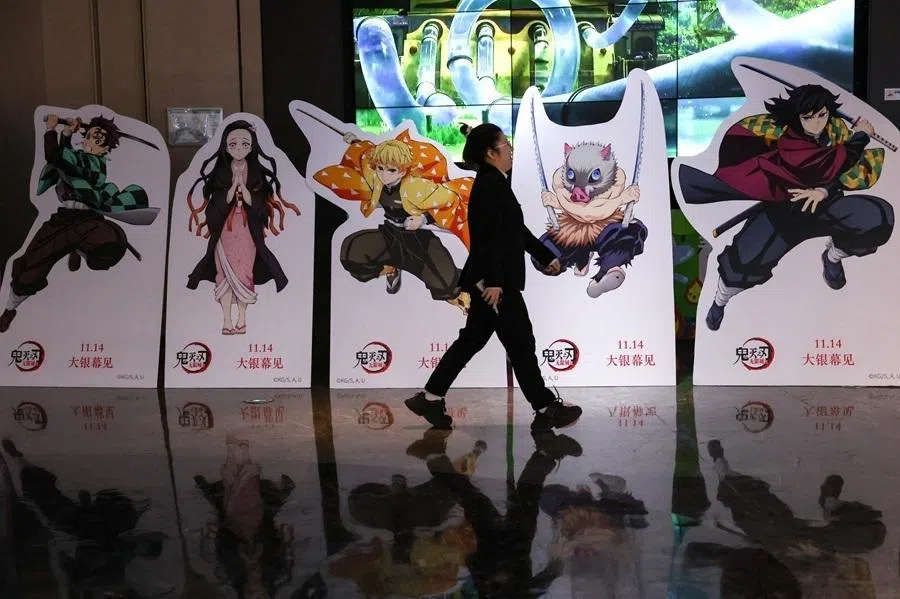
Japan’s entertainment dilemma: Navigating China’s cultural clampdown
The strained political relations between China and Japan have a far-reaching impact, not least the entertainment industry. Japanese academic Seio Nakajima takes a look at the recent difficulties in Japan-China cultural exchanges and how Japanese businesses should move forward.
Seio Nakajima
Society
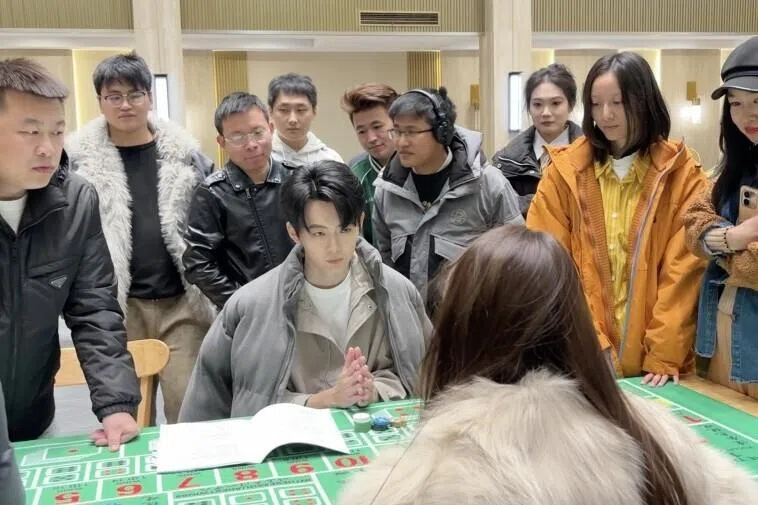
[Big read] Can Shanghai turn ‘vulgar’ micro-dramas into premium entertainment?
Micro-dramas are often seen as crass, quick-hit entertainment across China and beyond. Now, Shanghai’s International Short Video Center and its production park aim to elevate them, transforming bite-sized hits into premium storytelling. Lianhe Zaobao correspondent Li Kang speaks with industry insiders to explore their plans.
Li Kang

Technology
How AI made animation a mass industry in China
By slashing costs and production times, AI has turned animation in China from a studio-led craft into a mass industry. Thousands of short drama series are now made by small teams and individual creators, says Chinese technology expert Yin Ruizhi.
Yin Ruizhi
History
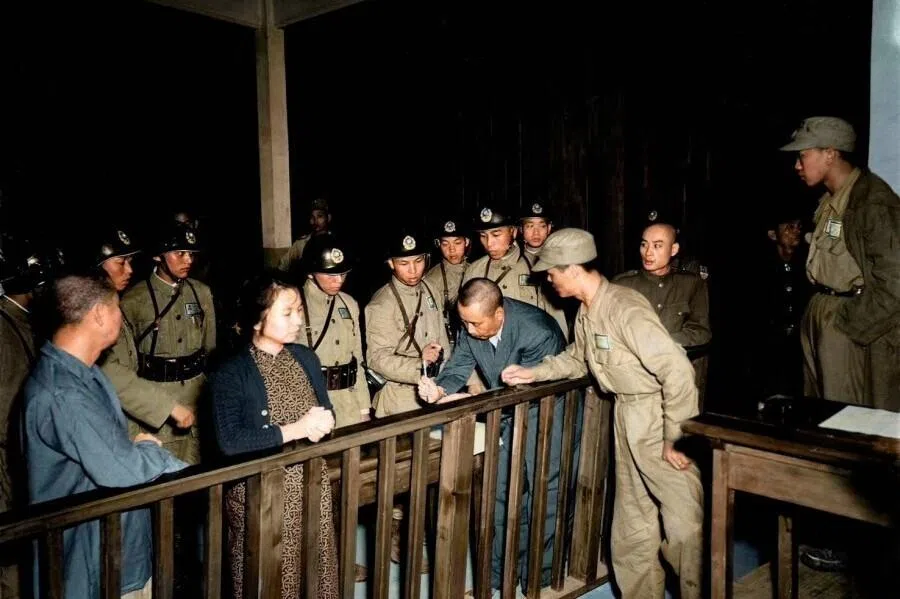
[Photos] Returning Zhu Feng: The long journey of a CCP secret agent’s remains
In the years after the Chinese Communist Party (CCP) came to power in mainland China, the Kuomintang (KMT) launched an extensive political purge in Taiwan that became known as the White Terror. The KMT hunted down and executed dissenters, including CCP spies, in an attempt to consolidate power. Today, the stories of the White Terror’s victims are slowly emerging. Taiwanese historical photo collector Hsu Chung-mao, who played a significant role in uncovering these forgotten experiences, tells us more about the dark chapter of Taiwan’s history.
Hsu Chung-mao