Farmer
Economy
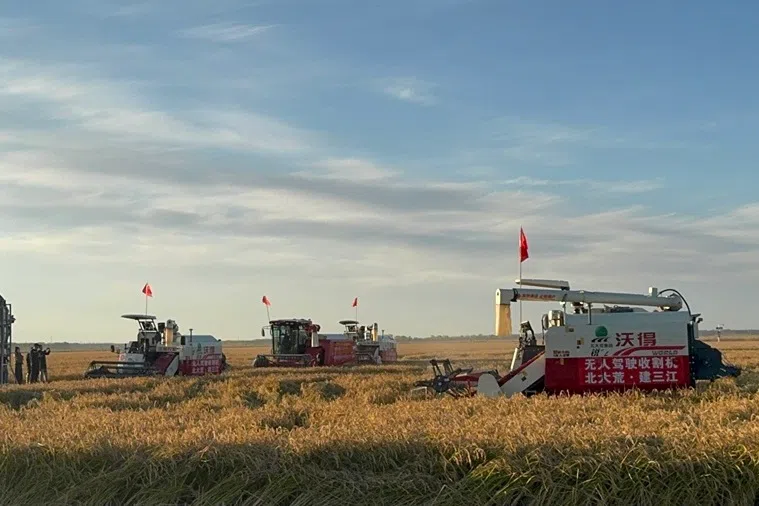
[Big read] China’s smart farms boost output, but can farmers afford the upgrade?
BeiDou-guided harvesters and soil big data are reshaping China’s agricultural heartland. But Lianhe Zaobao associate China news editor Sim Tze Wei explains why high-tech solutions alone cannot fully guarantee China’s food security.
Sim Tze Wei
13 Oct 2026
Technology
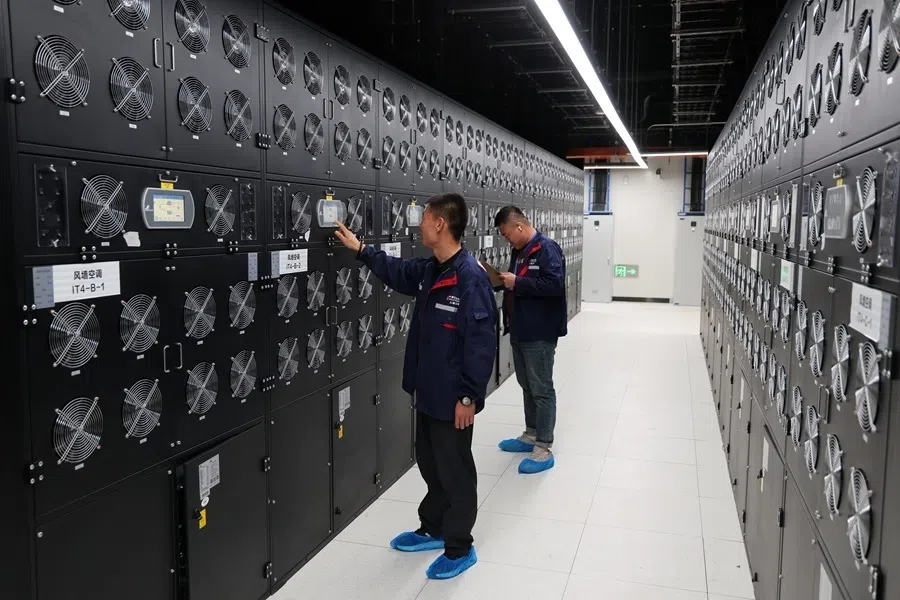
Will AI drink China’s farms dry?
China’s AI buildout is placing growing demands on scarce water resources in its arid west, raising difficult questions about the competing needs of data centres, farmers, ecosystems and food security. EAI deputy director Chen Gang explains.
Chen Gang
21 Sep 2026
Economy
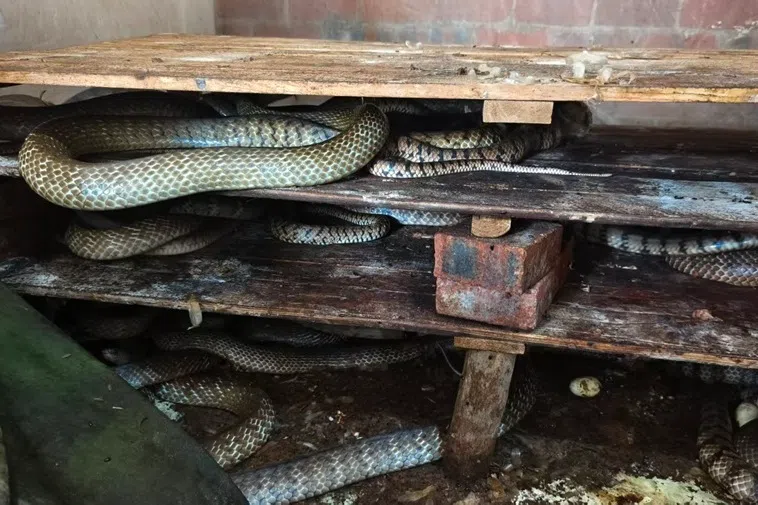
Why Chinese farmers refuse to give up snake farming
A recent flood in Guangxi has put the spotlight on China’s lucrative but hazardous snake farming industry, revealing the complex trade-offs between rural livelihoods and public safety. Lianhe Zaobao correspondent Lim Zhan Ting examines the issue.
Lim Zhan Ting
24 Aug 2026
Economy
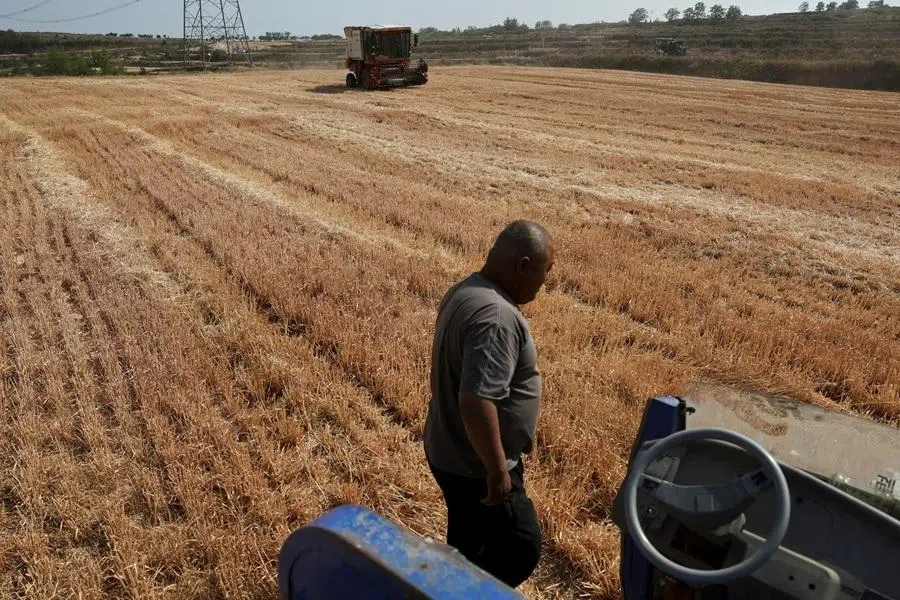
High-tech farming cannot rescue China’s smallholders
China has grand plans for innovation-driven productivity in the agricultural sector, but how will these initiatives trickle down to the regions and the large proportion of smallholder farmers? Researcher Genevieve Donnellon-May discusses the issue.
Genevieve Donnellon-May
26 Jun 2026
Economy
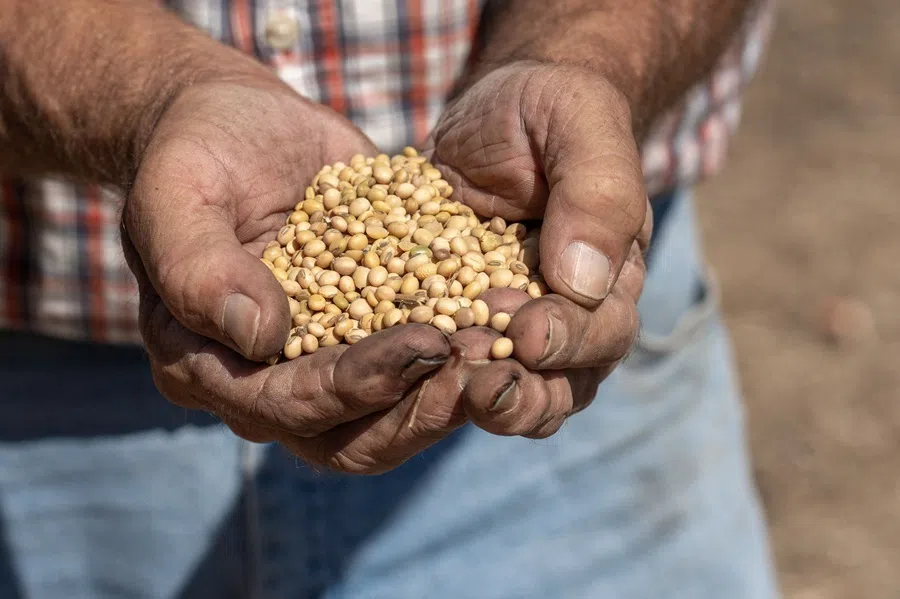
The US-China soybean comeback that could reshape global markets
How can a single handshake in Busan reshape global soybean flows, US farm politics and China’s food security strategy all at once? Researcher Genevieve Donnellon-May analyses the implications and challenges to the latest US–China deal on soybeans trade.
Genevieve Donnellon-May
17 Dec 2025
Economy
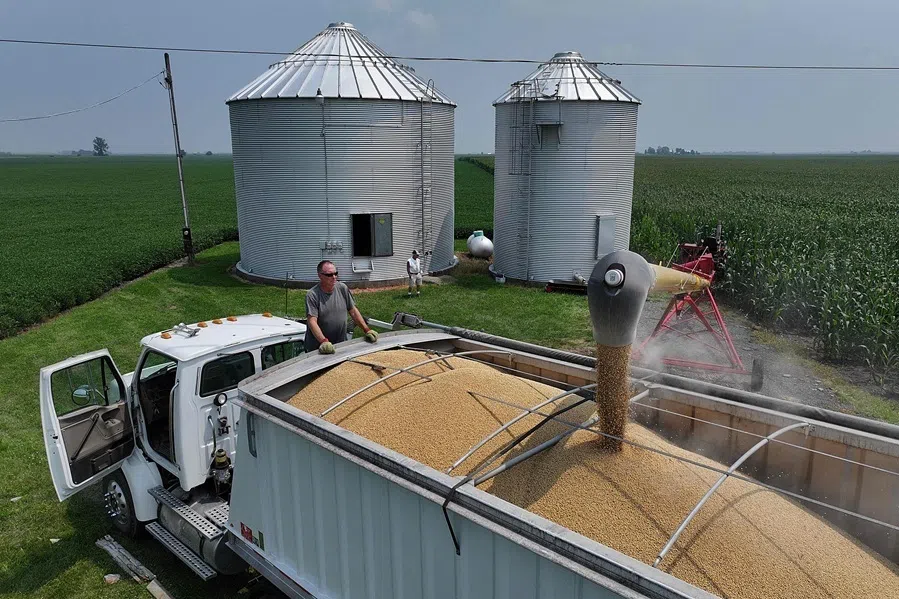
Soybeans, canola and power: How China turned food into a strategic weapon
Can food trade become a tool of geopolitical strategy? For China, the answer is yes. Researcher Genevieve Donnellon-May examines how China’s agricultural imports of agricultural products like canola and soybeans are being reshaped by ongoing tensions with Canada and the US.
Genevieve Donnellon-May
22 Sep 2025
Technology
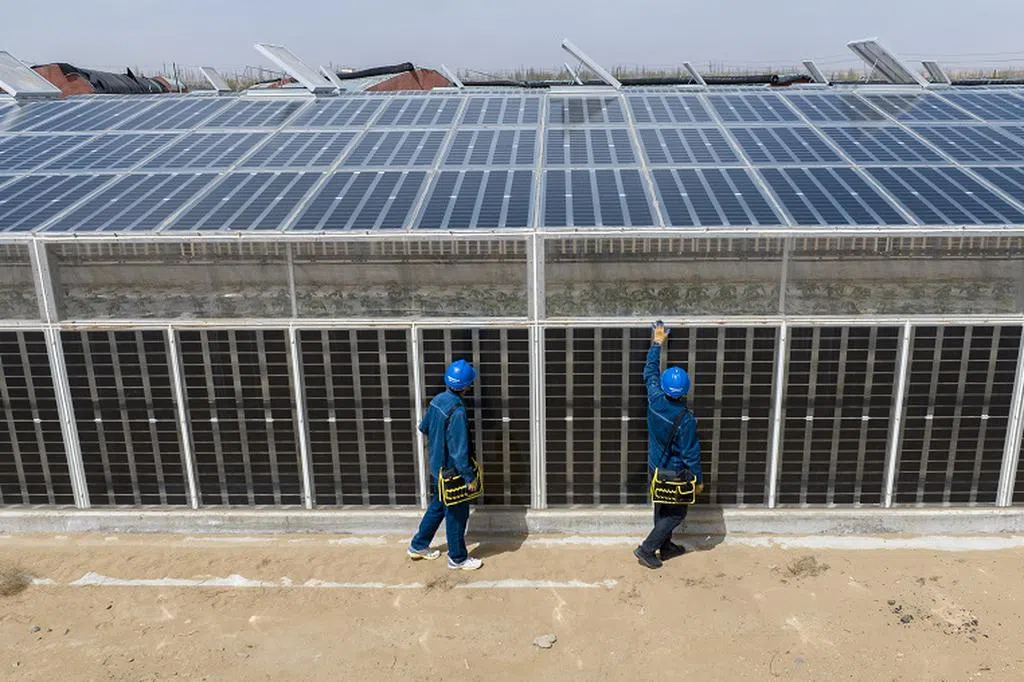
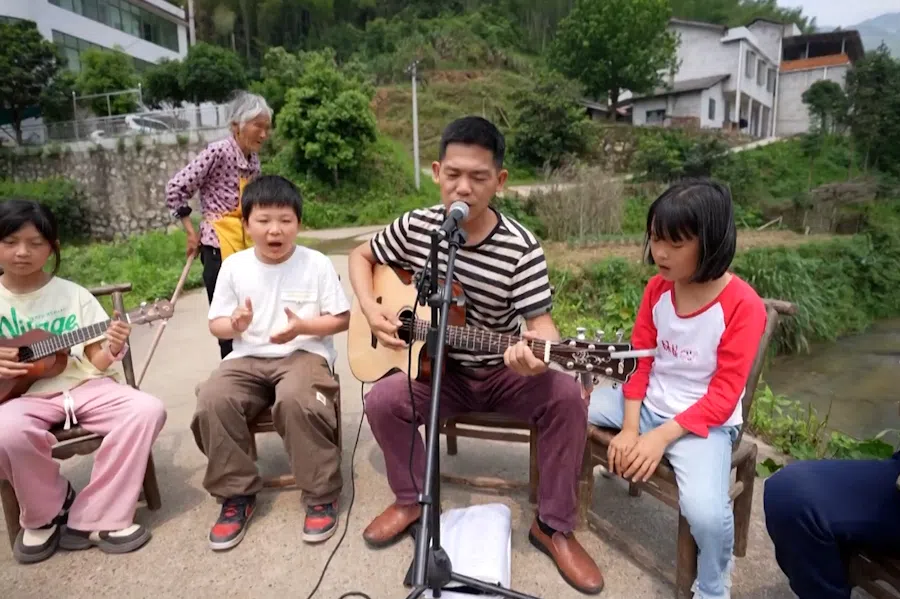
Coding crops: How AI is sowing change in rural China
Artificial intelligence (AI) farming might sound like a futuristic concept, but it is fast becoming a reality in China. AI usage has spread to rural areas, where young, tech-savvy farmers are using it as a tool to increase agricultural efficiency and productivity. Academic Zhang Tiankan tells us more.
Zhang Tiankan
15 May 2025
Society
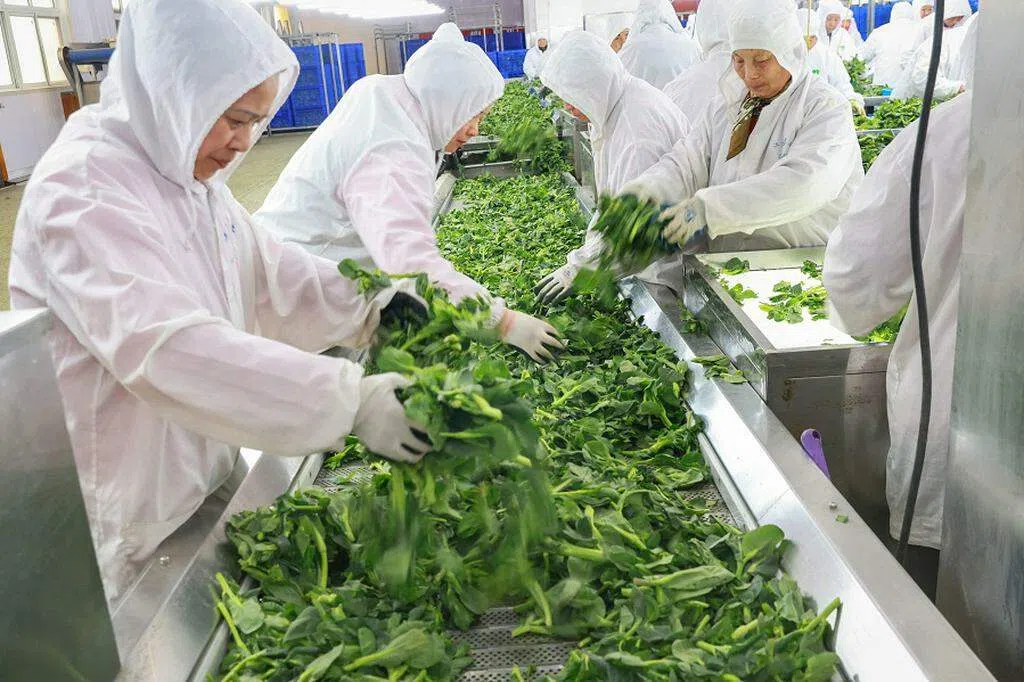
Tackling food fraud upstream and downstream
Journalist Chieh-Yi Cheng notes that the traditional ways of food preparation have given way to high-tech production, leading to the improvement of food quality, as well as counterfeiting methods. It now becomes a cat-and-mouse game, with the need to boost efforts in surveillance, tracing funding sources, and tracking the quantity and movement of raw materials and ingredients, in order to nip the problem in the bud.
Chieh-Yi Cheng
27 Mar 2024
Society
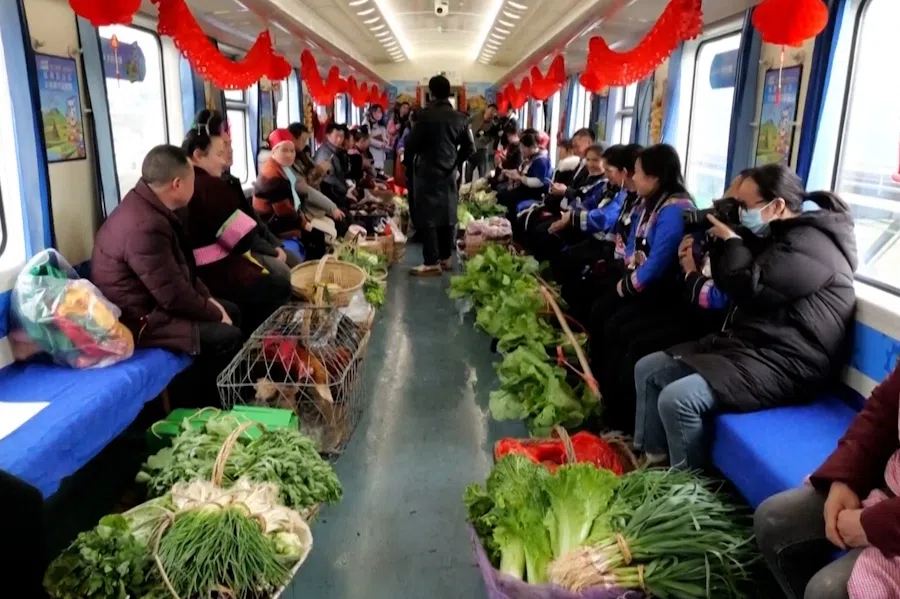
[Video] Farmers' markets on China's 'slow trains': Going places
In today's fast-paced world, China's "slow trains" remain essential. They stop at many otherwise inaccessible areas, providing transport for rural residents and a means for them to bring their agricultural products to nearby towns. Designated cabins on the train turn into makeshift farmers' markets, especially in the run-up to Chinese New Year.
Yi Jina
16 Feb 2024
Society
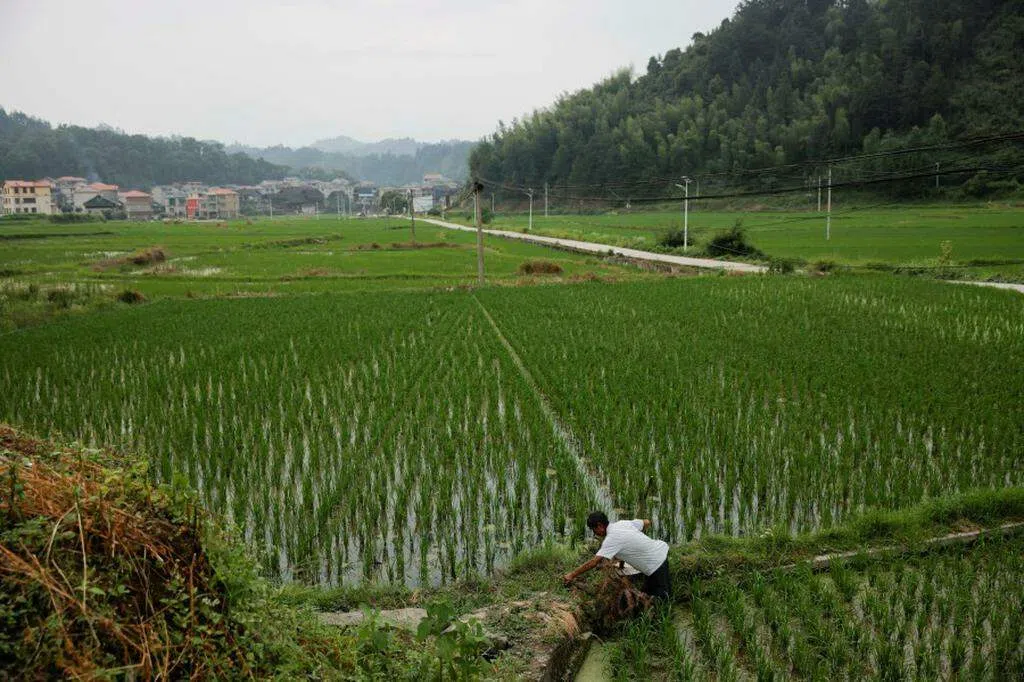
Governing modern Chinese villages is a big challenge
Chinese academic Hu Ying notes that rural governance in China is facing new and diverse sets of challenges. While traditional rural governance looks after people's need for money, food and to protect their livelihoods, current rural issues could include the provision of public services, targeted poverty alleviation, land management and ecological protection. Not only that, traditional value systems are now a thing of the past as villagers gain an increased awareness of individual rights. The authorities would need different skills, and to be supported by new social structures in order to do their job well.
Hu Ying
07 Mar 2022