Muslim World
Politics
The seas are no longer free: Pirate kings and the emerging maritime order
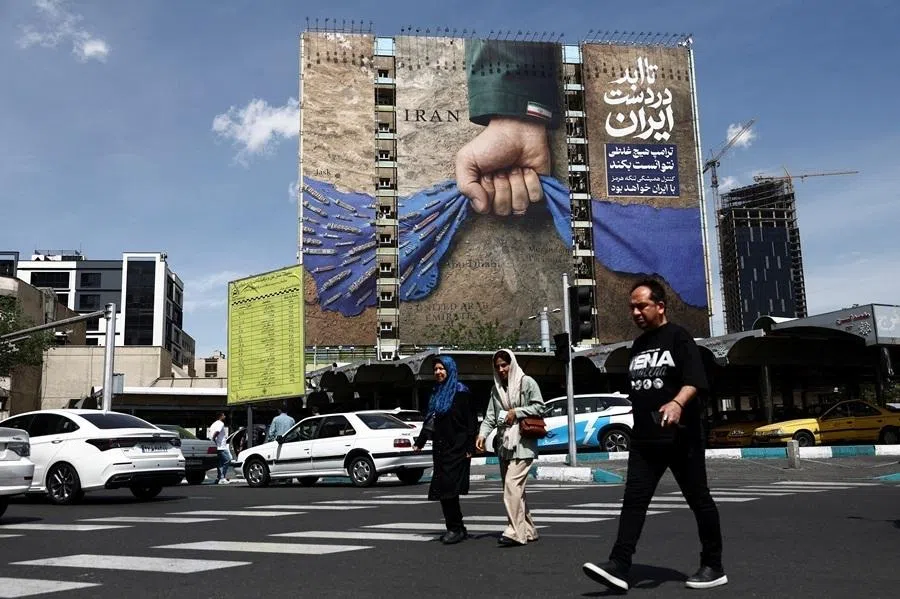
With the Strait of Hormuz held hostage by players like Iran and the US, the notion of “state piracy” has returned to the debate, alongside rising scrutiny of countries along key waterways such as the Strait of Malacca. US academic Ma Haiyun argues that these “strait powers” may be able to convert control over maritime chokepoints into geopolitical leverage.
Ma Haiyun
06 May 2026
Politics
How civilisational politics fuels today’s wars
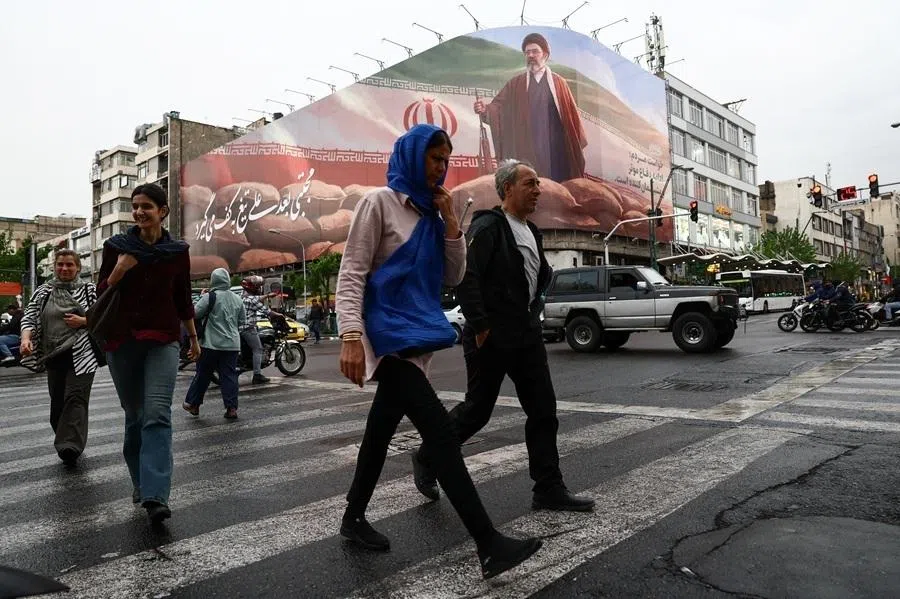
Academic Ma Haiyun traces the history of civilisational conflict narratives in Western strategic thinking, built on Jewish intellectual foundations, long before the rise of Samuel P. Huntington’s The Clash of Civilizations and the Remaking of World Order. Such approaches have had a profound effect on influencing the US’s behaviour in the Middle East and spillover effects in the region.
Ma Haiyun
22 Apr 2026
Politics
The rise of Pakistan in the emerging diplomacy over Iran
Pakistan, the only Muslim-majority nuclear-armed state, is now a key conduit of the Iran war. Its security ties with Saudi Arabia boost its regional clout, while its links to both the US and China show that in crises, the most important states are not the strongest, but those that other actors can still use.
Hao Nan
02 Apr 2026
Politics
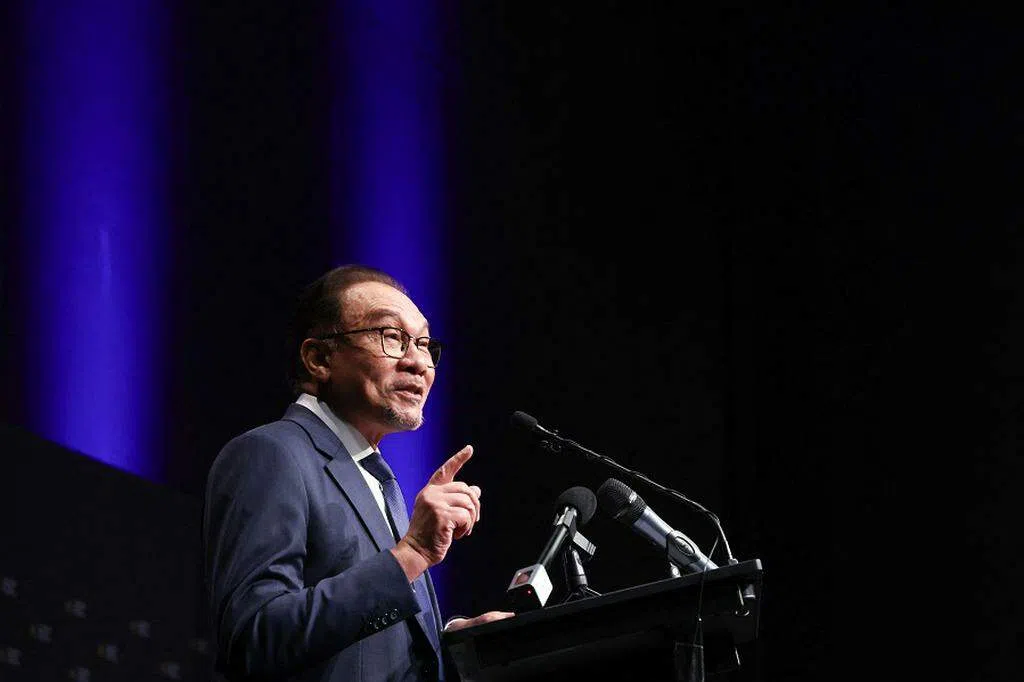
[Big read] Malaysian Prime Minister Anwar Ibrahim: Maintaining good relations with both China and the US
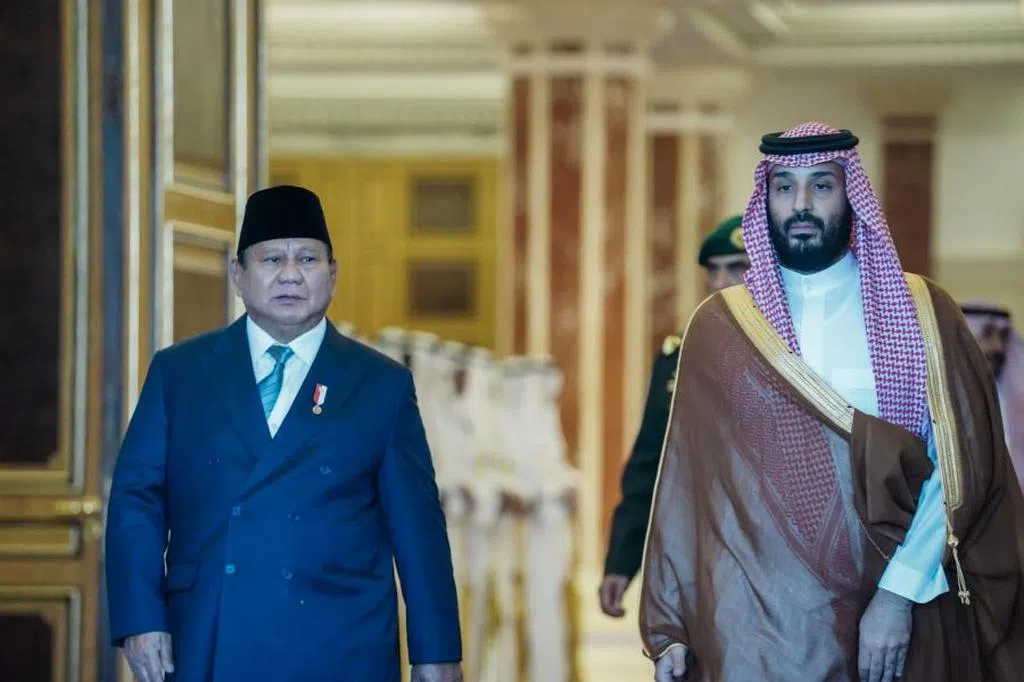
With Malaysian Prime Minister Anwar Ibrahim in the role as head of government for more than a year, his stance on foreign policy and relations with China and other countries is becoming clearer. Anwar's role on the international stage may gain even greater prominence with Malaysia's chairmanship of ASEAN coming up next year. Meanwhile, he will also need to contend with garnering domestic support, especially among the Malay community. Lianhe Zaobao journalist So Choon Siang speaks with academics to find out more.
So Choon Siang
04 Apr 2024
Society
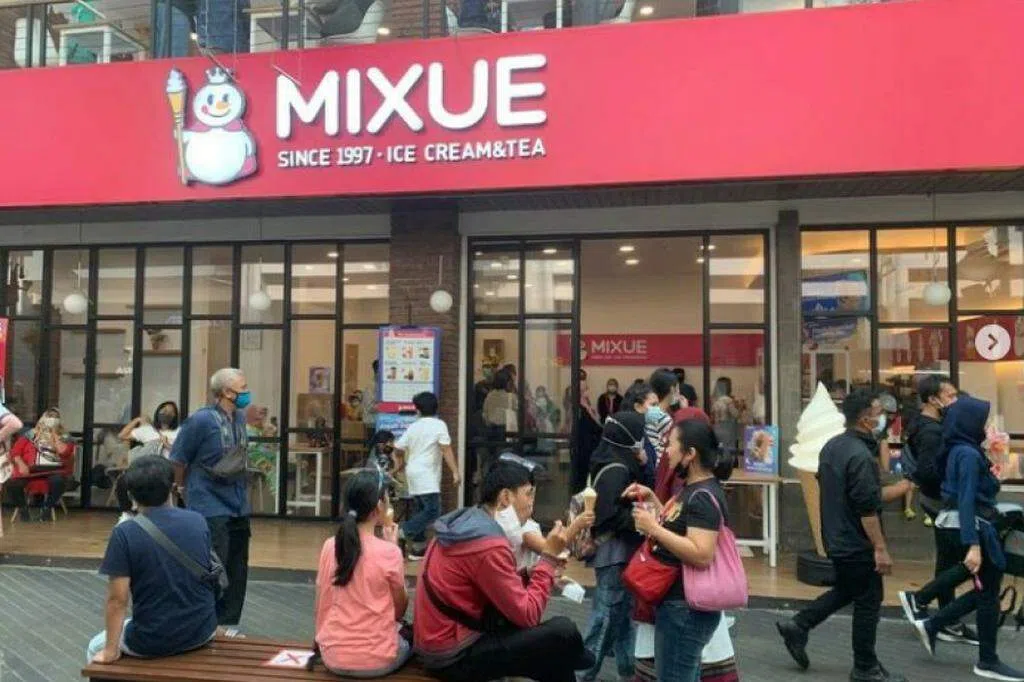
Much ado about Chinese ice cream Mixue's halal certification in Indonesia
ISEAS academic Leo Suryadinata looks at the Chinese ice cream brand Mixue and the difficulty it faces in getting a halal certificate in Indonesia. What does it say about the power struggle between different interest groups and Indonesia's processes?
Leo Suryadinata
31 Jan 2023
Society
Will Indonesia establish a University of Confucianism?
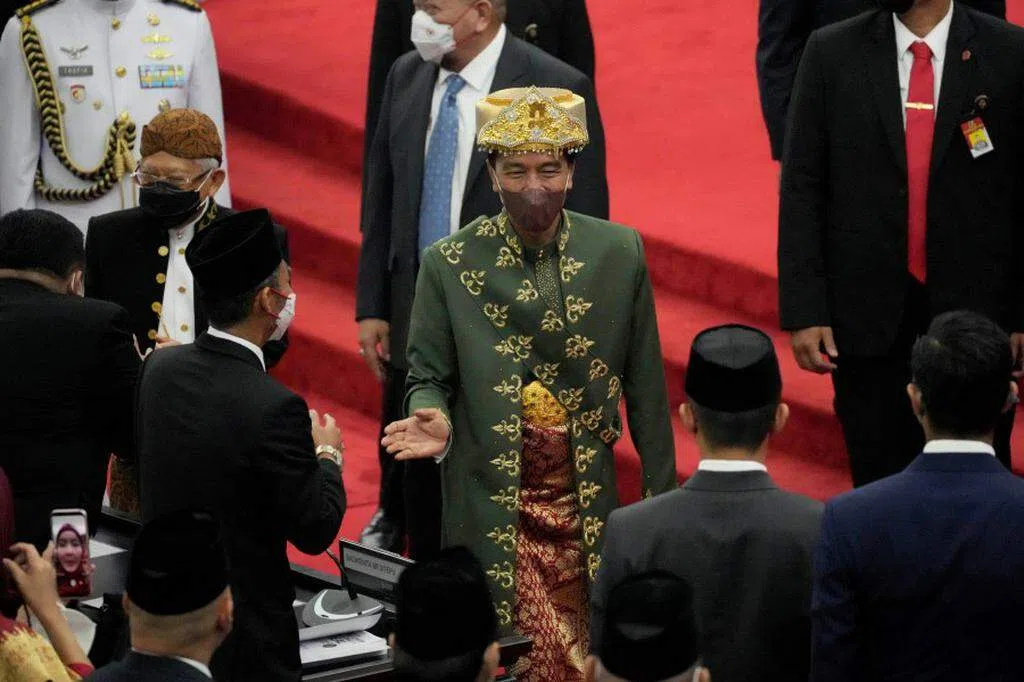
The Joko Widodo administration recently announced plans to establish the International State University of Confucianism in Bangka Belitung province. This plan has however been strongly opposed by the local Aliansi Ulama Islam (Islamic Ulama Alliance, or AUI). The success of the plan to establish the university is probably contingent on whether Joko Widodo remains in power. Should a conservative Muslim politician be elected as the next president, it is unlikely that this university will be built.
Leo Suryadinata
01 Nov 2022
Politics
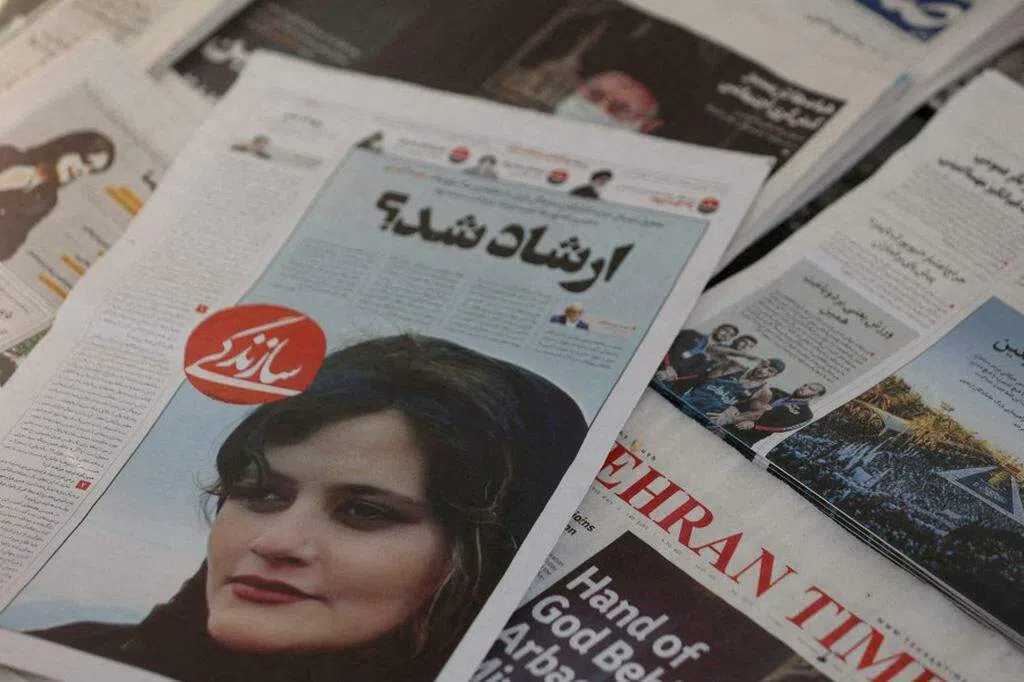
Can China stay silent about mass protests in Iran?
Even as the protests in Iran continue after more than a month with no sign of abating, all efforts seem futile as external support is not forthcoming. There looks to be little hope of permanent change as the current regime remains firmly in control. Meanwhile, as China expands its global influence, can it stay silent in dealing with the internal affairs of Iran and other countries? Or remove reports of protests from their state media?
Fan Hongda
26 Oct 2022
Politics
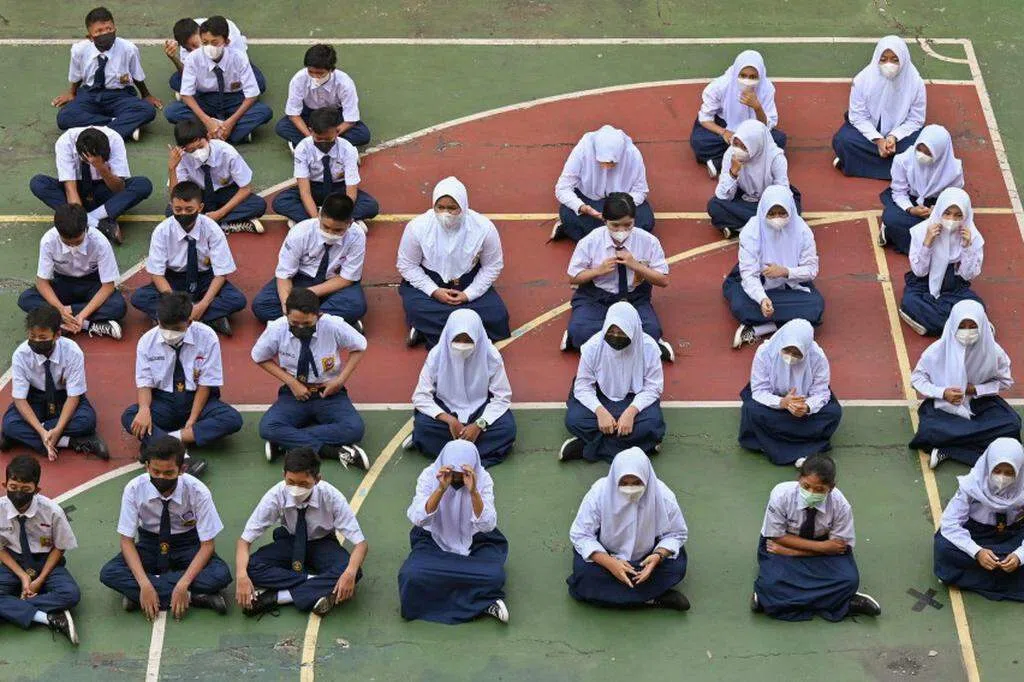
China's Islamic diplomacy in Indonesia is seeing results
China's efforts at Islamic diplomacy - including providing scholarships for Indonesian students and inviting leaders of Islamic organisations to visit China - seem to be paying off, at least in producing young academics like Novi Basuki, who has been defending China's actions in Xinjiang. NTU academic Leo Suryadinata tells us more.
Leo Suryadinata
09 Feb 2022
History
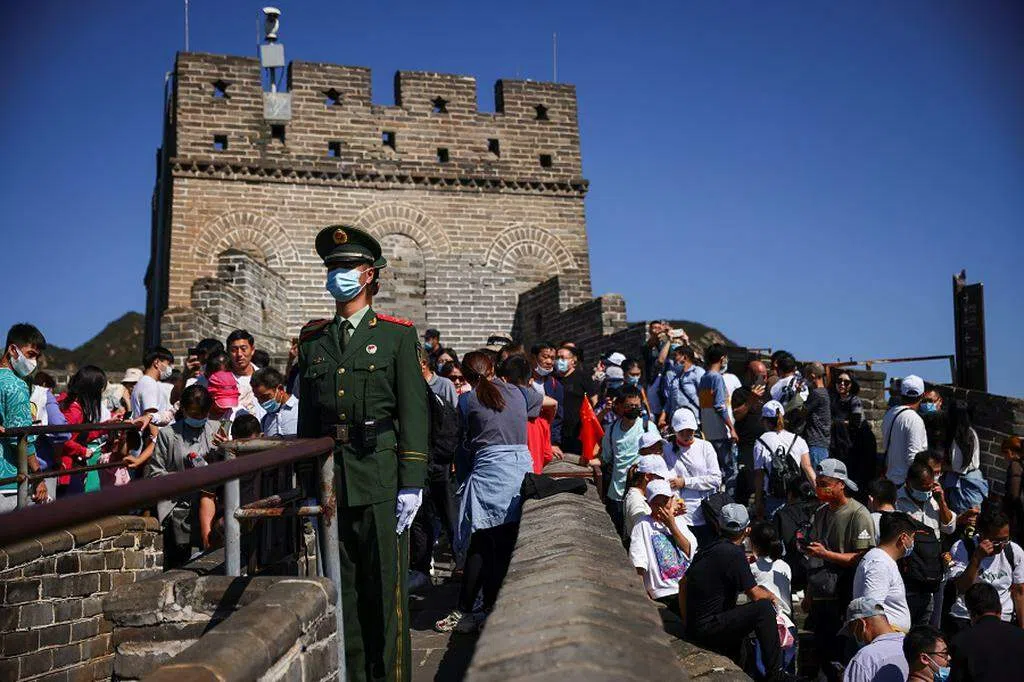
Wang Gungwu: China, ASEAN and the new Maritime Silk Road
Professor Wang Gungwu was a keynote speaker at the webinar titled "The New Maritime Silk Road: China and ASEAN" organised by the Academy of Professors Malaysia. He reminds us that a sense of region was never a given for Southeast Asia; trade tied different peoples from land and sea together but it was really the former imperial masters and the US who made the region "real". Western powers have remained interested in Southeast Asia through the years, as they had created the Southeast Asia concept and even ASEAN. On the other hand, China was never very much interested in the seas or countries to its south; this was until it realised during the Cold War that Southeast Asia and ASEAN had agency and could help China balance its needs in the maritime sphere amid the US's persistent dominance. The Belt and Road Initiative reflects China's worldview and the way it is maintaining its global networks to survive and thrive in a new era. This is an edited transcript of Professor Wang's speech.
Wang Gungwu
16 Nov 2021
Politics
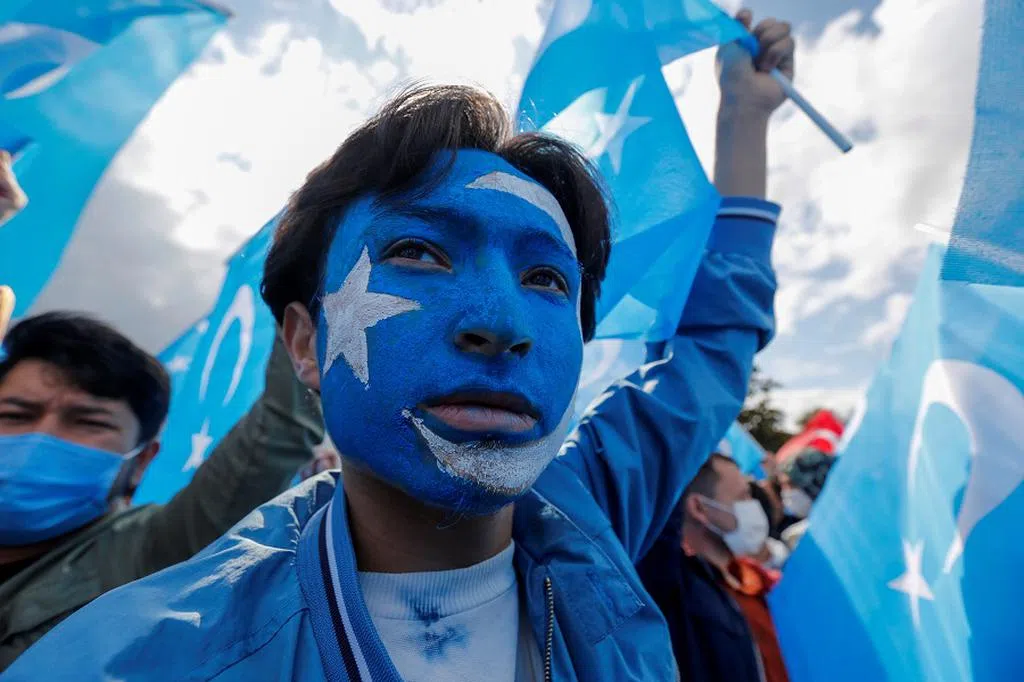
The Xinjiang problem: Can Washington be the defender of all?
Amid revived calls for countries to boycott the Winter Olympics in Beijing over Xinjiang, academic Peter Chang reflects that the Xinjiang issue has drawn the attention of the West, Muslim populations and others around the world. But the issue, while important, has been further politicised in the wider US-China contest. Moral grandstanding by the West when confronting China does not help the situation either. How much collateral damage will there be in this strategic game?
Peter T.C. Chang
10 Nov 2021