Nanjing
History
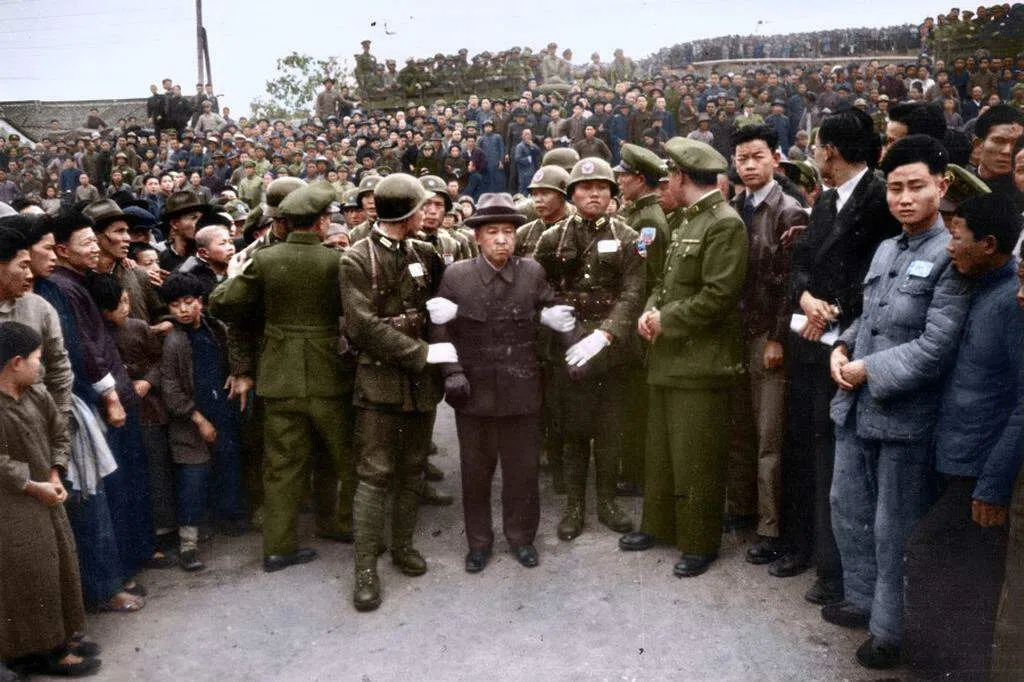
[Photo story] The long road to justice against Japanese war criminals and collaborators
Following Japan's surrender at the end of the Second World War, the horrific military atrocities were brought to light as war criminals were put on trial. Historical photo collector Hsu Chung-mao provides descriptions and images of that period. This article may contain some visually disturbing images.
Hsu Chung-mao
15 Sep 2023
Politics
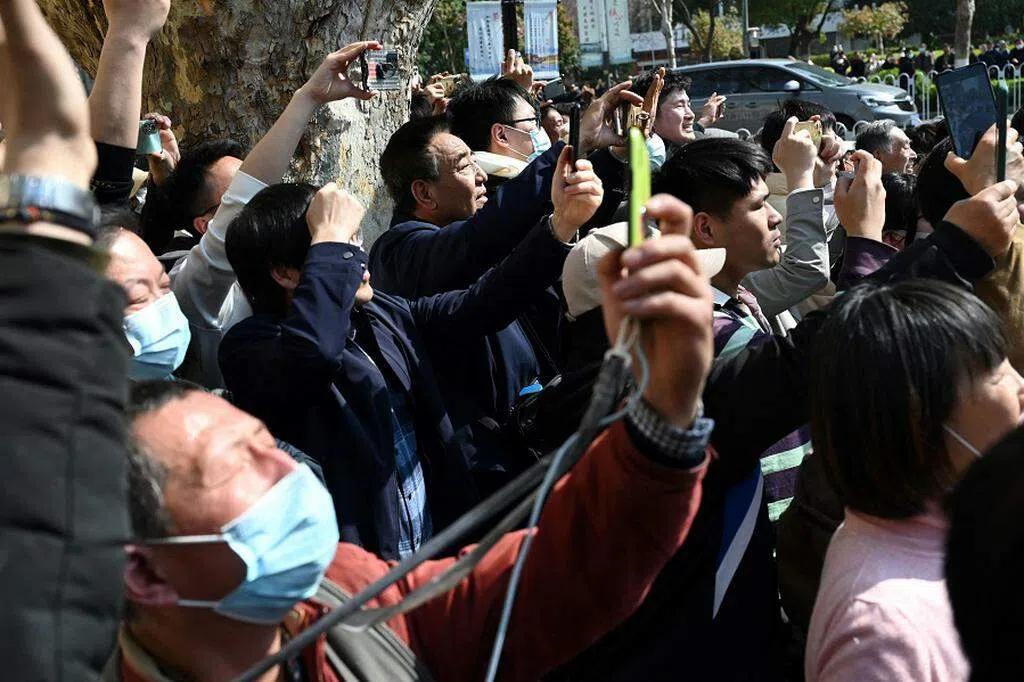
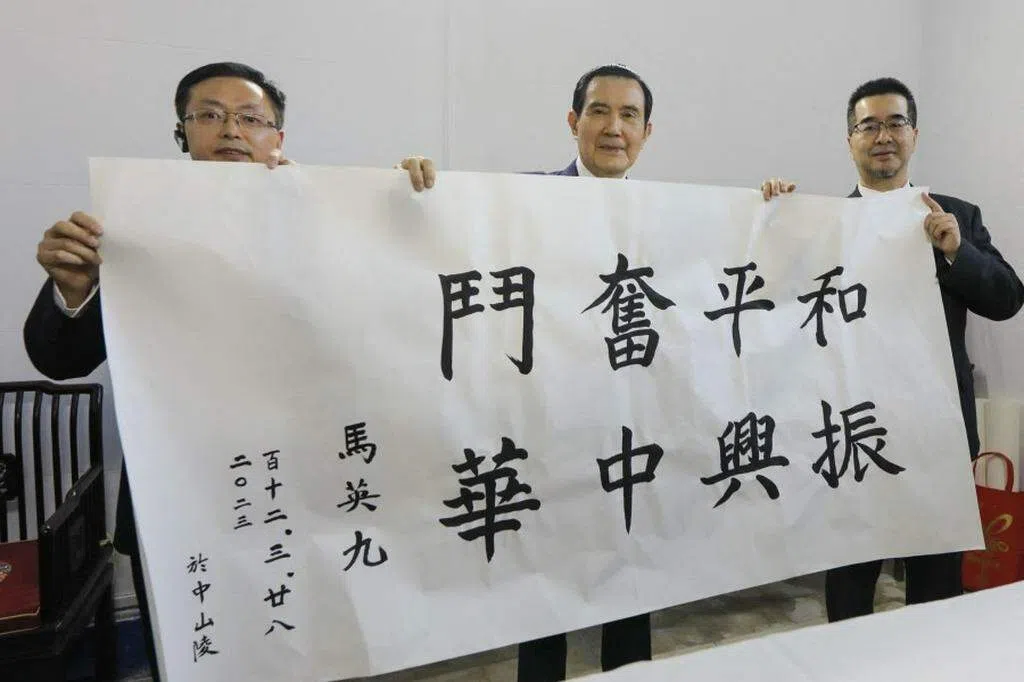
All the subtleties: Former Taiwan President Ma Ying-jeou's words and actions in China
Former Taiwan President Ma Ying-jeou's trip to mainland China began with a visit to Dr. Sun Yat-sen's Mausoleum, where Ma paid tribute to Sun in a wreath-laying ceremony and a speech, in which he mentioned Minguo (the short form of the Republic of China) four times, and called for peace efforts on both sides of the Taiwan Strait.
Miao Zong-Han
29 Mar 2023
Society
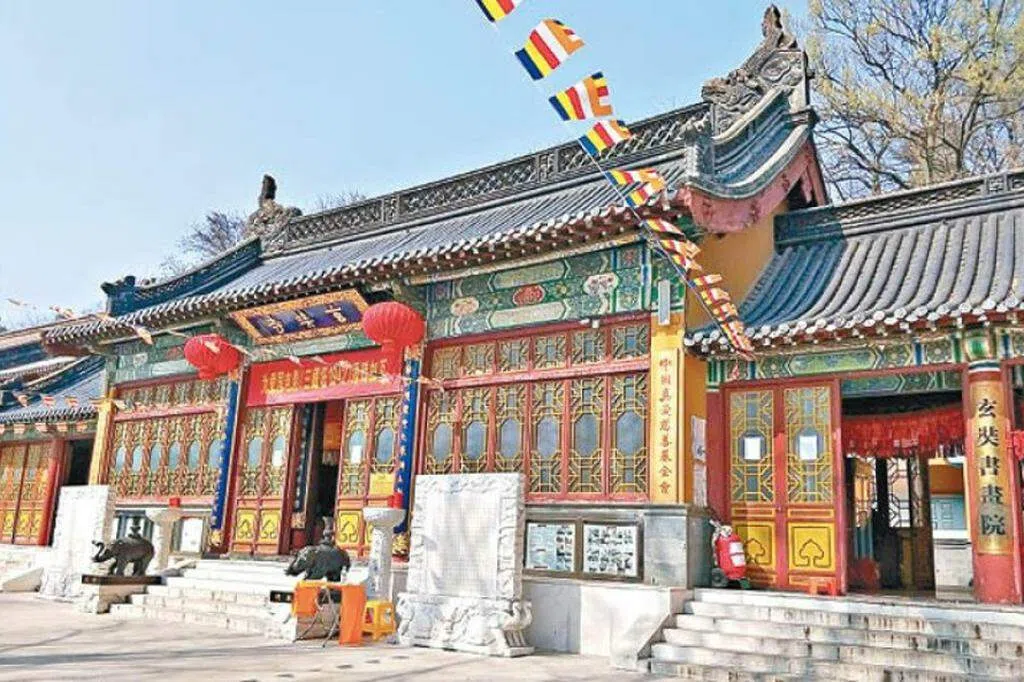
Corruption in China seeps into the Buddhist world
Amid the controversy over honouring Japanese war criminals, Xuanzang Temple in Nanjing has found itself in more hot water as its former abbot Chuanzhen was exposed for his connections in the business and official circles. Zaobao correspondent Yang Danxu gives a profile of this senior monk and what his secular activities mean for the temple and for Buddhism.
Yang Danxu
27 Jul 2022
History
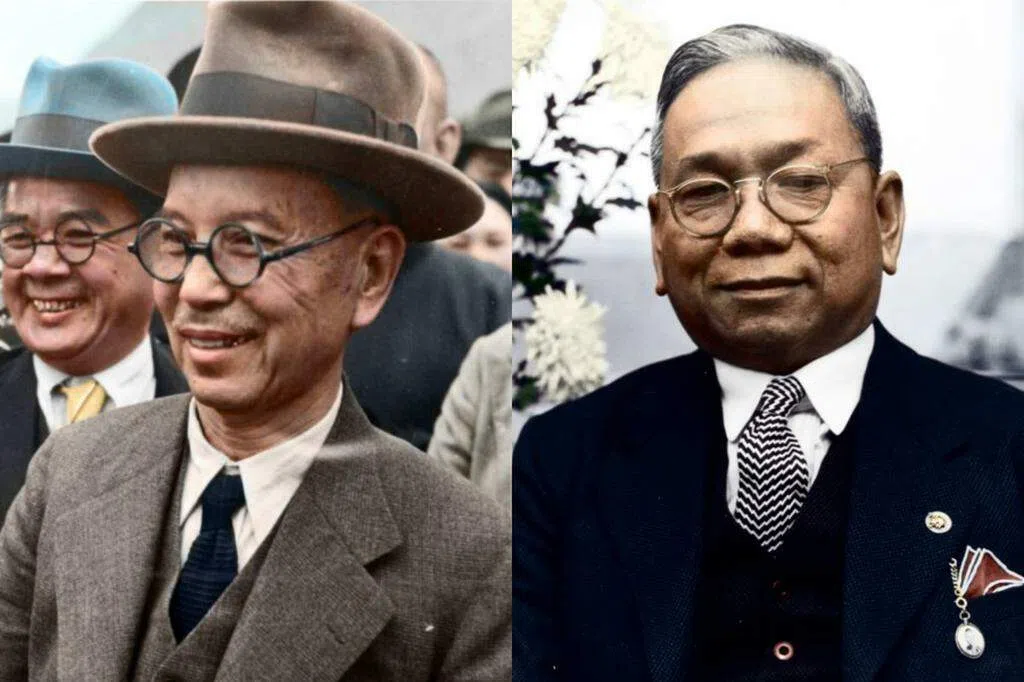
Tan Kah Kee, Aw Boon Haw and the Second Sino-Japanese War [Photo story]
When Japan attacked China during the Second Sino-Japanese War, overseas Chinese in Southeast Asia made contributions to China's war efforts. Among the most prominent community leaders were Tan Kah Kee and Aw Boon Haw, who corralled donations and made separate visits to Chongqing. Historical photo collector Hsu Chung-mao takes us back to that period and shows us the atrocities of war and the indomitable human spirit reflected in old photos.
Hsu Chung-mao
27 May 2020
Culture
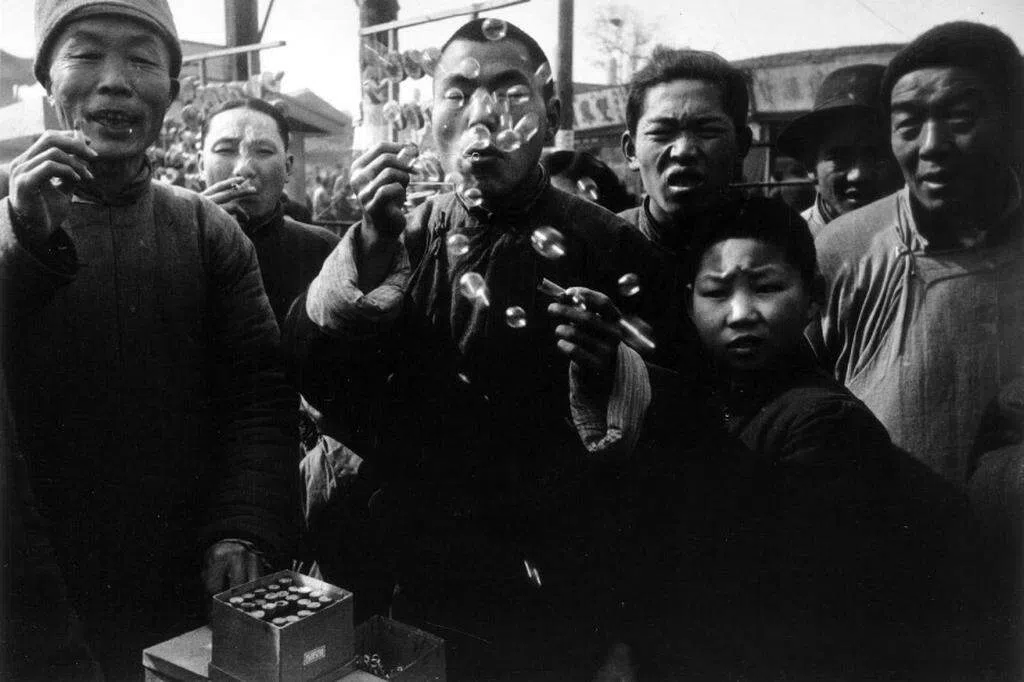
[Chinese New Year Special] A bygone era: Chinese New Year celebrations during the time of the Republic of China
The Chinese calendar, based on observations of sun and moon, was chiefly used to mark agrarian time. With the dawn of the Republic of China in 1912, official calendars were reset to the Gregorian system. No matter that the start of the year was now 1 January, people's lives were still much tied to the land. They welcomed the Spring Festival and Chinese New Year with relish, celebrating their well-earned rest from toil. Photo collector Hsu Chung-mao shares his precious images of celebrations in Beijing and Nanjing from a bygone era.
Hsu Chung-mao
21 Jan 2020