Qing Dynasty
History
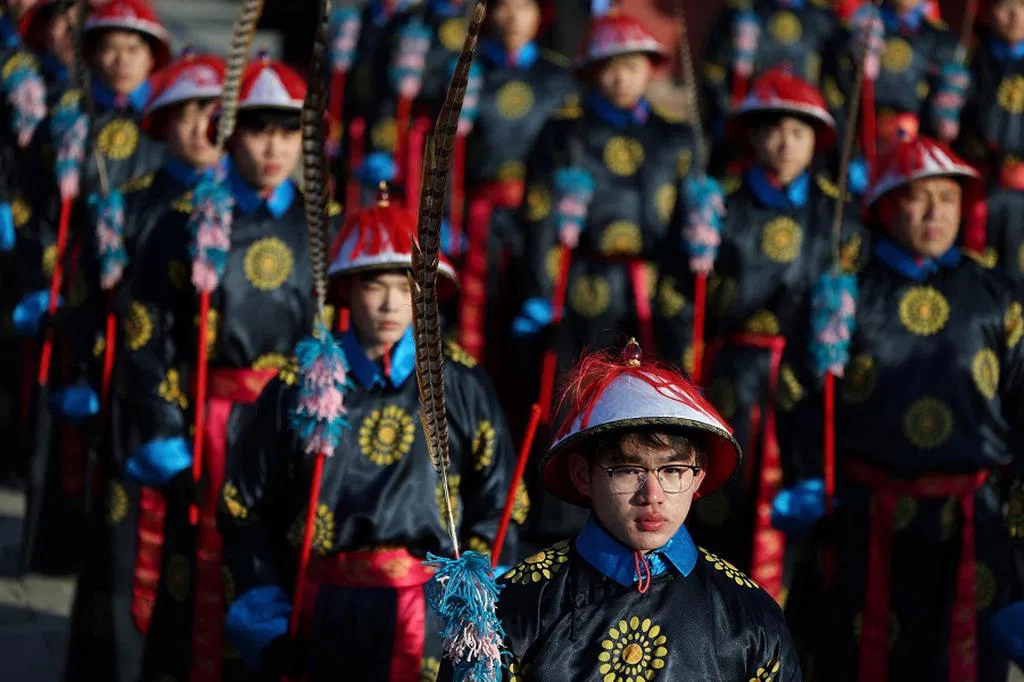
China’s battle for the narrative on Qing history: A matter of national rejuvenation
Despite several attempts to compile Qing History (《清史》), efforts by Chinese historians continue to see setbacks, with China’s ideological security on the line. Lianhe Zaobao’s China Desk takes a look at the controversy surrounding this mammoth task.
China Desk, Lianhe Zaobao
10 Apr 2025
History
Jonathan Spence: A Western historian's search for modern China
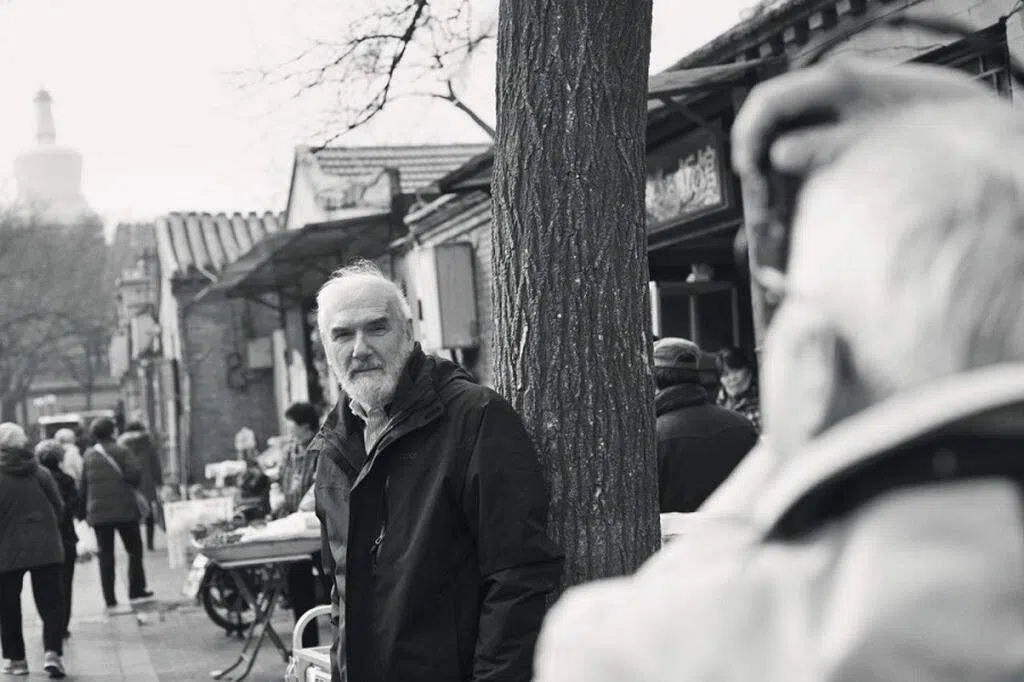
Professor Jonathan Spence (1936-2021) was a prolific historian who deepened Western readers' understanding of China's history and culture through his artful mastery of narrative history grounded in rigorous research. From the inner world of Emperor Kangxi to Jesuit missionaries' voyage to China, to the plight of Chinese intellectuals and literati and the arduous mission of reform and opening up, Spence's unique writing style brought to life the complex historical figures and events of China. Cultural historian Cheng Pei-kai, one of his earliest students, and translation academic Jackie Yan pay tribute to Spence and his contribution to the study of Chinese history through this preface to a collection of Spence's translated works published by the Guangxi Normal University Press.
Cheng Pei-kai, Jackie Yan
04 Mar 2022
History
Professor Wang Gungwu's Tang Prize 2021 lecture: China's road from wen to shi
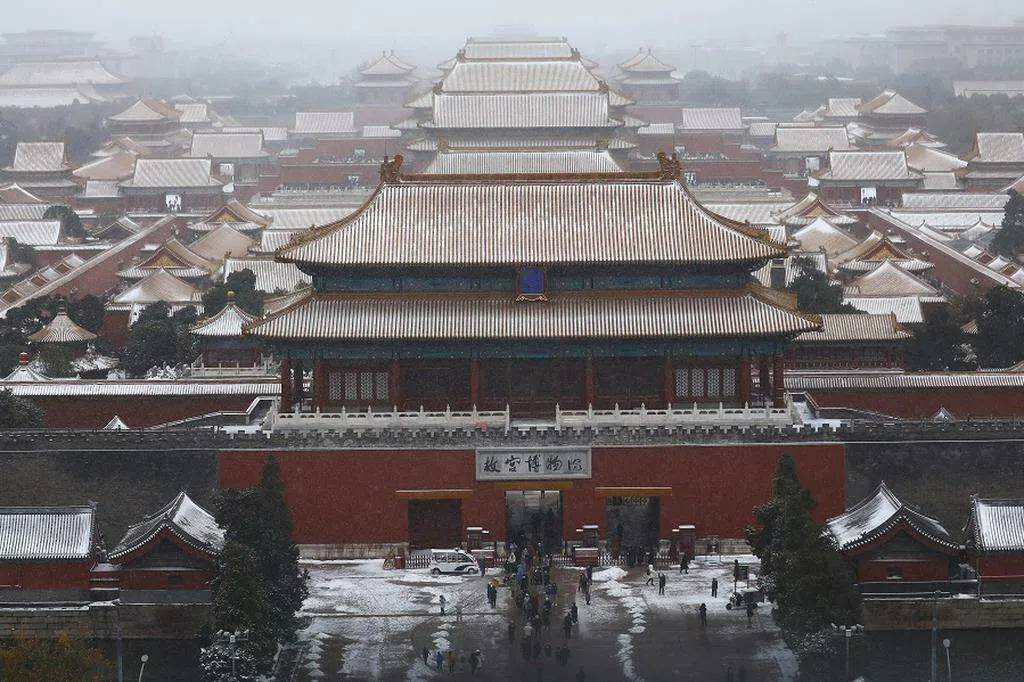
Professor Wang Gungwu, recipient of the 2020 Tang Prize in Sinology, delivered a Tang Prize Laureate Lecture at Tang Prize 2021 on 20 November. In tracing China's history from empire to nation, he relates in tandem his journey of becoming a historian, from being a Chinese overseas in his youth, then returning briefly to the motherland before starting a new life in a new country. "That seemed like the real meaning of my leaving China," he says, " requiring me to think as a huaqiao settling down as a citizen of a foreign country... But I did learn that I could leave China but China did not leave me." Whether in his studies of the Five Dynasties period of the 10th century or Mao's China and the struggle to find its future after throwing away its own past, he noted that wen (文)-texts supported central power and shaped the system's collective memory, and were most useful as the shi (史) records of every dynasty. This nexus can perhaps help us understand how one Confucian past could serve to denigrate one set of leaders but provide greater legitimacy for another, and how the continuity of China's history can be preserved in the future.
Wang Gungwu
20 Nov 2021

Politics
The future of China-Afghanistan relations: Lessons from history
Ma Haiyun asserts that parallels between current events and Afghan geopolitics in the mid to late 18th century reveal the complexity of Afghanistan's historical relations and the delicacy of contemporary Afghan-China relations. Even if an economy-for-security approach is used, various conditions will need to be met as China and other countries tread lightly.
Ma Haiyun
02 Sep 2021
History
The Opium Wars: When China's 'century of shame' began
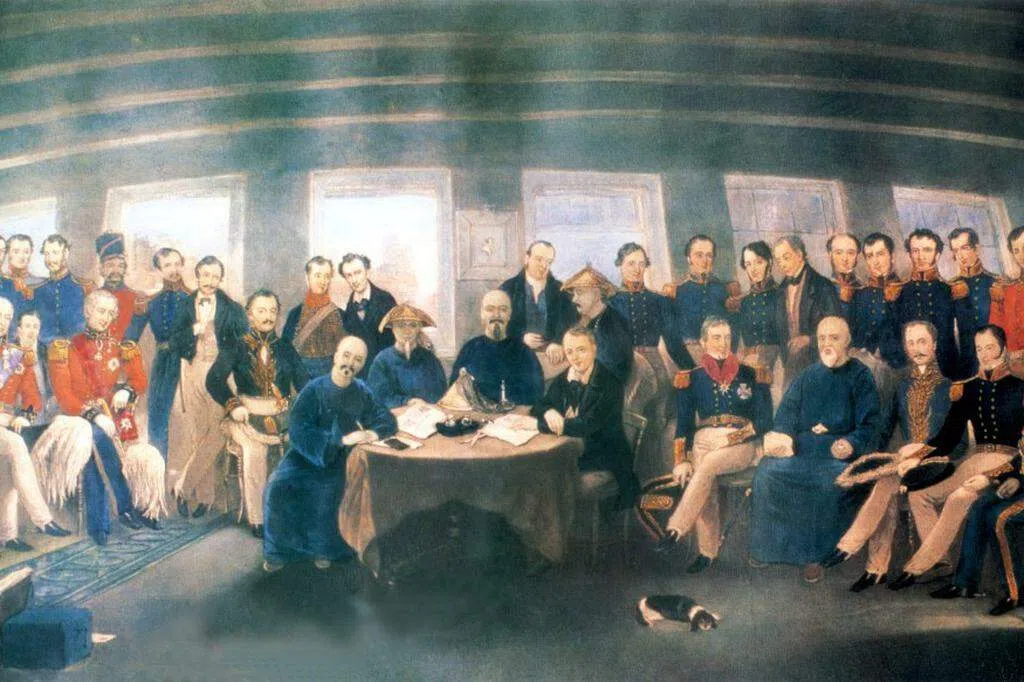
Pain. Humiliation. Injustice. These are the words that Chinese generally associate with the two Opium Wars, which resulted in the infamous unequal treaties that ultimately gave Hong Kong to the British for 100 years. Historical photo collector Hsu Chung-mao sheds light on this defining period of China's history.
Hsu Chung-mao
30 Jul 2021
History
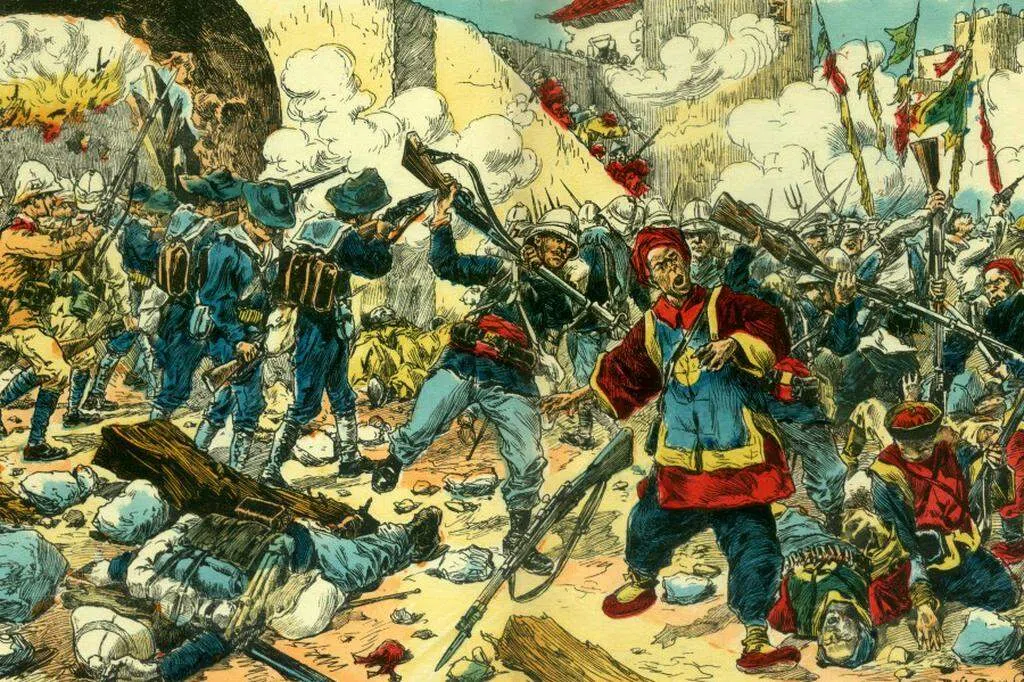
[Picture story] The Boxer Rebellion: A wound in China's modern history
The Boxer Rebellion at the turn of the 20th century goes down in history as proof that if the Chinese are weak, the West will take advantage and China will pay the price. It is a constant reminder to the Chinese of their past humiliations and guides their dealings with the West today. Historical photo collector Hsu Chung-mao shares illustrations of the tumultuous times during that period.
Hsu Chung-mao
25 Jun 2021
Culture
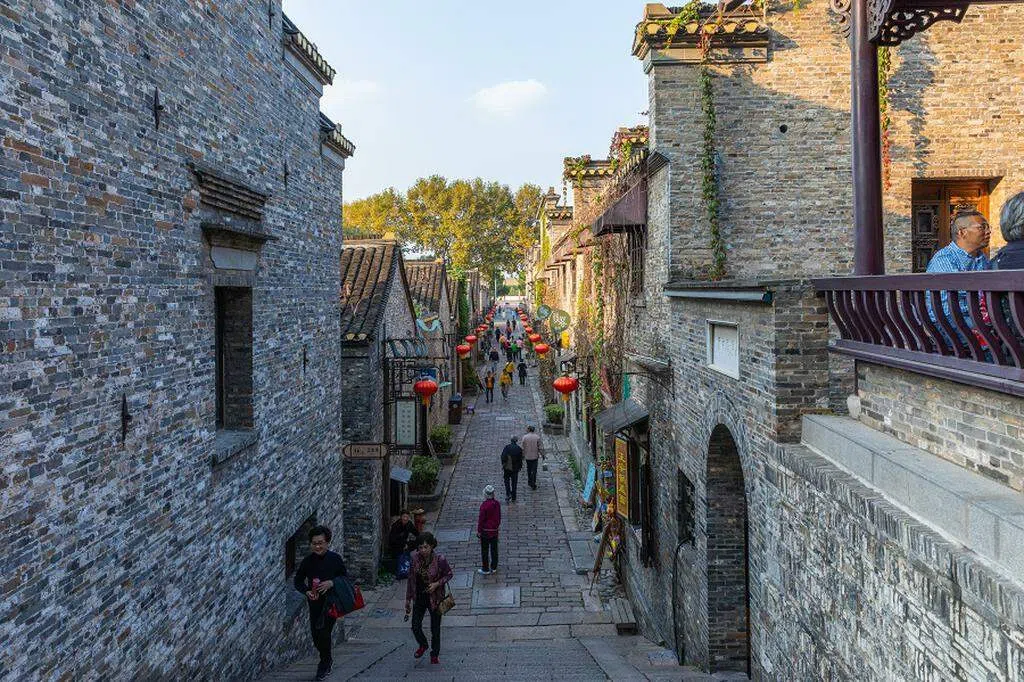
A Chinese deity and a ham jelly with a 300-year-old history
With each bite of Zhenjiang ham jelly, a traditional dish of Jiangsu province, Cheng Pei-kai remembers local folklores and heroes. There was Zhang Guolao, an immortal who dared to try meat accidentally cured with saltpeter, and also national hero Shi Kefa, who defended Yangzhou with his last breath. What would they have thought of today's tourists, nonchalantly trying a slice of ham jelly or two?
Cheng Pei-kai
11 Jun 2021
History
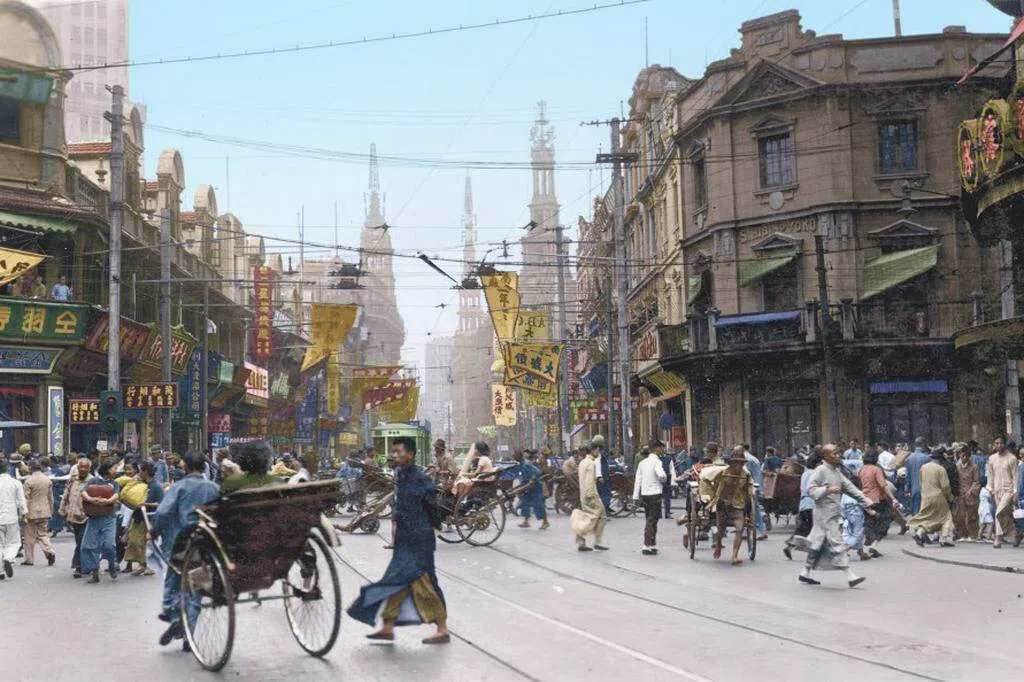
[Photo story] The many faces of Shanghai over a hundred years
Over a century, the city of Shanghai saw it all. Westerners fell in love with Republican Shanghai, where commerce and culture flourished; Japanese invaders advanced and retreated; communism and capitalism vied for a stage. Despite these ups and downs, Shanghai has maintained a demeanour and style unto itself. Historical photo collector Hsu Chung-mao traces Shanghai's days of glamour and the front-row seat it had in war, revolution, and reform.
Hsu Chung-mao
28 May 2021
History
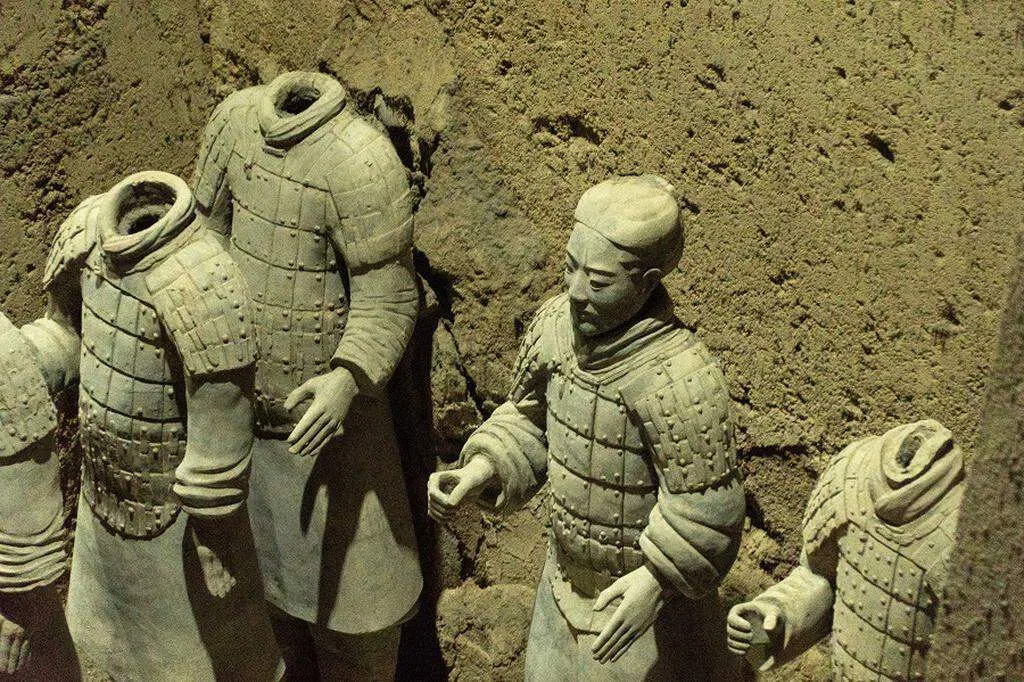
Why were Chinese imperial families prone to fratricides and tragedies?
Throughout Chinese history, imperial families were some of the fiercest battlegrounds. Emperors stopped at nothing to hold on to power. At the instigation of wily courtiers, they might even have executed their kin without batting an eyelid. Li Jingkui says economically speaking, this has to do with the logic of contract theory - there was no neutral arbiter in leadership transitions. Without a third party to oversee the proceedings, family members were often subjected to the tyranny of the "lion king". But under those circumstances, could anyone else other than the emperor have held court?
Caixin Global, Li Jingkui
14 May 2021
Culture
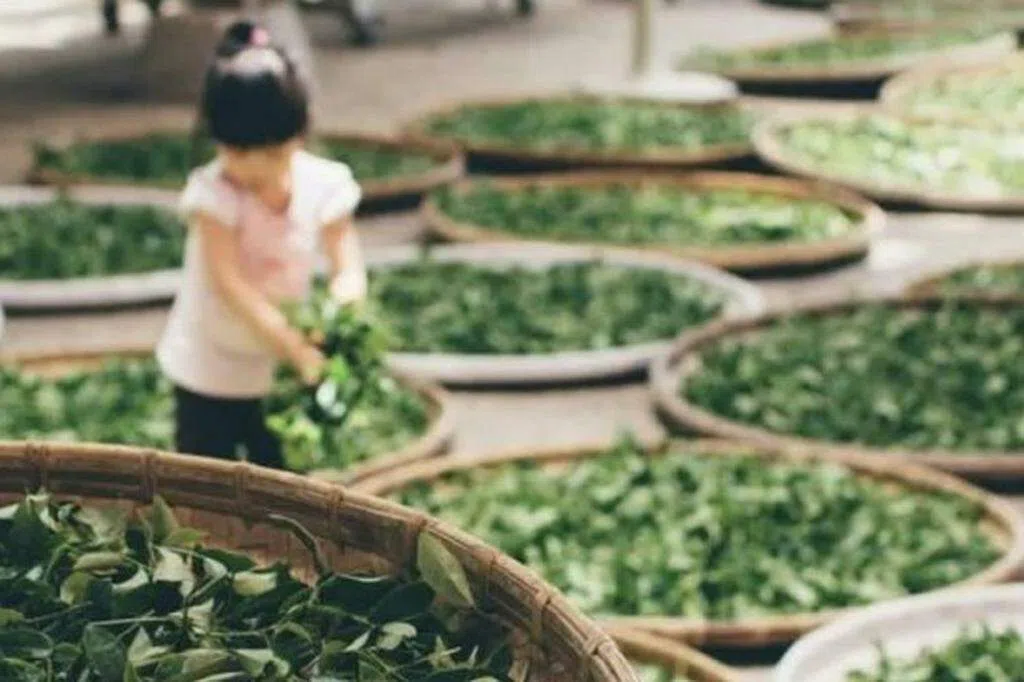
Popular in the Ming and Qing dynasties, will Songluo tea make a comeback?
Songluo tea had once found ardent fans in the literati of the late Ming and early Qing dynasties. The emphasis on kneading the tea leaves into tiny balls after roasting is the secret to Songluo tea's rich aroma and highly refreshing taste. Will modern audiences perhaps more familiar with Longjing or pu-erh appreciate this tea's restrained elegance once more?
Cheng Pei-kai
23 Apr 2021
History
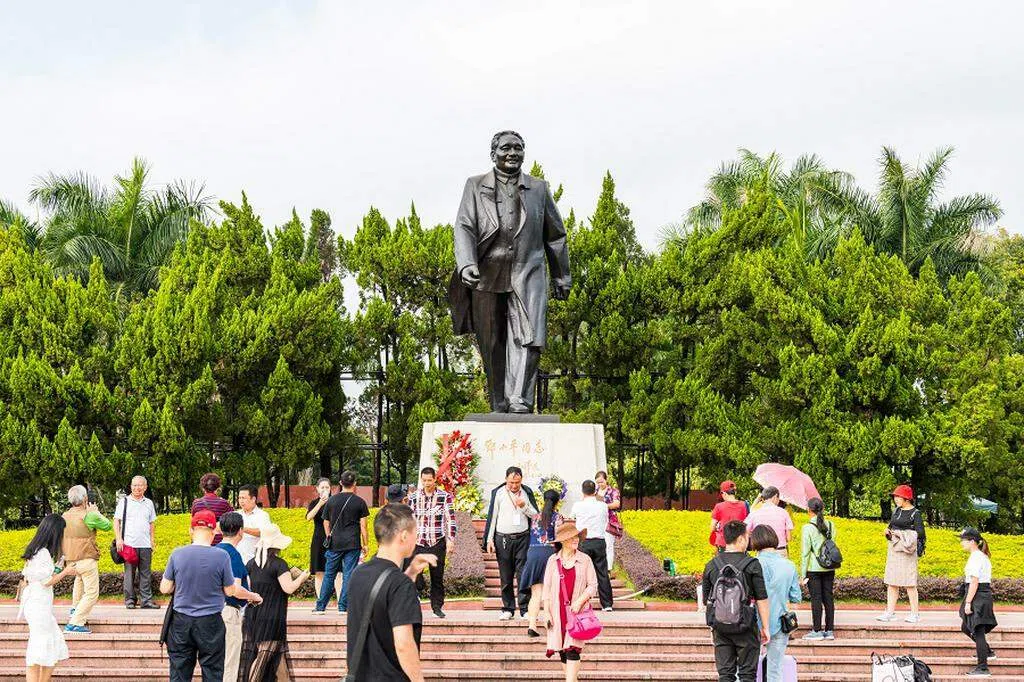
Was Deng Xiaoping Hakka?
The Hakka people, or "guest people", are Han Chinese who were mostly northerners that migrated to the south of China to provinces such as Fujian, Guangdong and Sichuan. Some say that a common heritage and language, more than a specific region ties them together. Deng Xiaoping from Guang'an, Sichuan was not known to be one of the Hakka people, but arguable bits of history point otherwise, and some continue to insist on his Hakka ancestry.
Cheng Pei-kai
09 Apr 2021
Culture
Taiwanese art historian: Why we no longer find beauty in contemporary art
Art colleges today may be missing the point by teaching students various forms of aesthetics without offering a true path to beauty. An affinity for beauty - to see, appreciate, and ultimately to create it - is best honed keeping close to nature, says art historian Chiang Hsun. Qing dynasty calligrapher and painter Zheng Banqiao would have approved. After all, didn't he ask, "If people really love birds, why not plant more trees?"
Chiang Hsun
01 Apr 2021