World Order
Politics
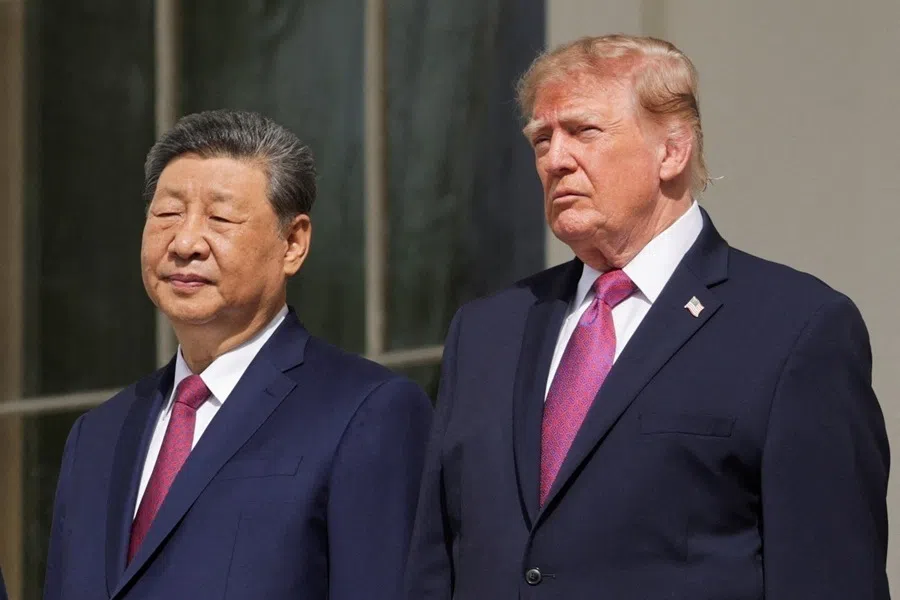
Trump-Xi summit: India need not fear a G2 — yet
The Trump-Xi summit produced neither a US-China G2 nor major deals at India’s expense. But regular engagement between Washington and Beijing could reshape the strategic triangle — and leave New Delhi wondering where it fits. ISAS academic Ivan Lidarev gives his analysis.
Ivan Lidarev
07 Oct 2026
Politics
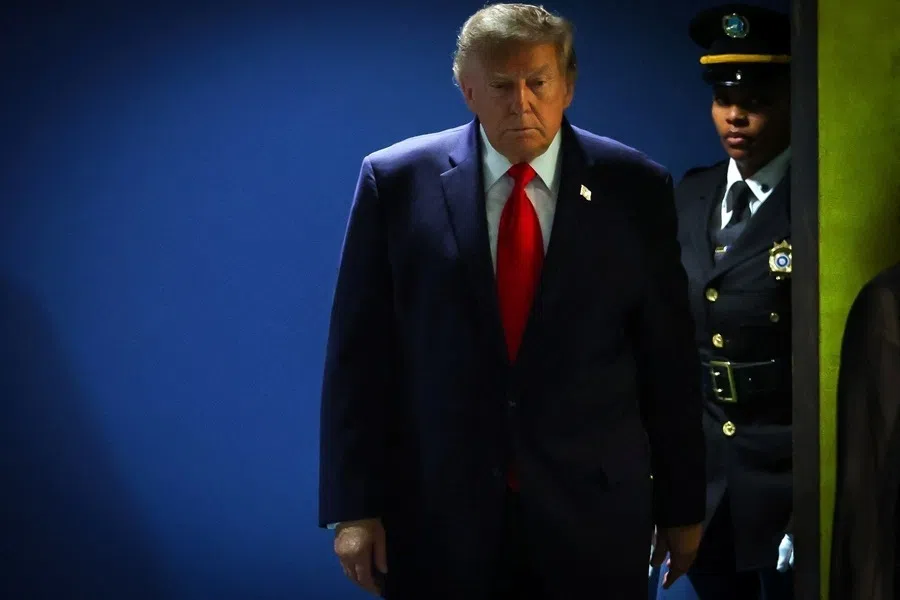
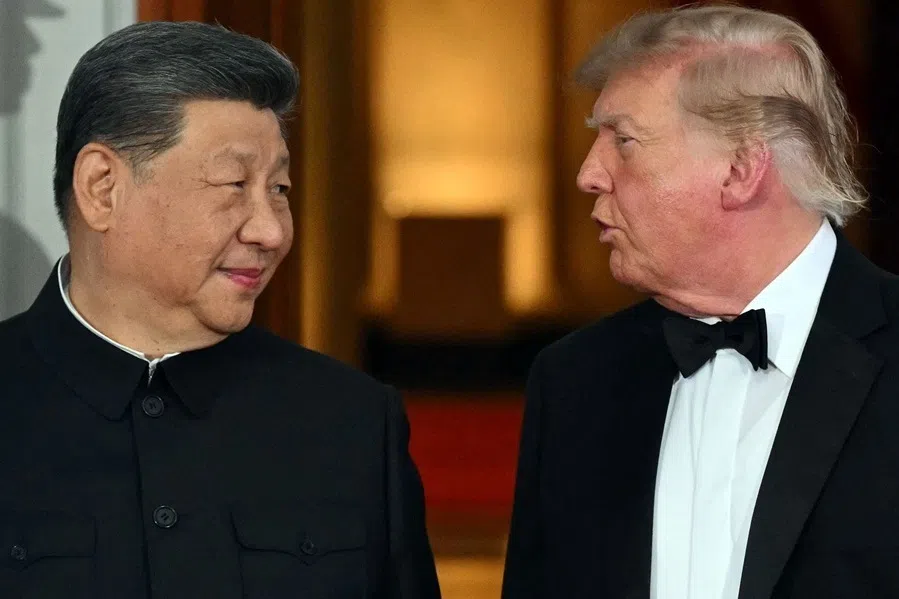
US-China relations: No war, no peace, but a rivalry kept in check
The Washington summit did not end US-China rivalry, but pointed to a new model for managing it: fierce competition within clearer guardrails, selective economic interdependence and sustained dialogue to prevent confrontation from spiralling into conflict. Academic Tan Kong Yam explains.
Tan Kong Yam
29 Sep 2026
Politics
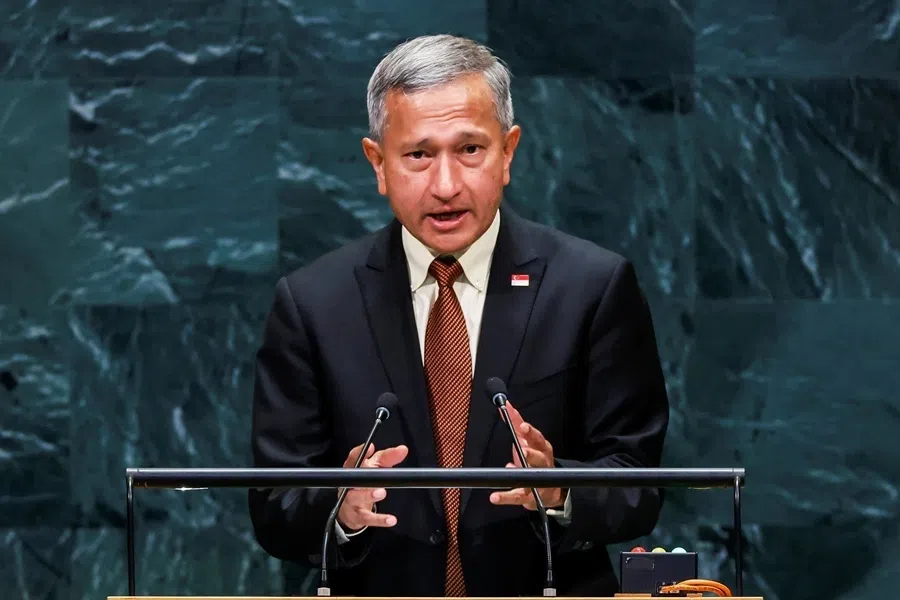
Vivian Balakrishnan: Upholding the rule of law in a fragmenting world
Singapore Foreign Minister Vivian Balakrishnan made the case for enduring multilateralism while delivering Singapore’s national statement at the General Debate of the 81st Session of the United Nations (UN) General Assembly in New York on 26 September. He spoke about complying with international law and the norms of multilateralism; reforming existing institutions where needed; and collectively formulating new rules and institutions for new technologies, including possibly establishing a UN Framework Convention on AI Safeguards. This is an edited version of the transcript.
Vivian Balakrishnan
28 Sep 2026
Politics
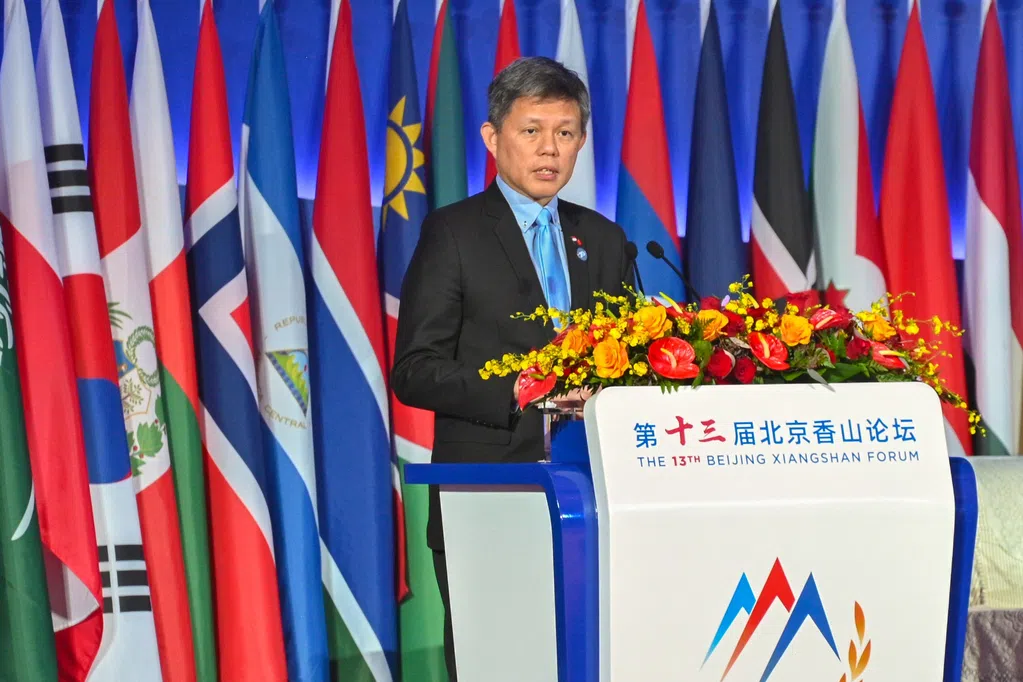
Chan Chun Sing: Winning the world requires example, not force
Speaking at the 13th Beijing Xiangshan Forum, Singapore Defence Minister Chan Chun Sing urged nations to build trust, embrace interdependence, and lead by the “power of example” to ensure global stability. This is an edited transcript of his speech.
Chan Chun Sing
21 Sep 2026

Politics
A fairer map? Why the US said no
A recent UN resolution backing the Equal Earth projection highlights how global mapmaking is as much about political power and ideological perception as it is about geographic accuracy and digital technology. Academic Zhang Tiankan gives his take on the matter.
Zhang Tiankan
18 Sep 2026
Politics
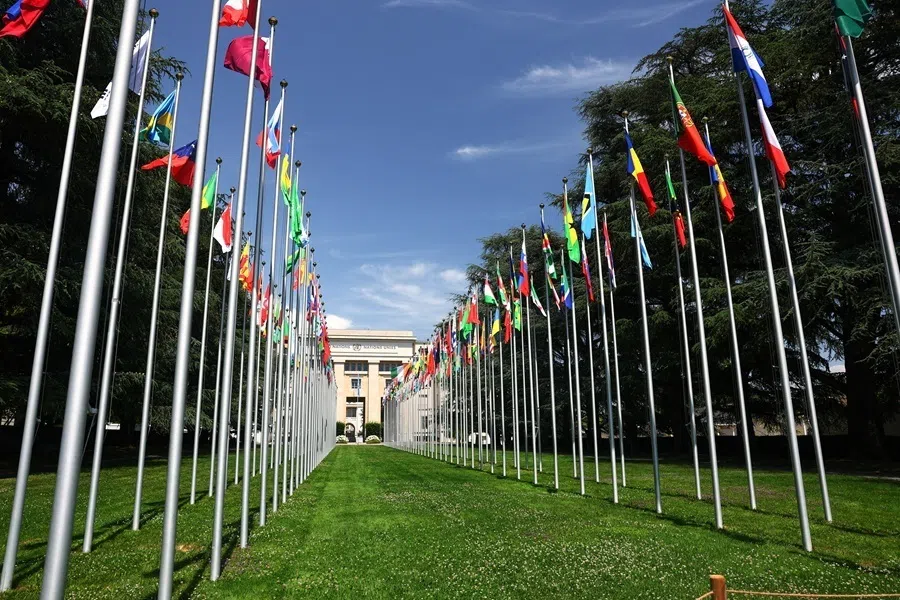
Bilahari Kausikan: On international law and foreign policy
Former Singapore diplomat Bilahari Kausikan sounds the reminder that abiding by international law is a choice countries make in their own national interest, and that serving the latter is the only consistency in countries’ foreign policy, in a speech delivered at the Law Society of Singapore’s Public International Law Conference on 3 September 2026. This is an edited version of the transcript.
Bilahari Kausikan
18 Sep 2026
Politics
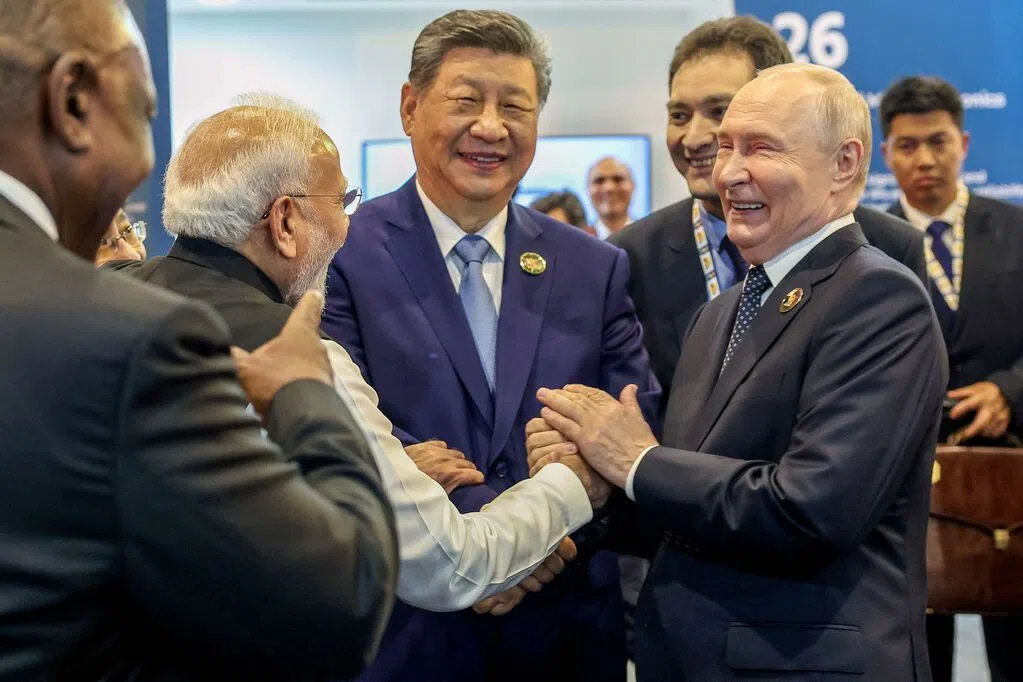
Xi Jinping’s tech diplomacy meets harsh realities of BRICS
BRICS is gaining cohesion, but internal divisions remain. As it seeks a bigger global role, China is using AI cooperation to expand its network of partners, promote its standards and gain an edge over the US. Lianhe Zaobao China news correspondent Edwin Ong reports.
Edwin Ong
14 Sep 2026
Politics
Why Xi is looking far beyond Washington
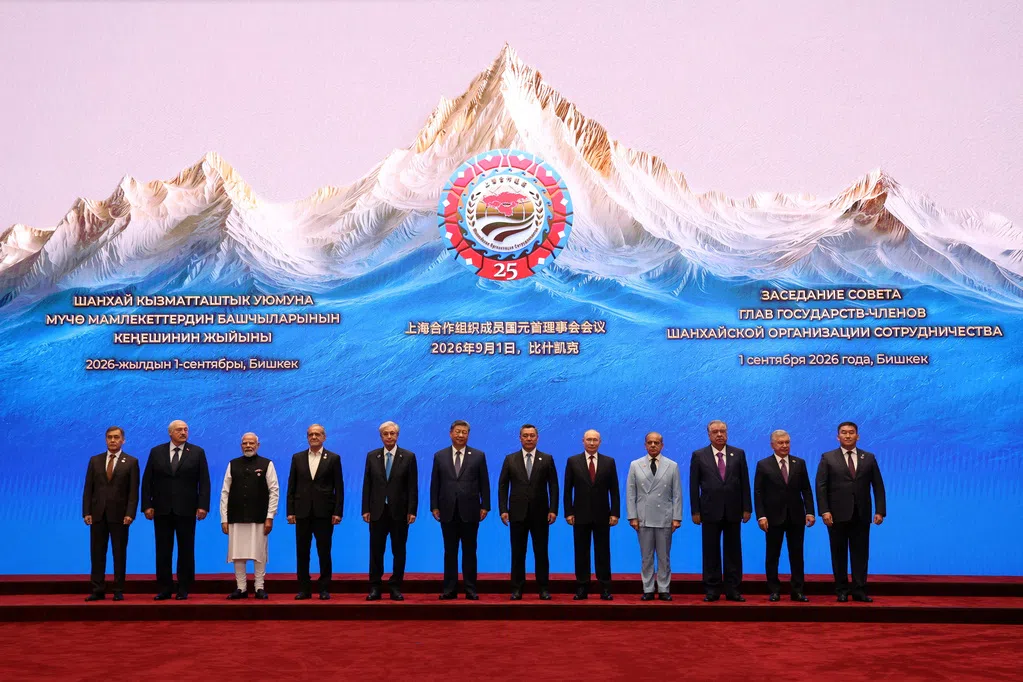
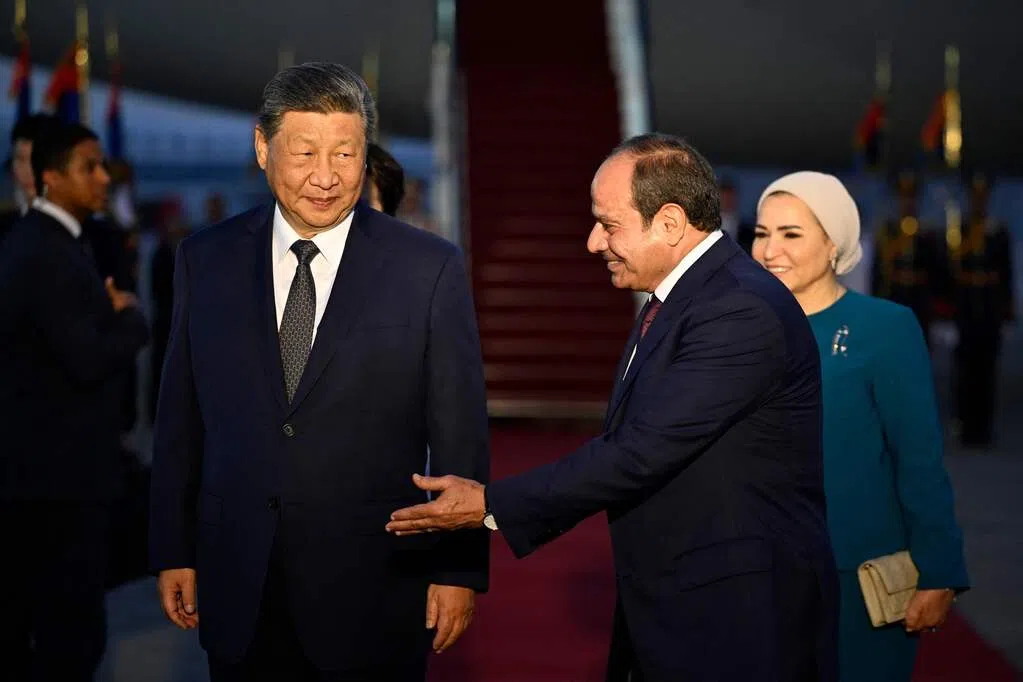
Xi Jinping’s diplomatic sprint ahead of his next meeting with Donald Trump sends a clear message: managing ties with Washington matters, but China’s world extends far beyond the US. Lianhe Zaobao China news editor Yang Danxu finds out.
Yang Danxu
02 Sep 2026
Politics
Bilahari Kausikan: How to think about foreign policy and geopolitics
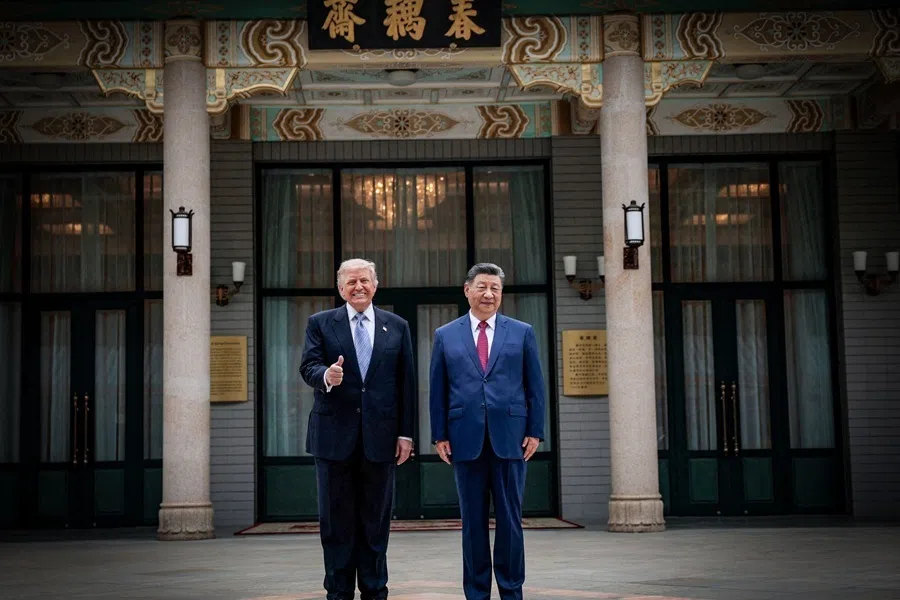
Former Singapore diplomat Bilahari Kausikan rues the general lack of understanding about foreign policy and geopolitics. On Ukraine, US-China relations and the wars in the Middle East, he offers some rubrics to fall back on in a speech delivered at the Humanity Matters Charity Conference at the Institute of Lifelong Learning in July. This is an edited version of the transcript.
Bilahari Kausikan
28 Aug 2026