Cheng Pei-kai
Cultural HistorianArticles by Cheng Pei-Kai
Culture
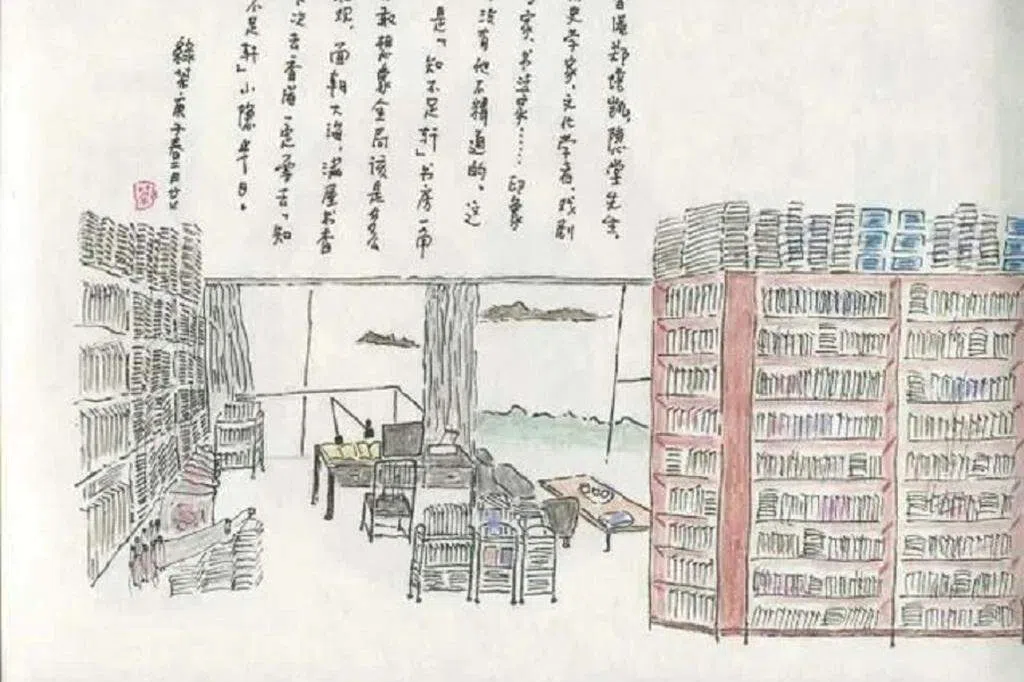
A study room of one's own: 21st century Chinese intellectuals and their pursuit of knowledge
Cultural historian Cheng Pei-kai shares the ups and downs of being an avid reader, from the difficulties in keeping his book collection neat and orderly, to the joy of having a handful of treasured books. He marvels at the sketches a friend made of the study rooms of literati, academics and calligraphers who have since passed on. While his study room is crammed with books and looks more like a storeroom, his love for books burns bright like it does for fellow literati.
Cheng Pei-kai
05 Apr 2024
Culture
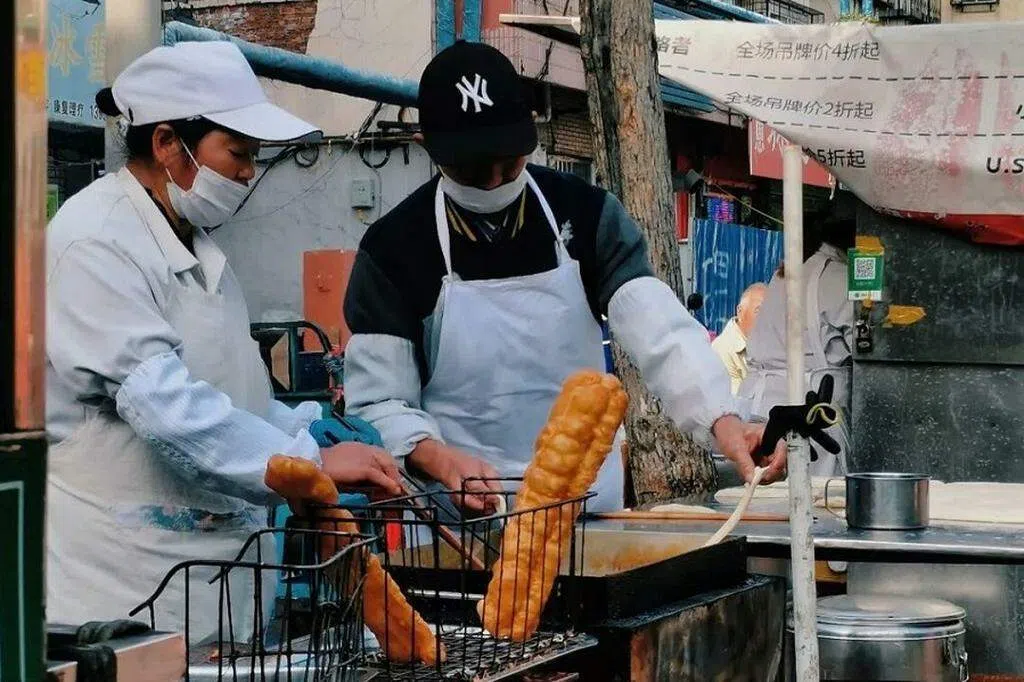
In search of Taiwan's perfect youtiao and soy milk breakfast
Cultural historian Cheng Pei-kai takes us on a search for delicious shaobing youtiao and savoury soy milk around Yonghe in Taiwan. While a common breakfast for many, the rich flavours from his youth are not one easily replicated or found.
Cheng Pei-kai
08 Mar 2024
Culture
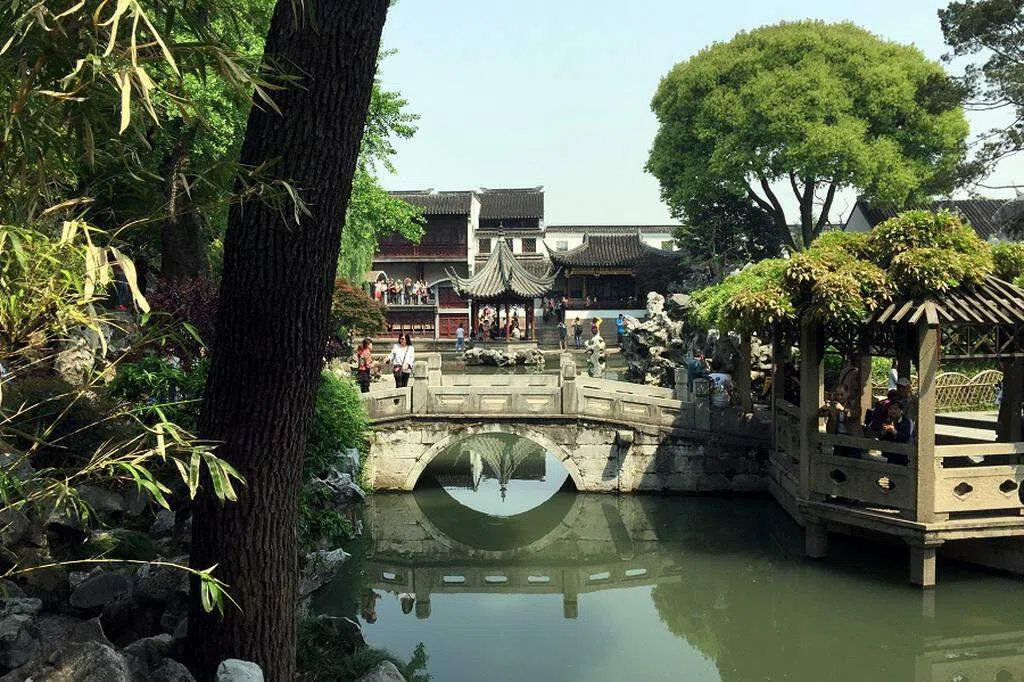
Bai Juyi: This Tang dynasty poet enjoyed a good life
Cultural historian Cheng Pei-kai gives us a glimpse into the life of Tang dynasty poet Bai Juyi, whose later years were leisurely spent as a carefree and frivolous official often writing about the blazing heat of summer.
Cheng Pei-kai
26 Jan 2024
Culture
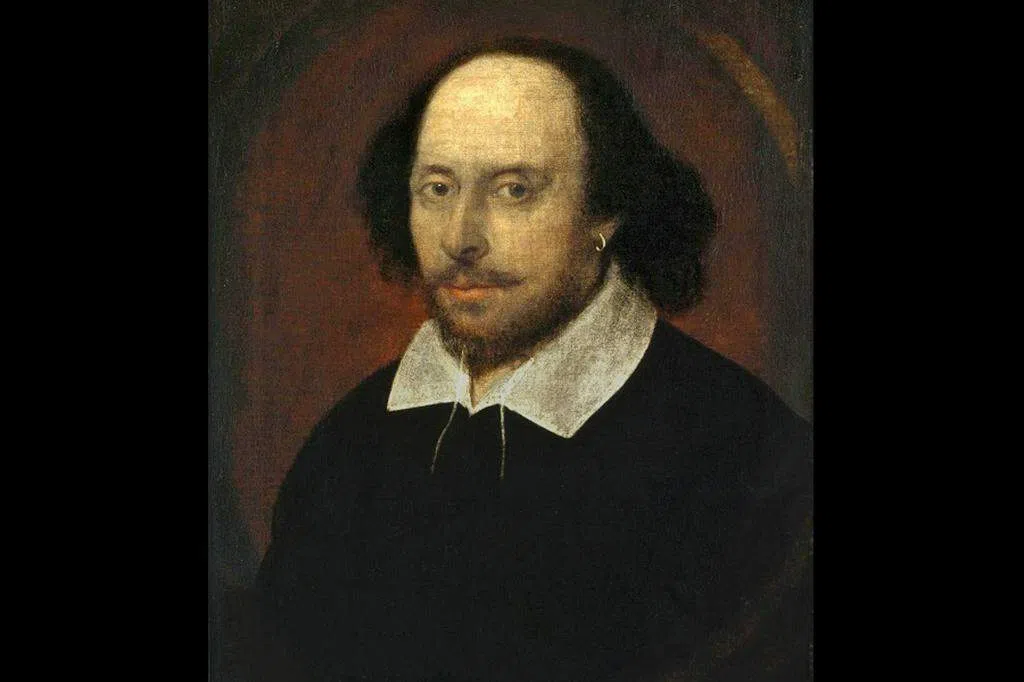
Shakespeare, Su Shi and Tang Xianzu: The dates of birth and death of literary greats
The dates of birth and death of literary greats - especially those who lived centuries ago when the calendar used may not have been the same as we use today - can be confusing and difficult to pin down. Cultural historian Cheng Pei-kai looks at the example of William Shakespeare and several Chinese poets, noting that in the end, perhaps it is not so important whether or not we have an exact date.
Cheng Pei-kai
15 Dec 2023
Culture
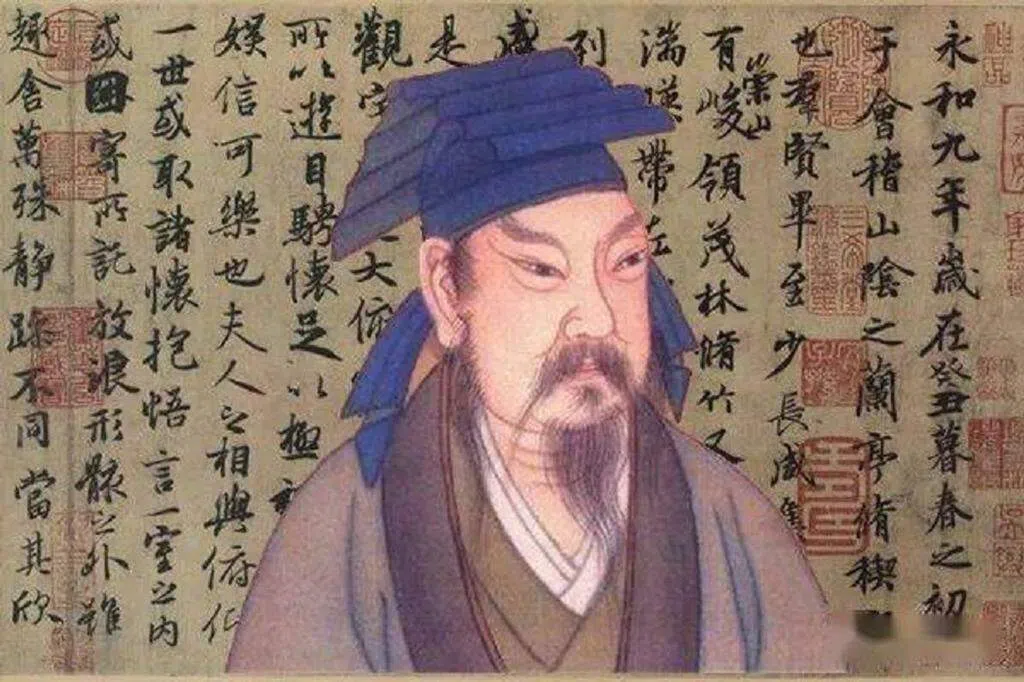
A pilgrimage of the heart: Paying homage to Jin dynasty calligrapher Wang Xizhi
Cultural historian Cheng Pei-kai takes us back to his trip to Shengzhou, Zhejiang, where he visited the gravesite of Jin dynasty calligrapher Wang Xizhi, the Sage of Calligraphy. In the depths of the lush forest with mountains peeking through, what does it mean to travel the distance to pay respects to an ancestor and honour their virtues?
Cheng Pei-kai
20 Oct 2023
Culture
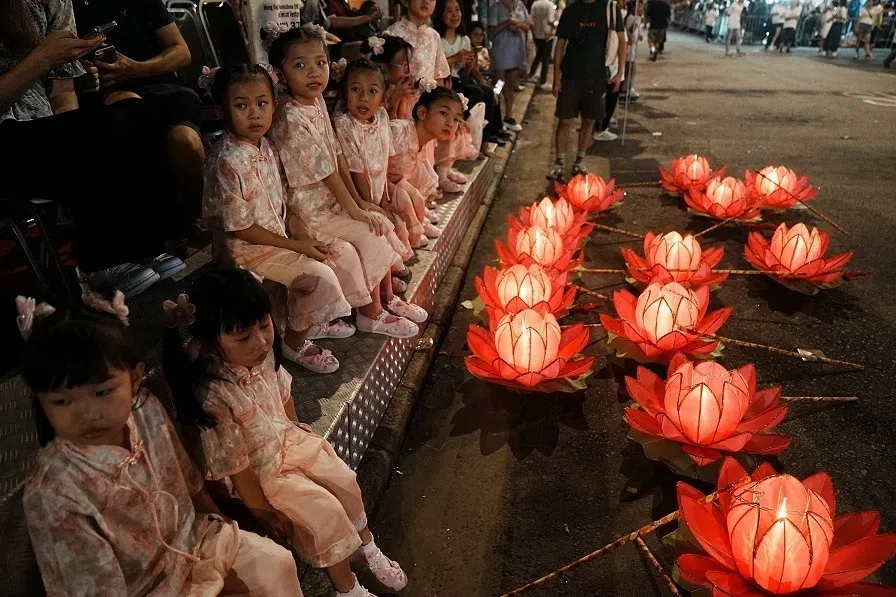
It's Mid-Autumn: Time for some mung bean pastry
Cultural historian Cheng Pei-kai writes of the humble mung bean pastry, a classic snack of the people that has been made in the traditional way for generations in Taiwan. Now, the well-loved pastry has been given new spins in modern times, from "Florence-style mung bean pastry" to a lacto-vegetarian version named after Chinese poet Li Bai.
Cheng Pei-kai
29 Sep 2023
Culture
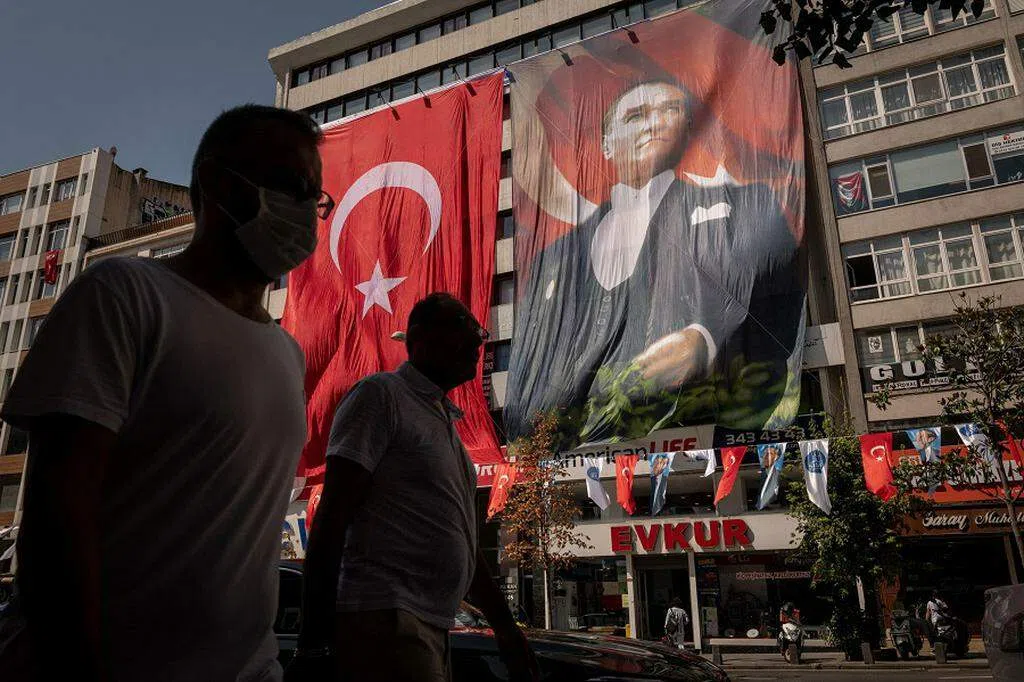
Why Turkey's national hero was honoured in Taiwan
Cultural historian Cheng Pei-kai muses on how heroes of the past are honoured after their time, recalling that in his youth in Taiwan, the founder of the Turkish republic was lauded as an honourable founding father, next to Sun Yat-sen and Chiang Kai-shek. However, given the similarities in ideals and values, could it be that the high praise for Ataturk was in fact meant to boost the controversial image of Chiang?
Cheng Pei-kai
22 Sep 2023
Culture
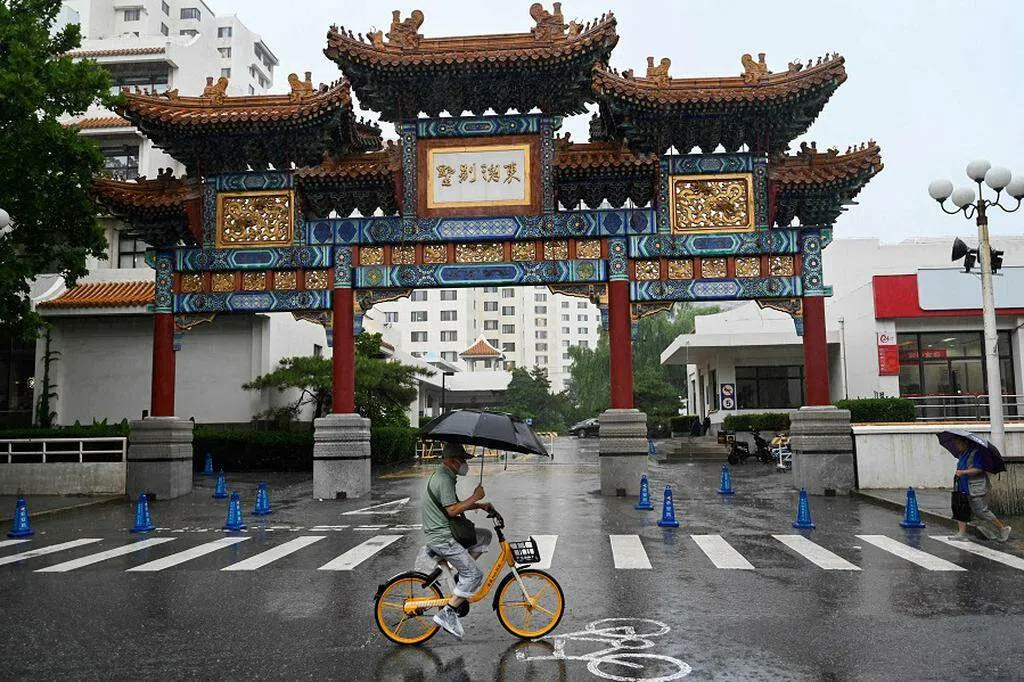
Did Mongolians mistreat the Han Chinese during the Yuan dynasty?
It is commonly believed that the Mongol-ruled Yuan dynasty instituted a "four-class system" comprising the Mongols, the Semu, the Han people and the Southerners; they may even have categorised people into ten classes for which Confucian scholars were at the bottom rungs. Taken as truth for centuries, what is the "historical reality" of the matter? Cultural historian Cheng Pei-kai examines the issue.
Cheng Pei-kai
31 Aug 2023
Culture
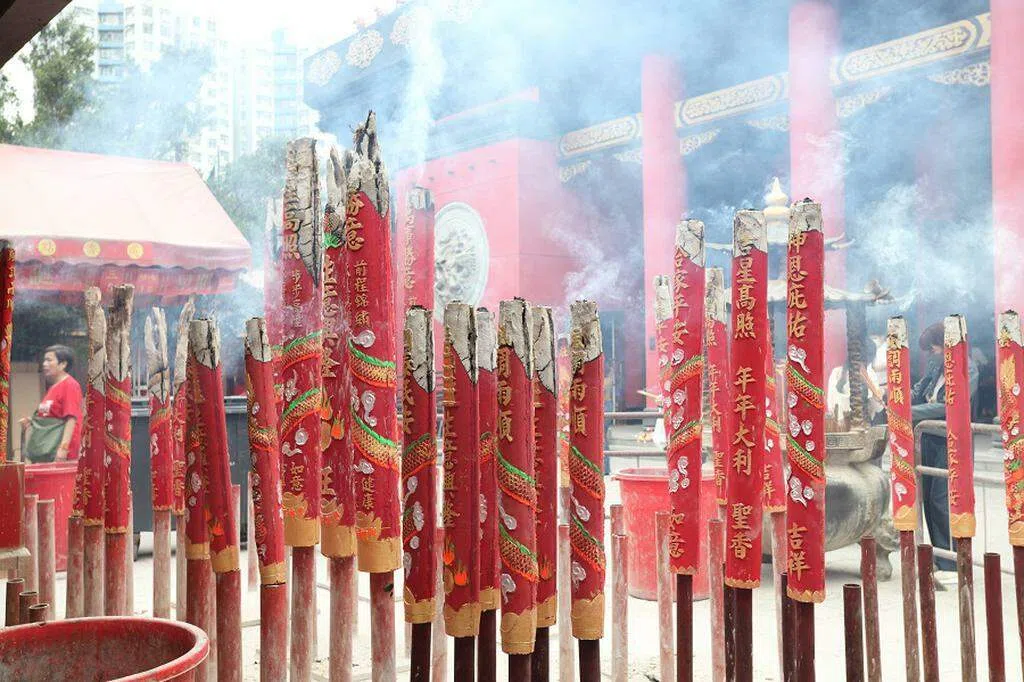
Interpreting a divination lot from Hong Kong's Che Kung Temple
Did the wise men understand the profundity of the words "Instead of flattering ao (奥), it is better to flatter zao (灶)" when they used it as an oracle in the drawing of divination lots? Cultural historian Cheng Pei-kai delves into the historical background of the quote from the Analects and what we can learn from it.
Cheng Pei-kai
11 Aug 2023
Culture
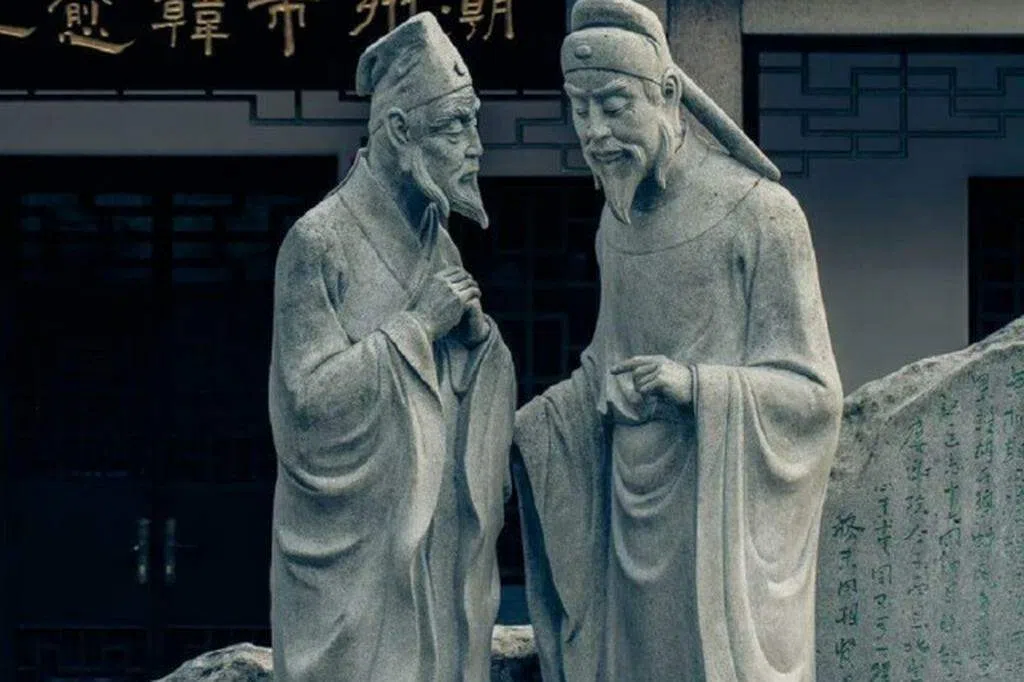
The Chaozhou people can boast of Tang dynasty essayist Han Yu
While Chaozhou is acknowledged for great food and the hometown of various famous personalities, it is also the lesser-known place of exile of Tang dynasty essayist Han Yu (韩愈), who made the best of his time there, writing essays and spreading Confucian teachings.
Cheng Pei-kai
28 Jul 2023
Culture
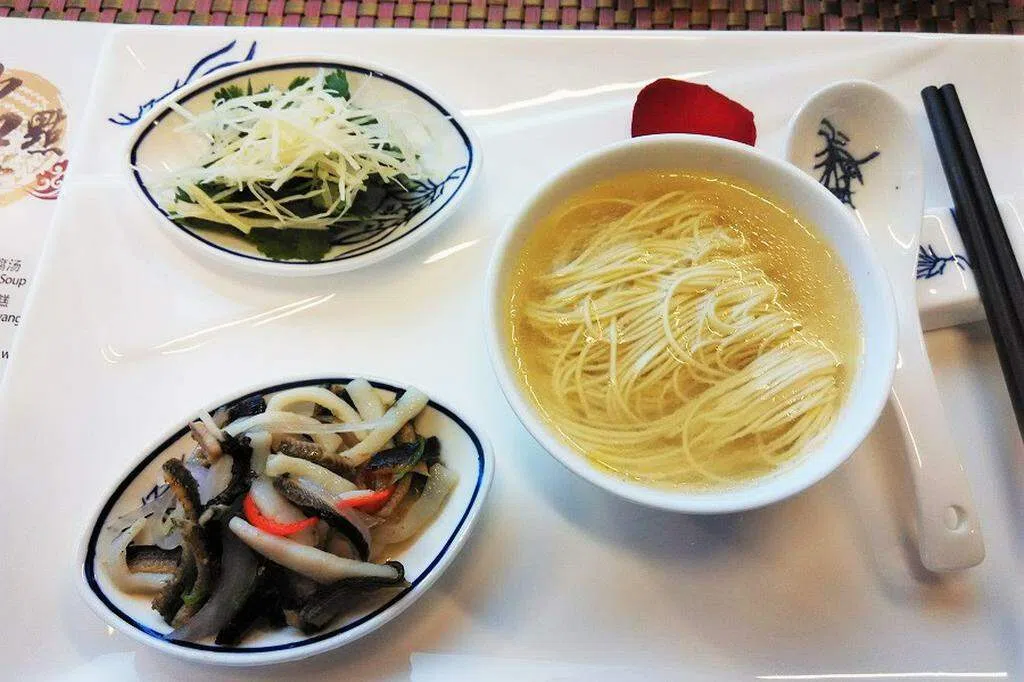
Changzhou noodles: So good it evokes the wisdom of Confucius
While on an intangible cultural heritage expedition in Changzhou with a group of global experts, cultural historian Cheng Pei-kai tucks into Changzhou's local delights. Trying more than 20 snacks all at once, he was full but could not resist having a taste of thin egg noodles that was a perfect marriage of Suzhou and Shanxi noodles. This is the last article of a four-part series on Changzhou food and drink.
Cheng Pei-kai
01 Jun 2023