
Hao Nan
Susan Strange Associate Fellow, Helsinki Geoeconomics Society; Nuclear Futures Fellow with Ploughshares Fund and Horizon 2045Articles by Hao Nan

Politics
Can Japan and Europe defend the ICC against the US?
US sanctions against the International Criminal Court (ICC) are putting Japan and Europe in a difficult position: how can close US allies defend international institutions without undermining their own security ties? Researcher Hao Nan explores the question.
Hao Nan
22 Sep 2026

Politics
How Switzerland turned China’s Europe problem into leverage
Switzerland’s upgraded free trade deal with China shows how middle powers can turn economic interdependence into leverage — preserving access to major markets while negotiating better terms amid intensifying China-EU tensions, says researcher Hao Nan.
Hao Nan
07 Sep 2026
Economy
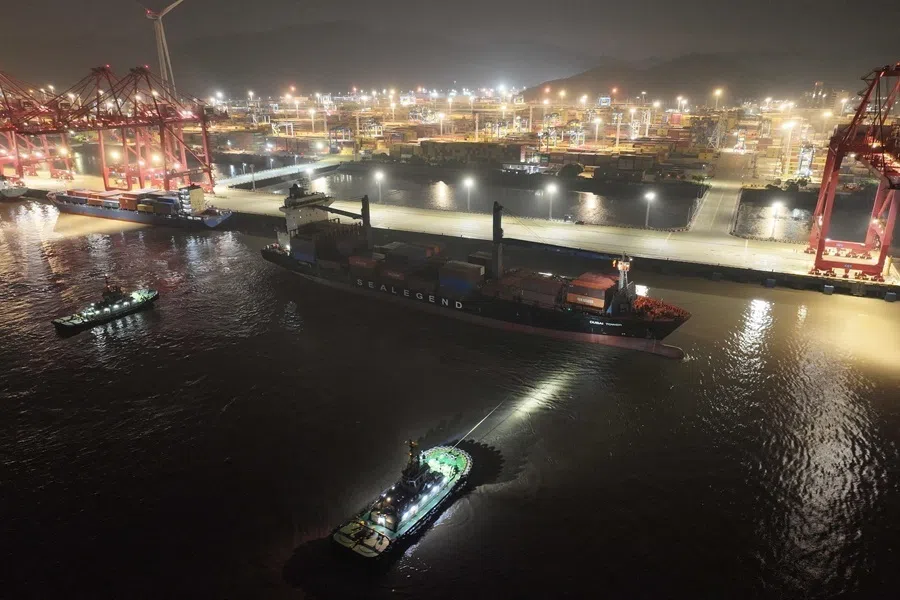
Ice Silk Road: Russia breaks ice, China builds the market
China and Russia could be the linchpin of the Ice Silk Road, leveraging the Northern Sea Route. With them as the anchor and middle powers providing functional support, the Arctic route just gained more geoeconomic appeal, says academic Hao Nan.
Hao Nan
31 Aug 2026

Politics
The Taiwan Strait needs circuit breakers, not just deterrence
Military and coast guard encounters are becoming more frequent in the Western Pacific and around Taiwan, raising the risk that a limited incident could spiral into wider conflict. Deterrence alone is not enough; the region needs safeguards to contain escalation and create off-ramps, says researcher Hao Nan.
Hao Nan
17 Aug 2026
Politics
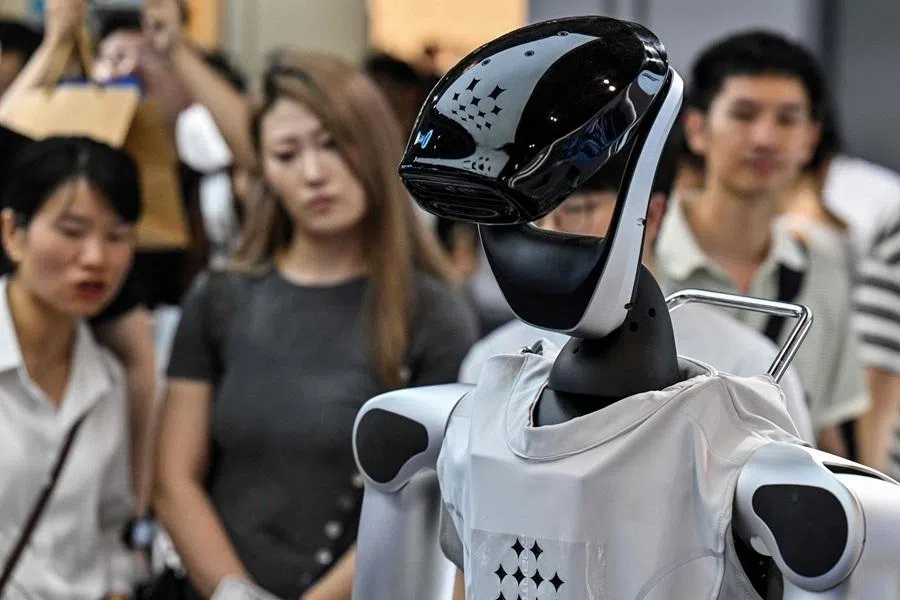
The new AI blocs: Are China’s WAICO and America’s Pax Silica splitting the tech world?
China’s WAICO and the US-led Pax Silica represent two competing approaches to AI governance. As both gain traction, the question is whether they will create rival technological spheres or coexist within a shared global framework, says academic Hao Nan.
Hao Nan
24 Jul 2026
Politics
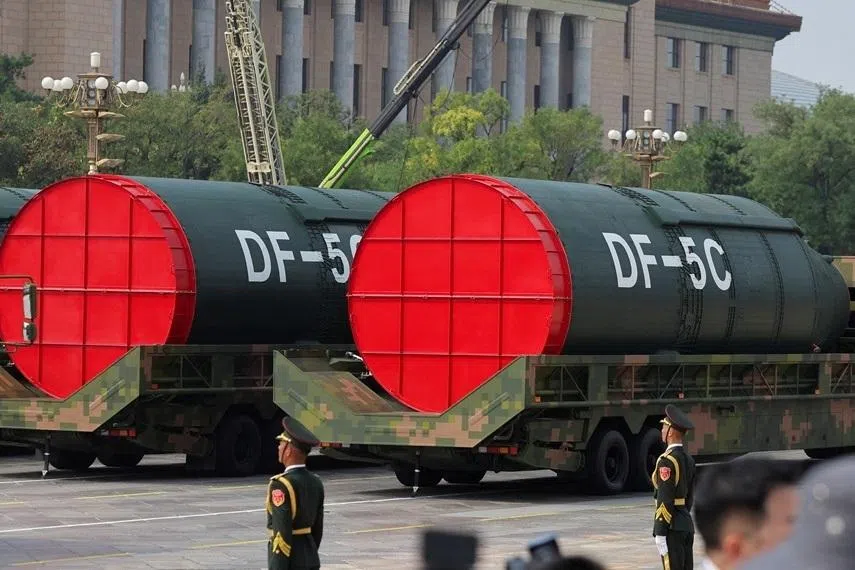
What China’s submarine missile test reveals about its nuclear strategy
China’s submarine launch shows that Beijing intends to remove strategic vulnerability before accepting strategic constraint. But showing its ability for a second-strike capability does not guarantee stability in Asia, says academic Hao Nan.
Hao Nan
09 Jul 2026
Politics
A tungsten mine exposes Myanmar’s China-Russia balancing act
Russia’s recent entry into tungsten mining in Myanmar reveals a three-way resource-security triangle: China controls much of the flow, Russia seeks a stake, while Myanmar’s military government is using access to resources as leverage. Academic Hao Nan gives his assessment.
Hao Nan
22 Jun 2026
Politics
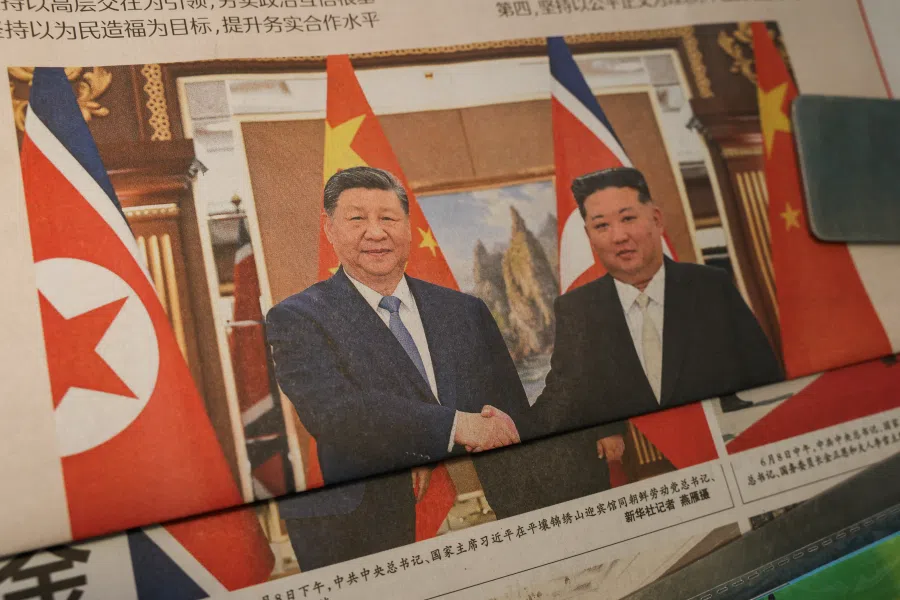
Xi in Pyongyang: Opening Asia’s frozen northeast frontier
The clearest signal delivered at Chinese President Xi Jinping’s Pyongyang visit was all in the map, says academic Hao Nan. A northern Northeast Asian corridor linking China’s northeast to the Tumen River, North Korea’s Rason, Russia’s Far East and the Sea of Japan, is now more possible than ever.
Hao Nan
10 Jun 2026
Politics
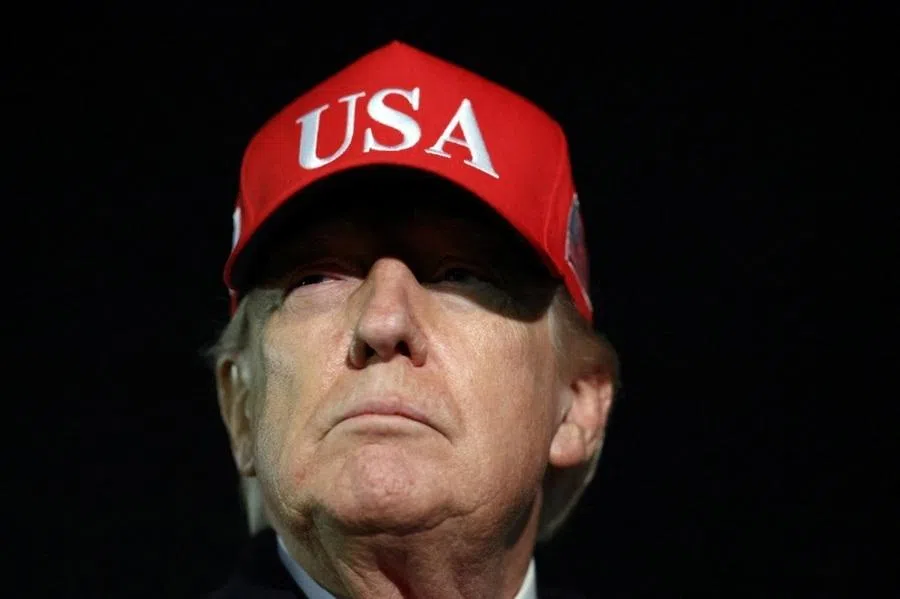
Before Trump arrives, Beijing’s room to manoeuvre is expanding
With recent developments in the Middle East helping China to access separate sources of leverage at the same time, the delay in Trump’s visit to China has actually given Beijing more room to shape the atmosphere before Trump arrives, contends academic Hao Nan.
Hao Nan
15 Apr 2026
Politics
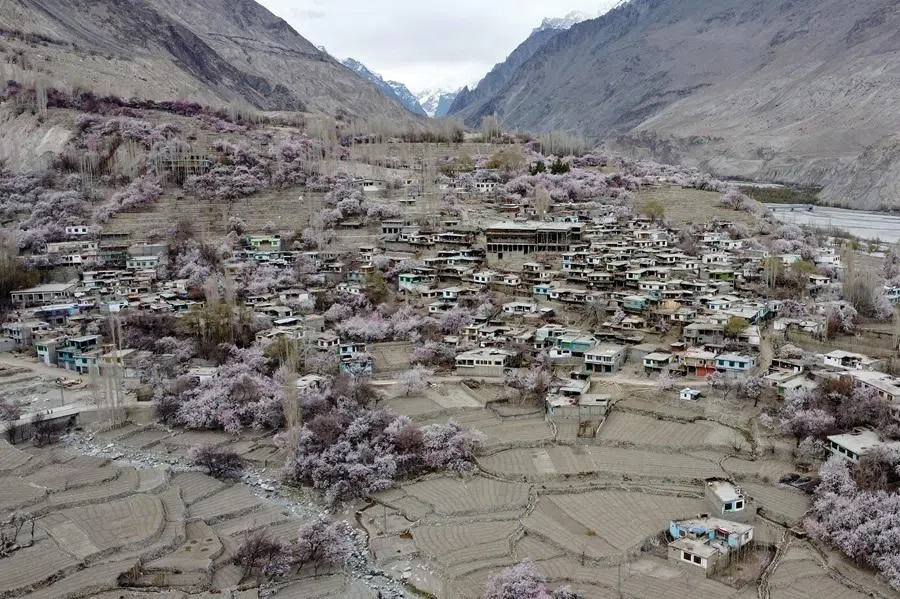
The rise of Pakistan in the emerging diplomacy over Iran
Pakistan, the only Muslim-majority nuclear-armed state, is now a key conduit of the Iran war. Its security ties with Saudi Arabia boost its regional clout, while its links to both the US and China show that in crises, the most important states are not the strongest, but those that other actors can still use.
Hao Nan
02 Apr 2026
Politics
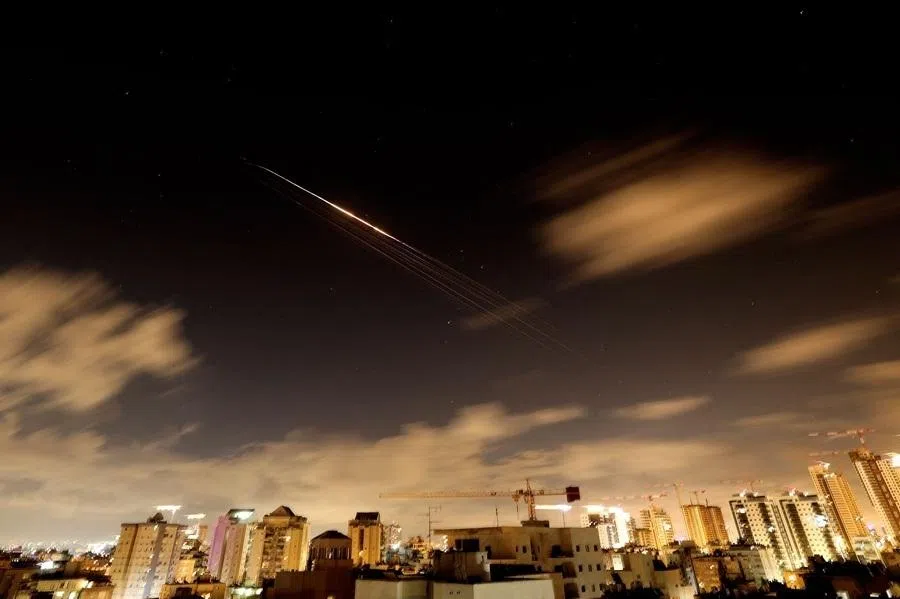
Who decides when the Iran war ends?
In the Iran war, the US, China and Russia each pursue their own objectives, while Iran and Israel follow separate agendas, creating a complex web of interests. No clear path to a ceasefire has emerged, and the conflict’s endgame remains uncertain. Academic Hao Nan examines the possible scenarios.
Hao Nan
27 Mar 2026
Politics
How the Iran war is stretching America thin against China
A prolonged Iran war is draining US munitions, critical minerals and industrial capacity, and weakening the country’s defence base and military presence in Asia as rivalry with China intensifies, observes academic Hao Nan.
Hao Nan
20 Mar 2026