Heritage

Society
Are Singaporeans disappearing? The identity challenge behind the baby crisis
To confront a historically low total fertility rate, Singapore is re-engineering social frameworks for parenthood. As the nation turns to global immigrants, it needs to ensure that new arrivals successfully forge a rooted national identity. Han Yong May, deputy editor-in-chief of SPH’s Chinese Media Group, considers the issues at stake.
Han Yong May
08 Sep 2026
Culture
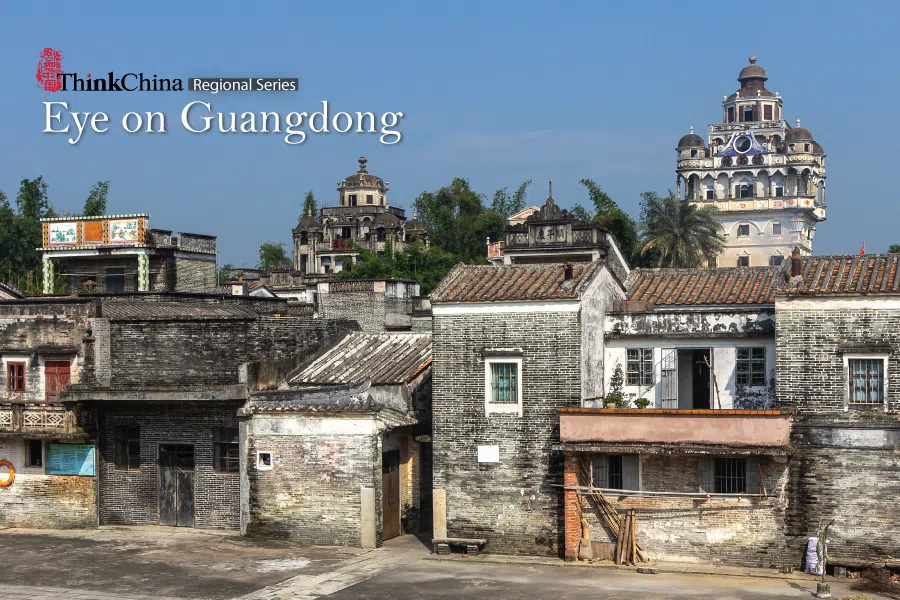
Building for family glory: Guangdong’s architecture of success
The Chen Academy in Guangzhou and Ruishi Lou in Kaiping county were built with sophisticated techniques from wealth earned or migrant funds sent home. Architecture professor Ho Puay Peng takes us on a tour of these fine examples of Lingnan architecture in ThinkChina’s Eye on Guangdong series.
Ho Puay Peng
31 Aug 2026
Economy
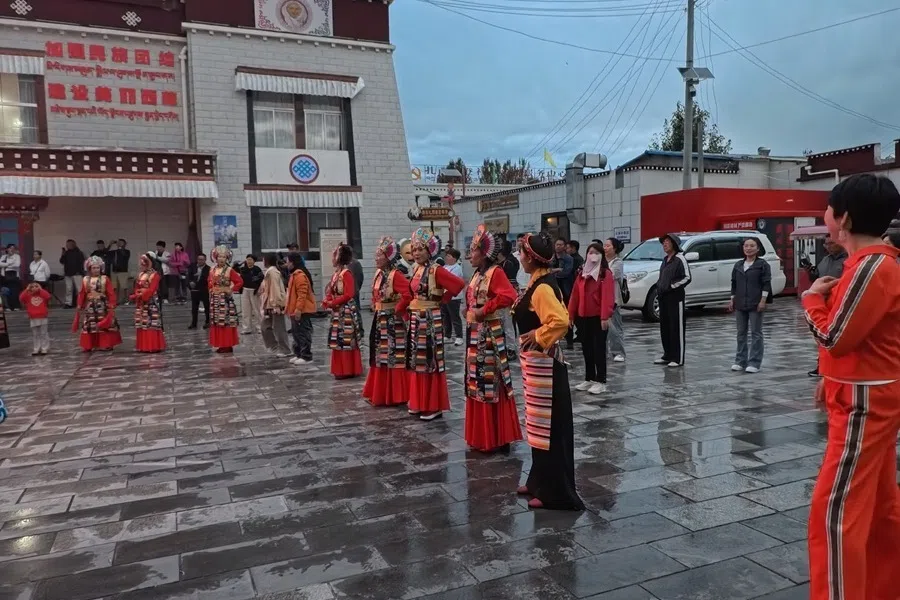
[Big read] Can Tibet build an economy beyond state support?
High-altitude wine, beekeeping and conservation drones — these are just some of the businesses in Tibet generating employment and income. Lianhe Zaobao correspondent Liu Liu finds out more about the plateau’s thriving niche markets from the locals and academics.
Liu Liu
19 Aug 2026


Society
[Video] ‘Bullying our ancestors’: Why Chinese netizens are boycotting LV
A seemingly ordinary trademark dispute between Louis Vuitton and Chinese milk tea chain Molly Tea has escalated into a wider debate over intellectual property and cultural ownership. As backlash builds, with many even calling for LV’s trademark to be revoked, the case has become a broader reckoning on how cultural motifs should be protected in a modern commercial world.
Yi Jina
14 Jul 2026
Culture
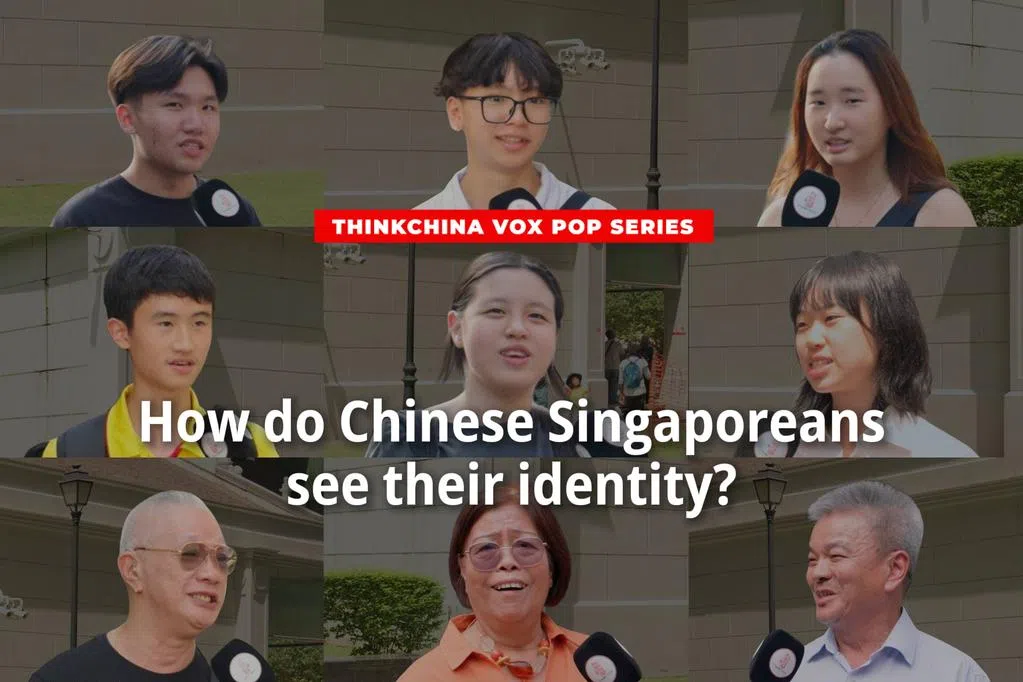
[Vox pop] Blood, lion dance or dialect: What makes a Chinese Singaporean?
As the movie Dear You brings the history of early Chinese migrants back into the spotlight, online conversations about Chinese identity and cultural heritage have grown louder. ThinkChina’s Lu Lingming and Yi Jina speak with Chinese Singaporeans about what Chinese identity, or “Chineseness”, means to them today.
Lu Lingming, Yi Jina
03 Jul 2026
Society
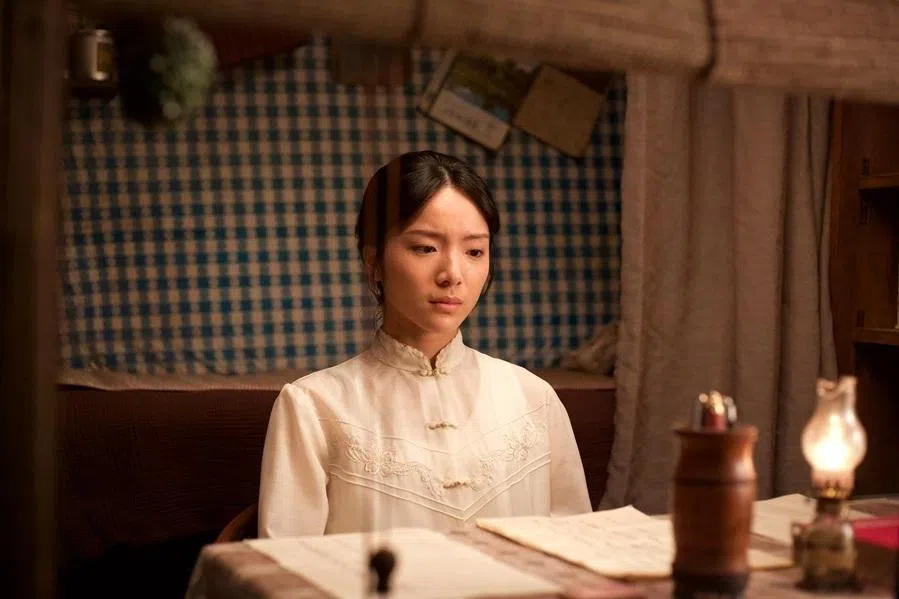
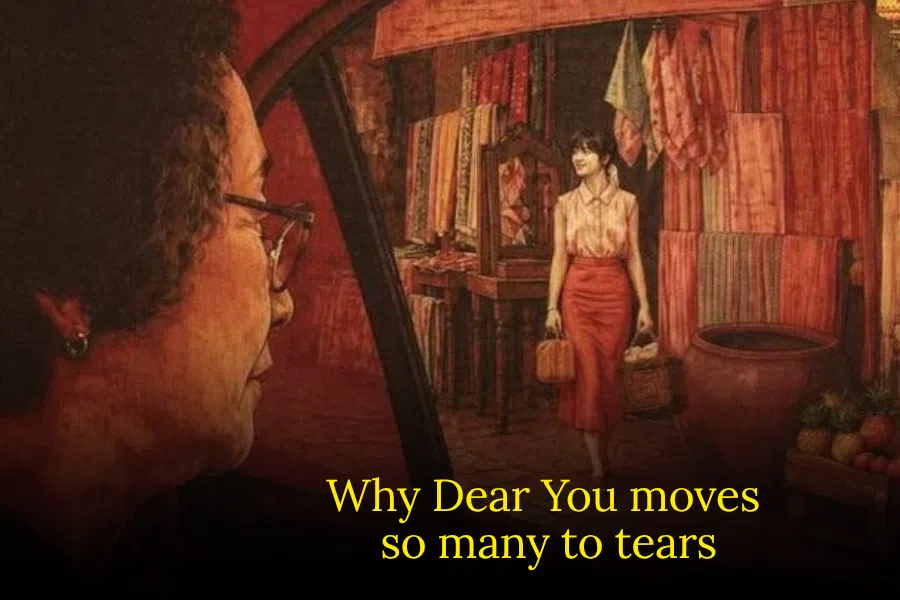
[Video] Dear You: How grassroots authenticity wins over Chinese filmgoers
A small Chaoshan dialect film, made on a tight budget with no celebrities and minimal marketing, went on to gross over 1.6 billion RMB at the box office, outperforming a wave of expensive, star-studded blockbusters. Chinese audiences shared positive word-of-mouth on social media, describing it as a “slow-cooked” film that offers a sincere and understated portrayal of ordinary lives. ThinkChina’s Yi Jina explores the factors behind Dear You’s strong resonance with viewers.
Yi Jina
17 Jun 2026
Society
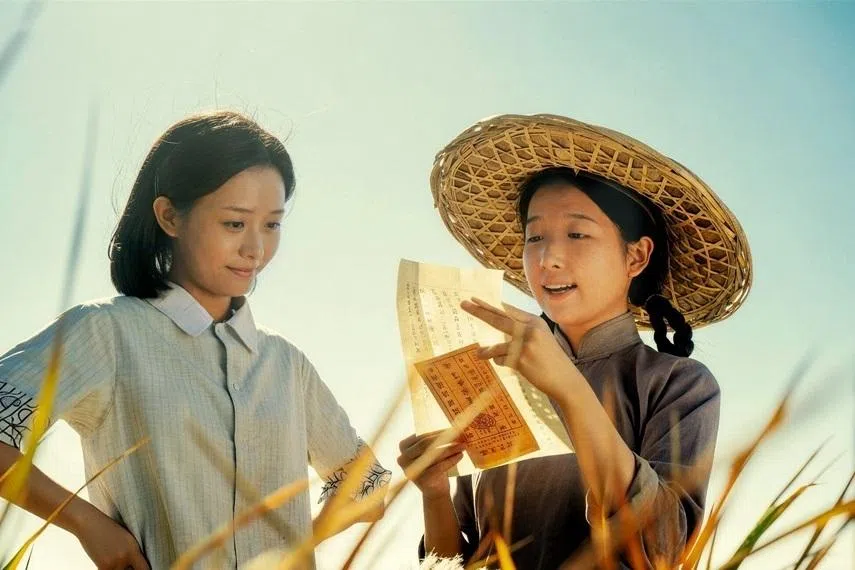
Is ‘Dear You’ China’s perfect propaganda film?
Stripping away the tears, Lianhe Zaobao associate China news editor Sim Tze Wei examines how a 1.69 billion RMB blockbuster subtly targets the global Chinese diaspora, reflecting on the complex tug-of-war between ancestry and allegiance.
Sim Tze Wei
15 Jun 2026

Society
From Chinatown zoo to crocodile oil legacy: The strange history of Chop Wah On
From a shop in Singapore’s Chinatown, a homegrown brand with over 100 years of history steadily sells its products to locals and tourists alike. Lianhe Zaobao journalist Lilia Yeo speaks to the third-generation owners and discovers the rich heritage of this store that began by selling medicated oils.
Lilia Yeo
30 Apr 2026
Culture
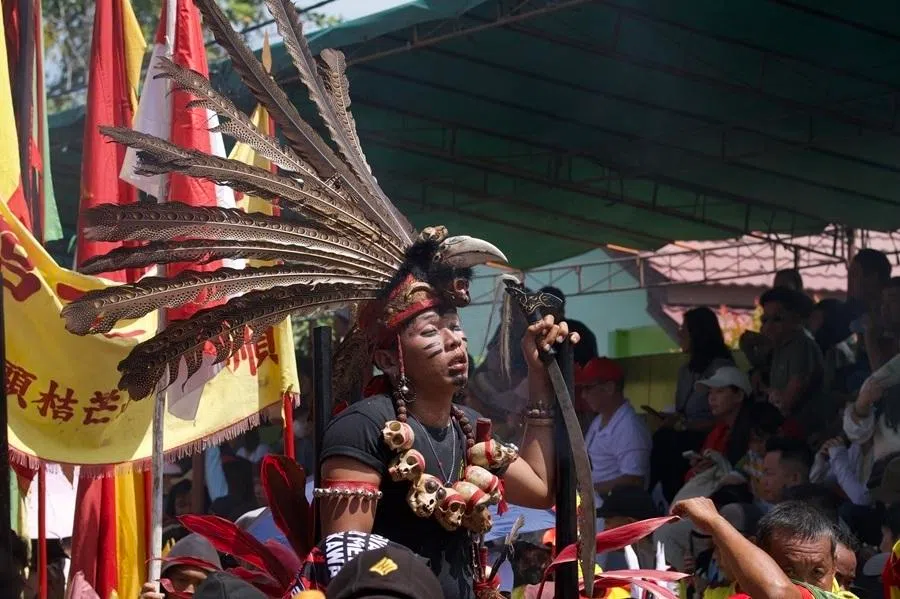
There’s no city like Singkawang: Where Hakka is the lingua franca and Cap Go Meh dazzles
In Singkawang, West Kalimantan, writer Teo Han Wue found kindred spirits, a vibrant Chinese community and a chance to witness the colourful culmination of Chinese New Year celebrations there — a spirit-medium parade, known to the locals as Cap Go Meh or Pawai Tatung.
Teo Han Wue
02 Apr 2026
History
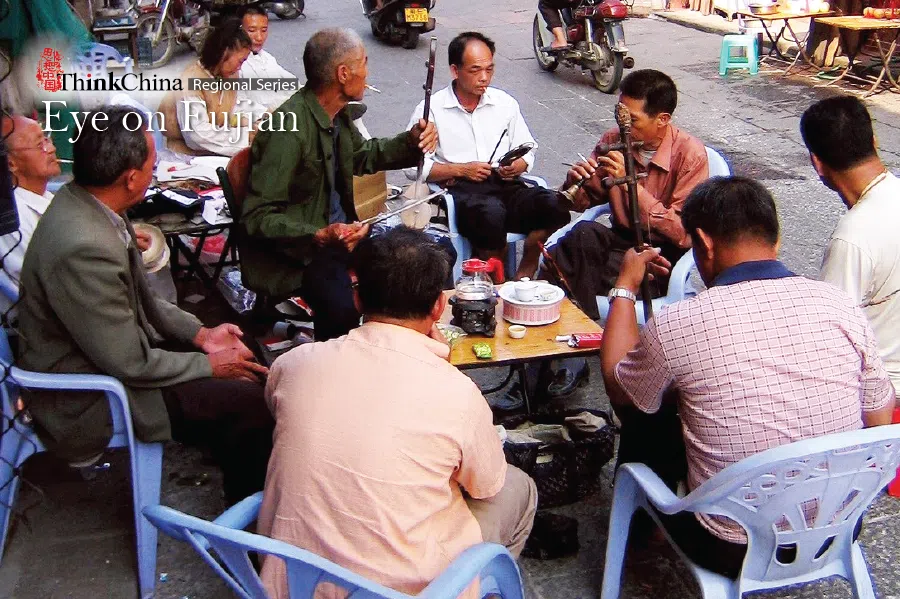
[Photos] A tale of two homelands: Fujian and Taiwan [Eye on Fujian series]
Fujian, a historic maritime gateway and strategic frontier in China, has played a defining role in China’s past. Taiwanese historic photo collector Hsu Chung-mao takes us on a pictorial journey that explores the rich history and culture of his ancestral homeland, while reflecting on his personal ties to the region.
Hsu Chung-mao
27 Mar 2026