Israel-US Relations
Politics
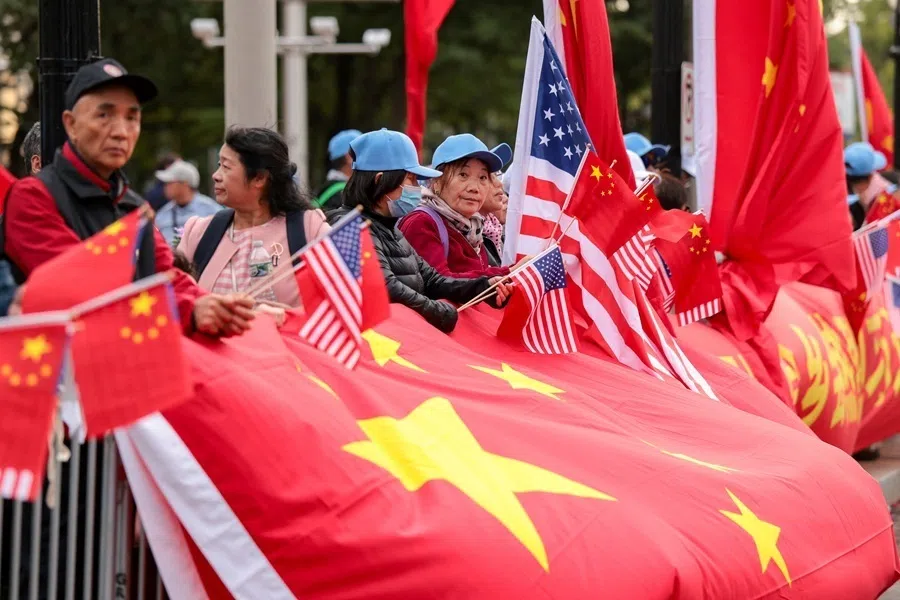
Trump-Xi summit: The ‘China threat’ and America’s real war
American commentary is resurrecting the “China threat” narrative ahead of Xi’s visit. US academic Ma Haiyun takes a look at US foreign policy towards China and Israel, revealing a stark asymmetry in how US’s foreign entanglements are managed and judged.
Ma Haiyun
24 Sep 2026

Politics
The Taiwan Strait needs circuit breakers, not just deterrence
Military and coast guard encounters are becoming more frequent in the Western Pacific and around Taiwan, raising the risk that a limited incident could spiral into wider conflict. Deterrence alone is not enough; the region needs safeguards to contain escalation and create off-ramps, says researcher Hao Nan.
Hao Nan
17 Aug 2026
Politics
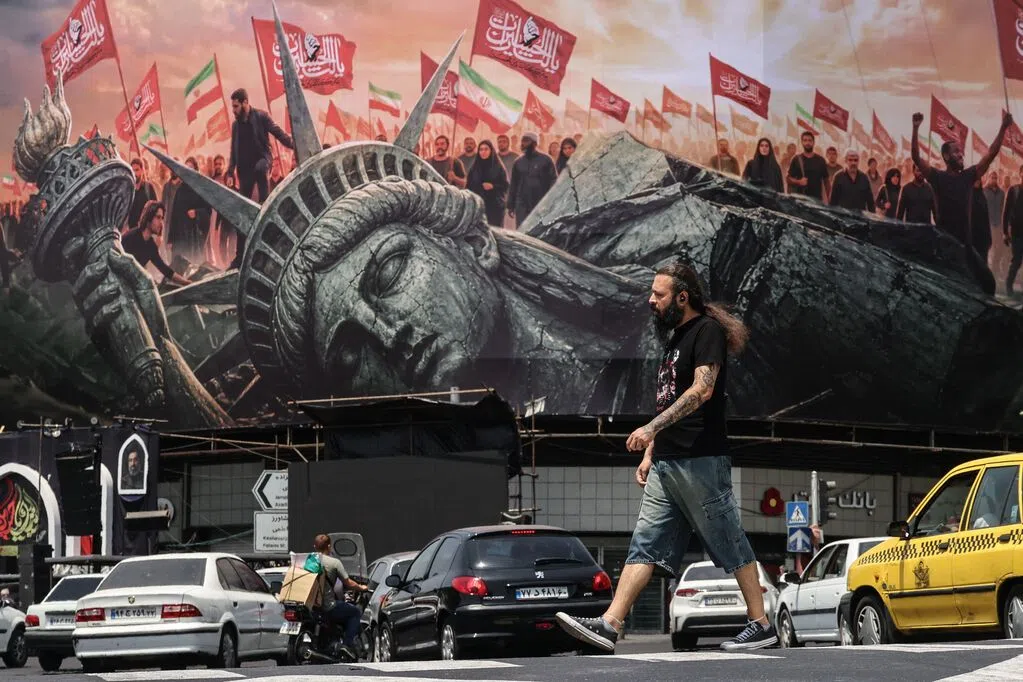
Iran misread what China meant by ‘strategic partner’
Iranians have long considered how China would act in a crisis involving the US and Israel. It got its answer in the recent Iran war, where it has had to lower its expectations and extract practical gains from China, observes Iranian analyst Mohammad Khatibi.
Mohammad Khatibi
11 Aug 2026
Politics
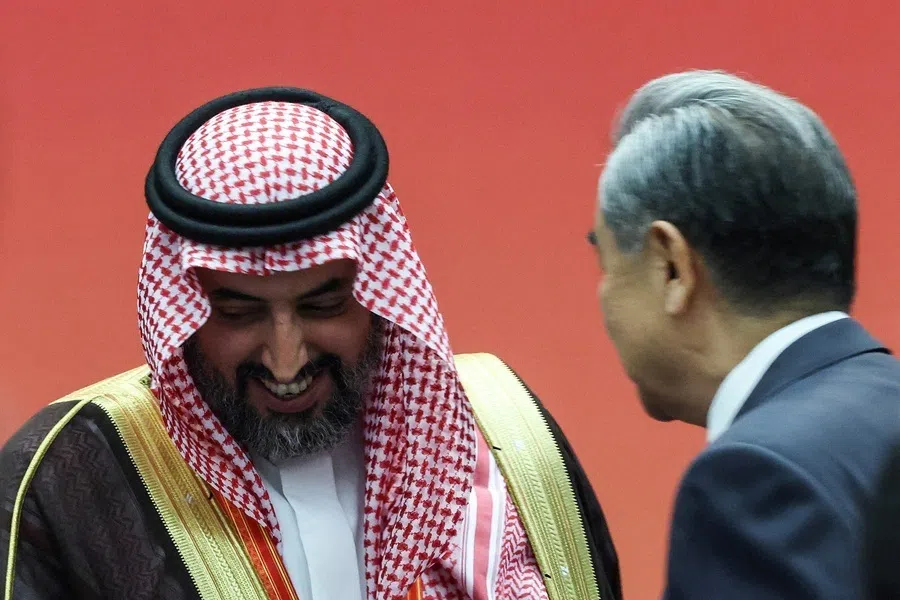
Has China really ‘won’ in the Iran war?
The Iran war has boosted China’s leverage in the energy sector and deepened its commercial presence in the Gulf. But states in the region want China to be a more proactive stakeholder, a role Beijing may not be ready to take on, says researcher Jing Lin.
Jing Lin
30 Jul 2026


Politics
How Trump’s Iran war boosted Beijing
China’s diplomacy in the Middle East has seen highs and lows, most recently garnering some success in the Iran war, after troughs during the post-7 October 2023 period and initial highs when the US withdrew from Afghanistan in 2021. Chinese academic Fan Hongda explains.
Fan Hongda
18 Jun 2026
Politics
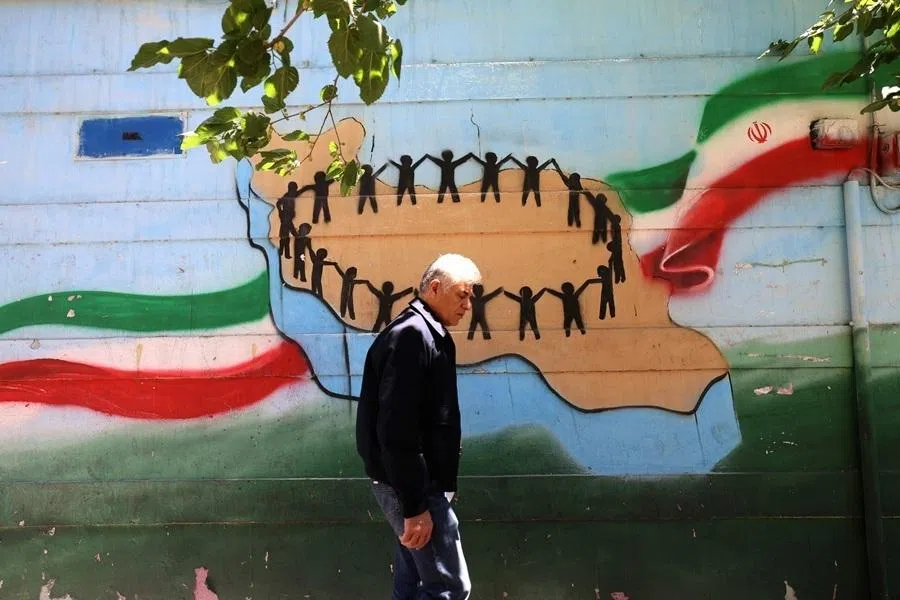
Why bombs don’t break Iran
The domestic issues and fragile regime in Iran would have led one to believe that an attack by the US would result in a quick defeat. Commentator Tao Ray offers a perspective on why Iran remains resilient: not because of its military strength or strategy, but the strong sense of “us versus them”.
Tao Ray
26 May 2026
Politics
A watershed in Hormuz: Can US hegemony hold?
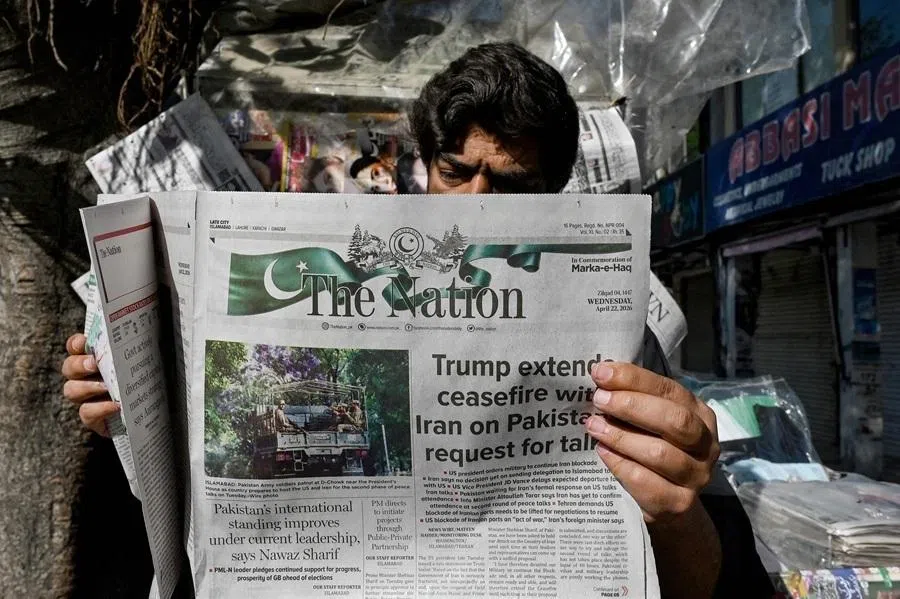
The Strait of Hormuz crisis is testing US hegemony as Iran pressures energy flows and Gulf states hedge their bets. Amid rising tensions, China is reassessing its maritime role, weighing security exposure against new strategic and economic opportunities. Lianhe Zaobao’s China news editor Yang Danxu analyses the situation.
Yang Danxu
22 Apr 2026
Politics
How civilisational politics fuels today’s wars
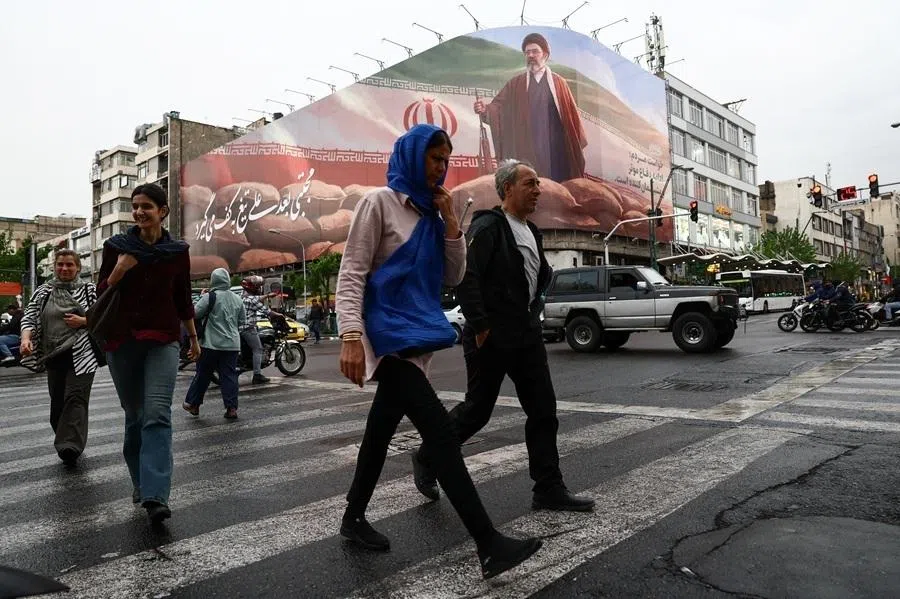
Academic Ma Haiyun traces the history of civilisational conflict narratives in Western strategic thinking, built on Jewish intellectual foundations, long before the rise of Samuel P. Huntington’s The Clash of Civilizations and the Remaking of World Order. Such approaches have had a profound effect on influencing the US’s behaviour in the Middle East and spillover effects in the region.
Ma Haiyun
22 Apr 2026
Politics
China’s quiet brokerage: Can Beijing make the US-Iran truce stick?
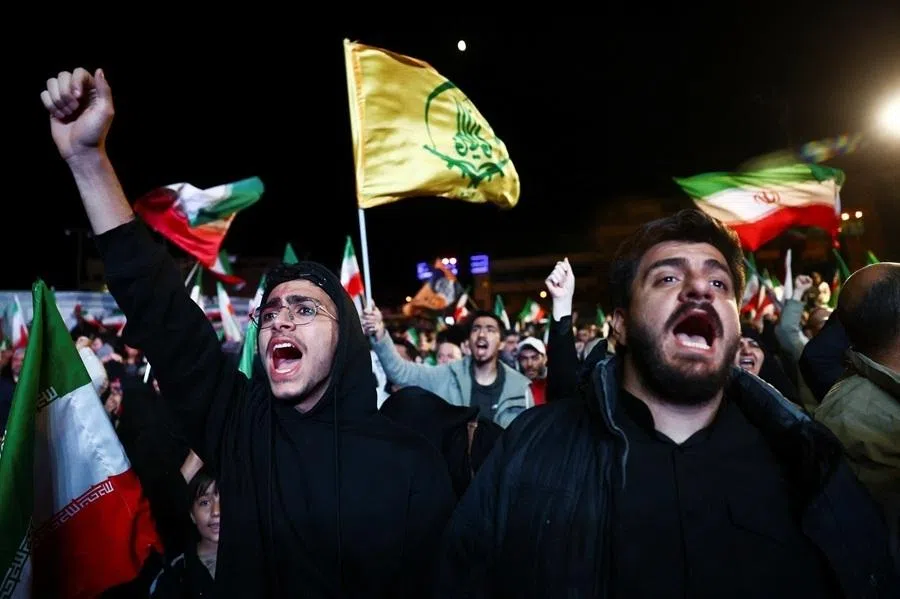
After the two-week ceasefire in the Iran war ends, even if there is a negotiated agreement, the war may not be be over. Lasting peace in the region would mean stabilising Israel-Iran relations and letting countries like China play a bigger role. Chinese academic Fan Hongda shares his assessment.
Fan Hongda
09 Apr 2026
Politics
Who decides when the Iran war ends?
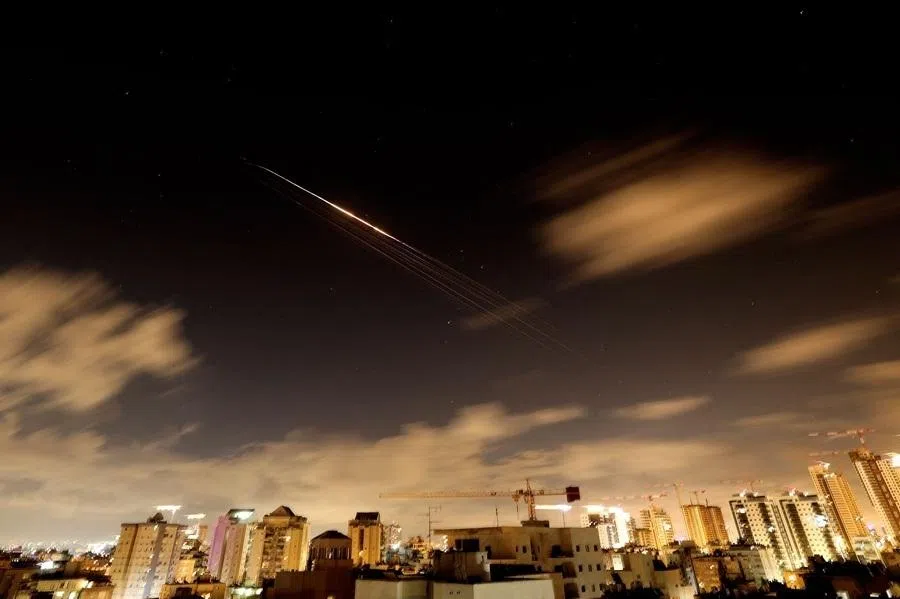
In the Iran war, the US, China and Russia each pursue their own objectives, while Iran and Israel follow separate agendas, creating a complex web of interests. No clear path to a ceasefire has emerged, and the conflict’s endgame remains uncertain. Academic Hao Nan examines the possible scenarios.
Hao Nan
27 Mar 2026
Politics
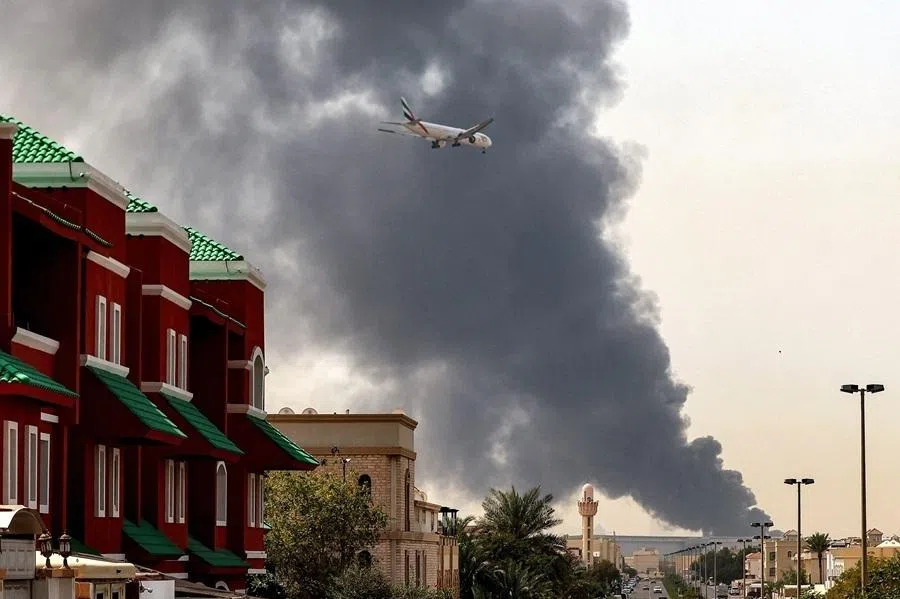
The illusion of decapitation: Why killing Iran’s leaders strengthens the regime
Attempts to target Iran’s leadership have backfired. Tehran has hardened, while Russia and China are gaining influence. The US and Gulf Cooperation Council states face strategic setbacks, as regional instability persists. Chinese academic Fan Hongda shares his views.
Fan Hongda
25 Mar 2026