Events

Newsletter

About Us

Contributors

Regional

Dongbei

JiangZheHu

Shandong

Sichuan

Politics

ASEAN

China-US Relations

Chinese Communist Party

Cross-Strait Relations

Governance

International Relations

Military

Soft Power

Economy

Belt and Road Initiative

China-US Trade War

Digital Currency

Domestic Consumption

Manufacturing

Property Market

Stock Market

Supply Chain

Tariffs

Transport

Technology

Artificial Intelligence

China-US Tech War

Cybersecurity

Energy

Hi-Tech Manufacturing

Innovation

Semiconductors

Space

History

Cold War

Colonialism

Cultural Revolution

Memories

Nanyang

Second Sino-Japanese War

World War II

Society

China workplace

China youths

Education

Entertainment

Family

Gender

Involution

Marriage

Population

Social Media

Culture

Architecture

Arts

Death

Festival

Food

Heritage & Tradition

Language

Music

Nature

Philosophy

Cartoon

Videos

Explainers

Shorts

ThinkChina Conversations

ThinkChina Forum

Vox Pops

May Fourth Movement

Photo Story

History

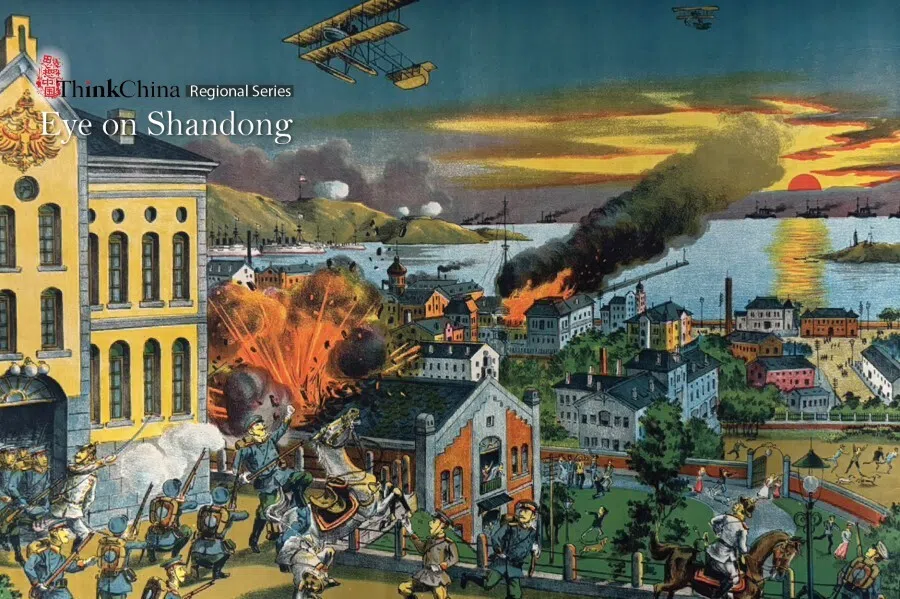
[Photos] The Shandong ‘model’: A trailblazer in China’s history [Eye on Shandong series]

Shandong often played the role of a trailblazer, in more ways than one. The province was a central part of major turning points in Chinese history, and for historical photo collector Hsu Chung-mao, the place holds fond memories of his first books published in mainland China.

Hsu Chung-mao

Politics

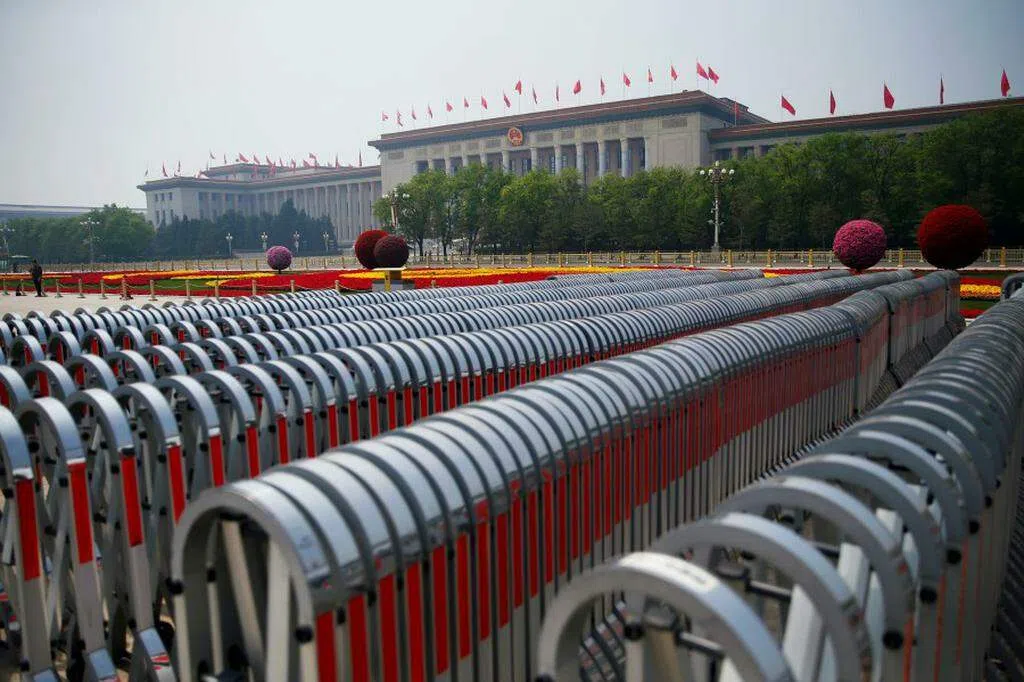
Friends to foes: Matthew Pottinger's Mandarin speech to China and US-China relations

US deputy national security adviser Matthew Pottinger's speech on the anniversary of the May Fourth Movement touched on China's political system, the spirit of the May Fourth Movement, and hopes for the Chinese people. Zaobao's associate editor Han Yong Hong sheds light on Pottinger, a hawkish China hand, and looks at how China-US relations have deteriorated since China's reform and opening up.

Han Yong Hong

Culture

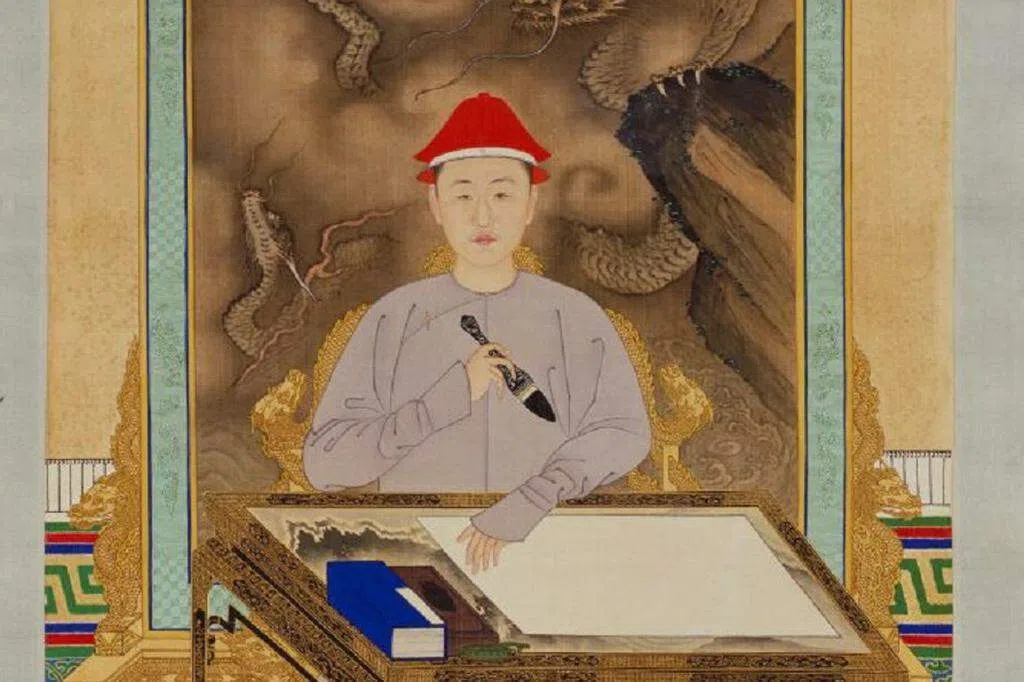
Beautiful or outdated? The journey of Chinese characters through the ages

Cheng Pei-kai reflects on what a blessing it is that Chinese characters have evolved yet stayed intact through the years and writers can still use them to create works of literature that stir the heart, mind and soul. The fact that Chinese characters work auditory and visual muscles all at once have more than a little to do with it.

Cheng Pei-kai

Next Page

ThinkChina is an English language e-magazine with a China focus and powered by Singapore Press Holdings' flagship Chinese daily Lianhe Zaobao.

Add ThinkChina as a preferred source

Get the ThinkChina weekly newsletter

Insights on China, right in your mailbox. Sign up now.

Copyright © 2026 SPH Media Limited. Co. Regn. No. 202120748H. All rights reserved.

Contact UsTerms & ConditionsPersonal Data Protection Notice
1.2.0