Singapore
Society
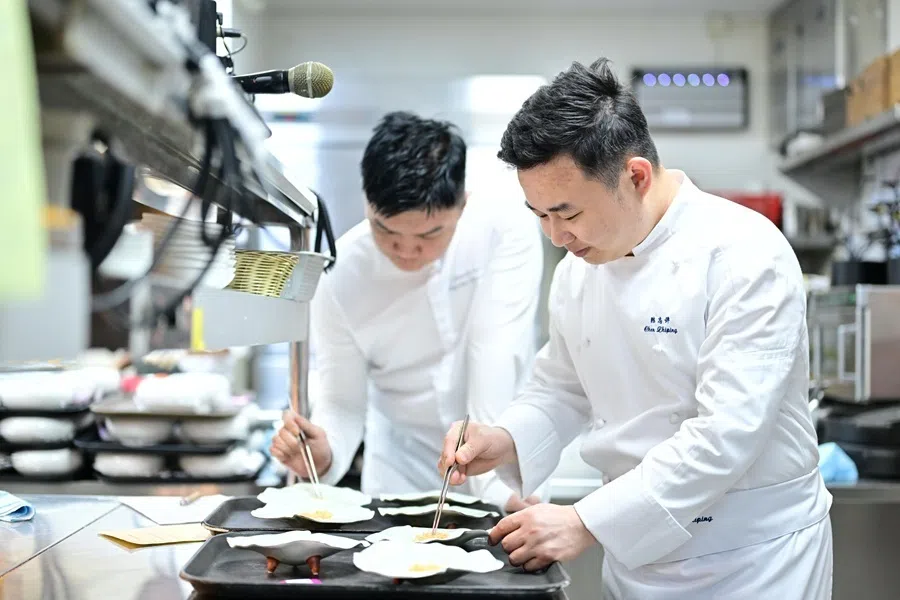
China’s top chefs are stirring up Singapore’s fine-dining scene
Acclaimed chefs from mainland China are bringing fresh flavours and culinary perspectives to Singapore. These exchanges are not just about attracting diners, but also about rediscovering the diversity and sophistication of Chinese cuisine, notes writer Tan Pin Yen.
Tan Pin Yen
20 Nov 2026
Politics
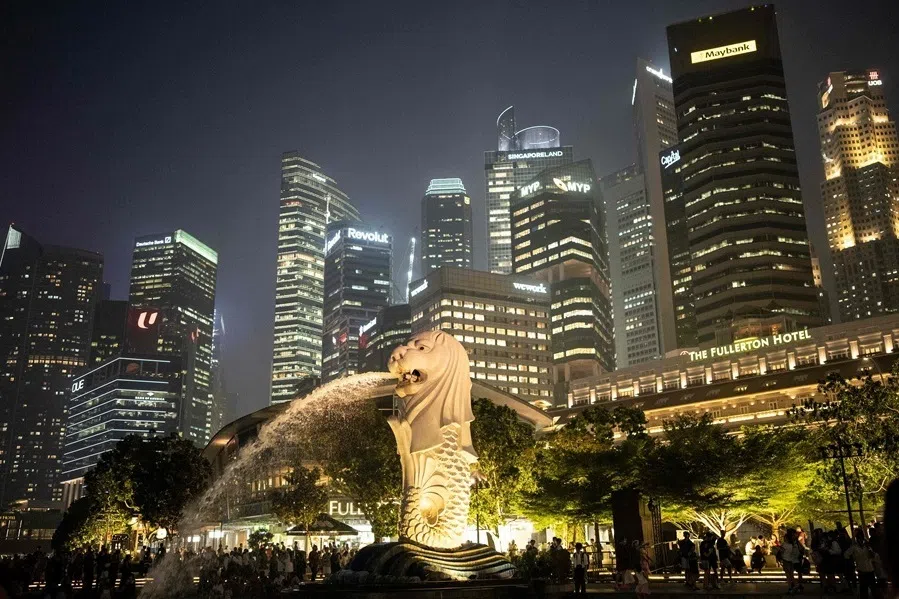
How far can Singapore’s own laws go in the chip war?
The US has moved to close loopholes on remote access to advanced chips but if Singapore can be unwittingly embroiled, how far can relying on its own laws be enough to deal with such cases? SMU academic Han-Wei Liu analyses the issue.
Han-Wei Liu
17 Nov 2026
Economy
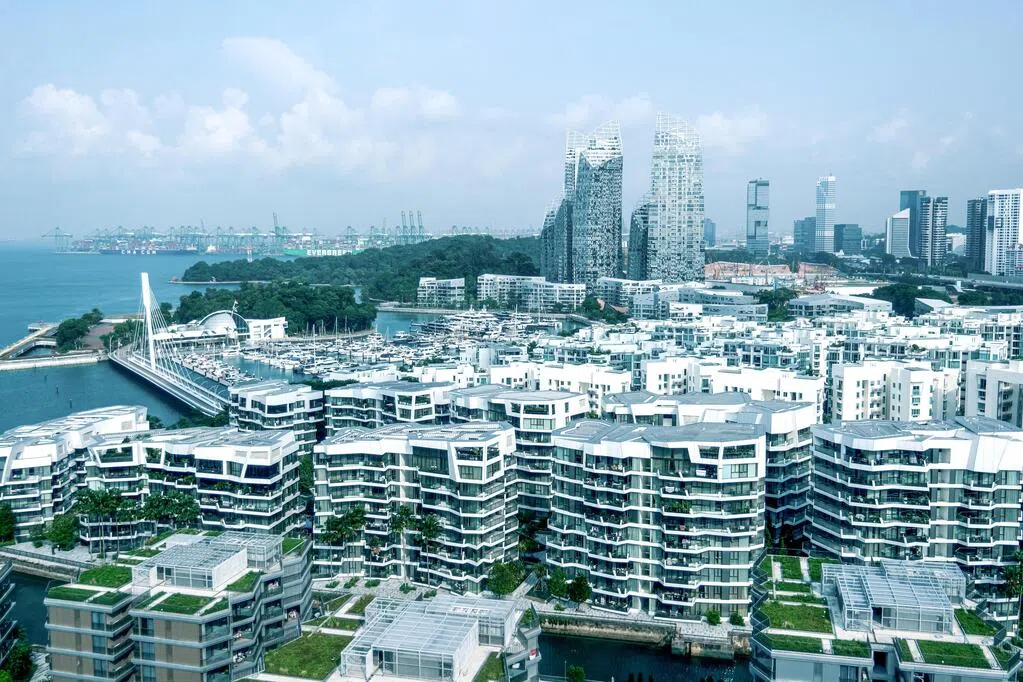
China’s ‘wealth tax’ takes effect, with offshore trusts holding Singapore luxury homes potentially liable
Despite China’s new regulations targeting offshore trusts, Chinese investors still find holding Singapore property through trusts attractive. Lianhe Zaobao business journalist Thomas Li Tao finds out why.
Thomas Li Tao
17 Nov 2026

Technology
Can Singapore be neutral ground amid US-China AI rivalry?
The arrival of US and Chinese AI giants could strengthen Singapore’s technological capabilities and business ecosystem, while testing its ability to remain a trusted environment for both sides. SMU academic Ted Tschang gives his analysis.
Ted Tschang
17 Nov 2026

Technology
Pony.ai’s next big ride: Replicating success across global cities
Pony.ai co-founder and CEO James Peng thinks his company has found the right strategy to profitably scale its integrated autonomous mobility technologies, from cities in China to testbed Singapore and the world. Lianhe Zaobao’s senior business writer Lee Kuo Ai speaks to him to find out more.
Lee Kuo Ai
30 Oct 2026
Economy
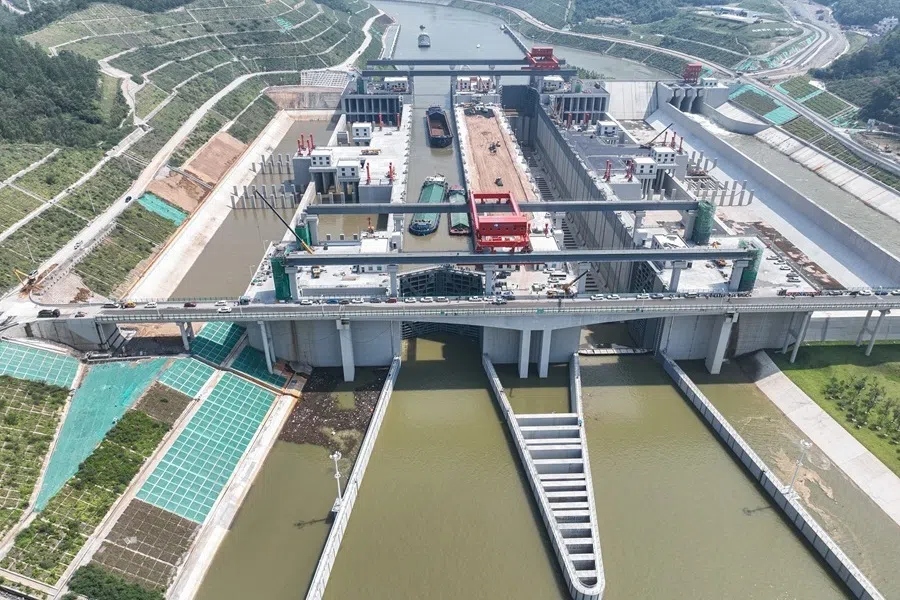
Pinglu Canal is an alternative, not a game changer for Southeast Asia
China’s new Pinglu Canal promises a shorter route to ASEAN, but its real impact depends on how ships and cargoes fit into existing supply chains, ports and regional trade networks. Commentator Jianbo Wu analyses the situation.
Jianbo Wu
28 Oct 2026
Politics
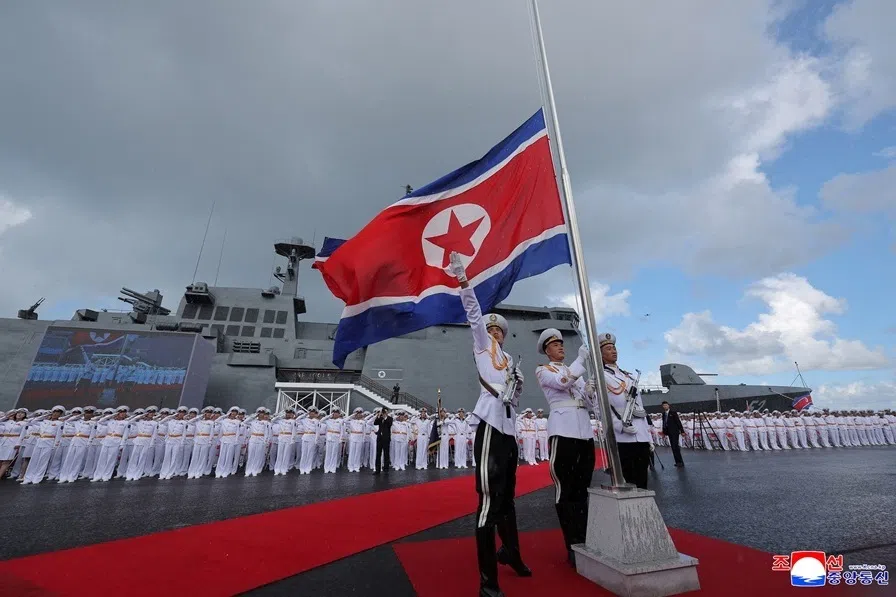
Bilahari Kausikan: The Korean peninsula and the future of East Asian geopolitics
Former Singapore diplomat Bilahari Kausikan believes that a momentous strategic shift is underway on the Korean peninsula, impacting the East Asian geopolitical landscape. The rise of a nuclear-armed North Korea and a transactional US alliance system are forcing a structural reset. An independent nuclear path for South Korea and Japan may be next.
Bilahari Kausikan
16 Oct 2026
Culture
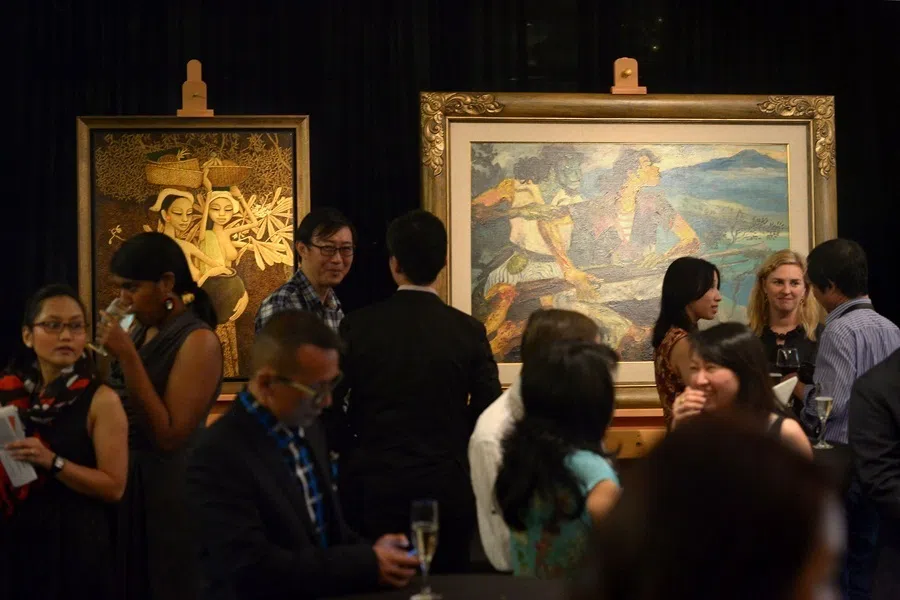
Who were the patrons of Nanyang art?
Nanyang art is generally associated with a category of artworks created in the early to mid-20th century by Chinese migrant artists in their new-found home of Singapore. A group of Western-educated individuals were their strongest and most vocal champions, referring to their work as “Malayan art”, rather than “Nanyang art”, at a time when Singapore was heading towards independence from the British. Low Sze Wee, group director (museums) of the National Heritage Board tells us more.
Low Sze Wee
09 Oct 2026

Technology
Southeast Asia’s mixed AI stacks: Pragmatic but not risk-free
Regional initiatives such as Singapore’s SEA-LION and Indonesia’s Sahabat-AI show that Southeast Asia can combine technologies from American, Chinese and regional sources. But mixed AI stacks do not automatically reduce dependence. ISEAS academic Zenobia Chan tells us more.
Zenobia Chan
08 Oct 2026
Economy
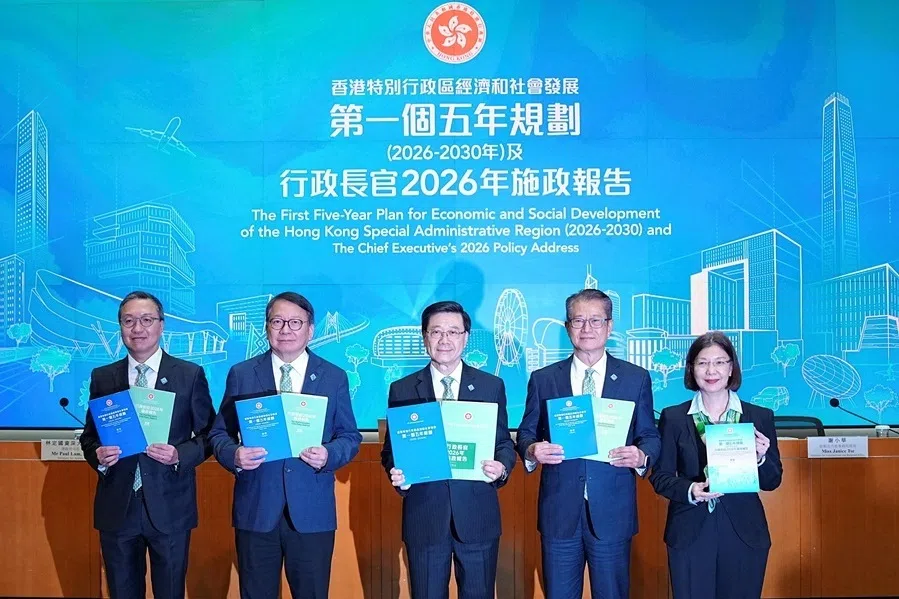
Singapore planned for success. Why shouldn’t Hong Kong?
Hong Kong’s first five-year plan marks a sharp break from its laissez-faire past, prompting concerns about state intervention. Academic Guanie Lim delves into the issue and compares it with Singapore’s success story — one that was never purely market-driven.
Guanie Lim
08 Oct 2026

Society
In Singapore, a woman knew her harasser. In China, 20 women never met theirs
Who should stop an online crowd? Singapore’s new Online Safety Commission helps victims get harmful posts taken down and find out who harmed them. China’s draft Anti-Cyberviolence Law would make platforms slow a crowd turning on someone before anyone complains. Victims need both, argues academic Ashton Ng. Platforms see the crowd first and should act first. But the crowd is made of individuals, and each of us can refuse to join it.
Ashton Ng
02 Oct 2026
Society
[Big read] How China’s pyramid schemes used ‘state secrets’ to lure victims
China’s pyramid schemes have abandoned centralised communes to recruit via social media, romance-baiting and promises of quick wealth. Lianhe Zaobao associate China news editor Sim Tze Wei examines how state rhetoric is weaponised to keep victims in the dark.
Sim Tze Wei
30 Sep 2026