Global Governance
Politics
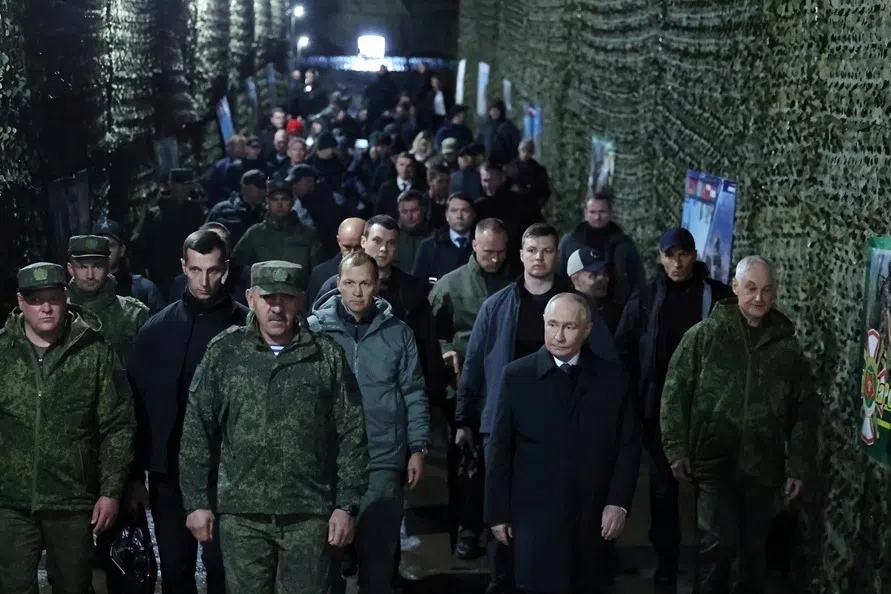
Are China and Russia building an Eastern NATO?
Russia’s Tsentr-2026 exercise shows that countries in Eurasia are building military networks with Russia and China, creating greater room for manoeuvre — but only if they steer clear of the perception of bloc politics. Analyst Hao Nan explains.
Hao Nan
20 Oct 2026
Politics
George Yeo: APEC was built to unite the Pacific. Can it do so again?
APEC was founded to keep both sides of the Pacific connected, but growing geopolitical divisions threaten that vision. In a CGTN programme on APEC recorded at Renmin University of China, former Singapore foreign minister George Yeo argues that the upcoming Shenzhen summit could help restore the spirit of cooperation that brought the forum into being. This is an edited version of his speech.
George Yeo
14 Oct 2026
Politics
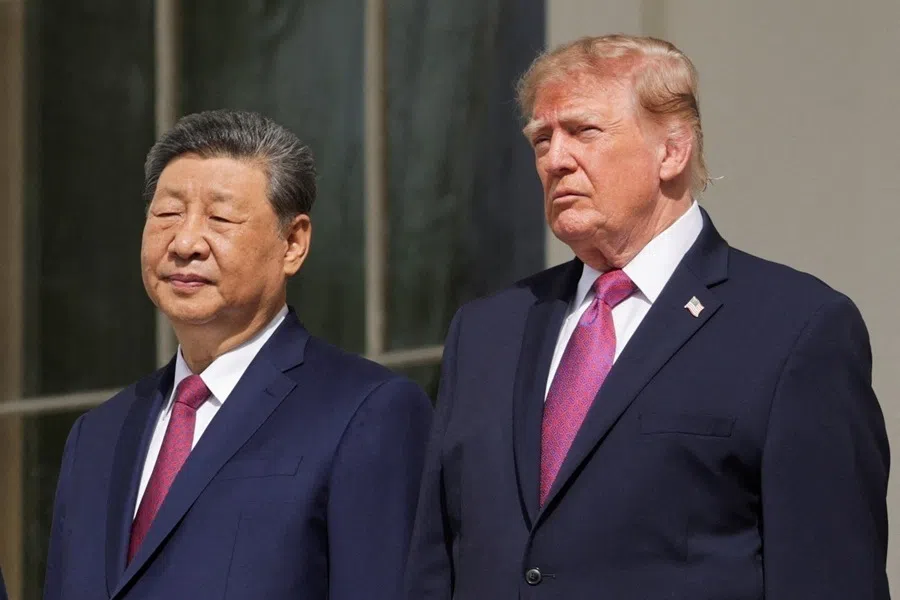
Trump-Xi summit: India need not fear a G2 — yet
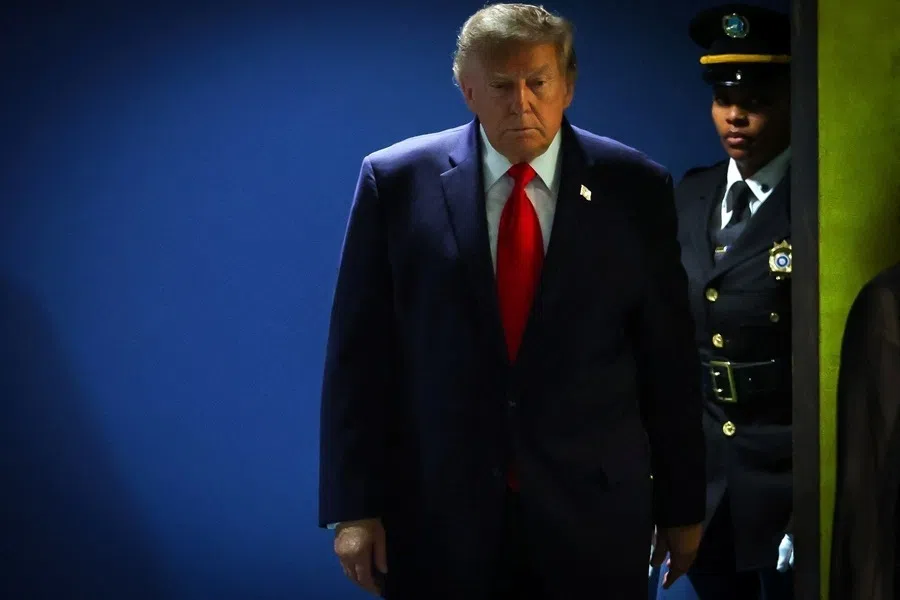
The Trump-Xi summit produced neither a US-China G2 nor major deals at India’s expense. But regular engagement between Washington and Beijing could reshape the strategic triangle — and leave New Delhi wondering where it fits. ISAS academic Ivan Lidarev gives his analysis.
Ivan Lidarev
07 Oct 2026
Economy
The RMB’s offshore revival is real — so are its limits
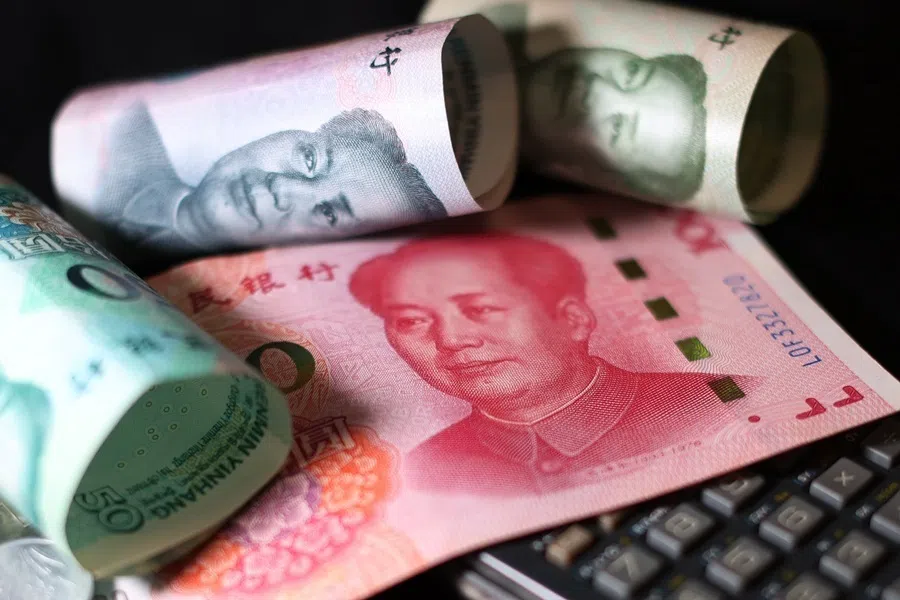
The RMB has become more useful for trade, treasury management and selected funding transactions within China’s commercial orbit, but this does not mean that it has become a currency that central banks or global investors choose to hold at scale, observes EAI visiting senior research fellow Jason Bedford.
Jason Bedford
01 Oct 2026

Politics
What kind of superpower will China be?
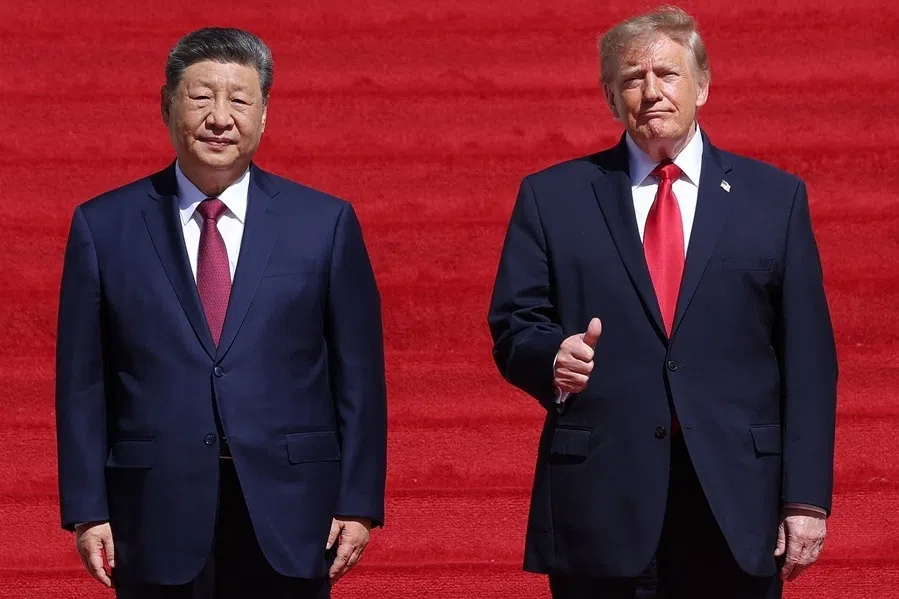
Chinese President Xi Jinping received the red-carpet treatment in Washington. Whether or not this means that China is increasingly seen as the US’s equal, it is becoming harder for China to avoid the term “superpower”. As it navigates this role, interesting is the way it is extending its socialist legal system as a semi-permeable membrane for selective globalisation. Academic Frank N. Pieke explains.
Frank N. Pieke
29 Sep 2026
Politics
Vivian Balakrishnan: Upholding the rule of law in a fragmenting world
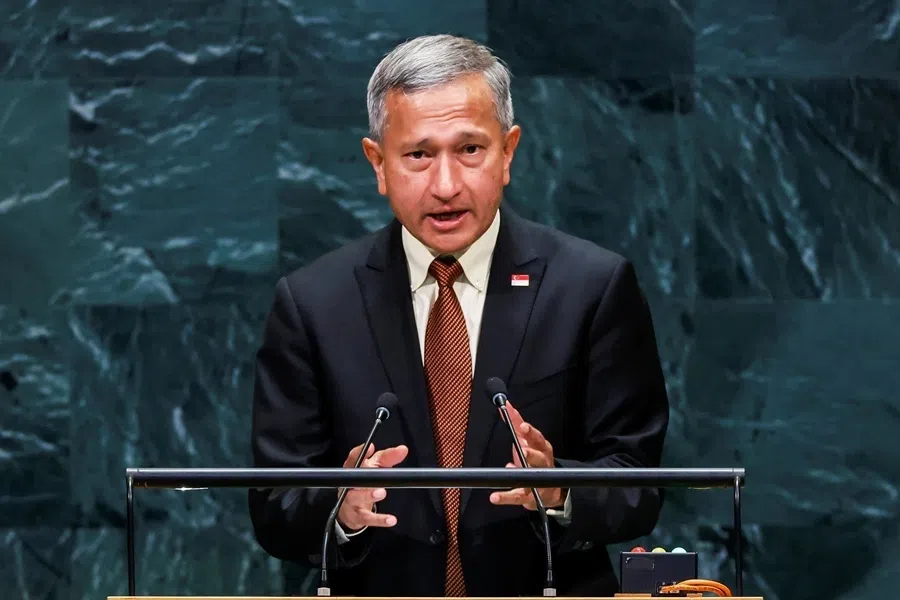
Singapore Foreign Minister Vivian Balakrishnan made the case for enduring multilateralism while delivering Singapore’s national statement at the General Debate of the 81st Session of the United Nations (UN) General Assembly in New York on 26 September. He spoke about complying with international law and the norms of multilateralism; reforming existing institutions where needed; and collectively formulating new rules and institutions for new technologies, including possibly establishing a UN Framework Convention on AI Safeguards. This is an edited version of the transcript.
Vivian Balakrishnan
28 Sep 2026
Politics
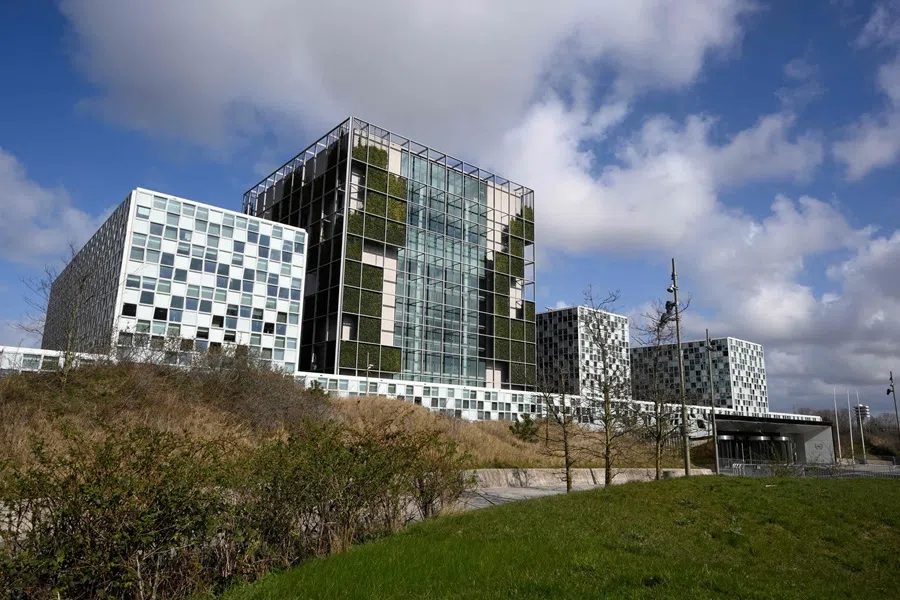
Can Japan and Europe defend the ICC against the US?
US sanctions against the International Criminal Court (ICC) are putting Japan and Europe in a difficult position: how can close US allies defend international institutions without undermining their own security ties? Researcher Hao Nan explores the question.
Hao Nan
22 Sep 2026
Politics
Bilahari Kausikan: On international law and foreign policy
Former Singapore diplomat Bilahari Kausikan sounds the reminder that abiding by international law is a choice countries make in their own national interest, and that serving the latter is the only consistency in countries’ foreign policy, in a speech delivered at the Law Society of Singapore’s Public International Law Conference on 3 September 2026. This is an edited version of the transcript.
Bilahari Kausikan
18 Sep 2026
Politics
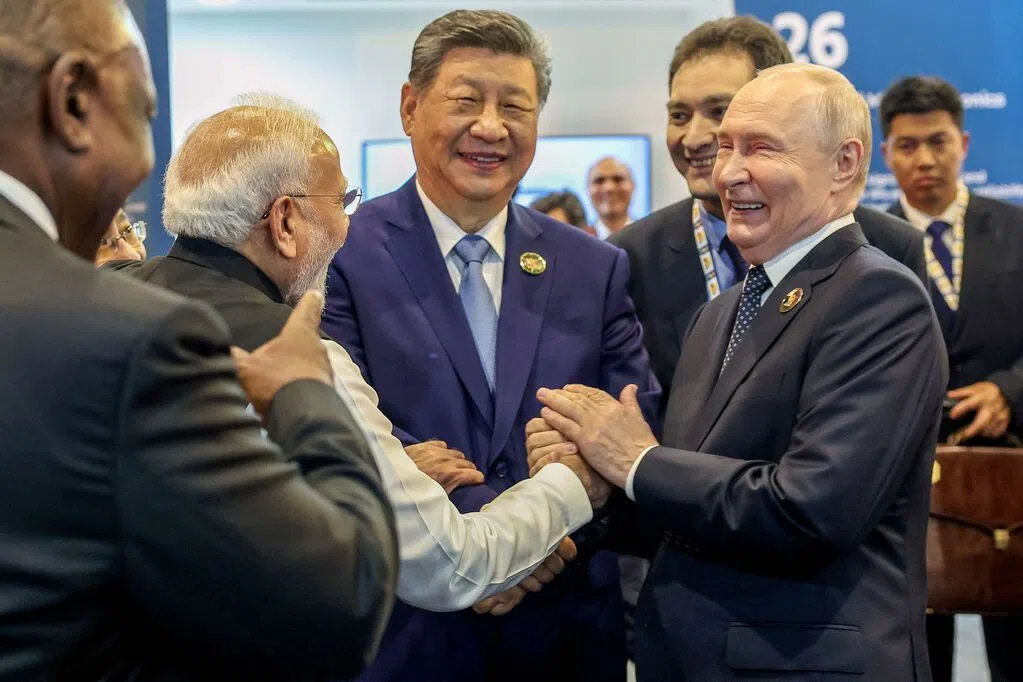
Xi Jinping’s tech diplomacy meets harsh realities of BRICS
BRICS is gaining cohesion, but internal divisions remain. As it seeks a bigger global role, China is using AI cooperation to expand its network of partners, promote its standards and gain an edge over the US. Lianhe Zaobao China news correspondent Edwin Ong reports.
Edwin Ong
14 Sep 2026