Information
Politics
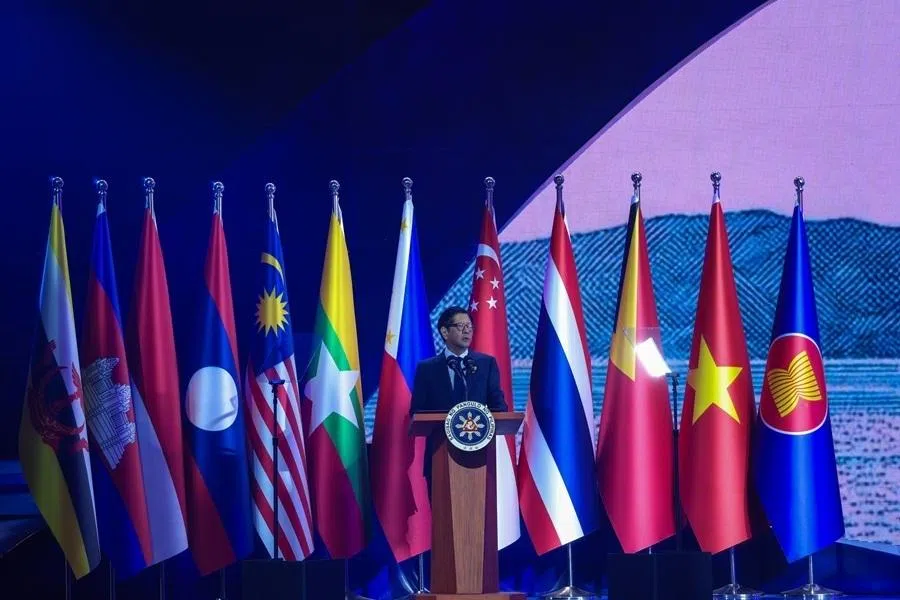
Can ASEAN find its own voice between great powers?
As great power rivalries intensify, Southeast Asia is moving beyond mere geopolitical balancing and pursuing “epistemic autonomy”. The region is rejecting imported Western narratives to build its own knowledge, trust local institutions, and dictate its own future on its own terms, say Chinese academics Li You and Zhai Kun.
Li You, Zhai Kun
21 May 2026

Politics
Israel’s ‘digital bombs’: Is everyday tech becoming a weapon of war?
Israel’s digital warfare now extends from exploding pagers to cloud servers and AI tools. As global tech giants work with Israeli intelligence, academic Ma Haiyun cautions that the lines between war and civilian life — and between devices and weapons — are vanishing.
Ma Haiyun
13 Oct 2025

Technology
How China’s all-in-one platforms are reshaping the AI battlefield
The super-integration capability of Chinese internet giants was never previously seen as a competitive advantage over their US counterparts, until the artificial intelligence era. With the widespread enterprise adoption of large AI models since 2024, this strength has taken the spotlight, says technology expert Yin Ruizhi.
Yin Ruizhi
27 Jun 2025
Politics
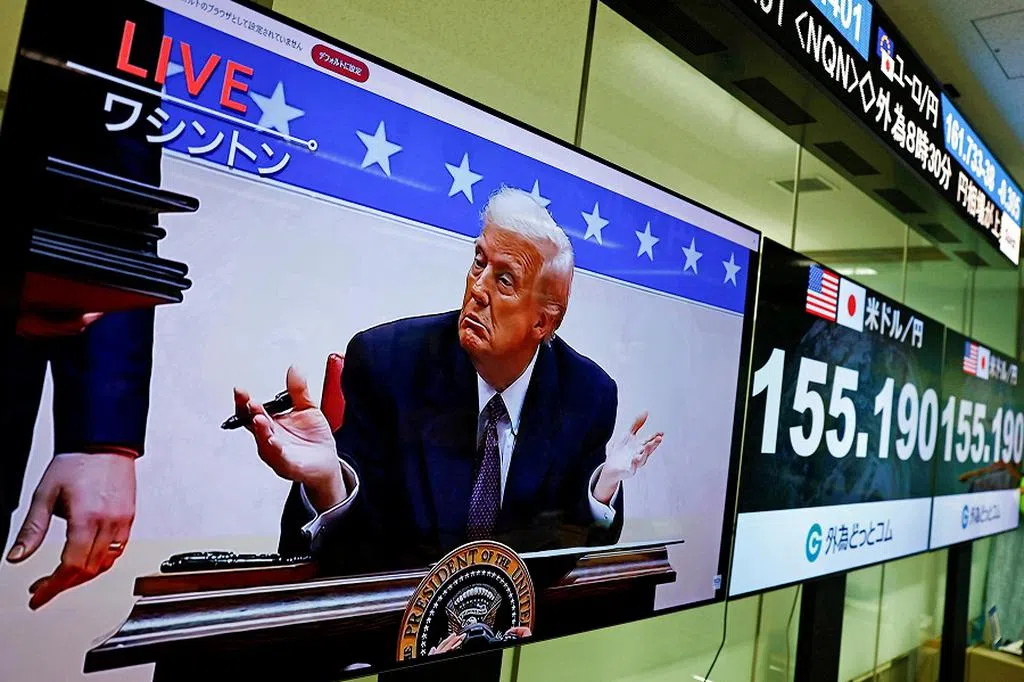
The influencer-in-chief: How Trump tamed the social media beast
Extensive free speech protections and the advent of the internet and social media have rendered the US fertile ground for the rise of influencer leaders, argues academic Fei-ling Wang. Leading the charge is US President Donald Trump, says Wang, who tells us more about the recent political trend.
Fei-Ling Wang
02 Apr 2025
Society
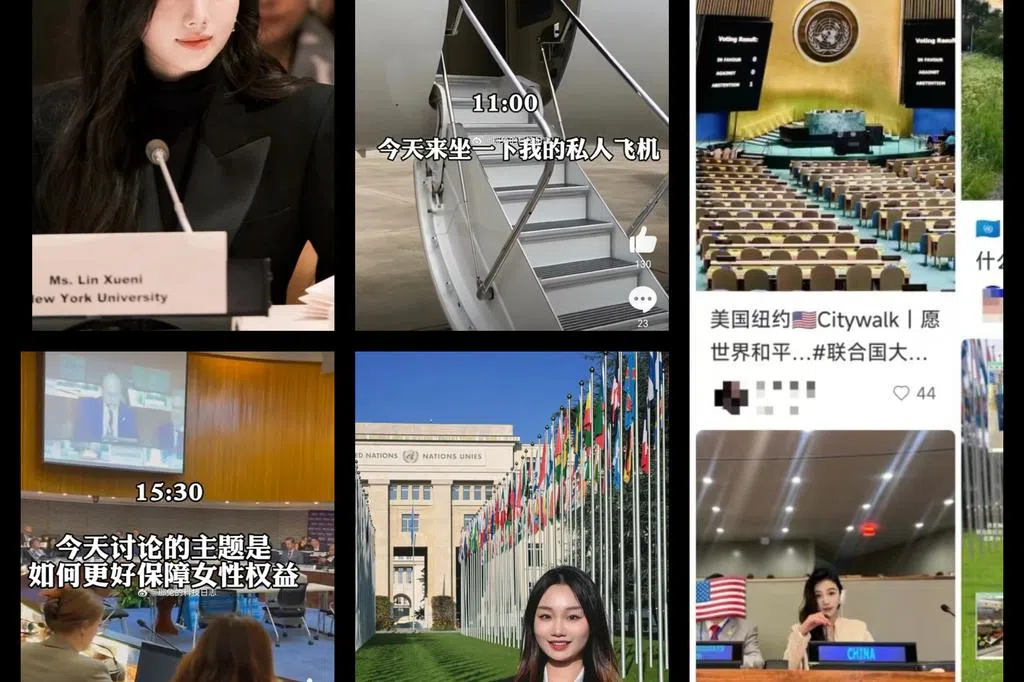
The curious case of China’s ‘UN socialites’
China is seeing the rise of “UN socialites” — influencers who post content of themselves at the UN headquarters as they give speeches, attend briefings or receive awards. But who are these influencers and what has given rise to this bizarre phenomenon? Lianhe Zaobao’s China Desk looks into the issue.
China Desk, Lianhe Zaobao
12 Dec 2024

Society
[Big read] A ‘cyst’ in society: The mental health crisis behind random attacks in China
The recent rash of random attacks in China has prompted increased attention on mental health. What are the factors hindering people from getting the help they need, and what are some of the underlying issues that may manifest themselves in violent behaviour? Lianhe Zaobao correspondent Daryl Lim finds out more.
Daryl Lim
11 Dec 2024

Society
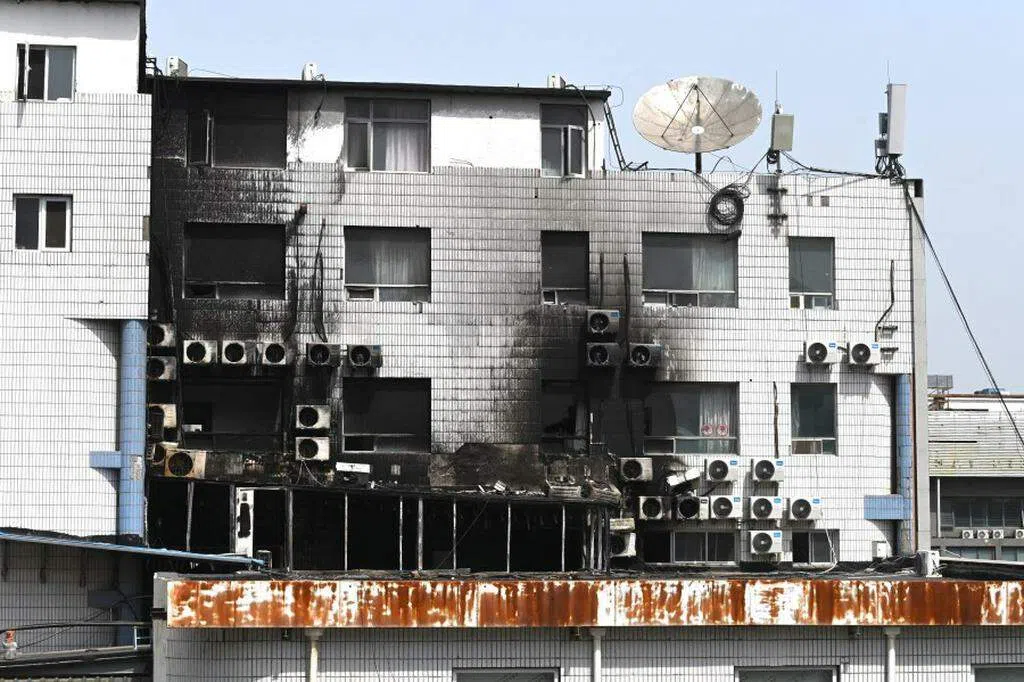
Beijing hospital fire: Social media silence shows tightening public opinion space in China
A major fire at a hospital in Beijing was shocking, not so much because of its severity, but because of the blanket silence that lasted some seven or eight hours after the event. Zaobao's associate editor Han Yong Hong explores the media control and crisis management following the incident.
Han Yong Hong
21 Apr 2023
Technology
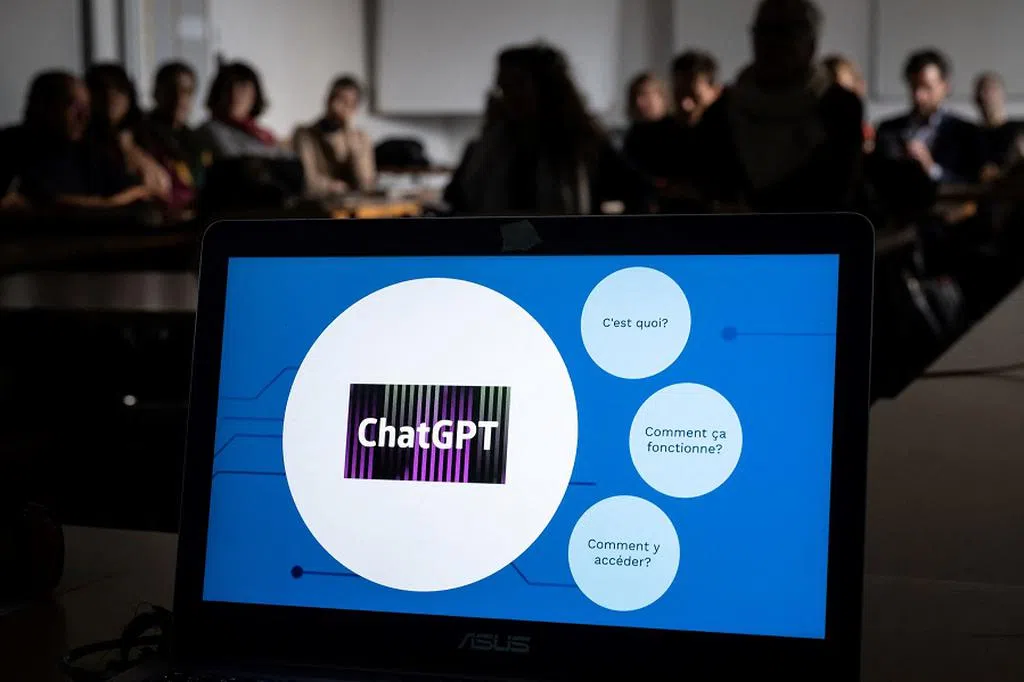
ChatGPT could be partners in education if we overcome these challenges
Academics Wong Lung Hsiang and Looi Chee Kit note that information and AI literacies are or will become essential for anyone living in the IT era. One must possess both literacies to responsibly and constructively produce and disseminate information, as well as to understand and appraise the functions and limitations of AI tools, and the challenges they pose.
Wong Lung Hsiang, Looi Chee Kit
02 Mar 2023
Society
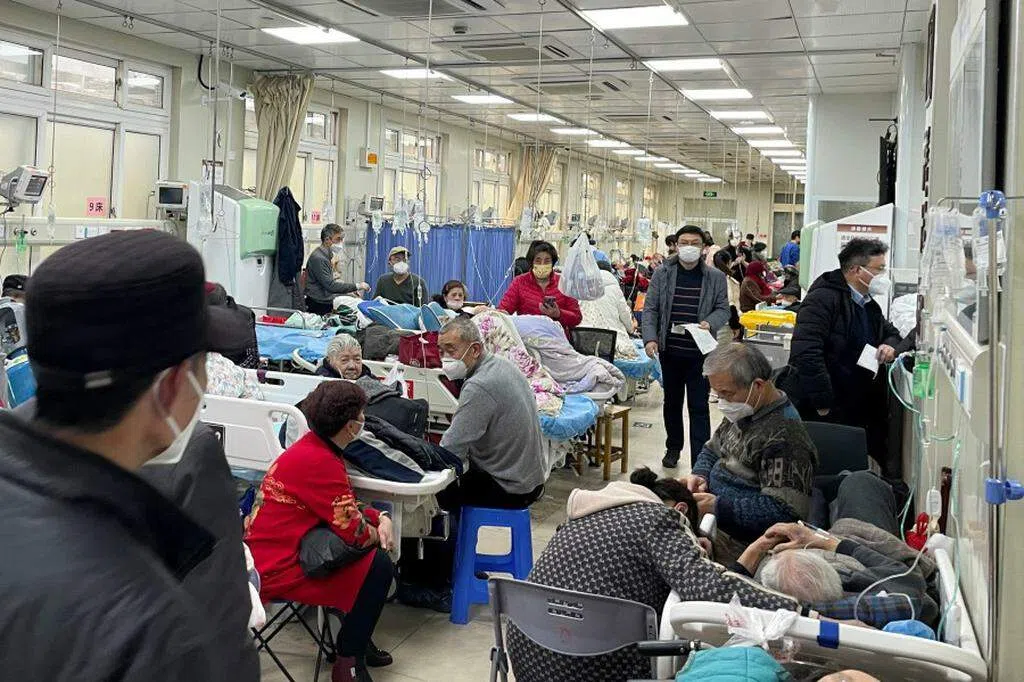
Are the Chinese facing a crisis of confidence in the government?
As the Chinese authorities ease Covid-19 controls and infections increase, hearsays about symptoms, treatments and folk remedies are widespread. Lianhe Zaobao correspondent Chen Jing looks at why people fall for these baseless rumours and remain wary of the government's responses.
Chen Jing
05 Jan 2023
Technology
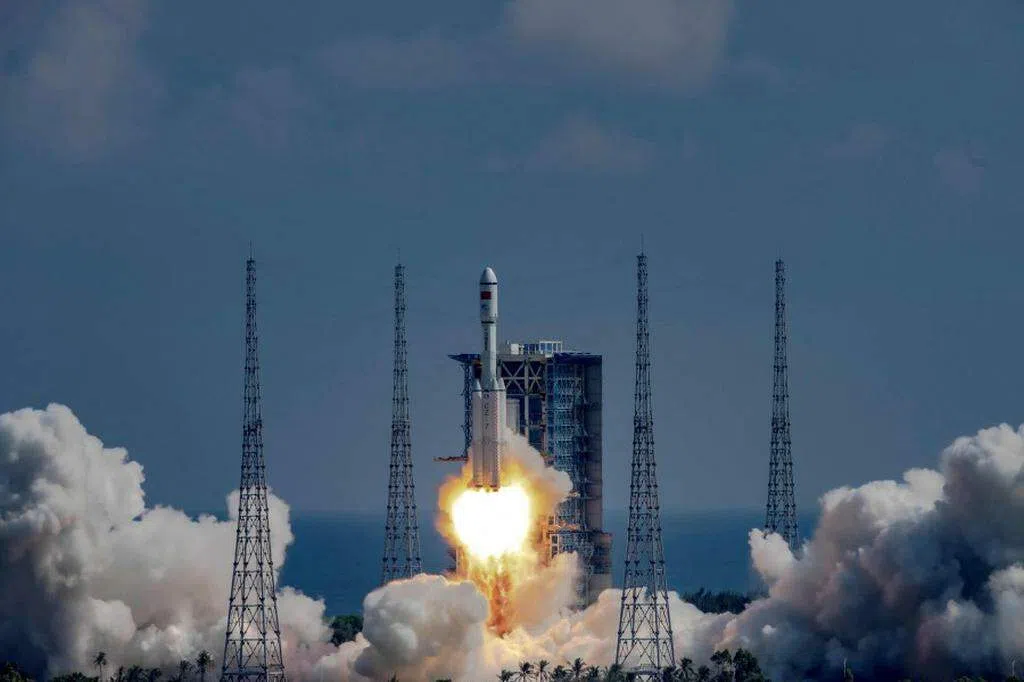
The complex impact of China's military-civil fusion in space
With China's accelerated efforts to become a great space power, including opening up its space sector to private firms, Western developed countries worry that China's military-civil fusion (MCF) strategy may see technology developed in the commercial sector being used to boost China's military space power in the future. Are these fears justified? Japanese academic Masaaki Yatsuzuka looks into the issue.
Masaaki Yatsuzuka
04 Jul 2022

Economy
Chinese academic: Developing nations must be wary of internet platform companies and their capital
Qiao Xinsheng points out that one should not have any expectations about the globalisation of the job market. In the internet economy era, even though internet platform companies facilitate capital's global search for talent, this has not improved labour's freedom of movement in search of better job opportunities. Cheap labour will continue to be exploited through the long arms of overseas capital. Not only that, with these companies' technology-enabled capabilities to collect massive amounts of data, national security will be a concern.
Qiao Xinsheng
16 Jun 2021