Calligraphy
Culture
Creative adaptations of Chinese orthography
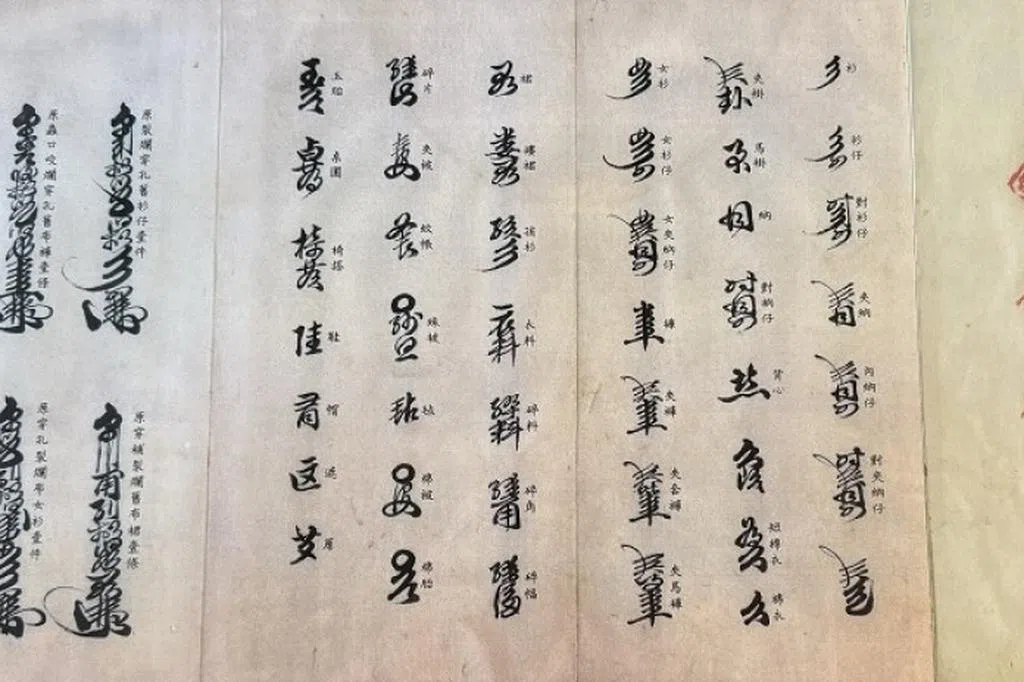
Academic Lian-Hee Wee and researcher Tommy Wong observe that while traditional Chinese characters and simplified Chinese characters are taught in schools depending on government policies, the stenography of kitchen workers, pawnshop accountants and even musicians remain marginalised. This is a pity as their stories provide details missing in the more common politico-economic histories of textbooks.
Lian-Hee Wee, Tommy Y.C. Wong
21 Feb 2025
Culture
Yuan Shikai's calligraphy on century-old plaque of old Singapore pharmacy
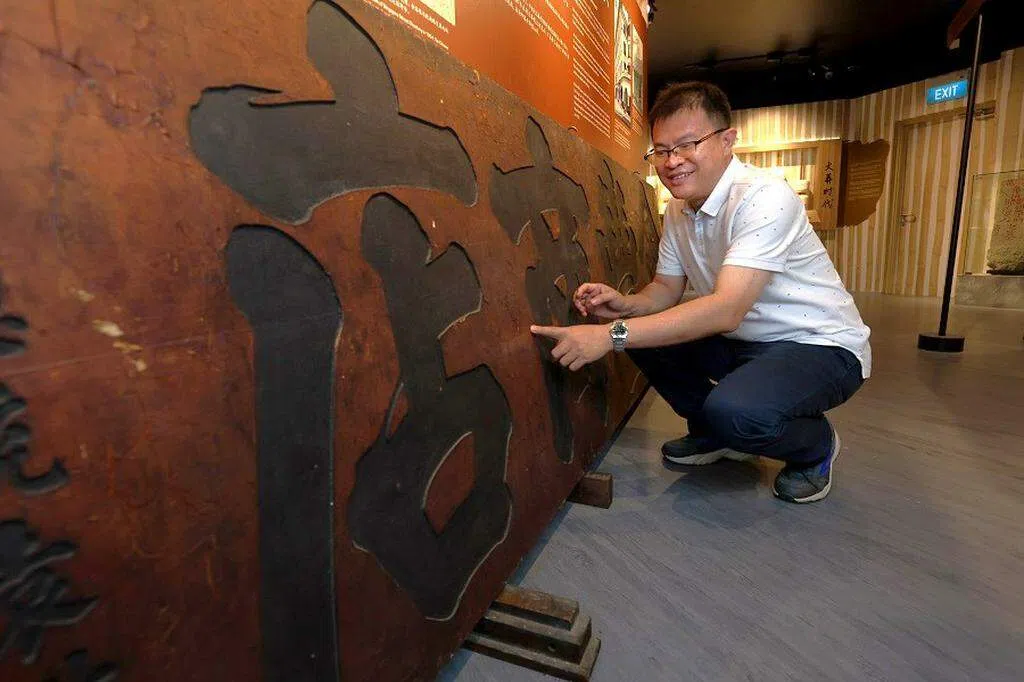
Yuan Shikai may be known as more of a military man and the second provisional president of the Republic of China, but he was also an accomplished calligrapher. One of his works is a plaque written for a store called Woi Fung Sheong Tim in Singapore, and after a century, it has been included in the collection of the Kwong Wai Siew Peck San Theng Heritage Gallery.
Lee Geok Hoon
02 Feb 2024
Culture
The 'late style' of 102-year-old artist Lim Tze Peng
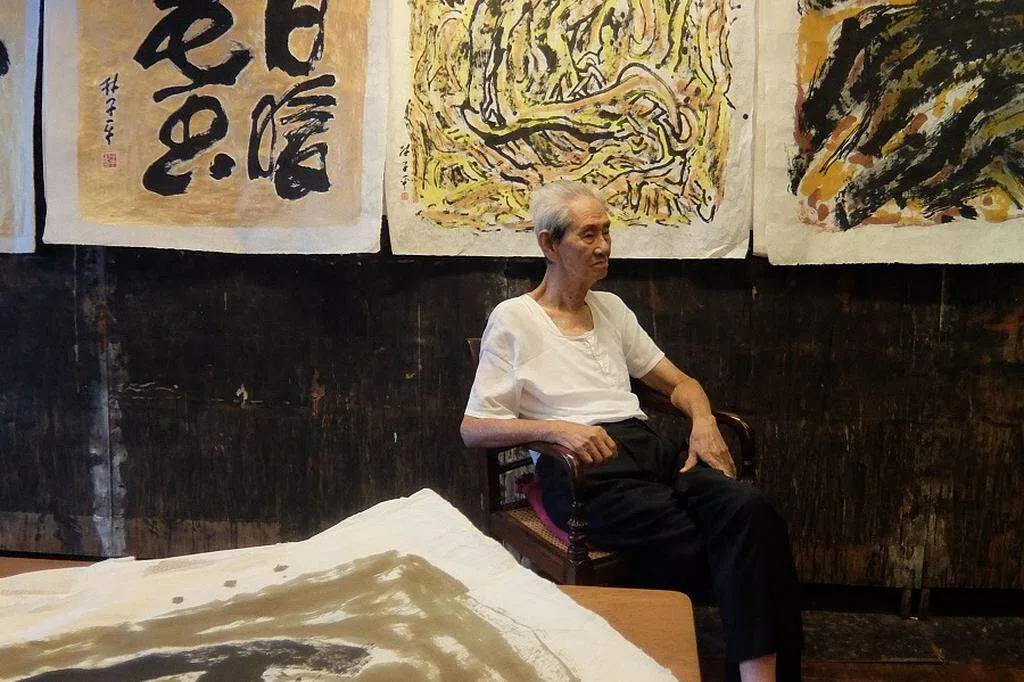
Artist Lim Tze Peng, who turned 102 this year, was born and bred in Singapore. From having a firm grasp of traditional Chinese painting techniques, he continually experimented with different methods, adjusting his style and finding a new path. Writer Teo Han Wue was there to witness the artist's pivotal change in style some 15 years ago, when the artist was in his 80s. This was when Lim experimented with using bold, cursive-style calligraphic brushstrokes to create near-abstract and completely abstract paintings, with trees as the main subject matter - a style which came to be known as hutuzi (糊涂字, "muddled writing"). Lim's "late style" continues to evolve, even until today.
Teo Han Wue
01 Dec 2023
Culture
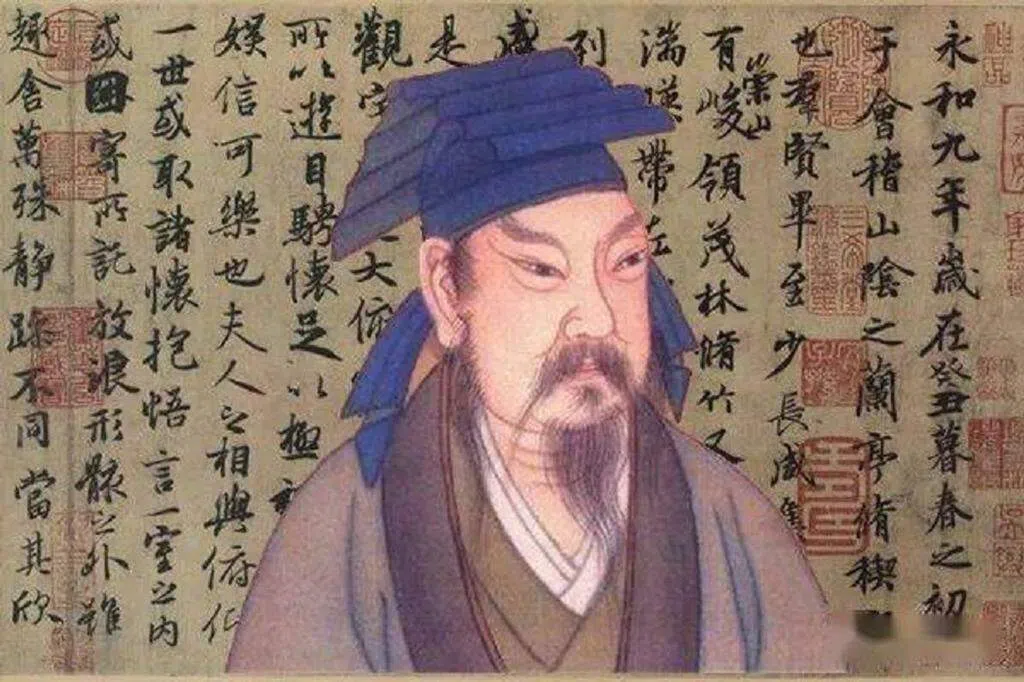
A pilgrimage of the heart: Paying homage to Jin dynasty calligrapher Wang Xizhi
Cultural historian Cheng Pei-kai takes us back to his trip to Shengzhou, Zhejiang, where he visited the gravesite of Jin dynasty calligrapher Wang Xizhi, the Sage of Calligraphy. In the depths of the lush forest with mountains peeking through, what does it mean to travel the distance to pay respects to an ancestor and honour their virtues?
Cheng Pei-kai
20 Oct 2023
Culture
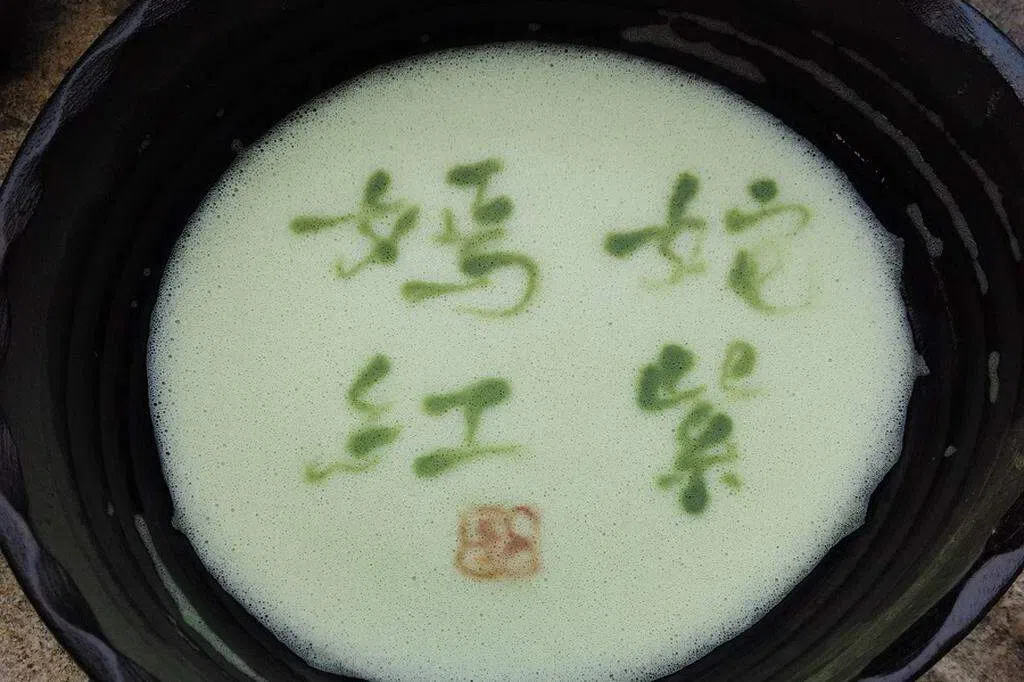
China's 'latte art' from a thousand years back
As cultural historian Cheng Pei-kai continues on his Changzhou intangible cultural heritage extravaganza, he retraces the steps of ancient literati like Song dynasty poet Su and Qing dynasty scholar Lü Gong who spent days of idyll in artistic pursuits. There was even an artist-monk who could write poetry with tea foam. This is the second article of a four-part series on Changzhou food and drink.
Cheng Pei-kai
19 May 2023
Culture
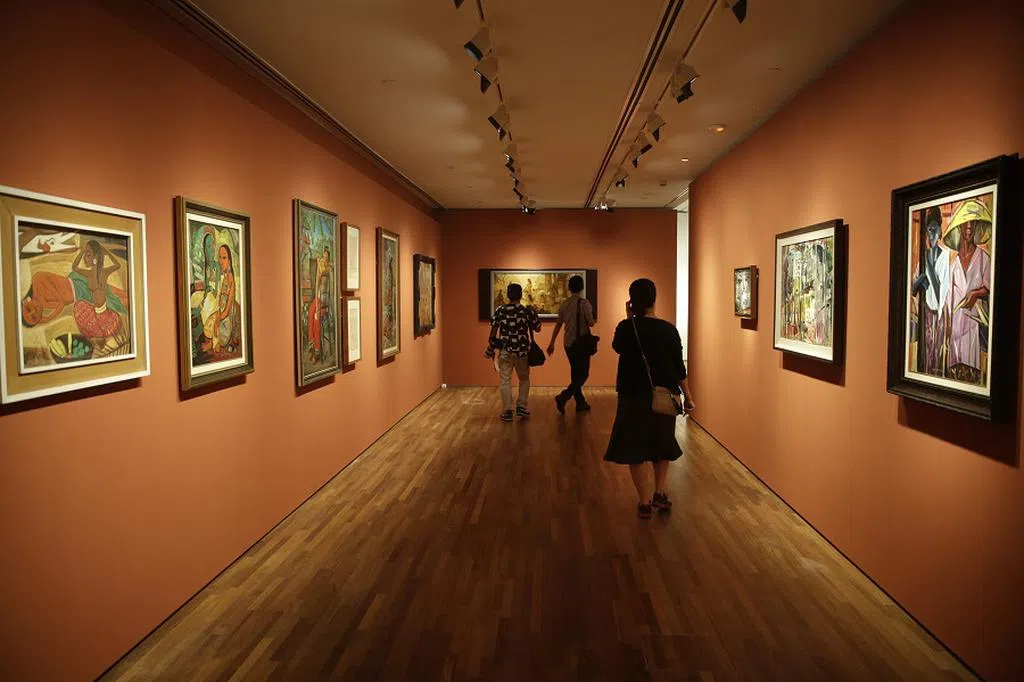
This is what Nanyang art looks like
Following up on his article tracing the origins of Nanyang art and its influence in Southeast Asia, Singapore Chinese Cultural Centre CEO Low Sze Wee explains the characteristics of Nanyang art, highlighting the unique integration of Chinese and Western art in their compositions.
Low Sze Wee
20 Jan 2023
Culture
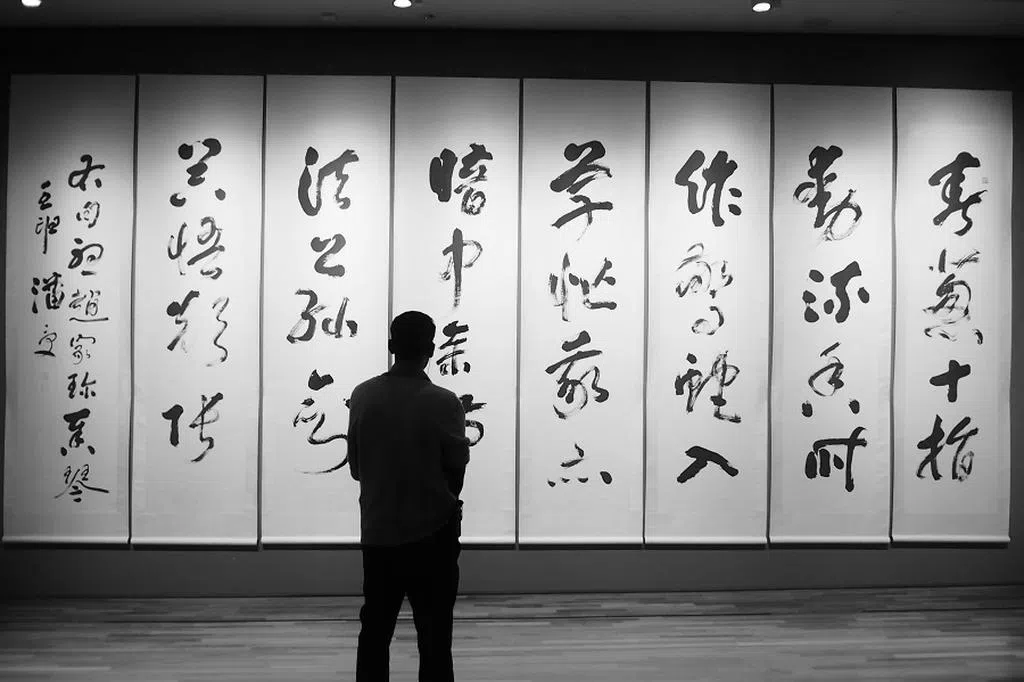
Must one read Chinese to appreciate Chinese calligraphy?
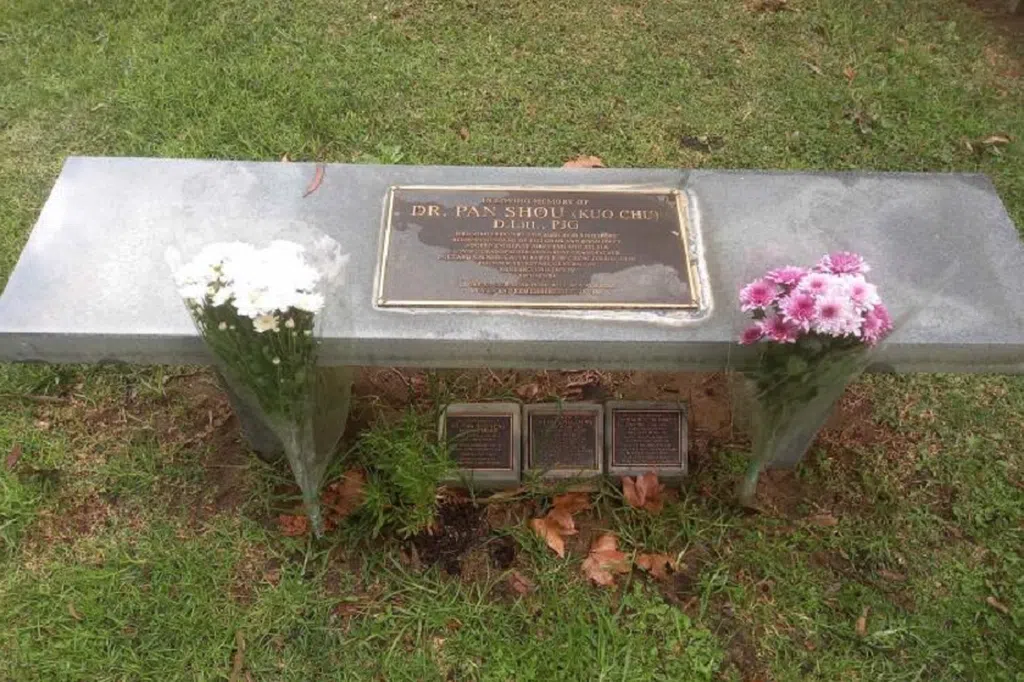
Teo Han Wue has always believed that one need not be literate in the Chinese language to appreciate calligraphy. He was heartened that many others seem to share his view, going by how well-received a photograph of Singaporean poet-calligrapher Pan Shou's calligraphy was at his solo photography exhibition recently. Without him regaling them with tales of Pan Shou, they found their own delight appreciating this artform through an image of an image.
Teo Han Wue
01 Apr 2022
Politics
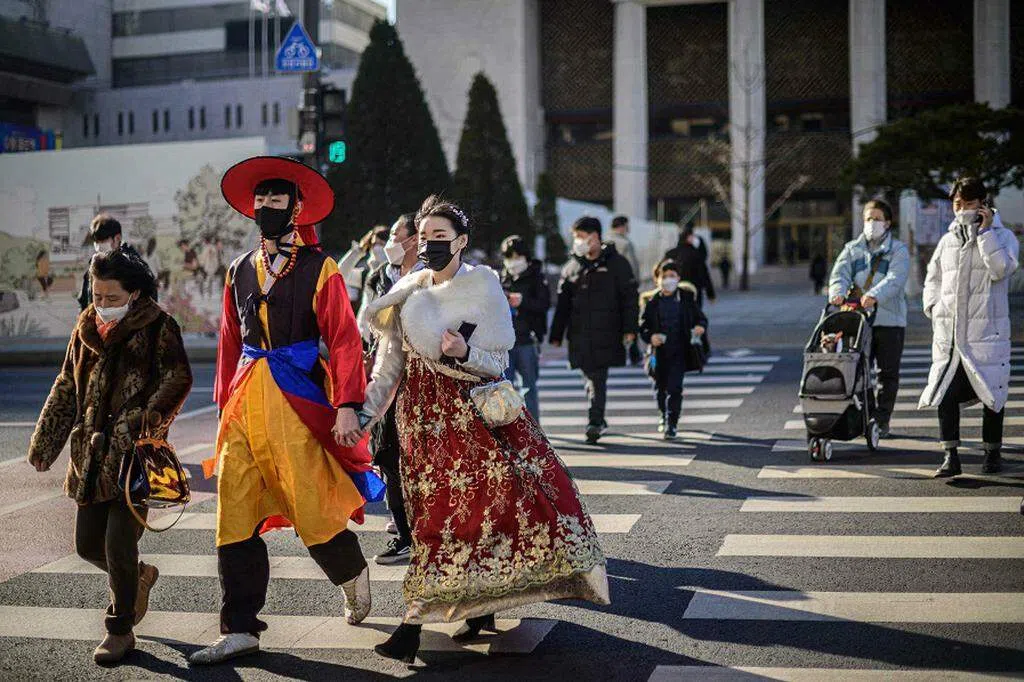
When neighbours disagree: Did China 'steal' South Korea's culture and historical memory?
When the Chinese featured a lady wearing a hanbok - what to the Koreans is their national costume - at the Winter Olympics opening ceremony, it was as if the band-aid on rising China-South Korean tensions was peeled off. Soon after, cries of foul play and the Chinese "snatching" medals from the South Koreans followed. Are greater squabbles on the horizon for these Northeast Asian neighbours?
Jin Kai
17 Feb 2022
Culture
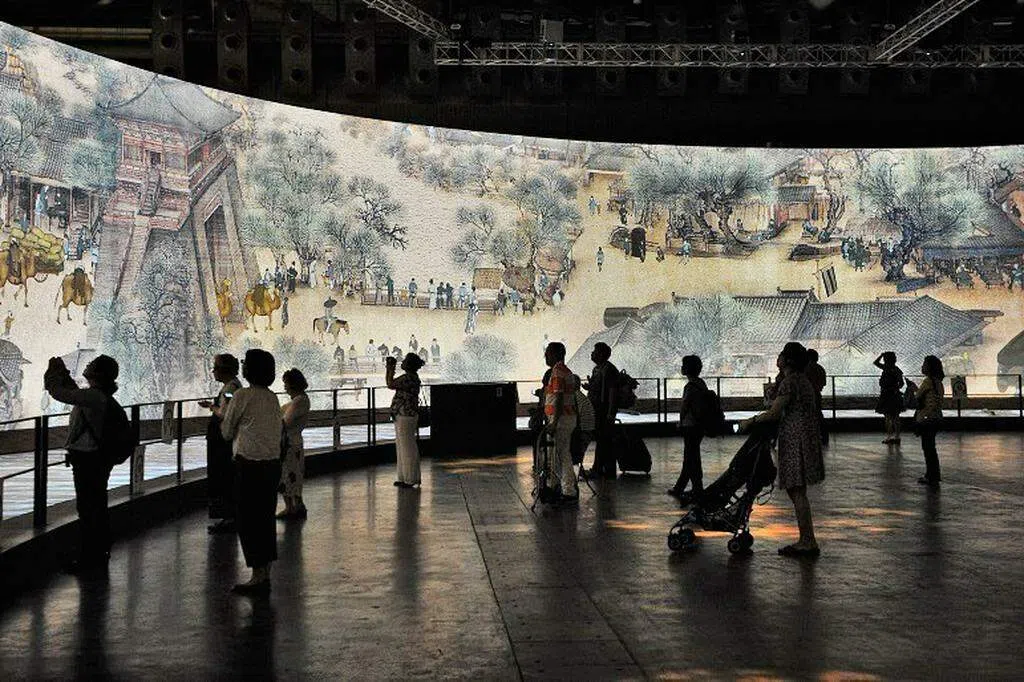
Copying is a virtue in Chinese ink painting
Temporary orders to halt the KAWS public art installation exhibition led Singapore Chinese Cultural Centre CEO Low Sze Wee to ponder the copyright issues of Chinese ink paintings. He notes that many of Singapore's first-generation artists like Chen Wen Hsi and Fan Chang Tien were educated in Shanghai in the 1920s and were deeply influenced by the Shanghai School. Copying was a common mode of learning, and students like Henri Chen Kezhan and Chua Ek Kay did their best to copy the works of their teachers. While they eventually developed their own styles over time, Low says it could be argued that their achievements were made possible by their formative years spent on copying.
Low Sze Wee
26 Nov 2021
Culture
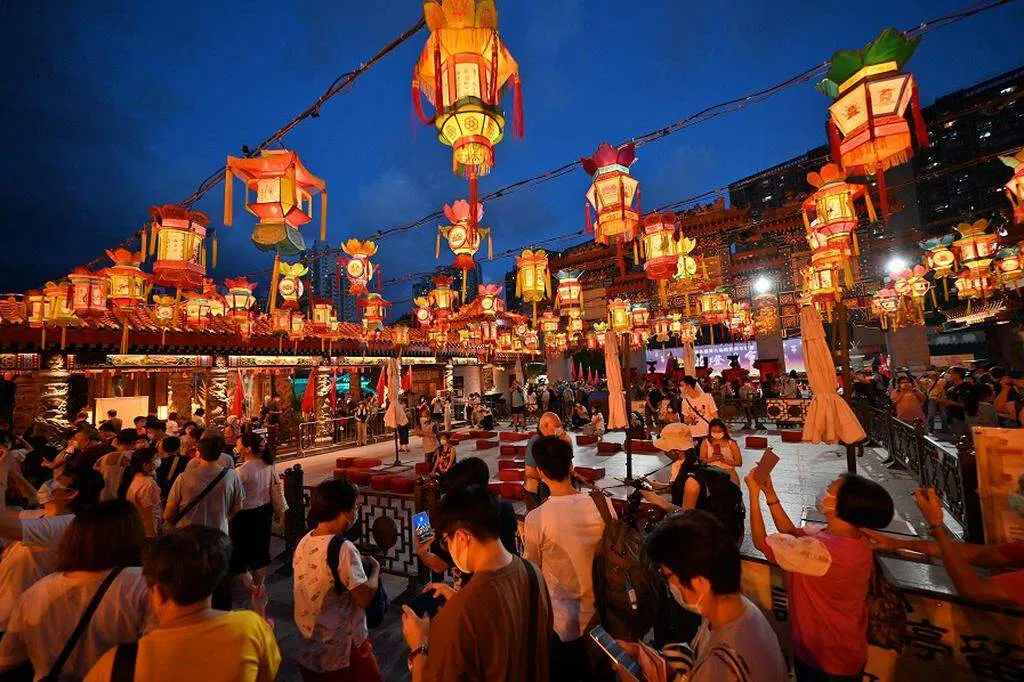
Cultural historian Cheng Pei-kai: The power of the individual during a pandemic
Like many of us experiencing pandemic days, cultural historian Cheng Pei-kai spent the last two years living quietly. When the virus was just starting to spread in Wuhan last year, he was in Shenzhen but managed to cross back to Hong Kong before the lockdowns. As he left the material life behind and got into the rhythm of staying at home, he sought solace in books, calligraphy and his beloved Kunqu opera. For all the things that are out of our hands, at least we have gained time for introspection, self-reflection and growth. That much is within our control.
Cheng Pei-kai
15 Oct 2021
Culture
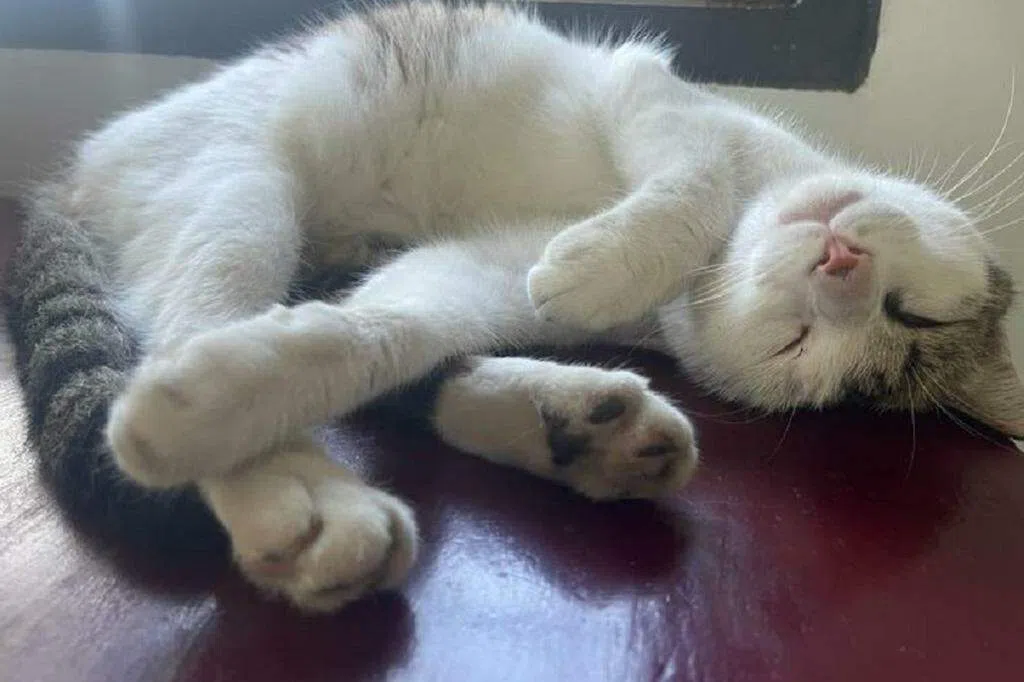
Taiwanese art historian: A stray cat, a farmhouse in Taiwan and a quiet afternoon
In our periods of isolation, even desolation through the pandemic, one can become cautious about forming bonds. A stray cat Chiang Hsun befriends reminds him that humans can't help but care about one another, even when they pretend not to care. Yet they're also guilty of caring too much, cocooning themselves to protect what they have. Will we ever learn to let go and have a good rest, defenceless?
Chiang Hsun
06 Aug 2021