Festival
Culture
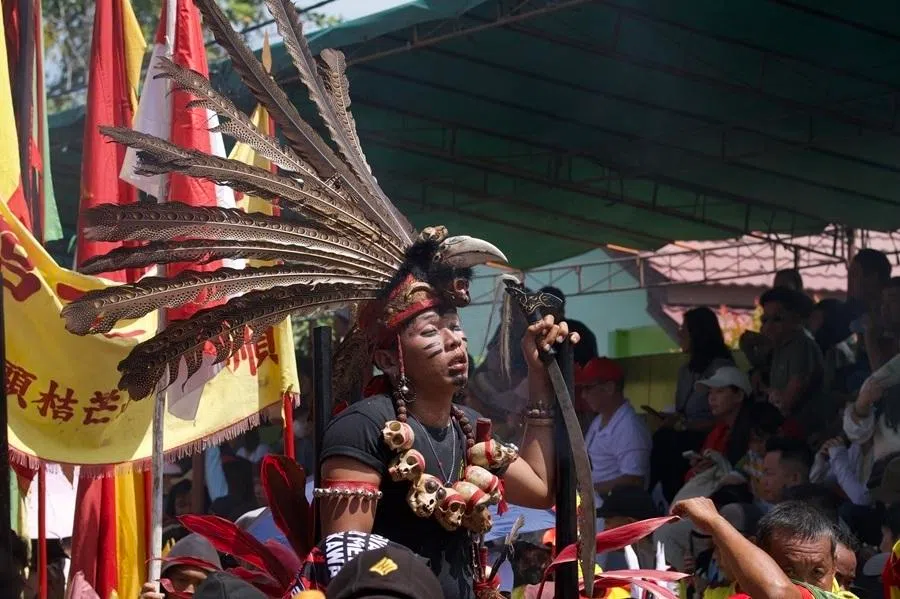
There’s no city like Singkawang: Where Hakka is the lingua franca and Cap Go Meh dazzles
In Singkawang, West Kalimantan, writer Teo Han Wue found kindred spirits, a vibrant Chinese community and a chance to witness the colourful culmination of Chinese New Year celebrations there — a spirit-medium parade, known to the locals as Cap Go Meh or Pawai Tatung.
Teo Han Wue
02 Apr 2026
History
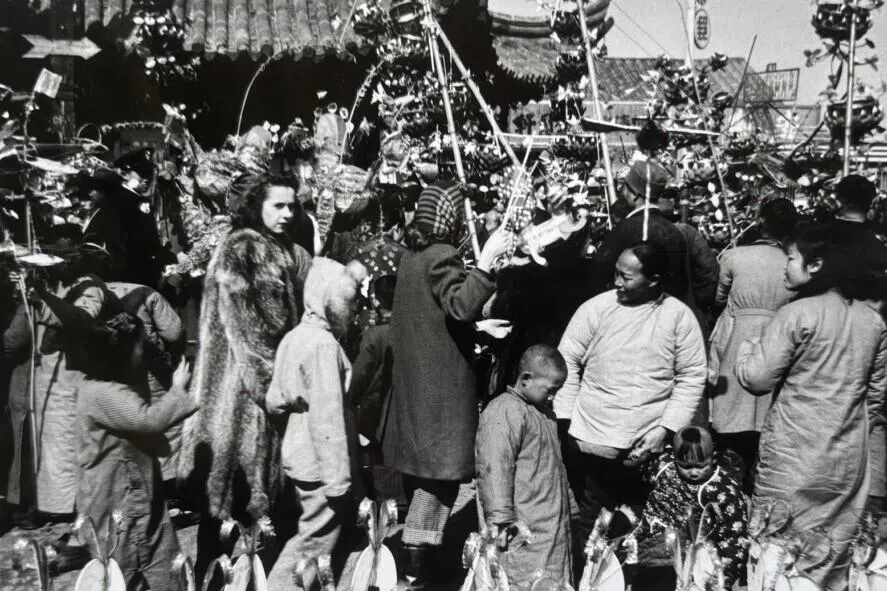
[Photos] From Nanjing streets to family memories: A historical photo collector reflects on Chinese New Year
Through rare photos of Beiping and Nanjing, Taiwanese historical photo collector Hsu Chung-mao recalls bustling temple fairs, lanterns and family traditions, reflecting on the enduring spirit of Chinese New Year.
Hsu Chung-mao
13 Feb 2026
Culture
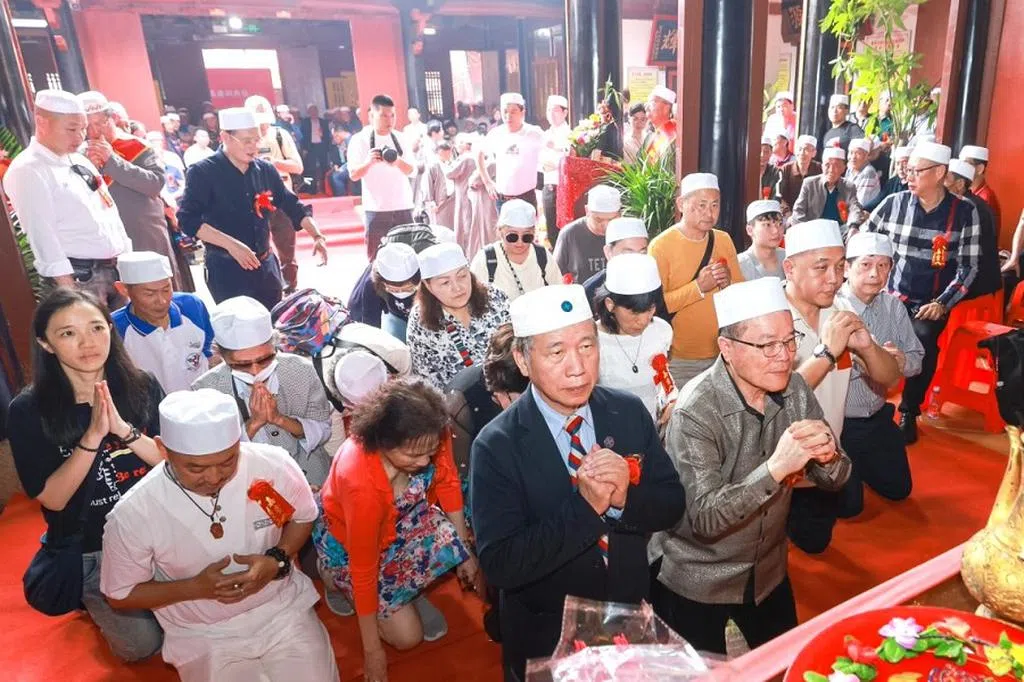
Pork at the table, not at the altar: A Chinese Singaporean clan’s Muslim legacy
Despite generations living in Singapore, the descendants of the Guo clan from Baiqi, Fujian, China, remain close-knit while assimilating Chinese cultural and Muslim customs. Lianhe Zaobao lifestyle correspondent Tang Ai Wei speaks with clan members to find out how they keep the kinship ties alive in Singapore.
Tang Ai Wei
23 May 2025
Culture
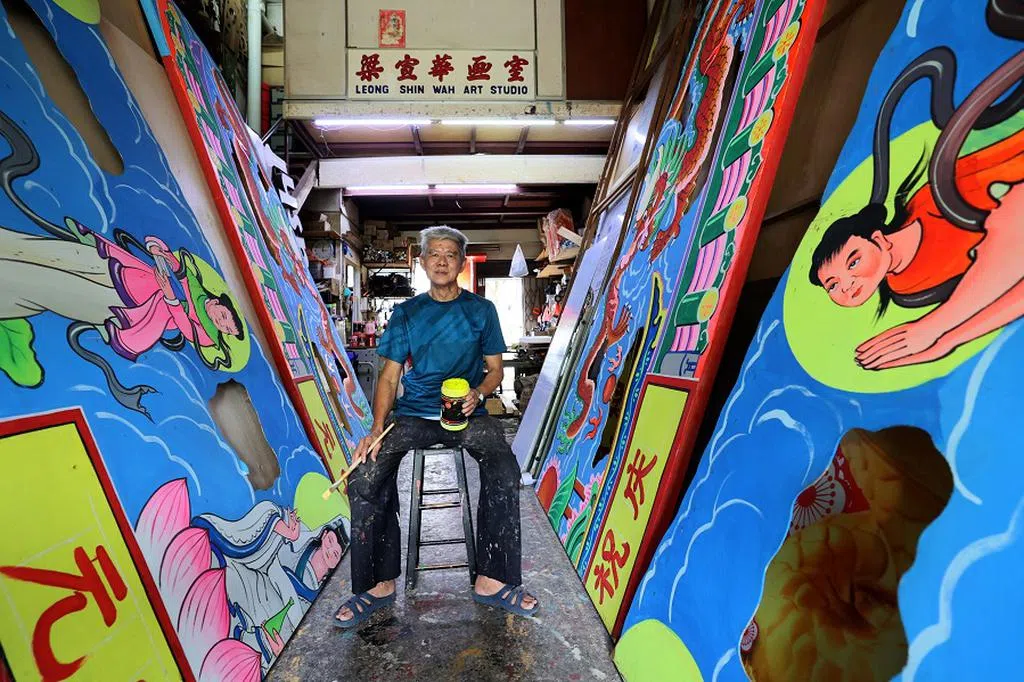
The last hand-painted archways in Singapore: A family legacy
Painter Leong Fong Wah, 70, is holding on to a dying craftsmanship, continuing his father’s legacy of painting and building decorative archways. Lianhe Zaobao lifestyle correspondent Tang Ai Wei finds out how his traditional craft is surviving in an increasingly computerised and outsourced industry.
Tang Ai Wei
16 May 2025
Economy
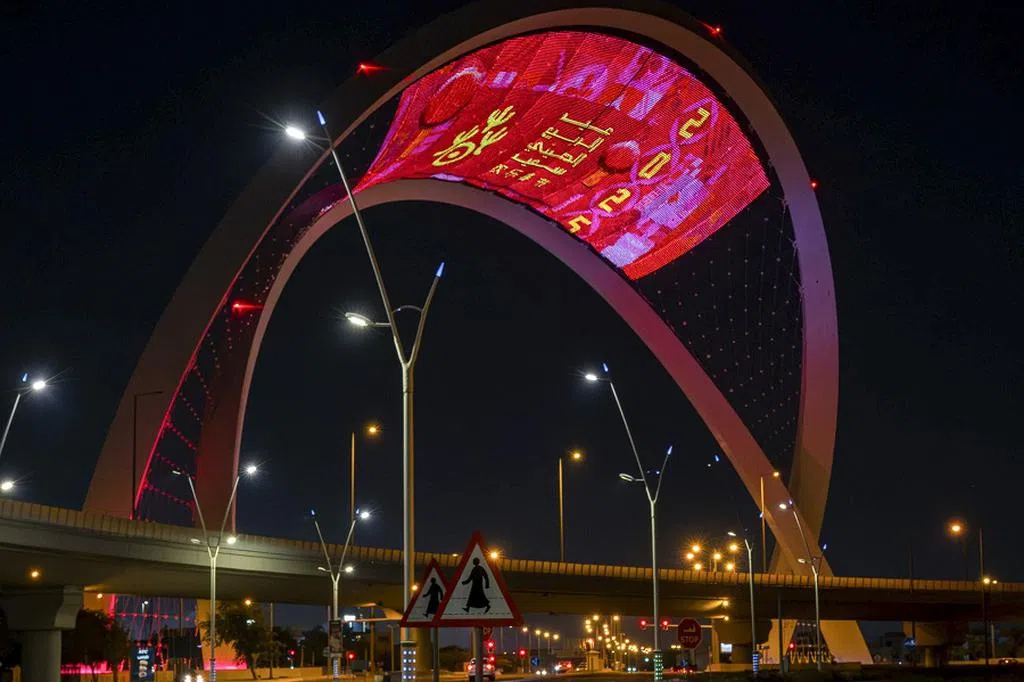
Middle East nations woo Chinese tourists with grand Chinese New Year celebrations
Celebrating Chinese New Year in the Middle East might seem unusual, but it is becoming a reality in member countries of the Gulf Cooperation Council (GCC). In a bid to boost tourism, these countries are ramping up efforts to appeal to Chinese tourists, reflecting a recent strengthening of mutual relations between China and GCC nations. Academic Ghulam Ali tells us more.
Ghulam Ali
07 Feb 2025
Culture
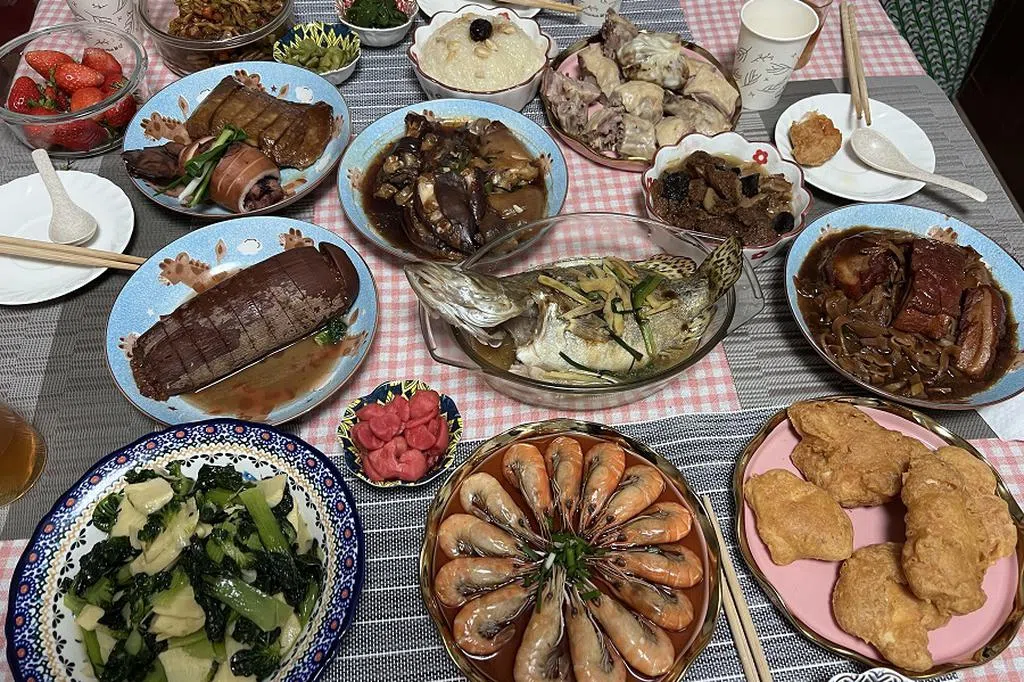
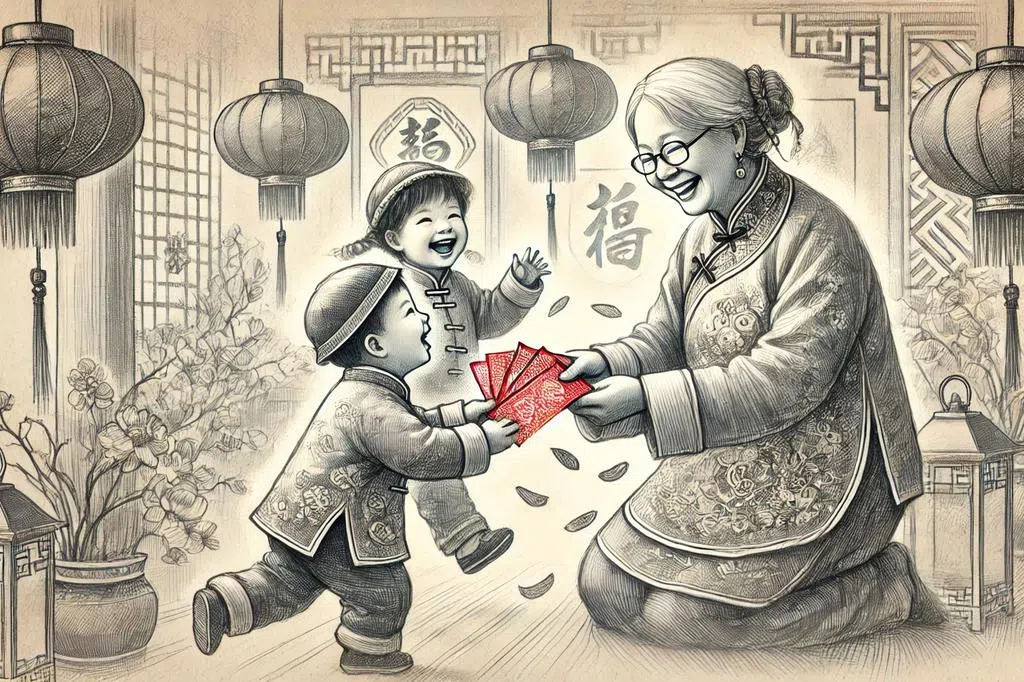
[Vox pop] How much hongbao money do people give in China?
In China, a red packet or hongbao is a gift of money symbolising good luck and blessings for the New Year. However, the customs surrounding red packets vary widely across regions. ThinkChina’s Lu Lingming and Yi Jina get people from different regions of China to share their experiences.
Lu Lingming, Yi Jina
31 Jan 2025
Culture
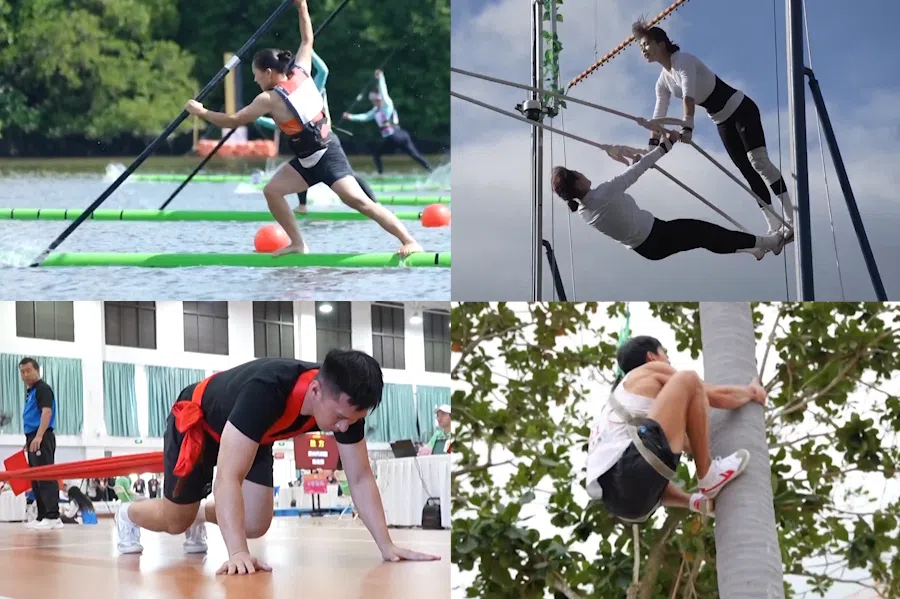
[Video] Beyond the Olympics: China’s unique minority games
Ever seen tree climbing, swinging, or bamboo drifting in a sports festival? This is China’s National Traditional Games of Ethnic Minorities, where tradition meets athleticism. Join ThinkChina’s Yi Jina as she uncovers seven unique sports that might surprise you.
Yi Jina
03 Jan 2025
Economy
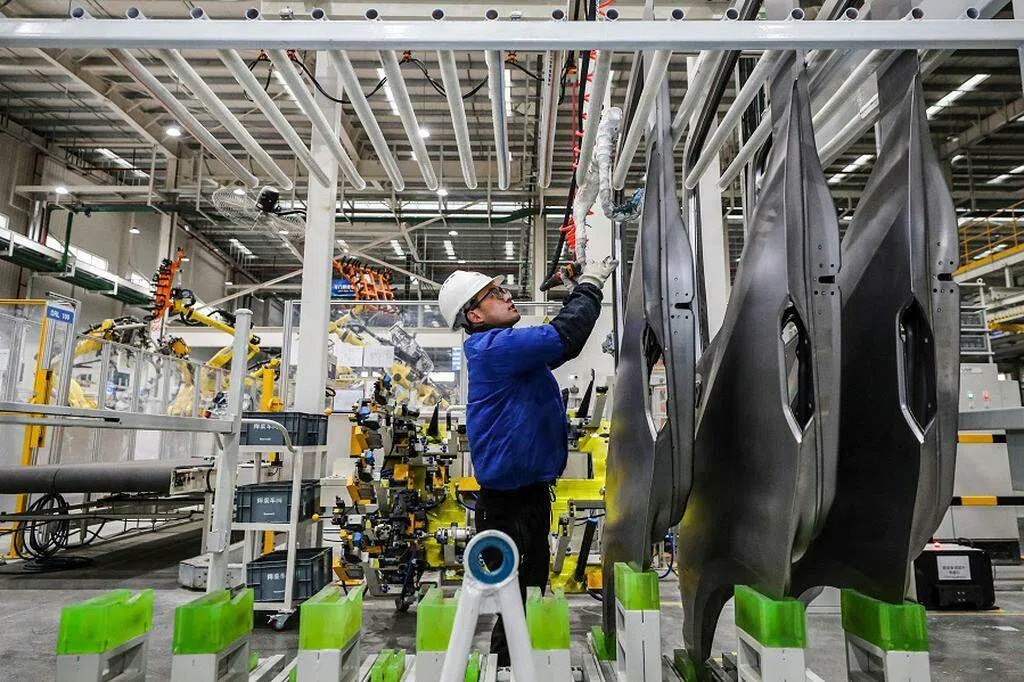
More Chinese EV brands to falter as market realigns
China's electric vehicle (EV) market has seen a slew of bad news this year, with issues coming from car owners and manufacturers. While the sector is going through a necessary rite of passage for emerging industries, this is also a crucial test of whether the EV industry can uplift itself and adapt with the changing times. Lianhe Zaobao correspondent Chen Jing tells us more.
Chen Jing
27 Feb 2024
Culture
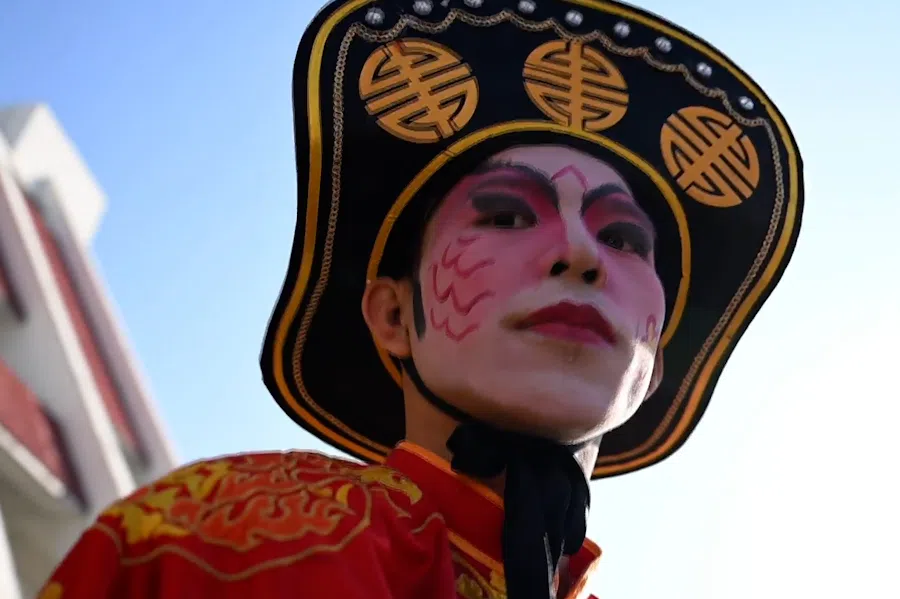
[Video] Yingge, 'Heroes' Song': China's ancient warrior dance
With painted faces and elaborate costumes, Yingge (英歌) performers stride and dance with power and vigour to the rhythmic beat of pounding drums. The fusion of opera, dance and martial arts culminates in an artistically distinct performance that is a part of China's intangible cultural heritage.
Yi Jina
23 Feb 2024
Society
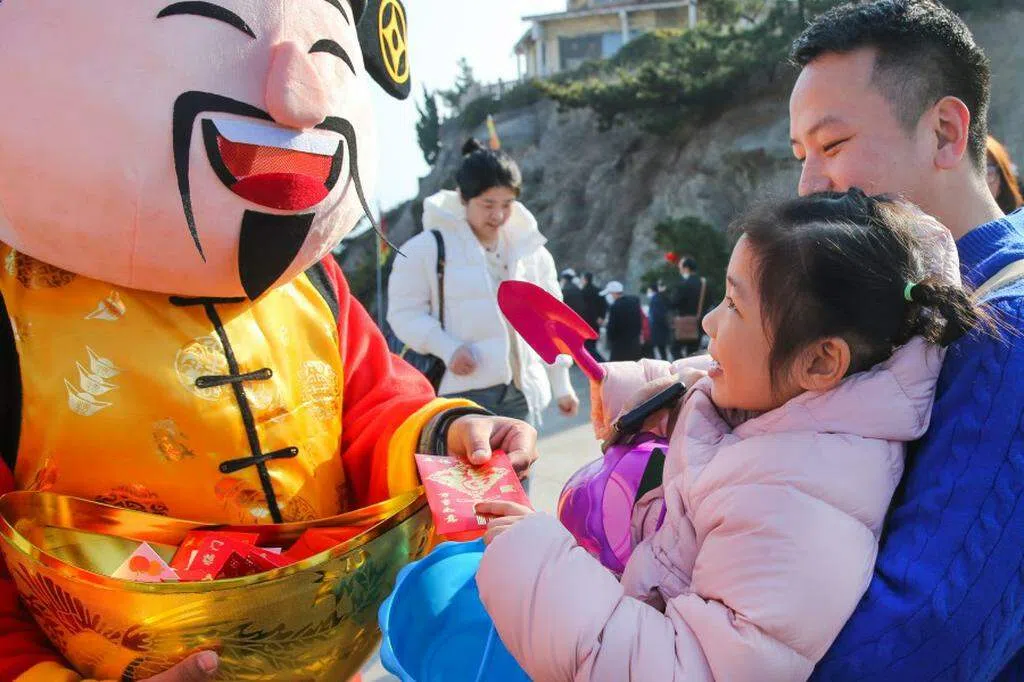
Rising hongbao rates are putting pressure on Chinese youths
As China's tradition of giving red packets or hongbaos during festive occasions puts young people under pressure, they are pushing back by giving fewer hongbaos or none at all, hoping that their refusal to conform will help to bring the focus back to the sentiment behind the giving.
China Desk, Lianhe Zaobao
21 Feb 2024
Society
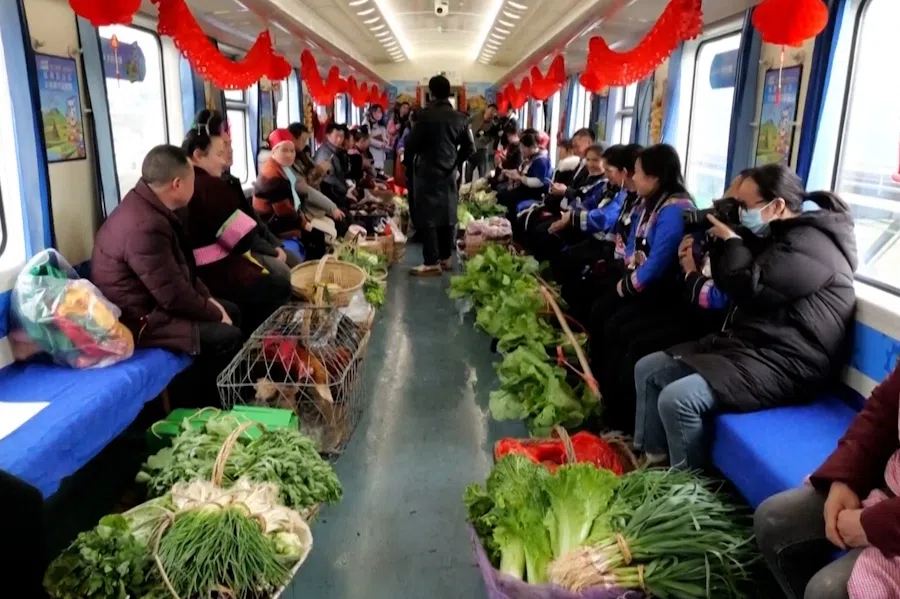
[Video] Farmers' markets on China's 'slow trains': Going places
In today's fast-paced world, China's "slow trains" remain essential. They stop at many otherwise inaccessible areas, providing transport for rural residents and a means for them to bring their agricultural products to nearby towns. Designated cabins on the train turn into makeshift farmers' markets, especially in the run-up to Chinese New Year.
Yi Jina
16 Feb 2024