Global South
Politics
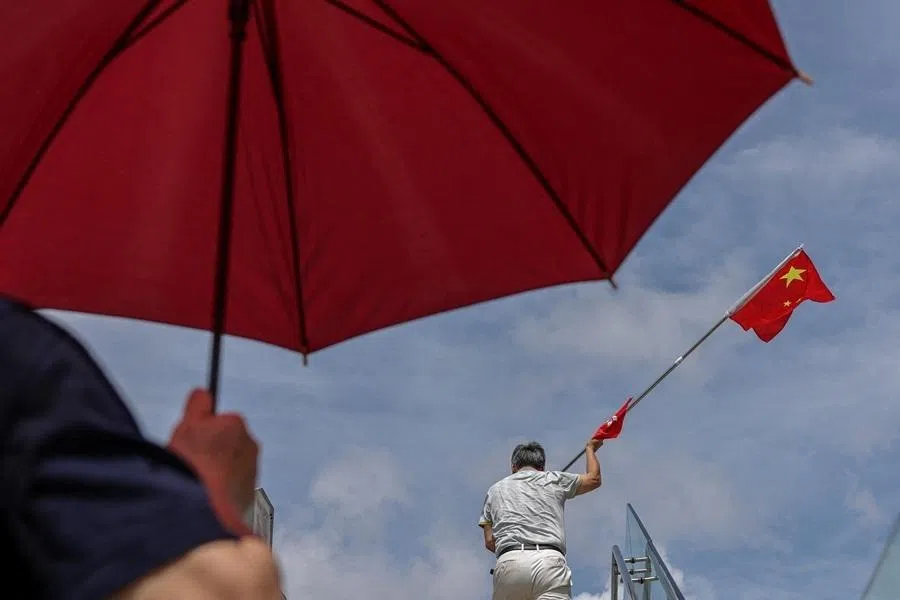
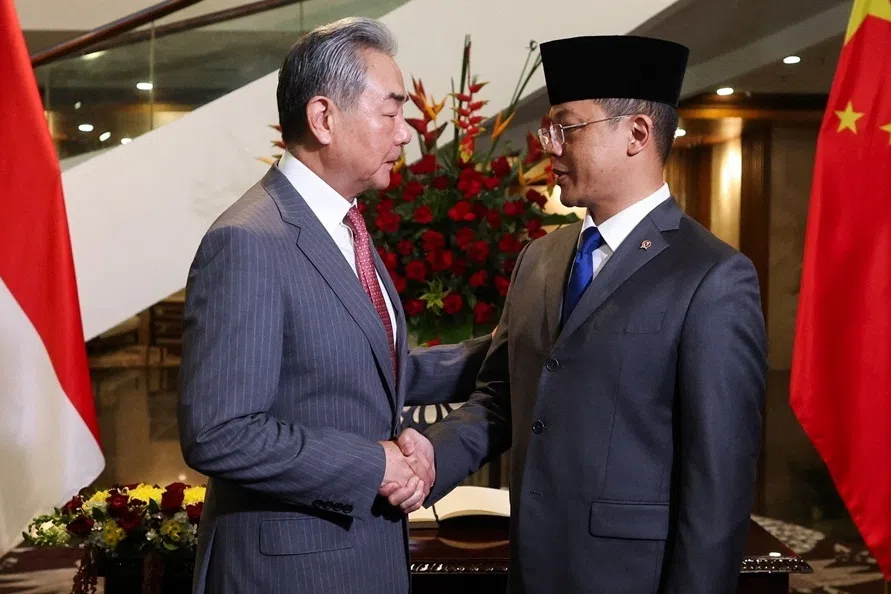
Are China and Indonesia model Global South partners?
China and Indonesia are partnering to reshape the world order as key members of the Global South amid a deteriorating Western liberal order and weakened US leadership. However, ISEAS researcher Lye Liang Fook notes that their differing national interests would limit the relationship.
Lye Liang Fook
07 Oct 2026
Technology
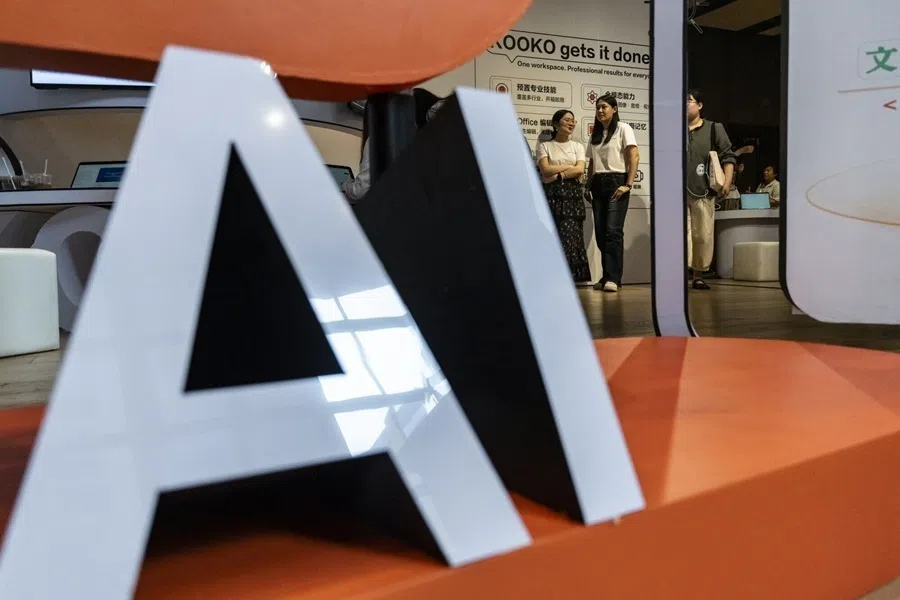
China’s second Belt and Road may be built on AI
Al lies at the heart of China’s second Belt and Road. The Global South provides users, workloads, scale and revenues that flow through the Chinese AI stack and help finance its next climb up the technology ladder. Researcher Hao Nan explains.
Hao Nan
05 Oct 2026
Politics
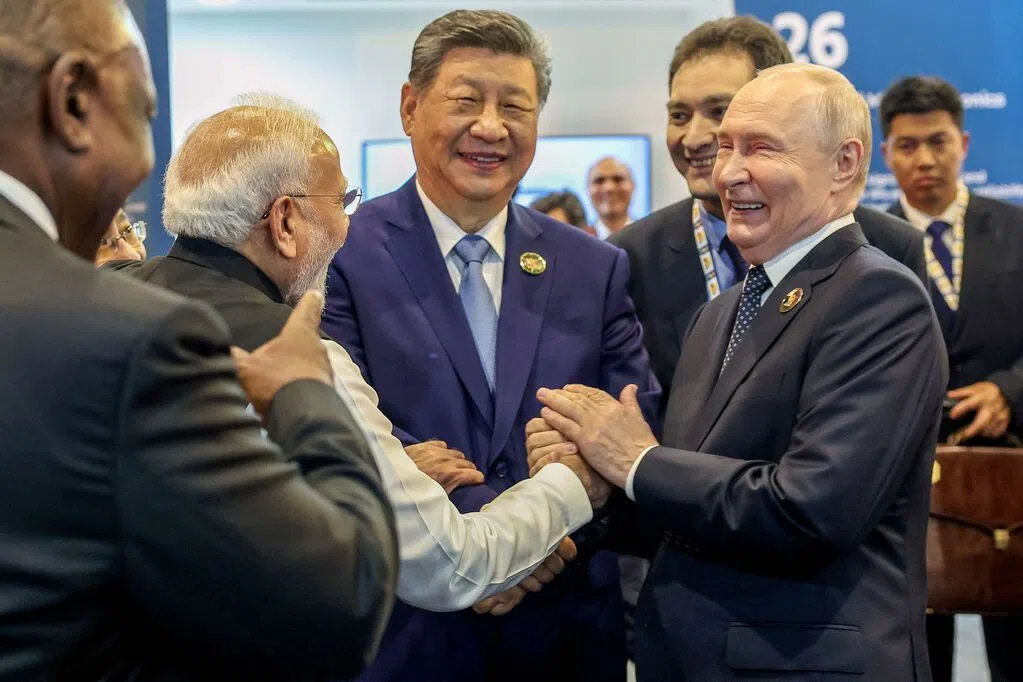
Xi Jinping’s tech diplomacy meets harsh realities of BRICS
BRICS is gaining cohesion, but internal divisions remain. As it seeks a bigger global role, China is using AI cooperation to expand its network of partners, promote its standards and gain an edge over the US. Lianhe Zaobao China news correspondent Edwin Ong reports.
Edwin Ong
14 Sep 2026
Politics
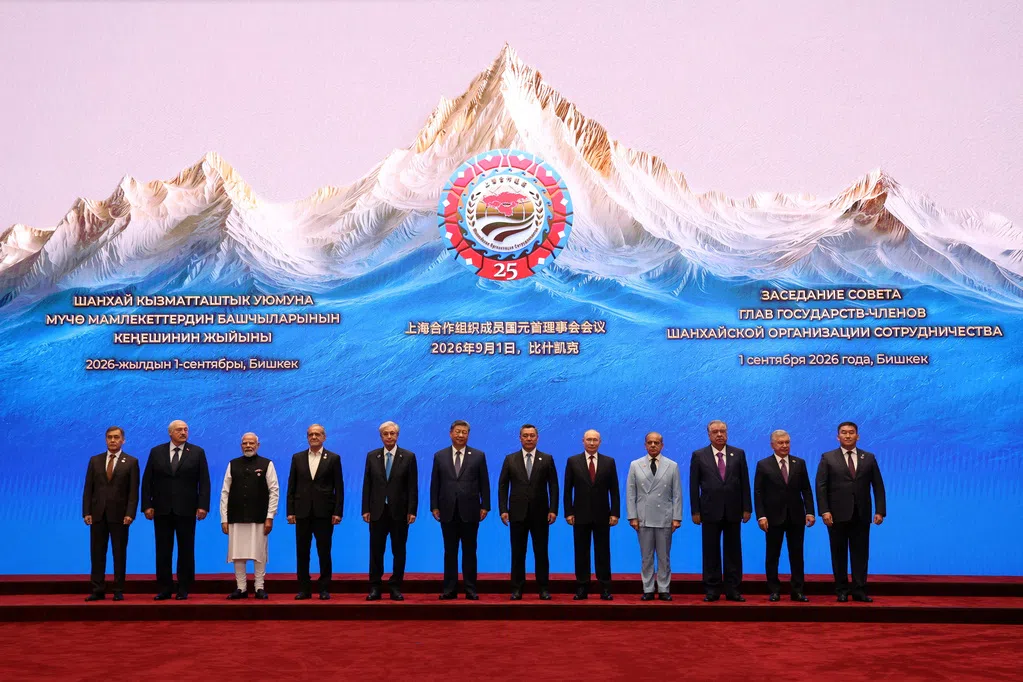
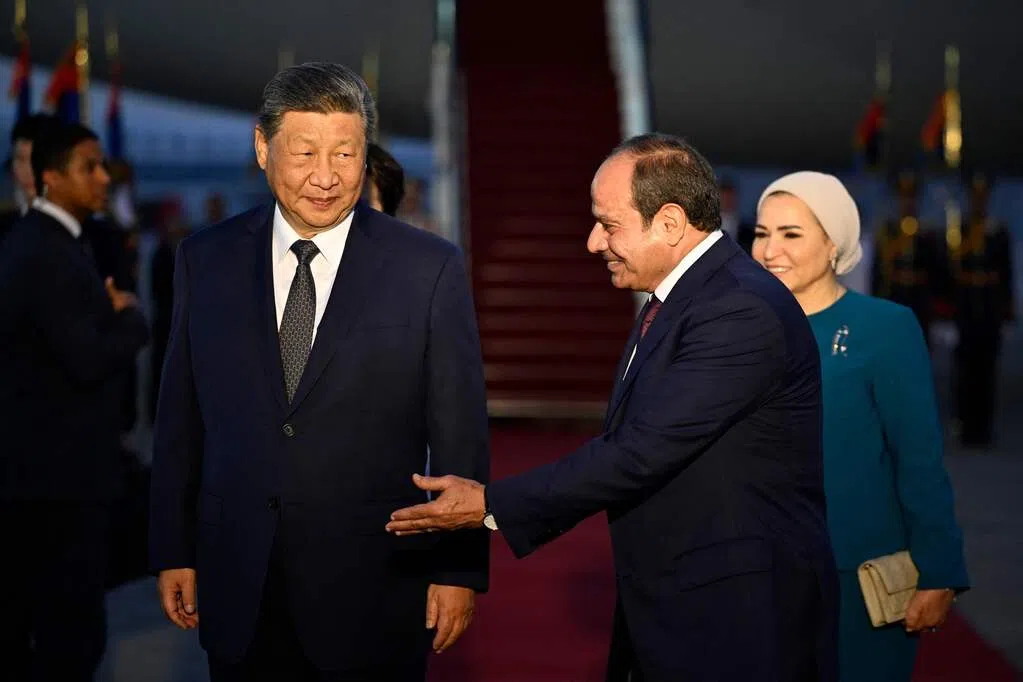
Why Xi is looking far beyond Washington
Xi Jinping’s diplomatic sprint ahead of his next meeting with Donald Trump sends a clear message: managing ties with Washington matters, but China’s world extends far beyond the US. Lianhe Zaobao China news editor Yang Danxu finds out.
Yang Danxu
02 Sep 2026
Economy
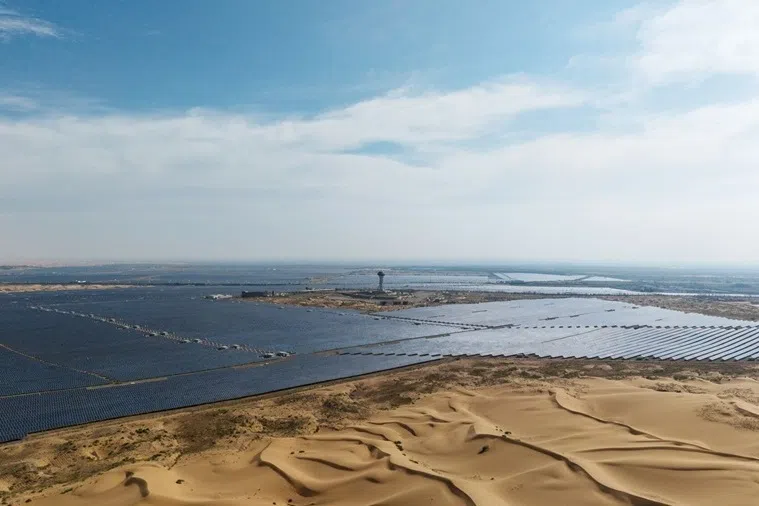
China has led nearly 300 green initiatives. Is it a climate leader?
A new study reveals China has led 291 environmental initiatives since 2000. However, with questions remaining over their real-world impact, can Beijing truly lead as the US retreats from global climate governance? Lianhe Zaobao’s China news correspondent Lim Zhan Ting finds out more.
Lim Zhan Ting
01 Sep 2026
Politics
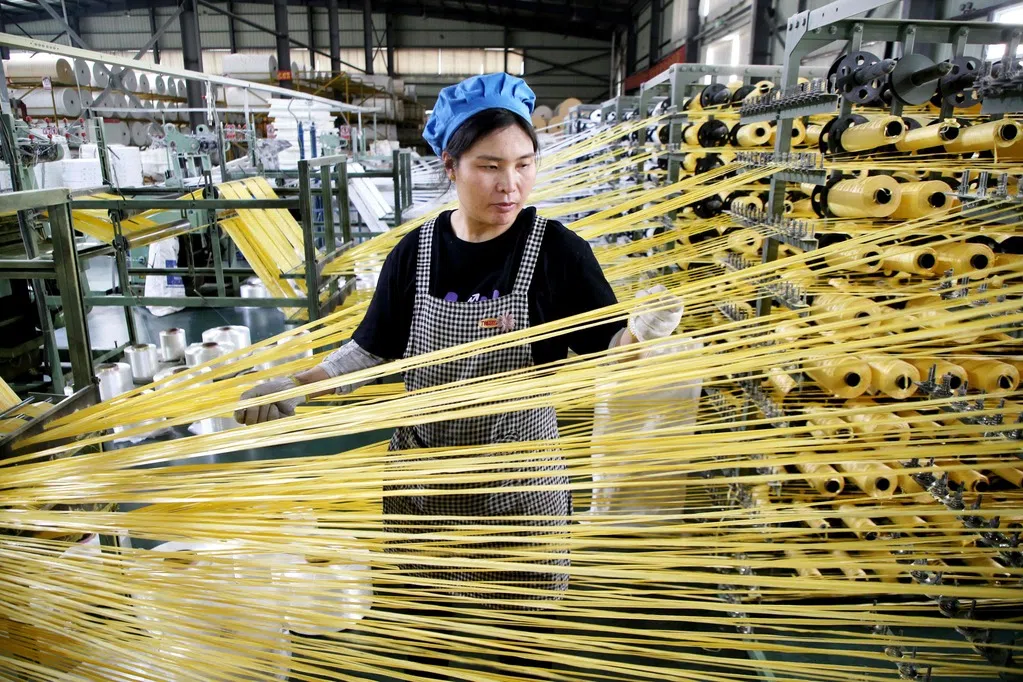
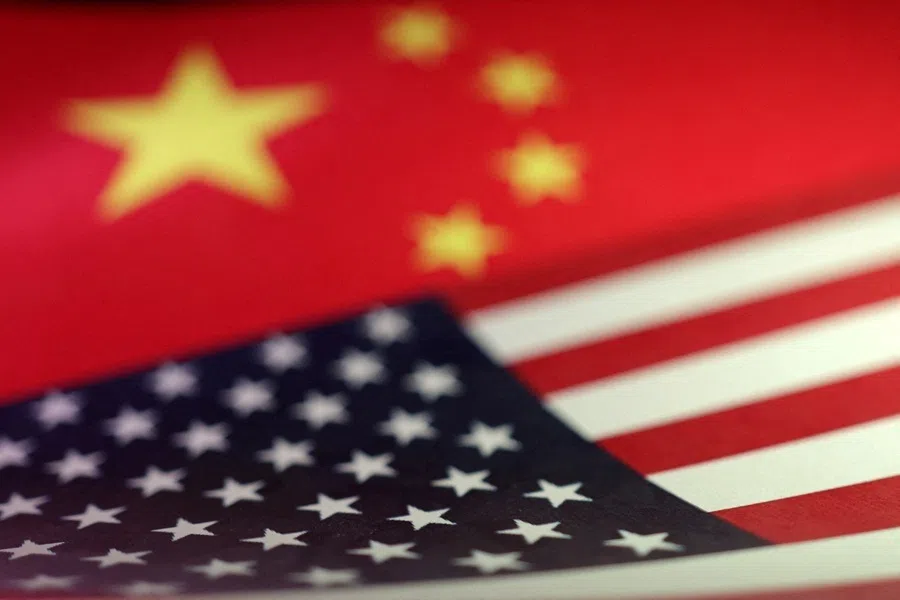
Why China and the US need each other to compete
Far from heading towards complete decoupling, China and the US remain locked in a relationship where mutual dependence underpins both competition and cooperation, reshaping the future global order, notes academic Tan Kong Yam.
Tan Kong Yam
06 Aug 2026
Society
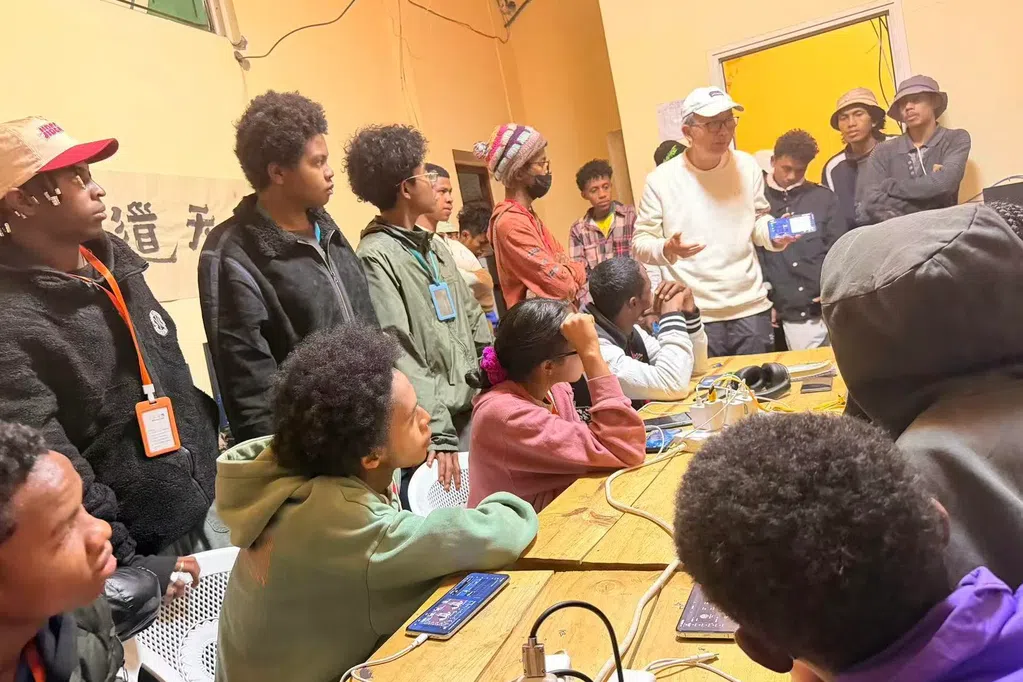
[Big read] Why Chinese gamers pay African youths to play for them
Chinese-run studios across Africa employ young workers to grind the game — do repetitive tasks to gain in-game currency — turning play into digital labour and exposing the opportunities and tensions behind the business. Lianhe Zaobao correspondent Lim Zhan Ting finds out more.
Lim Zhan Ting
29 Jul 2026
Politics
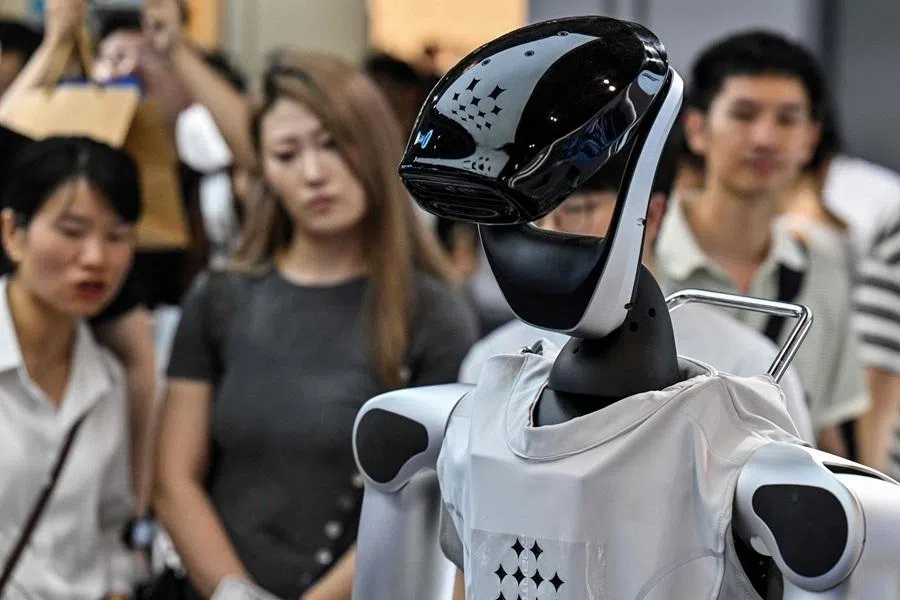
The new AI blocs: Are China’s WAICO and America’s Pax Silica splitting the tech world?
China’s WAICO and the US-led Pax Silica represent two competing approaches to AI governance. As both gain traction, the question is whether they will create rival technological spheres or coexist within a shared global framework, says academic Hao Nan.
Hao Nan
24 Jul 2026
Technology
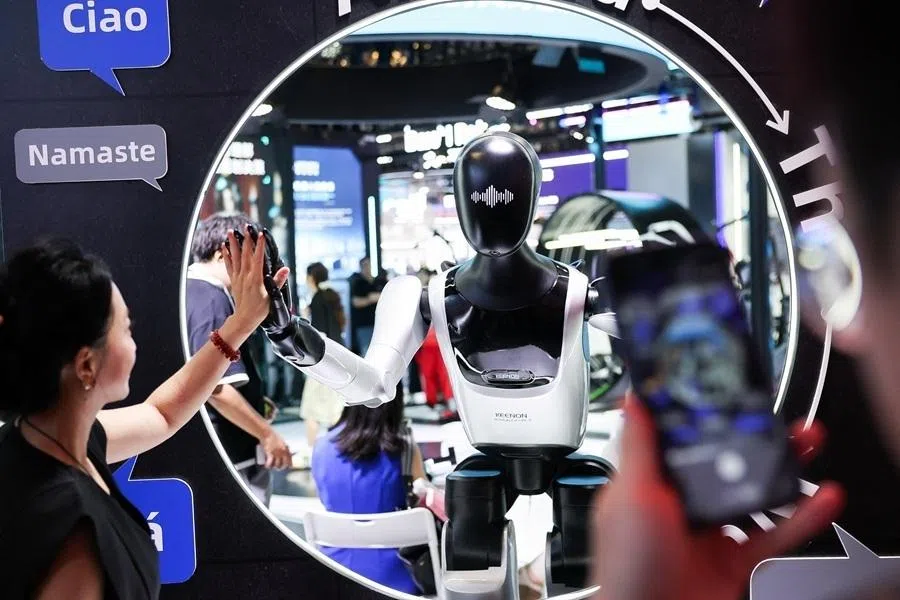
From rule-taker to rule-maker: China’s AI challenge to US dominance
The China-US AI rivalry is no longer just about building the most powerful models. It is a contest to shape AI ecosystems, define global rules and gain influence over how the technology develops worldwide. Lianhe Zaobao associate China news editor Sim Tze Wei reports.
Sim Tze Wei
20 Jul 2026