Jack Ma
Technology
Alibaba fights Tencent for dominance over AI in China
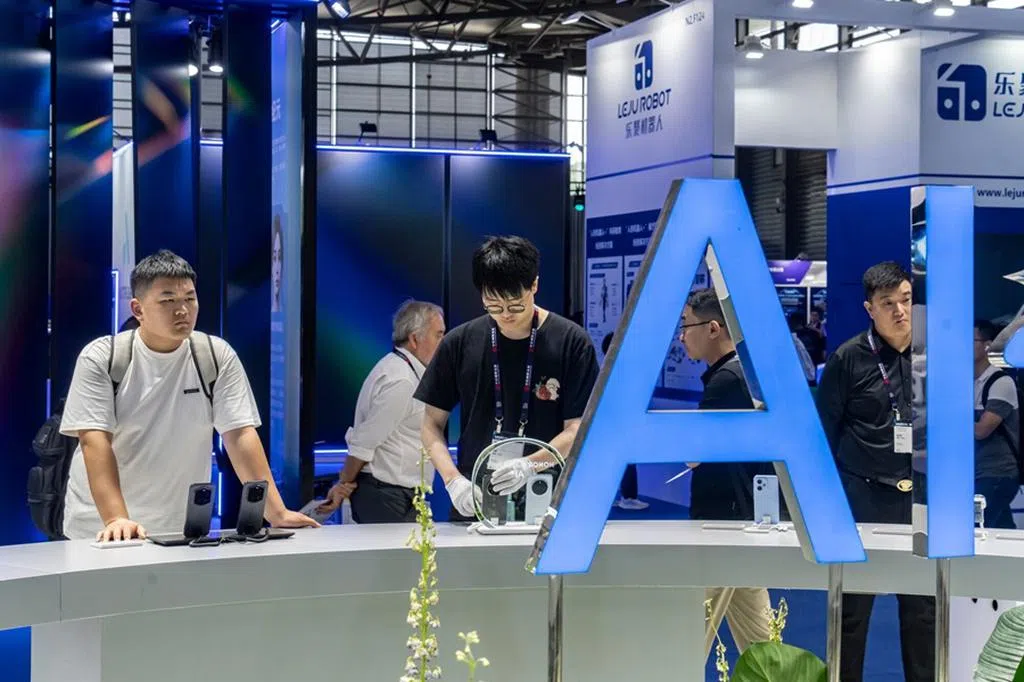
As China’s AI landscape rapidly evolves, tech giants Alibaba and Tencent are locked in a fierce battle for supremacy. While Alibaba invests heavily in AI infrastructure and open-source models, Tencent focuses on integrating AI into its massive consumer platforms. With both companies reshaping the future of AI in China, the race to define the next era of computing is just beginning.
Caixin Global
27 Jun 2025
Economy
Alibaba renews strategy reset to revive growth momentum
Alibaba has been grappling with sluggish growth in the face of a cooling Chinese economy and rising competition from upstarts such as PDD Holdings and ByteDance's short-video app Douyin. How is the e-commerce giant responding to these challenges?
Caixin Global
19 Apr 2024
Economy
Jack Ma's reappearance energises Chinese internet and investors: Will Alibaba rise again?
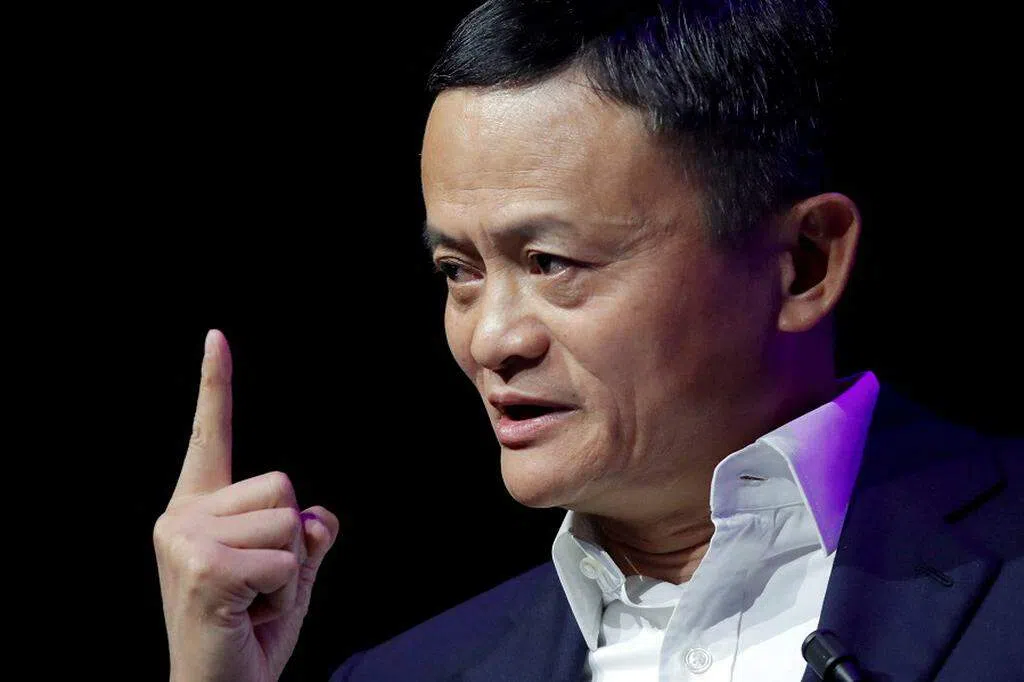
Jack Ma recently sent out an internal memo, affirming Alibaba's reforms and organisational restructuring, stating that the company has returned to a healthy growth track. Meanwhile, reports suggest that Ma, having returned from obscurity, is once again deeply involved in strategic decisions. Will this be Alibaba's foray back to the top? Lianhe Zaobao's China Desk tells us more.
China Desk, Lianhe Zaobao
12 Apr 2024
Economy
Has Alipay become a state-owned enterprise?
With Alibaba founder Jack Ma ceding control of Alipay in January 2023, and the People's Bank of China granting the application for no controlling shareholder at Alipay a year later, no single individual is in control of the company's decisions, and no shareholder holds more than 30% of its shares. This is seen as a critical step before Ant Group's IPO. But, has Alipay become a "state-owned enterprise"?
China Desk, Lianhe Zaobao
10 Jan 2024

Economy
Jack Ma has returned but Chinese entrepreneurs will still have a hard time
Jack Ma's recent return to China has made waves and offers some hope for the revival of the entrepreneur class in China. But this group of people have never shaken off their dual identity as entrepreneur-capitalists. With the rise of a group of diehards romanticising the glory of past eras, entrepreneurs, and in turn the development of China's market economy, face obstacles.
Jin Jian Guo
04 Apr 2023
Economy
How Jack Ma's surname sent shockwaves through China's capital market
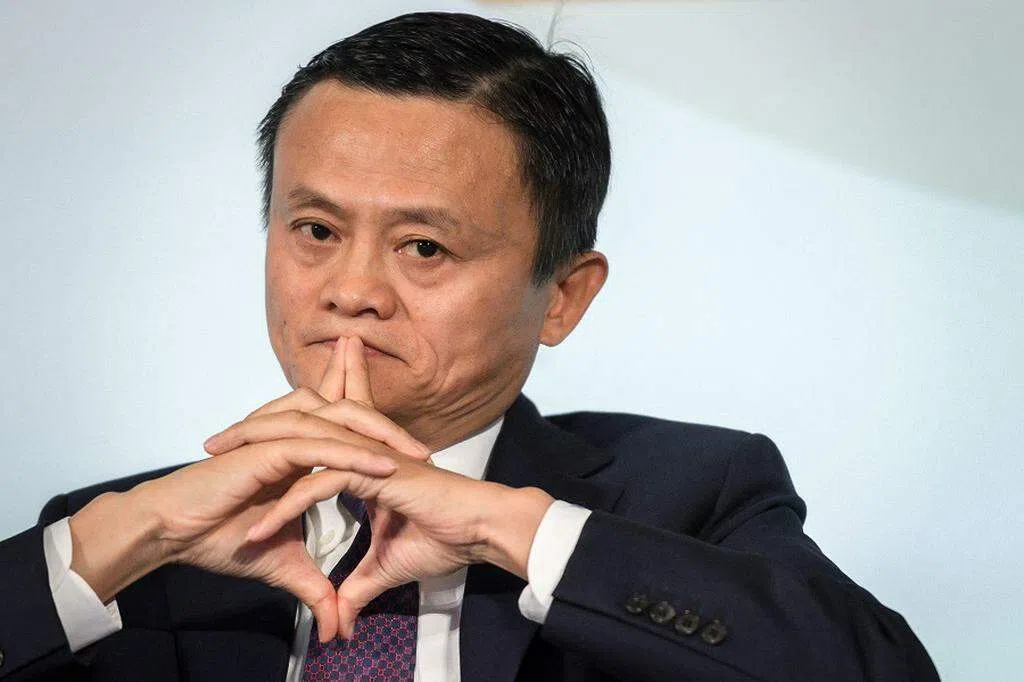
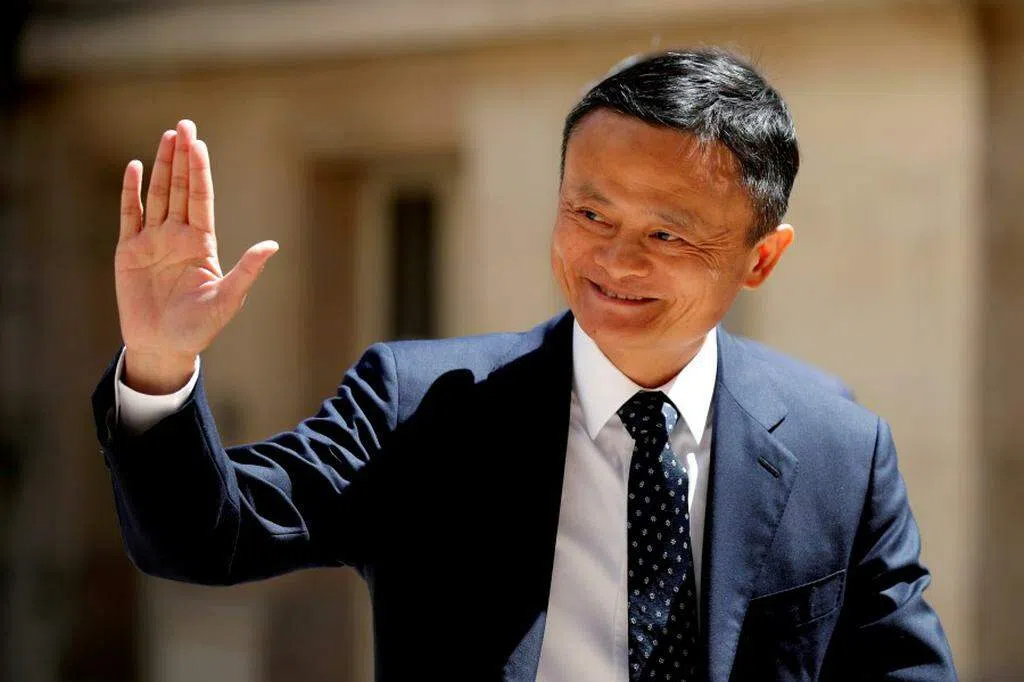
News of the arrest of an individual surnamed Ma in the technology industry in Hangzhou on suspicion of endangering national security led to a sharp drop in the stock market, as people associated the name with Jack Ma, co-founder of Alibaba. Zaobao's Beijing correspondent Yang Danxu notes that perhaps this is not so surprising, given Jack Ma's previous trouble with the Chinese government, especially during the crackdown on the "disorderly expansion of capital".
Yang Danxu
04 May 2022
Economy
How China's 'poor' ultra-rich can truly become world-class entrepreneurs
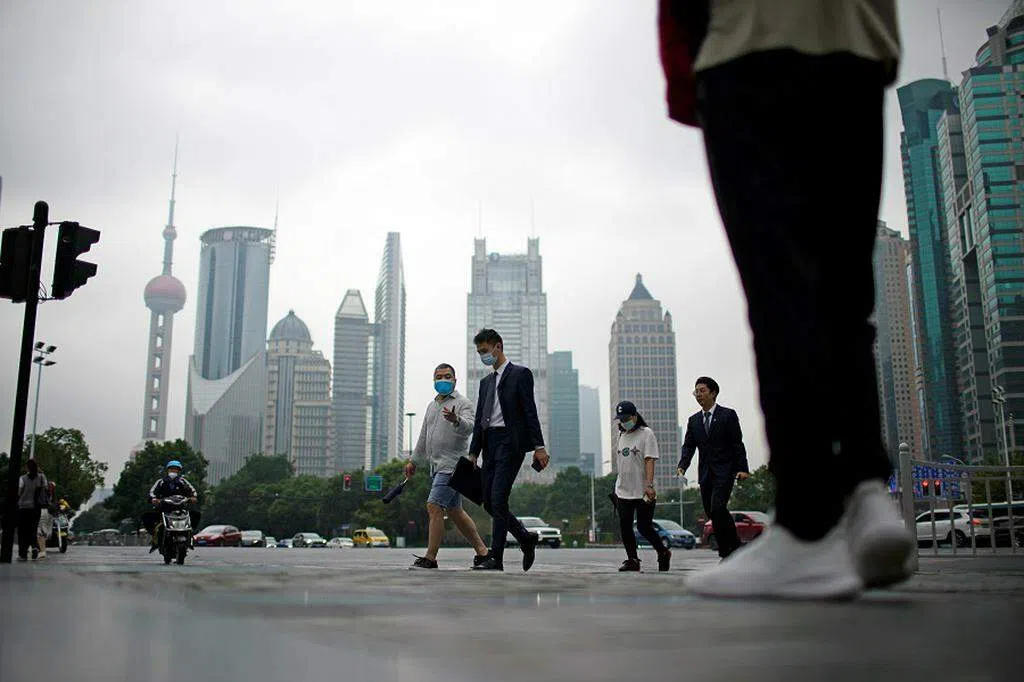
Deng Qingbo finds that those who have "grown rich first" during China's initial period of reform and opening up, and who have grown rich a second time by consolidating their holdings, now find themselves locked in an endless pursuit of wealth with no clear direction to better themselves. He thinks it is high time that they "grow wealthy for the third time" in the spiritual sense, and give back to society by developing a truly influential and well-respected corporate culture. It works out well that this would be in line with China's "common prosperity" goals.
Deng Qingbo
13 Dec 2021

Society
Celebrities scrubbed from the Chinese internet: Victims of China's social revolution?
Personalities such as actress/producer Vicki Zhao and music multi-hyphenate Gao Xiaosong have recently been scrubbed from the Chinese internet. Curiously, among the "wrongs" they are thought to have committed, a common one between them is having strong links to big capital Alibaba. What are the authorities saying with this latest clampdown on well-connected pop culture icons? Is an engineered social revolution under way?
China Desk, Lianhe Zaobao
01 Sep 2021
Politics
Ride-hailing giant Didi slapped with Chinese cybersecurity review days after IPO
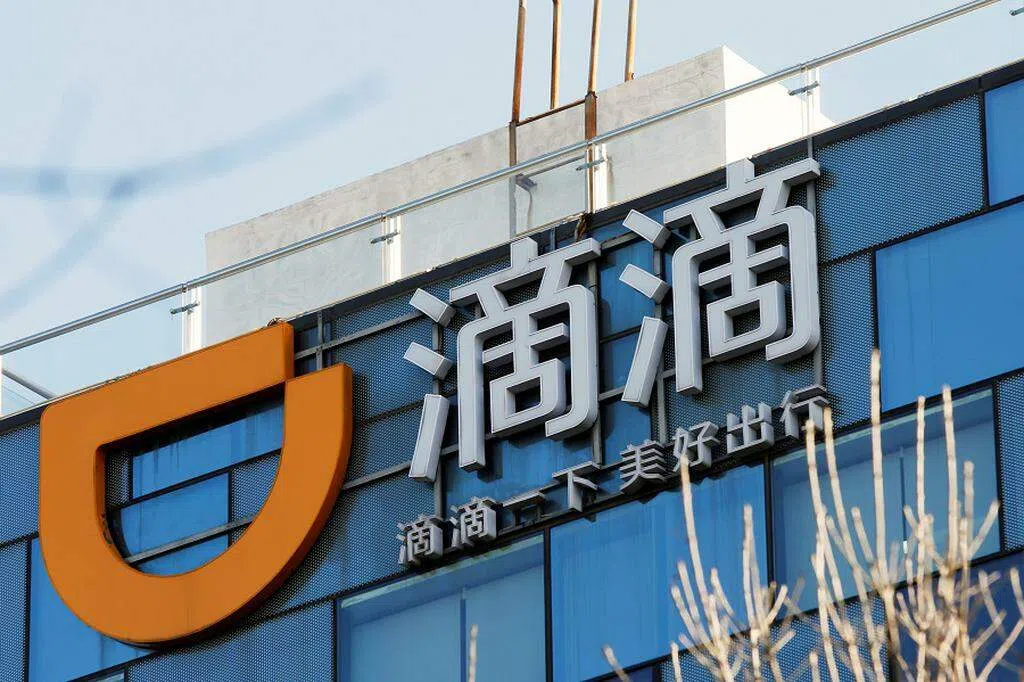
Shortly after Chinese ride-hailing app Didi launched its IPO on the NYSE, the Chinese authorities announced that the company would be subjected to a cybersecurity review. Didi had earlier kept a low profile, knowing its listing was a risky move. But few expected the company to take its first hit from China and not the US. Could this be China's way of discouraging homegrown firms from passing their profits to foreign investors? Yu Zeyuan reports.
Yu Zeyuan
05 Jul 2021
Economy
What the Chinese government wants to tell Alibaba and China's tech giants [Part II]
Alibaba was fined a record 18.2 billion RMB after an anti-monopoly probe. Commentator Yuan Guobao observes that Alibaba is not the only tech giant in China accused of monopolistic practices; for that matter, the "big four" companies in the US have also come under the spotlight. All this suggests that on a global level, tech companies must be prepared to adhere to a strict regulatory environment, even as they break new ground.
Yuan Guobao
04 May 2021
Economy
Is Alibaba doomed? [Part I]
Alibaba was recently slapped with a 18.2 billion RMB fine and has acquiesced to state authorities' demands for "rectification''. Commentator Yuan Guobao asserts that Alibaba's "choose one out of two" policy of tying online merchants down to exclusive deals was already sounding alarm bells. Jack Ma's politically incorrect speech at the Shanghai Bund Summit may have been a fire starter, but the tech giant's troubles have been brewing for quite some time.
Yuan Guobao
04 May 2021