Zhang Yun
Professor, School of International Relations, Nanjing UniversityArticles by Zhang Yun
Politics
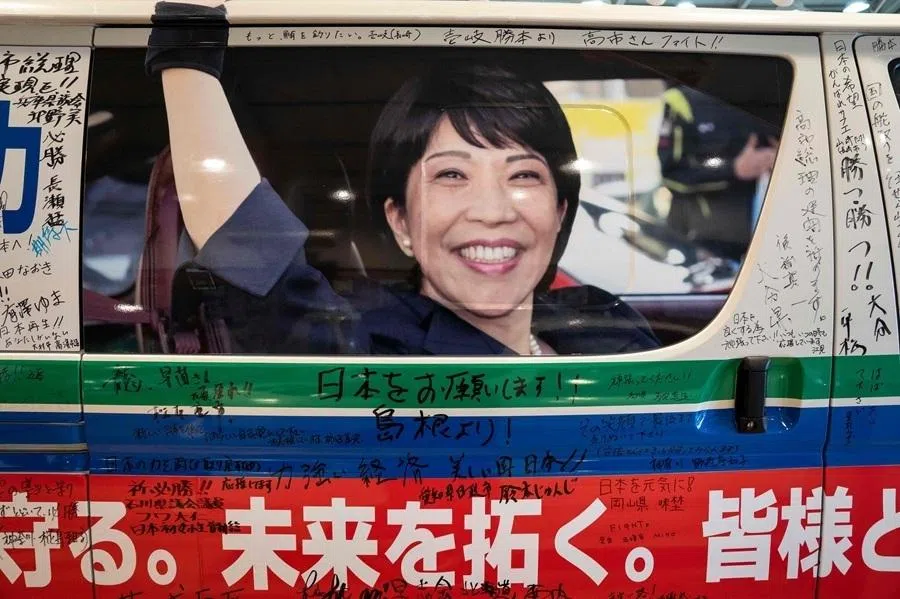
Takaichi’s gamble: Can charisma carry Japan?
Japanese PM Sanae Takaichi has called a surprise election, betting her personal appeal and high approval ratings can rally voters, check the opposition and secure a mandate to steer Japan through uncertainty. Academic Zhang Yun gives his analysis.
Zhang Yun
05 Feb 2026
Politics
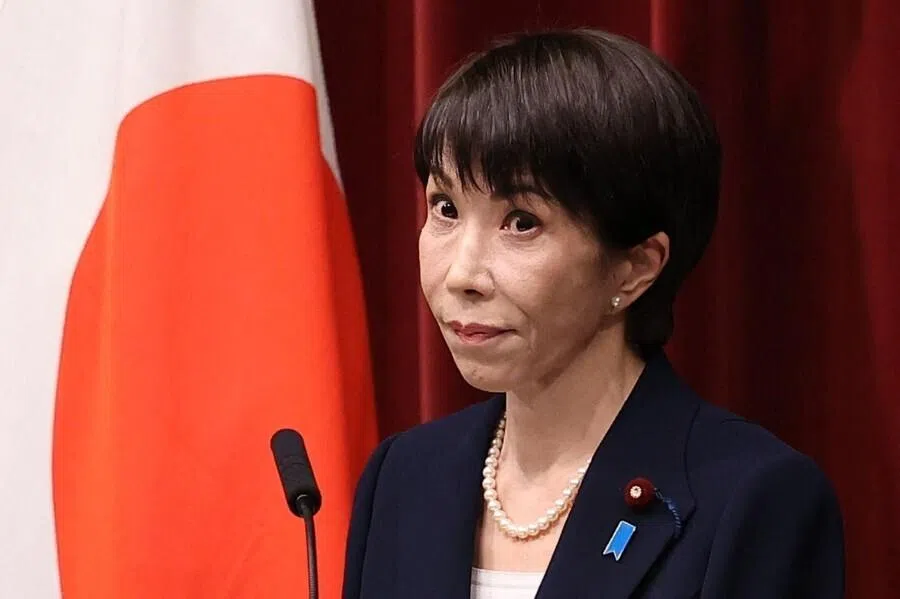
Takaichi’s gamble: Can an early election secure Japan’s future?
Despite the risks, Japanese Prime Minister Sanae Takaichi has decided to hold a snap general election. Academic Zhang Yun observes that external factors are a major consideration for Takaichi’s risk-taking, in particular Japan’s relations with China.
Zhang Yun
20 Jan 2026
Economy
Can Abenomics save Japan — or doom its next leader?
Japan’s economy faces mounting challenges as inflation rises and competitiveness declines. Liberal Democratic Party leader Sanae Takaichi is pushing to revive Abenomics policies, but with doubts over her leadership and the plan’s past shortcomings, economic recovery remains uncertain. Academic Zhang Yun examines the issue.
Zhang Yun
15 Oct 2025

Politics
The end of American exceptionalism? How a changing America is reshaping global power
US elites often use American “exceptionalism” to explain why the country is so generous in its economic and security policies. However, academic Zhang Yun explains that the post-war abnormality of the US did not stem from altruism, it was a necessity to maintain its superpower status.
Zhang Yun
16 Apr 2025
Politics
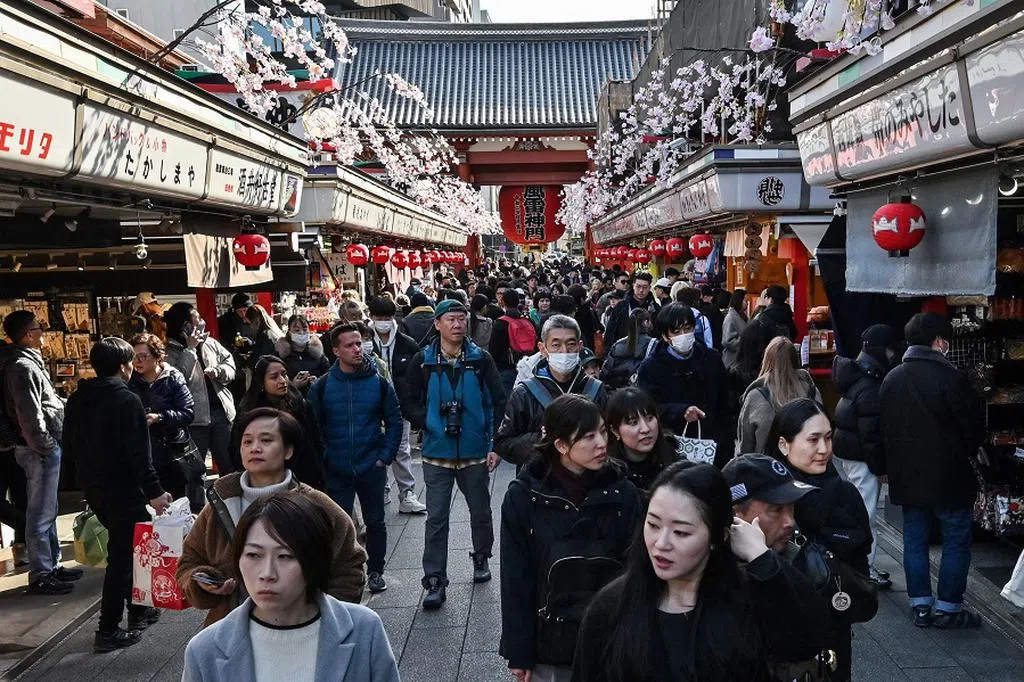
Beyond the ‘Trump shock’: Japan’s recalibration in a multipolar world
Japan’s perception of the US is shifting, with declining confidence and increasing interest in the global south. As internal debates on China policy continue, Japan faces a critical test in leveraging its strengths, balancing alliances and adapting to global shifts to maintain or enhance its global standing. Academic Zhang Yun tells us more.
Zhang Yun
27 Feb 2025
Politics
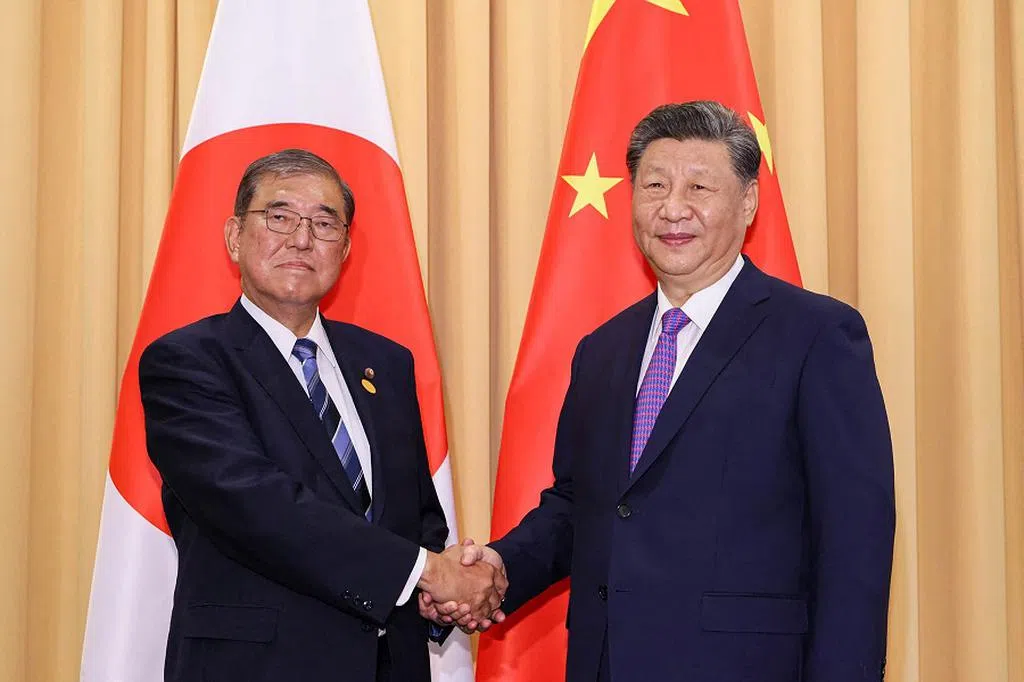
Trump 2.0 and the building of autonomous China-Japan relations
Donald Trump has vowed to prioritise “America First” policies during his second term as US president. Would this accelerate Japan’s strategic autonomy, presenting challenges but also opportunities for China-Japan relations? Academic Zhang Yun tells us more.
Zhang Yun
10 Dec 2024
Politics
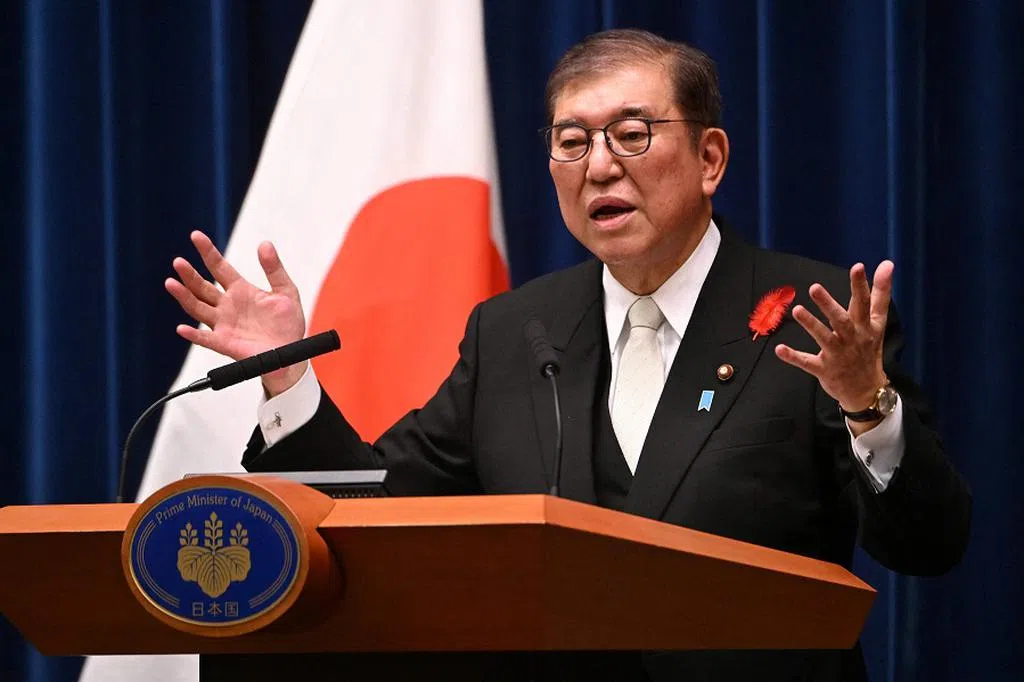
Will Japanese perceptions of China worsen under Prime Minister Ishiba?
China and Japan have the potential for deeper cooperation to tackle problems in society they both face, especially in the areas of modernisation, urbanisation and an ageing society, says academic Zhang Yun.
Zhang Yun
14 Oct 2024

Politics
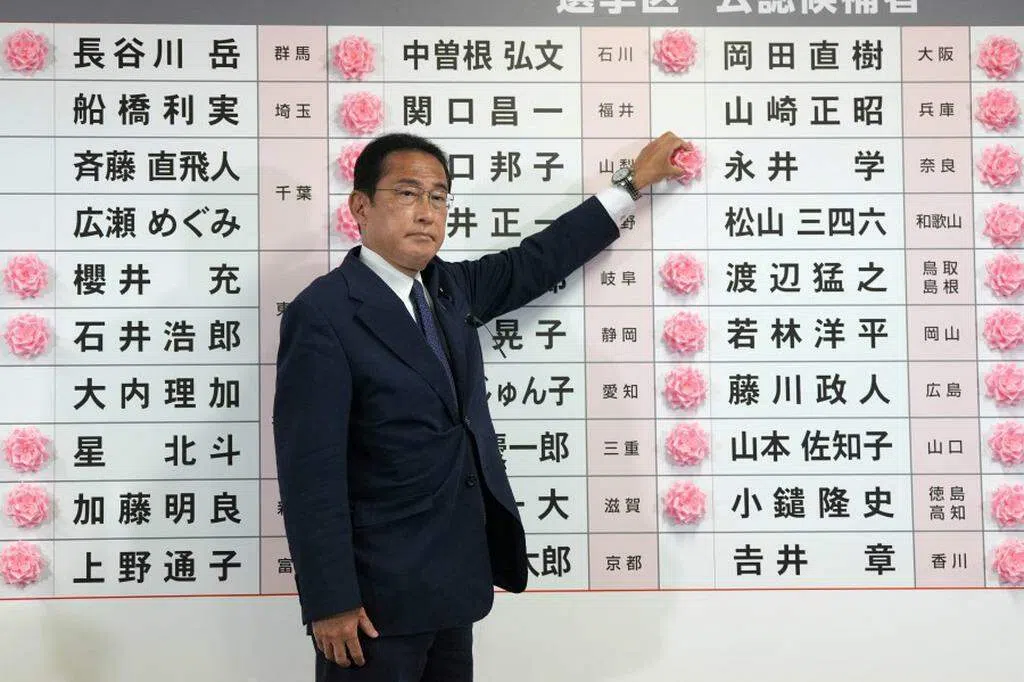
Post-Abe: PM Kishida's challenge to rebuild order within the party
Japan-based academic Zhang Yun notes that despite the political rivalry between Prime Minister Fumio Kishida and the late Shinzo Abe, they were political partners that needed each other. With Abe's demise, will Kishida be able to rein in the other factions of the Liberal Democratic Party and rebuild a unified order within the party and in the government?
Zhang Yun
26 Jul 2022

Politics
Do US economic sanctions work?
Since the Cold War, one of the most common methods used by the US to reprimand "authoritarian" or "irresponsible" countries is to impose economic sanctions. However, the economic sanctions imposed on North Korea, Iran and Russia over the past decades have not seemed to work, nor have any of these countries given in to the US. Japan-based academic Zhang Yun analyses why sanctions have lost their hold on these countries, and why the US is still keen to use them as a coercion tool.
Zhang Yun
09 Mar 2022
Politics
Japanese politicians tussle over power and speaking rights on Taiwan
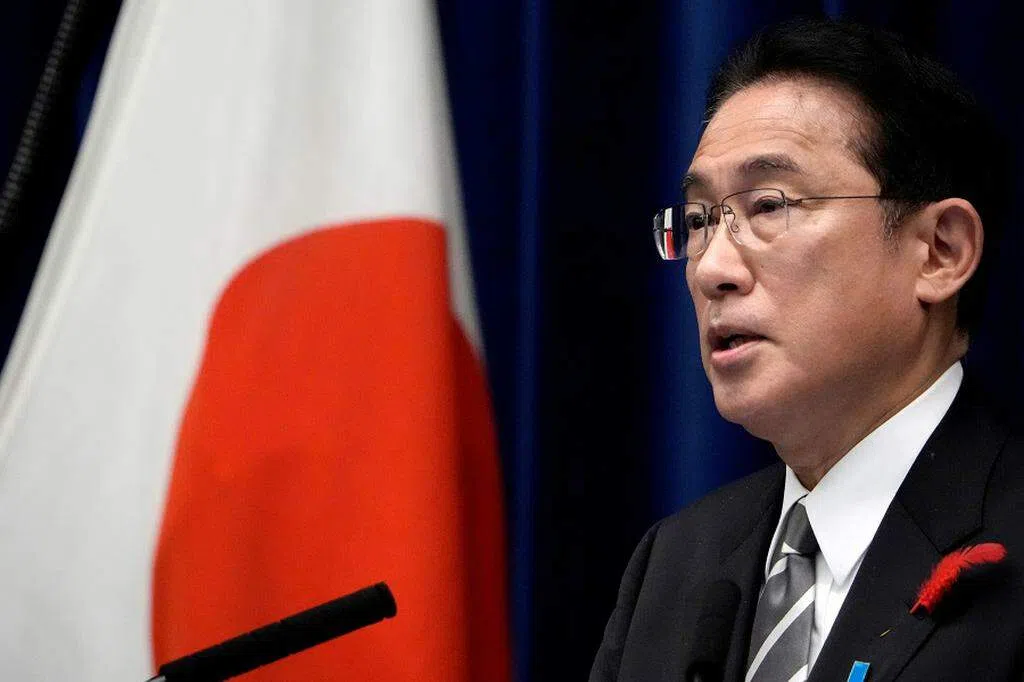
Recent comments by former Japanese Prime Minister Shinzo Abe have people speculating if Japan is taking a more hawkish stance on Taiwan. Japan-based academic Zhang Yun explains that this is a combination of factional politics between the liberal-leaning Kochikai faction led by Prime Minister Fumio Kishida and the neo-conservatives within the LDP, as well as the dynamics of Japan's relationship with the US and China. With the 50th anniversary of the normalisation of diplomatic ties between Japan and China taking place next year, will the Taiwan card be further in play?
Zhang Yun
16 Dec 2021
Politics
Can Japan rise above factional politics and become the 'bridge to the world' under new PM Kishida?
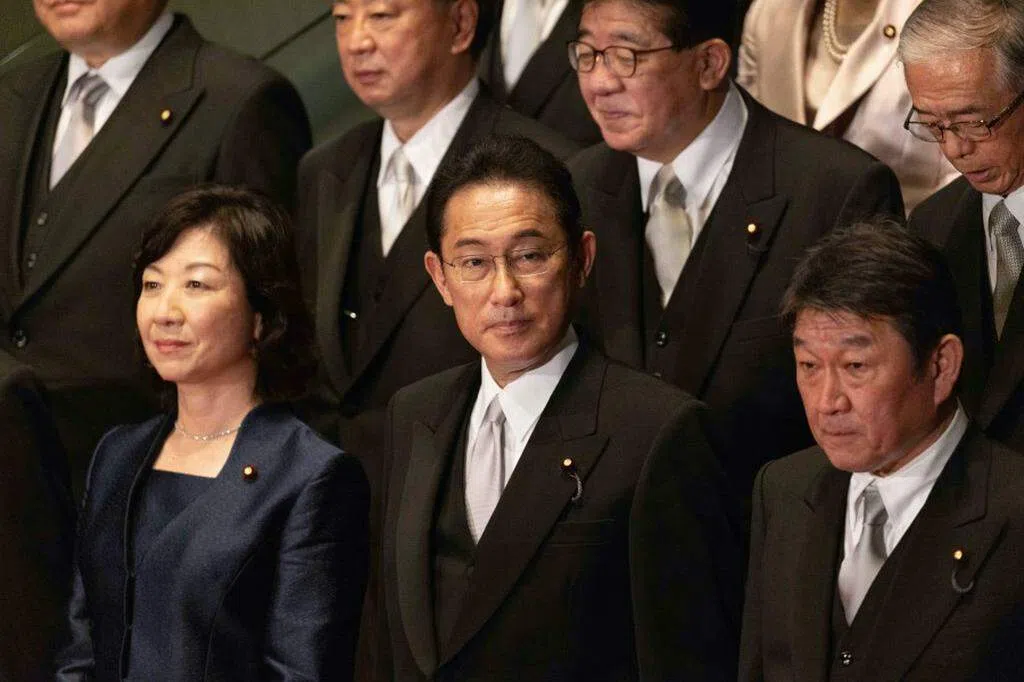
Fumio Kishida became the new Japanese prime minister despite a relatively weak political base. This shows that factional politics within the Liberal Democratic Party still provided some measure of stability in influencing outcomes. However, public opinion has landed on the side of wanting a leader with the gumption and vision to implement reforms and improve the plight of the Japanese people. But will this new administration be a force for change as the people want, or will the Japanese government go back to the days of having a new prime minister each year? Japan-based academic Zhang Yun takes us through.
Zhang Yun
07 Oct 2021