Deng Xiaoping
Economy
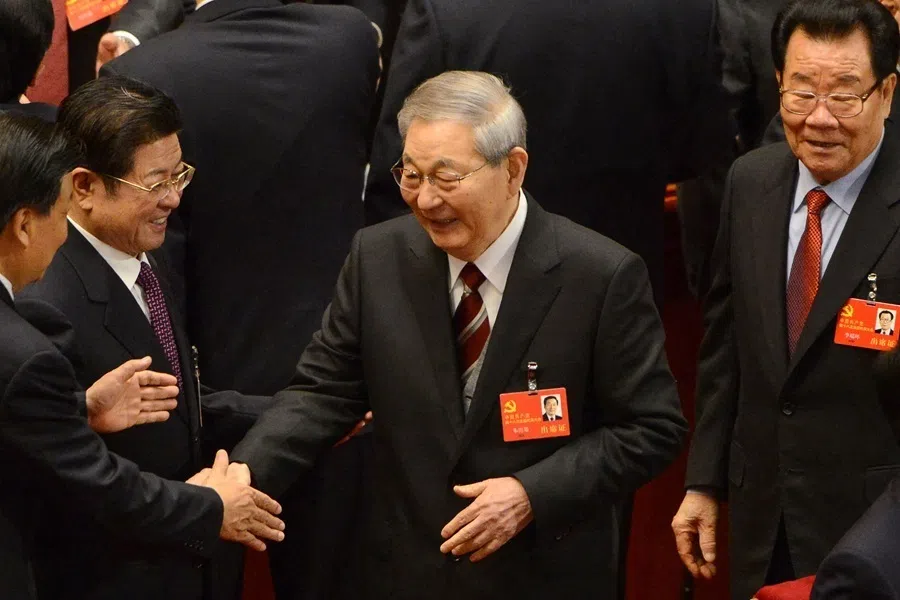
Did Zhu Rongji take on China’s hardest reforms?
Former Chinese Premier Zhu Rongji confronted some of China’s most difficult reforms, taking on vested interests and deep-rooted problems while pushing the country towards a more market-oriented, open and institutionalised economy, says academic Gu Qingyang.
Gu Qingyang
17 Aug 2026
Economy
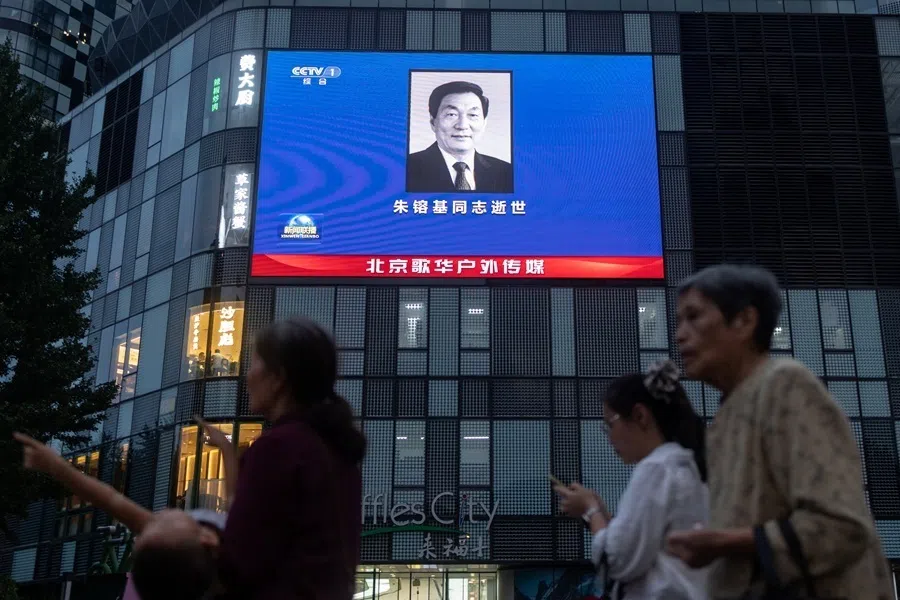
China’s rural decline: The missing chapter in Zhu Rongji’s legacy
Nostalgia paints the late former Premier Zhu Rongji as China’s ultimate reformer. But a closer look at the 1990s reveals severe policy reversals that left the vast rural population behind. Professor Yasheng Huang analyses the missing piece of the picture.
Yasheng Huang
14 Aug 2026
Politics
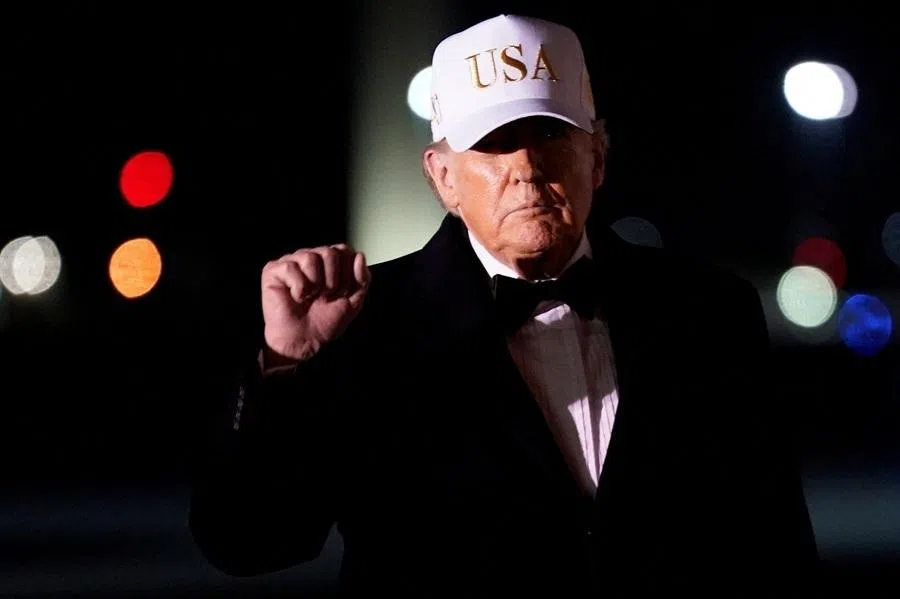
Will Trump become America’s Deng Xiaoping — or its Gorbachev?
Trump exposes America’s deep political and strategic dysfunction. His disruption could either spur institutional renewal and recalibration — like Deng Xiaoping — or deepen division and decay, like Gorbachev, observes academic Tan Kong Yam.
Tan Kong Yam
13 Feb 2026
History
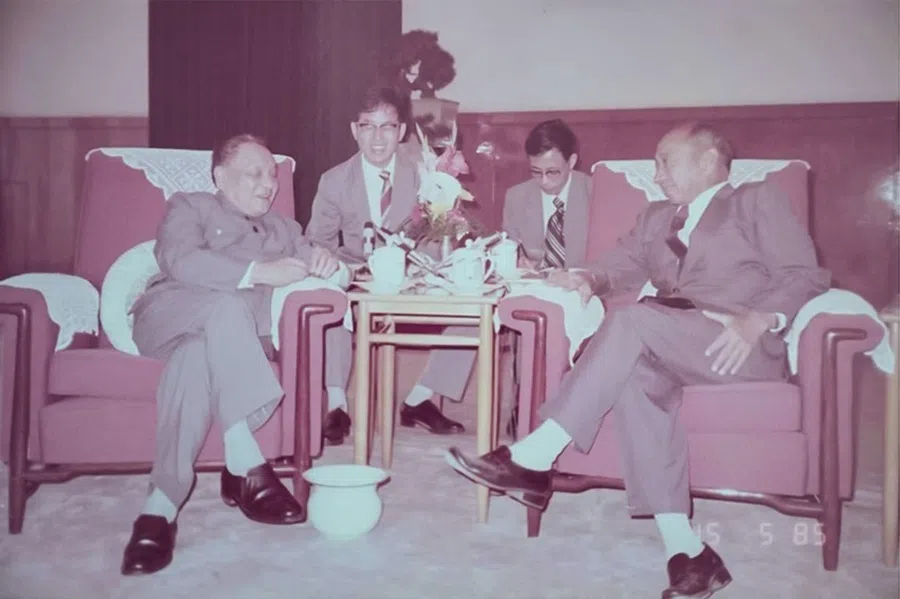
How Singapore’s ‘chief architect’ helped shape reform in China
When Singapore’s former deputy prime minister Goh Keng Swee became an adviser to China in the 1980s, he brought more than policy know-how — he helped shape its reform era. Caixin Global journalists tell us how Goh’s quiet influence has left a lasting mark on both nations.
Caixin Global
07 Nov 2025
Politics
The Real Xi: Reflections on the 20th Party Congress
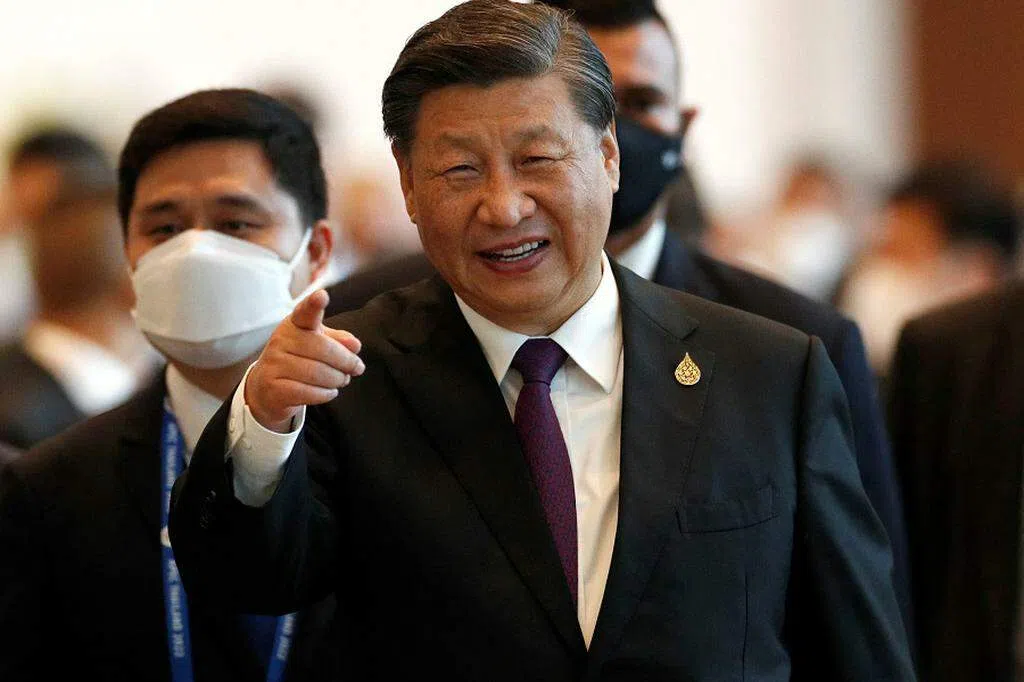
Vienna-based Li Ling observes that while it seems that Chinese President Xi Jinping has removed all obstacles to his rule, actually the outcomes of the 20th Party Congress has shown another side of him: a level-headed and even disciplined man who can act in a measured and controlled fashion. Being able to show restraint while holding on to great power will be a delicate balance that one has to strike in Xi's "new era".
Li Ling
01 Dec 2022
Politics
[Party and the man] Ditching presidential term limit an exception not the rule
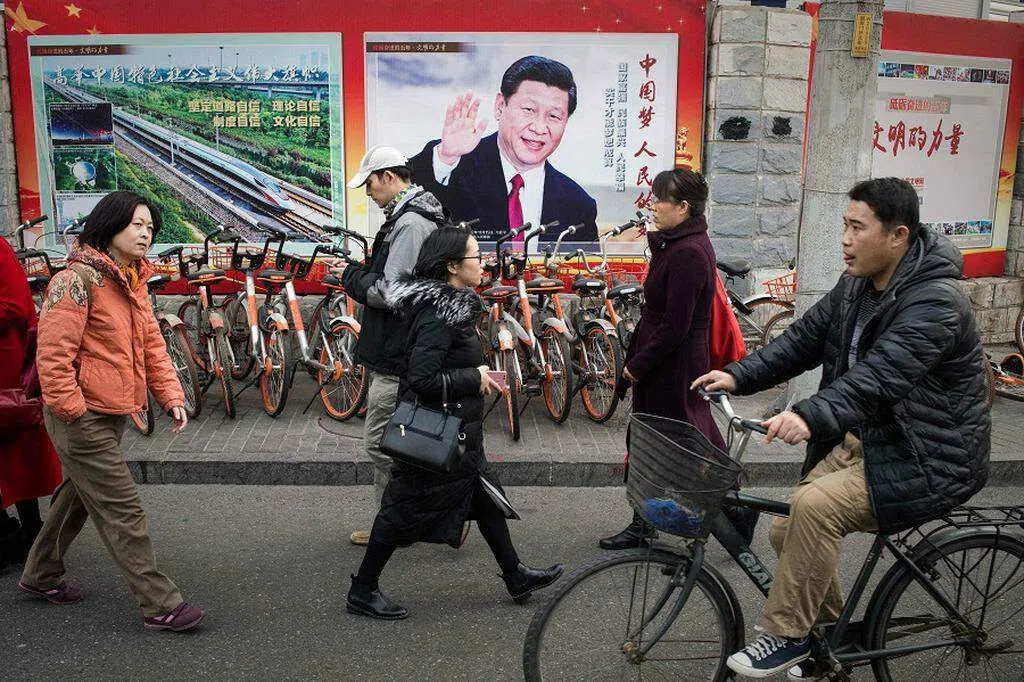
While some consider Xi Jinping's departure from the two-term presidential limit a sign of a descent into dictatorship, many fail to see that for China's particular juncture in history, a deep centralisation of power is necessary, and Xi Jinping is very possibly the resolute leader needed to do it. However, this also means that China's political future could go either way, either morphing into a new integration of democracy, rule of law and good governance, or being locked in a system that makes absolute power possible. This is the last in a series of four articles on President Xi Jinping and the road ahead.
Lance Gore
11 Oct 2022
Politics
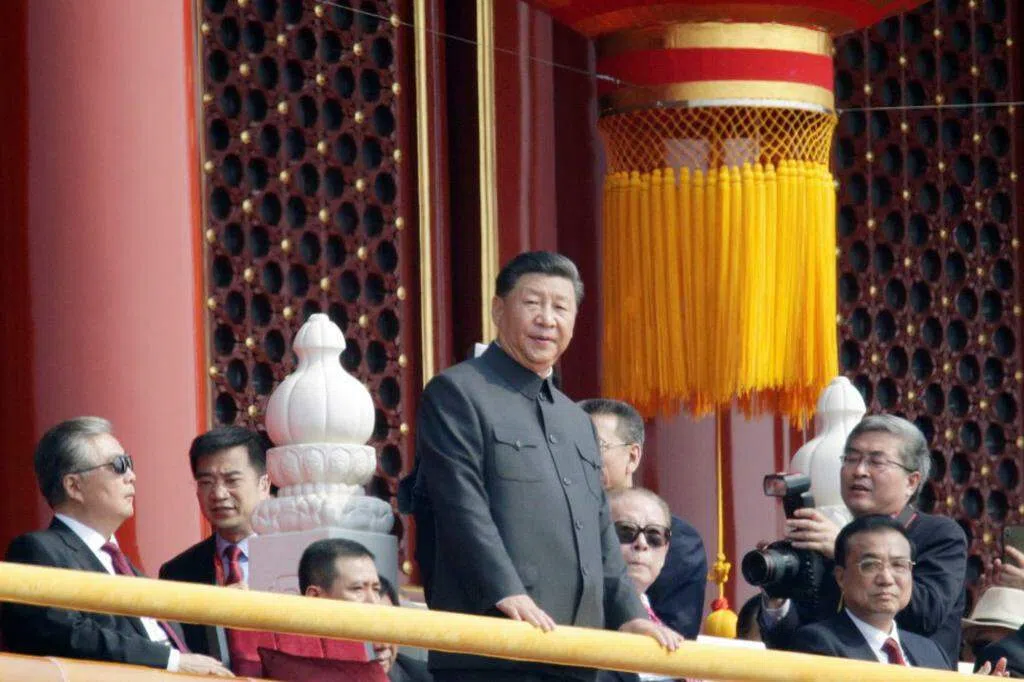
How Xi Jinping consolidated power over the past decade
As the 20th Party Congress approaches, Zaobao correspondent Yu Zeyuan looks at the power game in China. He examines evolving rhetorics and terms used by Chinese leaders since Mao, and reflects on the way President Xi Jinping has consolidated and enshrined power in the past decade.
Yu Zeyuan
10 Oct 2022
Politics
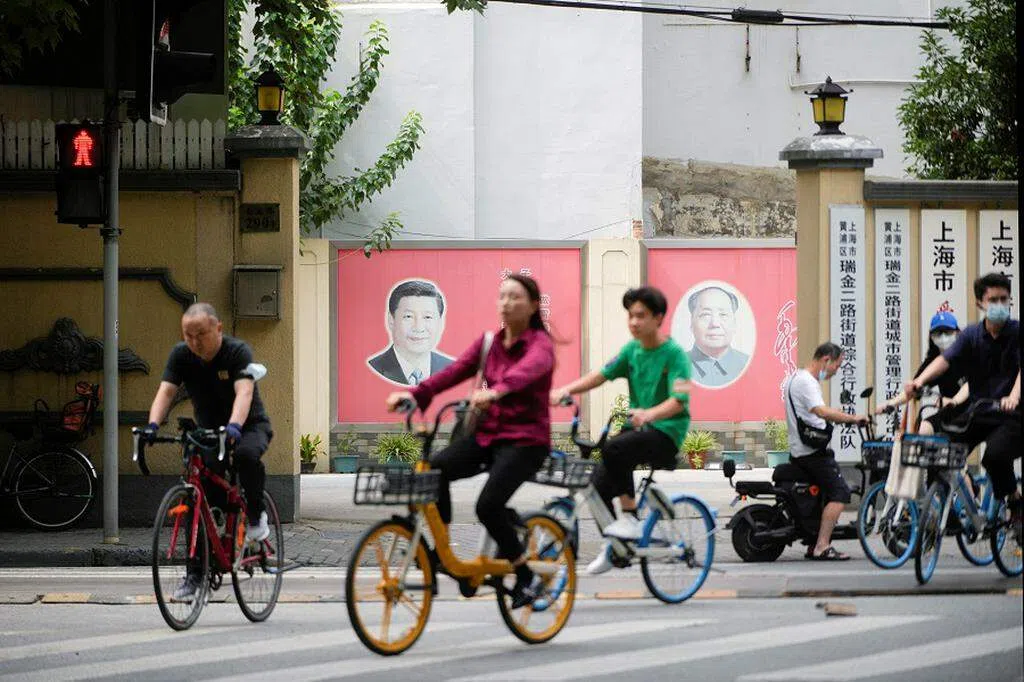
[State of our world] From Three Worlds to Four: Mao's revised theory of an emerging global order?
Russian academic Artyom Lukin revisits Mao's Three Worlds Theory to explain that while the world looks to be on the cusp of great change, the paradigms of the past can still inform the future. Much will depend on the "fourth world" of Russia and other perceived US adversaries who are drawing closer to China. This is the third in a series of four articles contemplating a changing world order.
Artyom Lukin
12 Sep 2022
Politics
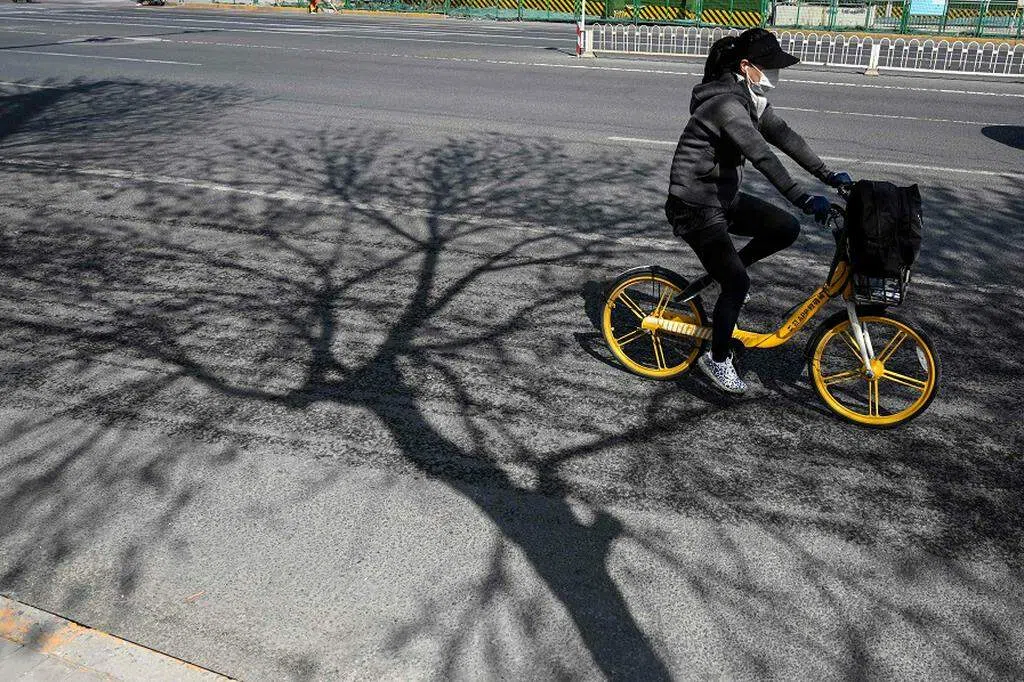
Why China's 'peaceful rise' will be particularly difficult
EAI academic Lance Gore notes that China's "peaceful rise" is a particular hard sell because it involves the rise of a major heterogeneous civilisational power, which is different from the mere transfer of hegemony between states from the same civilisation. Thus China needs to work on gaining acceptance from the international community by conveying the merits of its civilisational traits and avoiding pitfalls such as a reversion to cultural dead wood or failed Marxist orthodoxy.
Lance Gore
13 Jun 2022
Politics
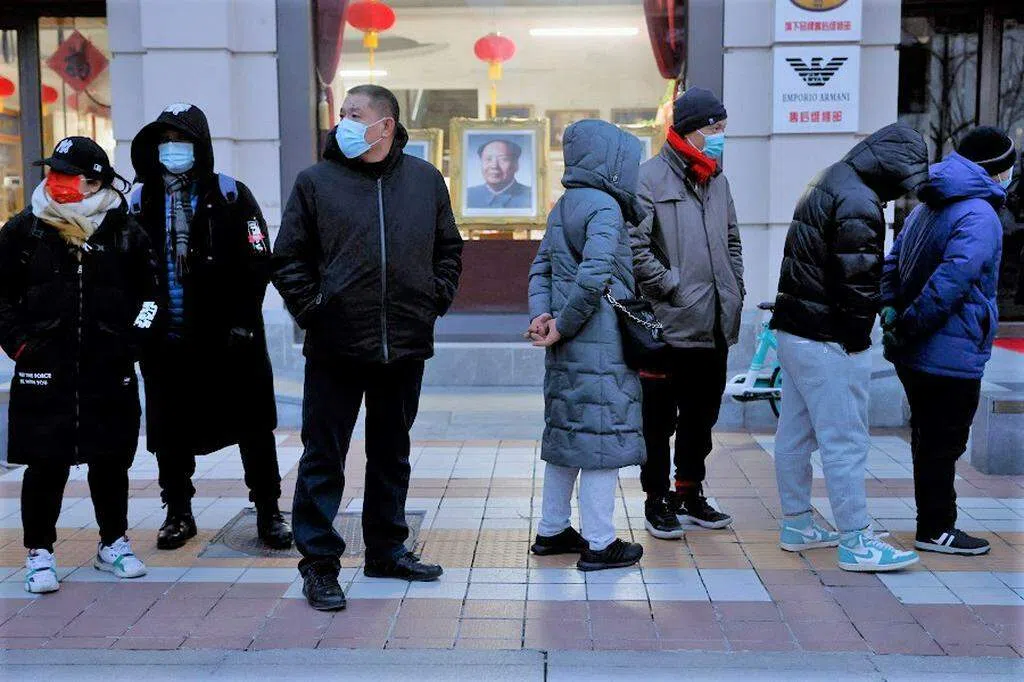
Are the Chinese people the true masters of their country?
Lance Gore reflects on what Chinese Communist Party cadres today understand by the phrase "Serve the People", stating that people in positions of power could either serve the people slavishly or ride roughshod over them. The impetus to do right by the populace is simply not ensured. As the authorities seek to get the people more involved in "whole-process democracy", they will need to consider how the regime's affinity with the people may be maintained in the absence of electoral democracy.
Lance Gore
05 May 2022