Manufacturing
Economy
[Big read] Is Singapore the ultimate ‘China+1’ biopharma hub?
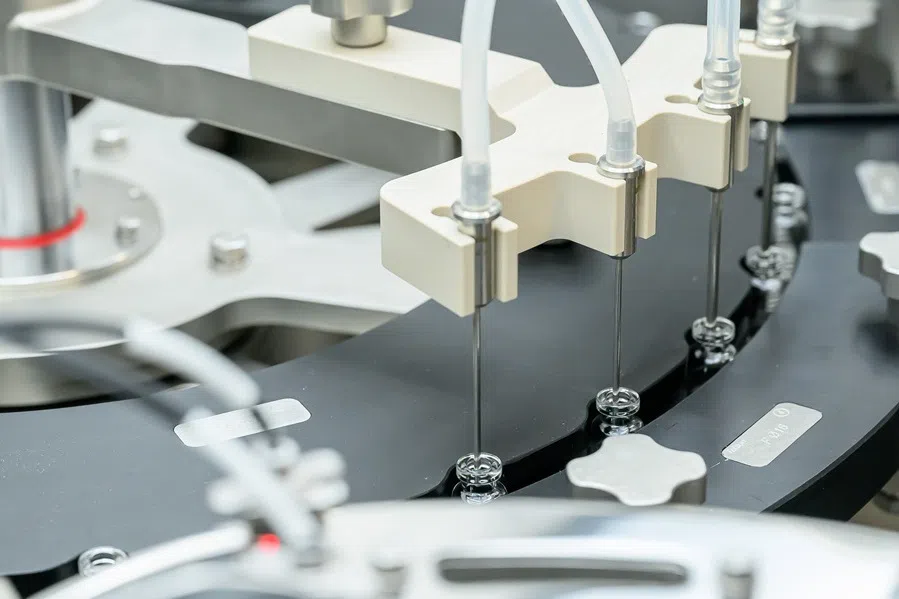
China’s biotech industry is becoming a formidable force in drug R&D and manufacturing. For Singapore, its rise brings new competition — but also an opportunity to strengthen its role as a trusted China+1 hub for global pharma. Lianhe Zaobao senior business correspondent Lewis Ong Yong Huat speaks with industry players and government officials to find out more.
Lewis Ong Yong Huat
09 Sep 2026
Economy
Can ASEAN export growth survive US trade scrutiny?
As the US scrutinises structural excess capacity across economies, ASEAN must distinguish legitimate export-oriented production from state-supported overcapacity, while ensuring that more technology, value added and income from its exports remain within the region, notes Japanese academic Sukegawa Seiya.
Sukegawa Seiya
07 Sep 2026

Economy
How Guangzhou and Shenzhen weathered Trump’s tariff storm
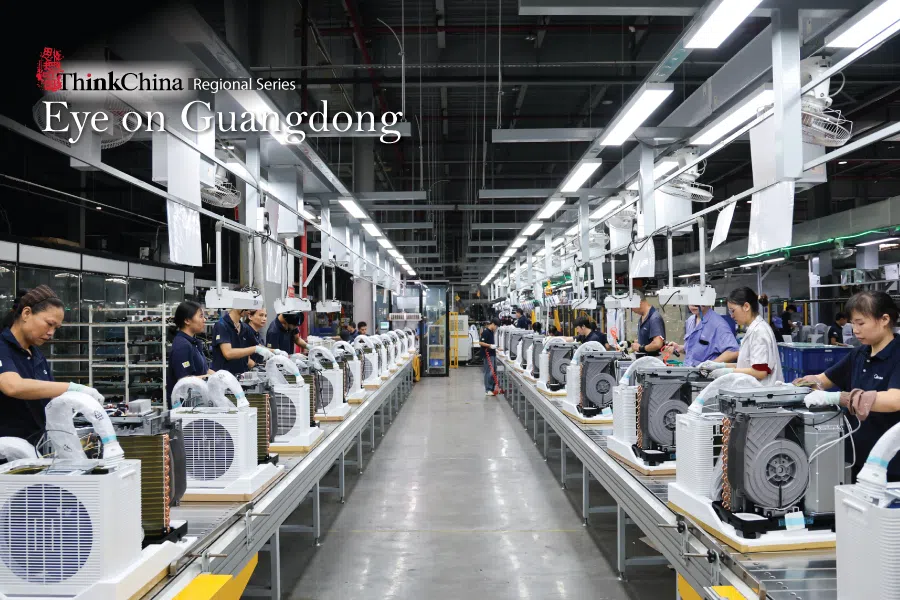
Guangzhou and Shenzhen, manufacturing and technology engines of Guangdong province, were hard-hit by Trump 2.0 tariffs, but they managed to bounce back or even hold steady with resilience under pressure. Economics professor Jiang Kun gives her analysis in ThinkChina’s Eye on Guangdong series.
Jiang Kun
26 Aug 2026
Economy
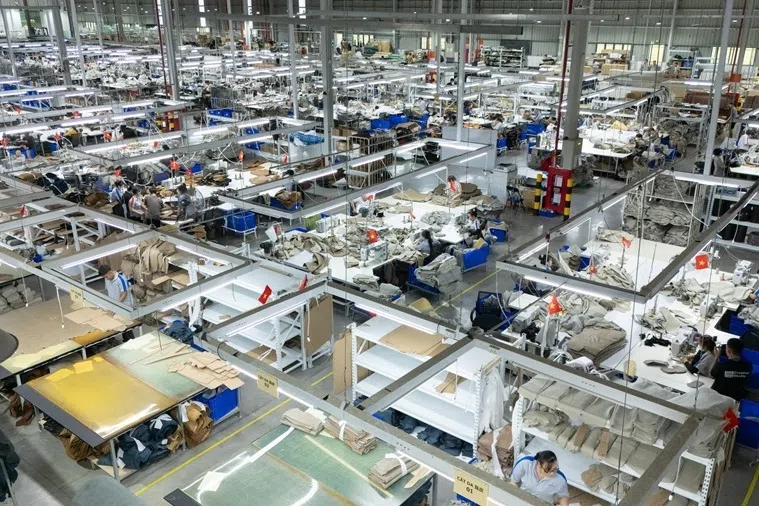
Can Vietnam build an industrial powerhouse of its own?
As Chinese manufacturers accelerate their shift into Vietnam to mitigate US tariff risks, can Vietnam build an industrial ecosystem of its own, or will it remain an extension of China’s manufacturing supply chain? Lianhe Zaobao correspondent Lee Chee Yang tells us more.
Lee Chee Yang
12 Aug 2026

Economy
Why China’s biotech rise is harder to contain than AI
China is emerging as a biotech powerhouse, but its rise is entwined with US drugmakers through research, licensing and supply chains, making decoupling far more difficult than in AI. Academic Chen Xiangming and biopharma industry practitioner Leon Tang analyse the situation.
Chen Xiangming, Leon Tang
05 Aug 2026
Economy
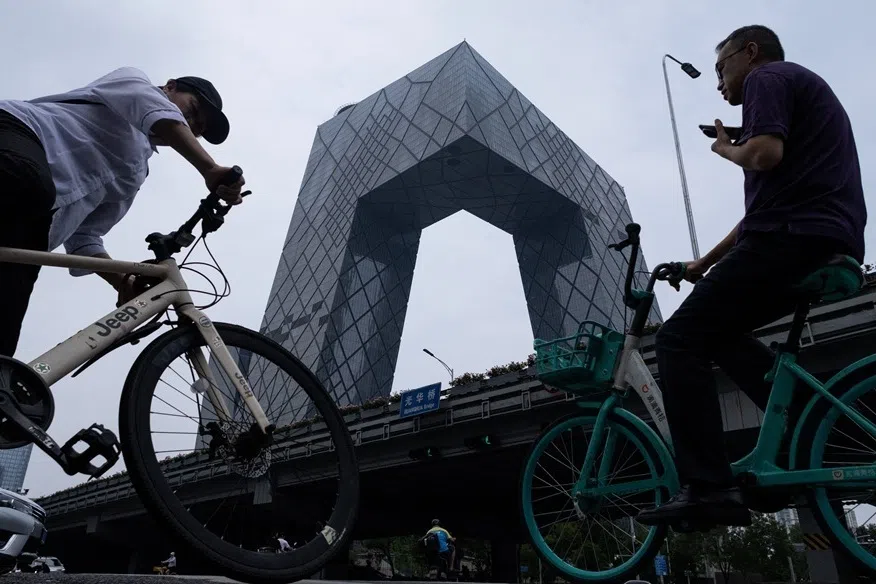
Can China’s slowing economy sustain its tech ambitions?
China sees technological self-reliance as the key to future growth. But with a slowing economy, can Beijing sustain the investment needed to achieve its high-tech ambitions over the long term? Economist Min-Hua Chiang examines the issue.
Min-Hua Chiang
31 Jul 2026
Technology
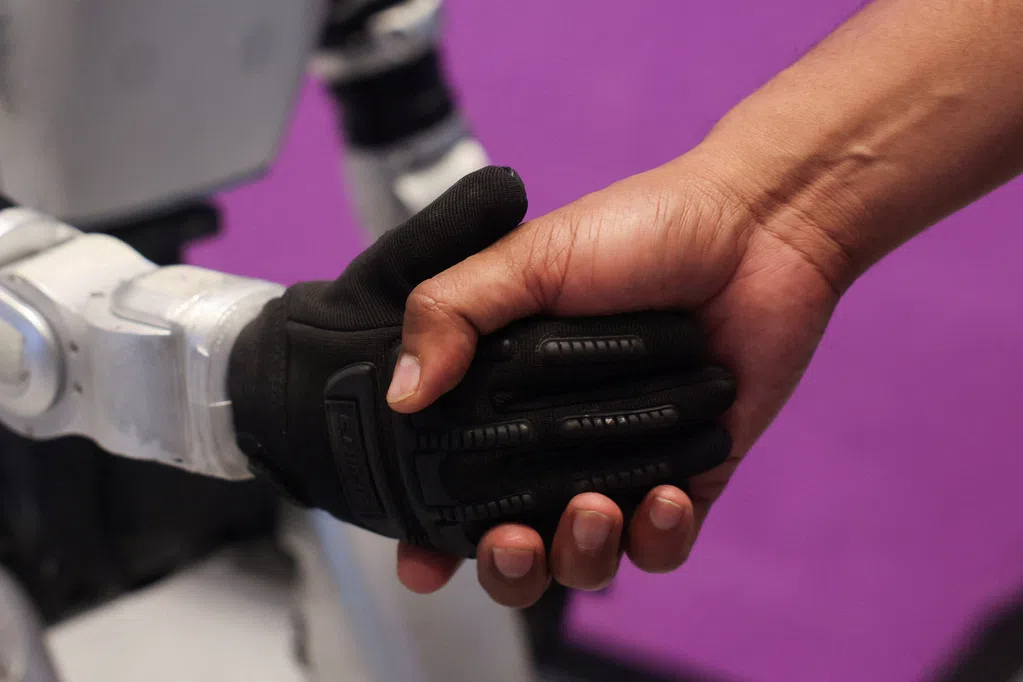
China’s AI-driven robotics boom faces IPO reality check
China’s strides in “embodied AI” — the integration of artificial intelligence into physical systems like robots — is built on world-class manufacturing and bold investor bets. But with IPOs looming, startups must prove their robots can generate real commercial value — not just hype.
Caixin Global
31 Jul 2026
Technology
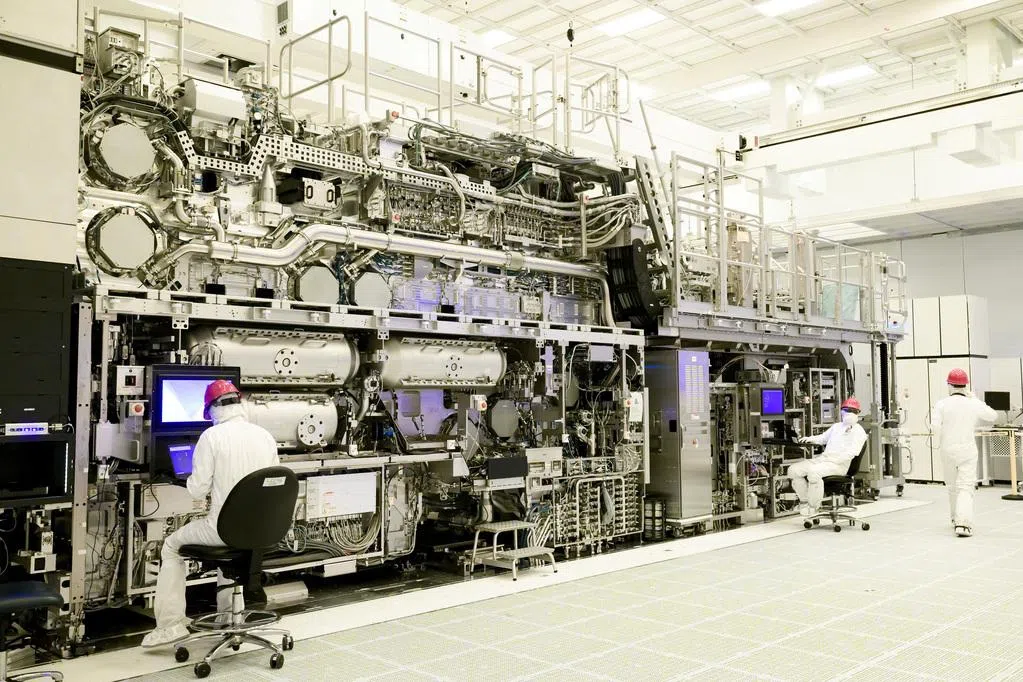
China’s DUV breakthrough: Has America’s tech wall outlived its purpose?
China’s reported breakthrough in producing domestic DUV lithography machines could mark a turning point in its chip war with the US, but experts warn that catching up with global leaders remains a long road. Lianhe Zaobao China news correspondent Edwin Ong reports.
Edwin Ong
29 Jul 2026
Economy
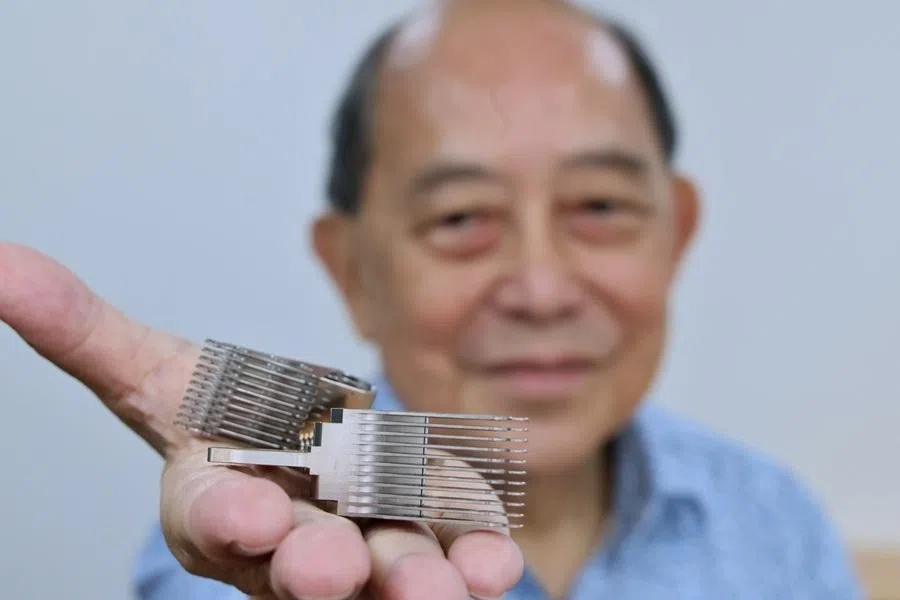
Michael Wee: Why Singapore’s PATEC chose Taiwan over SGX
PATEC founder Michael Wee shares why he listed his precision engineering company in Taiwan, how AI revived its hard disk drive business, and his plans for PATEC’s next phase of growth in this interview with Lianhe Zaobao associate business editor Chew Boon Leong.
Chew Boon Leong
22 Jul 2026