Rule Of Law

Society
In Singapore, a woman knew her harasser. In China, 20 women never met theirs
Who should stop an online crowd? Singapore’s new Online Safety Commission helps victims get harmful posts taken down and find out who harmed them. China’s draft Anti-Cyberviolence Law would make platforms slow a crowd turning on someone before anyone complains. Victims need both, argues academic Ashton Ng. Platforms see the crowd first and should act first. But the crowd is made of individuals, and each of us can refuse to join it.
Ashton Ng
02 Oct 2026
Politics
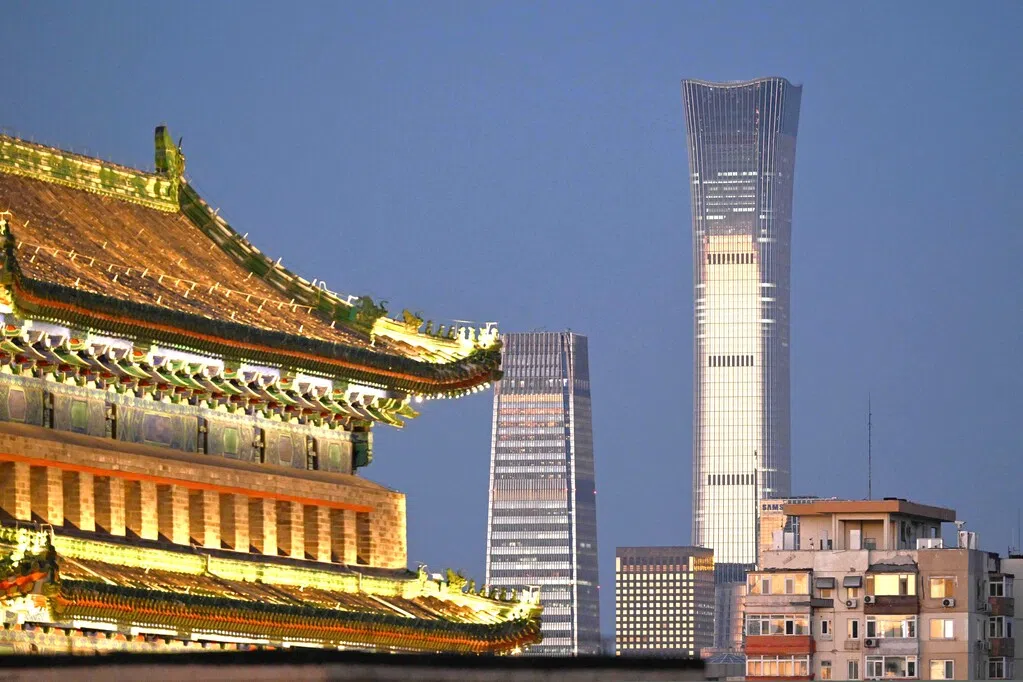
What kind of superpower will China be?
Chinese President Xi Jinping received the red-carpet treatment in Washington. Whether or not this means that China is increasingly seen as the US’s equal, it is becoming harder for China to avoid the term “superpower”. As it navigates this role, interesting is the way it is extending its socialist legal system as a semi-permeable membrane for selective globalisation. Academic Frank N. Pieke explains.
Frank N. Pieke
29 Sep 2026
Society
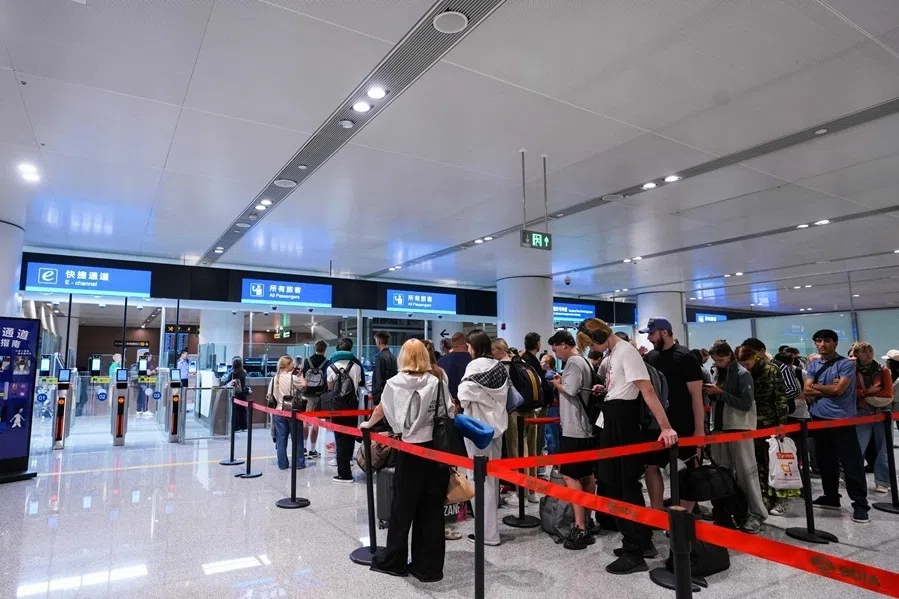
China’s catch-all border laws: A deterrent or cause for unnecessary anxiety?
China’s new border rules aim to deter cross-border crimes. But vague wording and stricter border checks are sparking widespread anxiety among everyday travellers. Lianhe Zaobao associate China news editor Chen Jing explains the ambiguity fuelling public concern.
Chen Jing
22 Sep 2026

Politics
Can Japan and Europe defend the ICC against the US?
US sanctions against the International Criminal Court (ICC) are putting Japan and Europe in a difficult position: how can close US allies defend international institutions without undermining their own security ties? Researcher Hao Nan explores the question.
Hao Nan
22 Sep 2026
Society
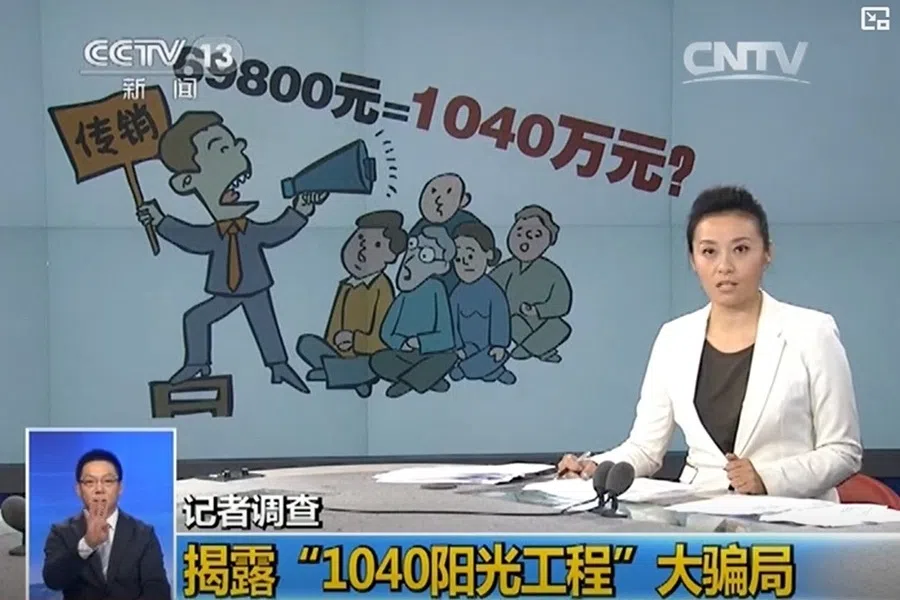
Warm tea and brainwashing: Why Singaporeans fall for China’s 1040 scam
Despite years of police crackdowns, the “1040 Sunshine Project” continues to thrive in new and increasingly covert forms, luring victims with promises of enormous returns and claims of secret state backing. Lianhe Zaobao correspondent Zhang Guanghui dives into the issue.
Zhang Guanghui
07 Sep 2026
Politics
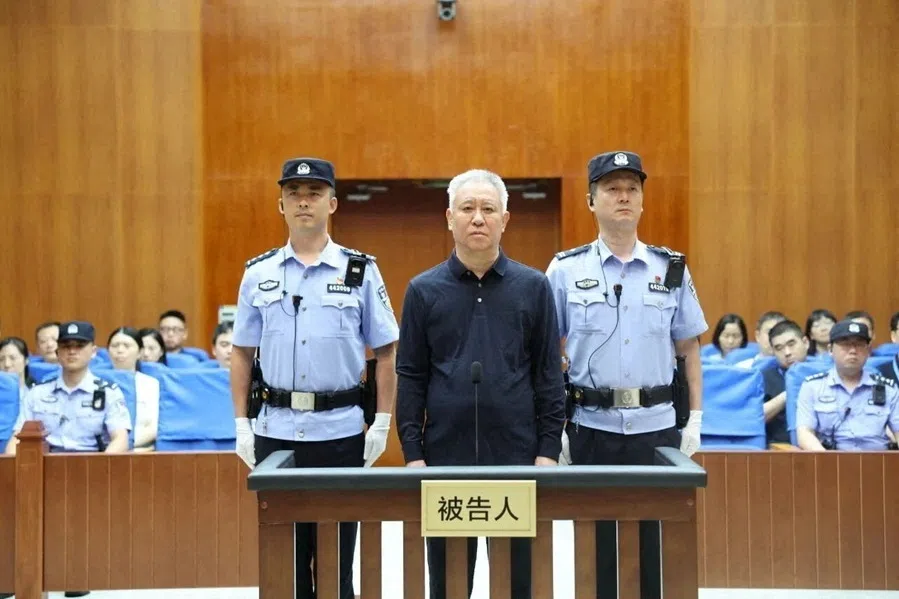
Hui Ka Yan jailed: Can China escape Evergrande’s shadow?
Evergrande founder Hui Ka Yan has been sentenced to life imprisonment after the spectacular collapse of his property empire, leaving a trail of unfinished homes and shattered confidence. Lianhe Zaobao associate China news editor Chen Jing explains.
Chen Jing
28 Aug 2026

Society
Passports surrendered: Inside China’s expanding web of exit controls
China’s new regulations have reignited concerns over who may be prevented from leaving the country. While Beijing says the measures are aimed at safeguarding national security, broad discretionary powers and vague definitions could create greater uncertainty for travellers, says Lianhe Zaobao China news editor Yang Danxu.
Yang Danxu
05 Aug 2026

Culture
Did Louis Vuitton trademark an ancient Chinese motif?
Louis Vuitton’s trademark win against Molly Tea has fuelled debate over whether modern IP law can give exclusive rights to designs many Chinese see as part of their cultural heritage. Academic Zhang Tiankan explains.
Zhang Tiankan
17 Jul 2026

Politics
A decade on, 14 nations reaffirm a South China Sea ruling China rejects
A 14-nation statement reaffirming the 2016 South China Sea arbitration ruling has drawn a sharp rebuke from Beijing, underscoring how the decade-old award remains a focal point of strategic rivalry even as a new dispute over the Batanes Islands emerges. Lianhe Zaobao correspondent Liu Liu speaks to academics for an analysis.
Liu Liu
13 Jul 2026
Politics
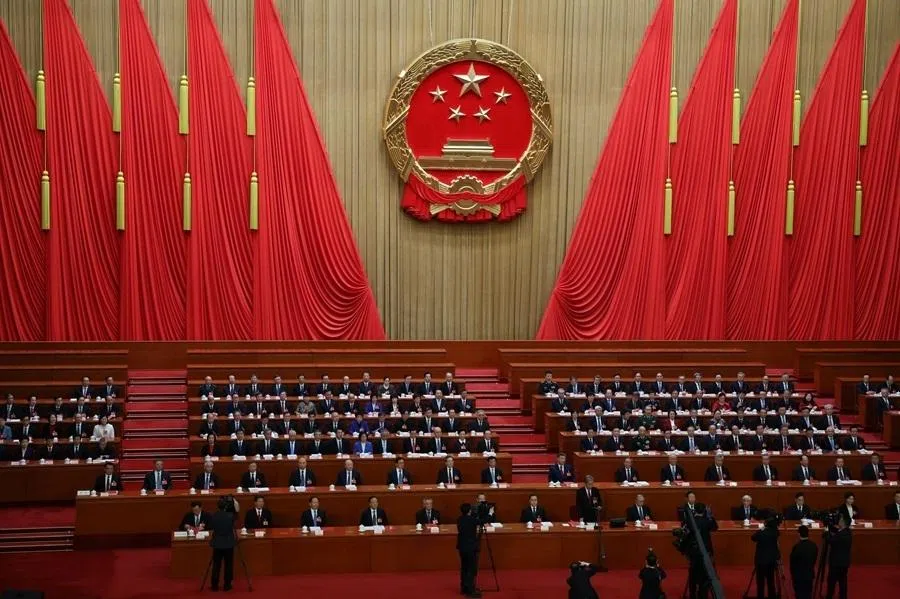
Tit for tat: Beijing builds legal arsenal against Western sanctions and jurisdiction
US warning to Chinese banks over Iran-linked transactions triggered a swift response from Beijing, which rolled out new regulations to counter sanctions and extraterritorial legal pressure. Lianhe Zaobao associate China news editor Sim Tze Wei examines this tit-for-tat escalation now extending into the legal sphere.
Sim Tze Wei
21 Apr 2026

Politics
The tyranny of too much democracy: Confucius’s answer
Democracy today has lost some of its shine, with issues such as the rise of right-wing populist parties worrying some. But part of the problem lies in the conflation of two distinct ideas — liberalism and democracy. If the balance between liberalism and democracy needs to be restored, might a Confucian mixed regime be a possible alternative? Chinese academic Tongdong Bai contemplates the question.
Tongdong Bai
13 Apr 2026

Politics
Strategic patience: How China navigates the Iran war
As Iran faces continued US-Israel bombardment, it is clear that President Donald Trump has no intention of easing the pressure. Amid the crisis, China is exercising strategic patience — diversifying energy ties and strengthening its Eurasian influence — turning regional turbulence into a potential long-term advantage while the US pursues rapid action. Researcher Eka Khorbaladze explains the likely impact and China’s role in the unfolding situation.
Eka Khorbaladze
04 Mar 2026