Belt And Road Initiative
Technology
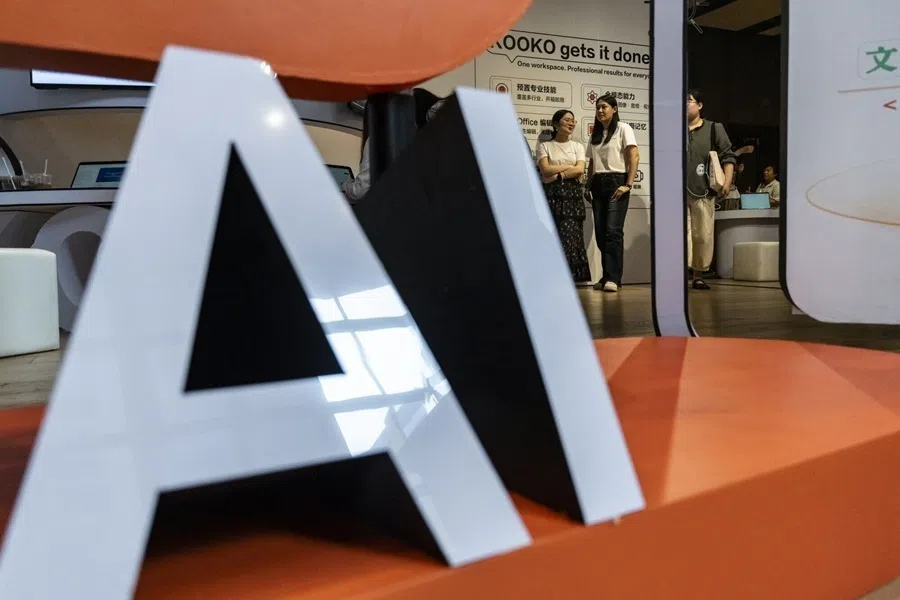
China’s second Belt and Road may be built on AI
Al lies at the heart of China’s second Belt and Road. The Global South provides users, workloads, scale and revenues that flow through the Chinese AI stack and help finance its next climb up the technology ladder. Researcher Hao Nan explains.
Hao Nan
05 Oct 2026
Economy
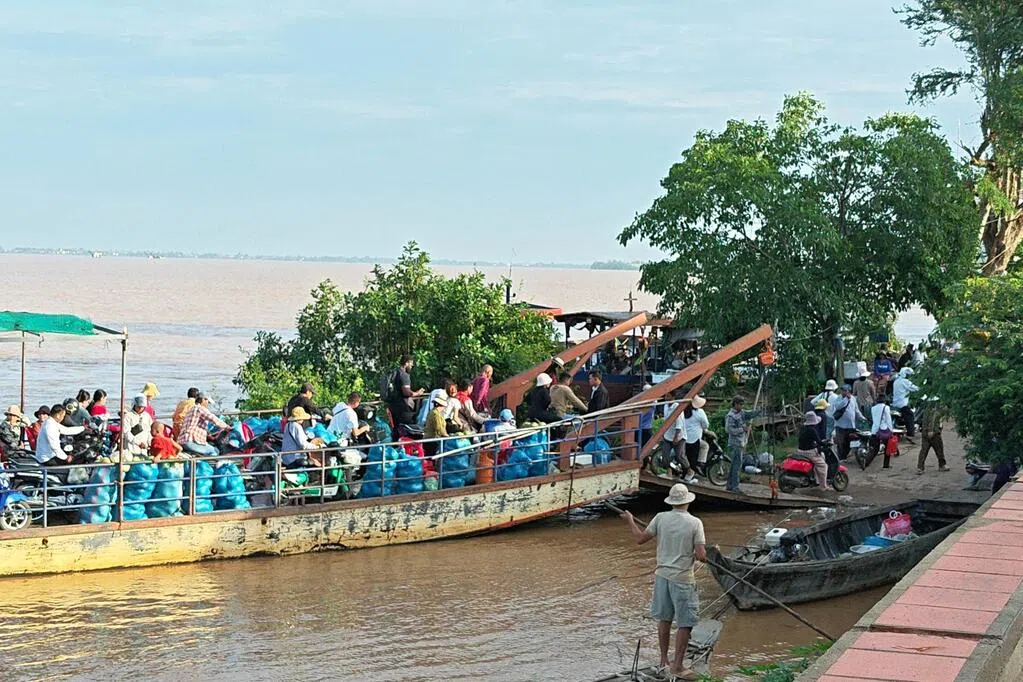
The road north: From Cambodia’s farms to China
Existing infrastructure is converging into an emerging Cambodia-Laos-China agricultural corridor, bringing farmers into regional trade, observes researcher David Okoronkwo, after weeks of field study in Kratie, northeastern Cambodia.
David Okoronkwo
30 Sep 2026
Society
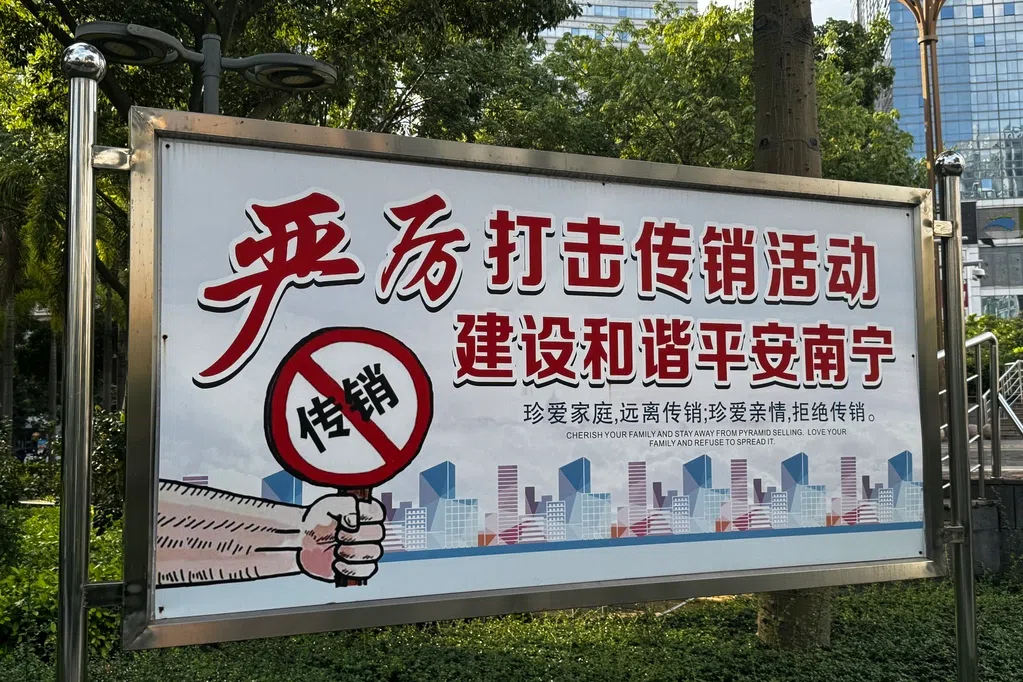
I went to Nanning to find the pyramid schemes that lured Singaporeans
After 52 Singaporeans were arrested in Guangxi, Lianhe Zaobao associate China news editor Sim Tze Wei travelled to Nanning to trace the pyramid schemes said to have lured them in — and found a city where real policies and projects can be repackaged as fake investment opportunities.
Sim Tze Wei
07 Sep 2026
Economy
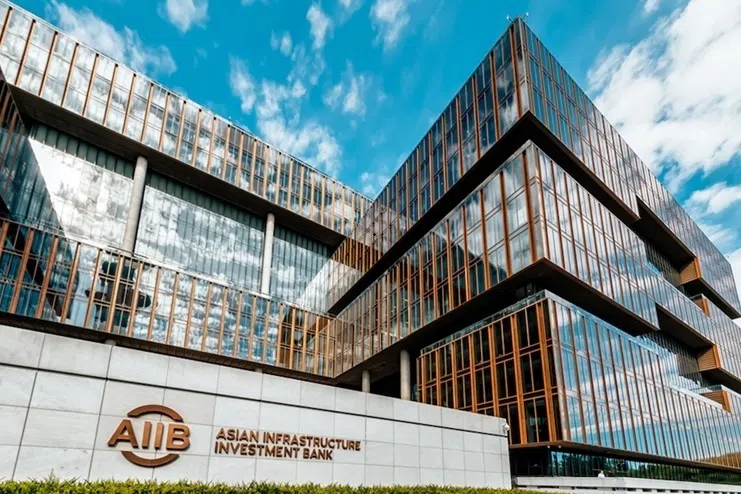
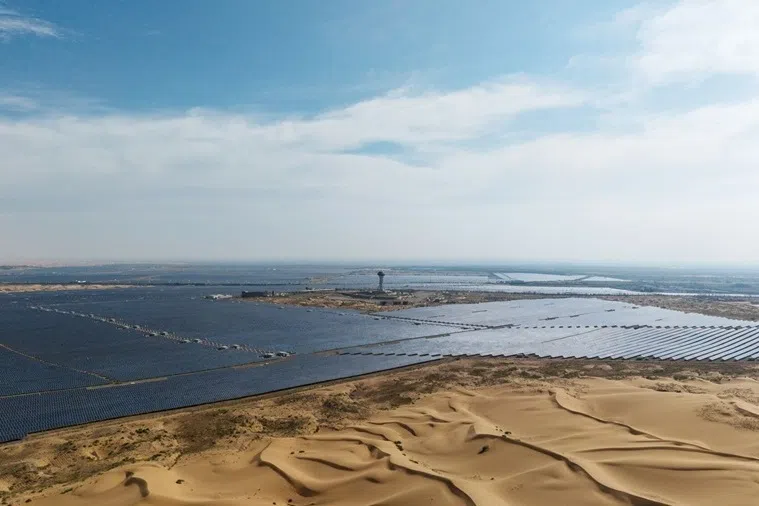
China has led nearly 300 green initiatives. Is it a climate leader?
A new study reveals China has led 291 environmental initiatives since 2000. However, with questions remaining over their real-world impact, can Beijing truly lead as the US retreats from global climate governance? Lianhe Zaobao’s China news correspondent Lim Zhan Ting finds out more.
Lim Zhan Ting
01 Sep 2026
Politics
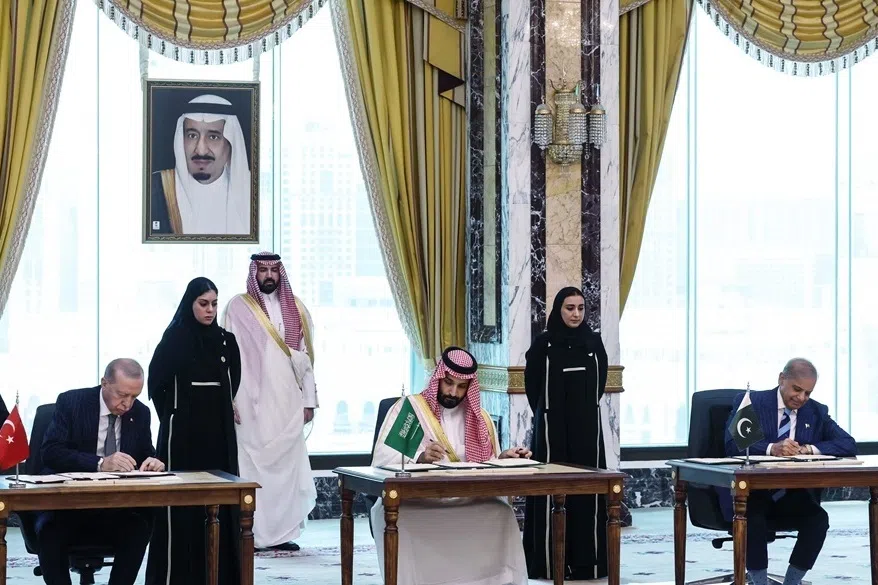
The Mecca agreement’s implications for China
The Mecca pact among Saudi Arabia, Pakistan and Turkey calls for NATO-like collective defence, but a more realistic outcome could be greater mediation roles for each of the parties and gains for China, a close partner of all three. Academic Alessandro Arduino explains.
Alessandro Arduino
21 Aug 2026
Politics
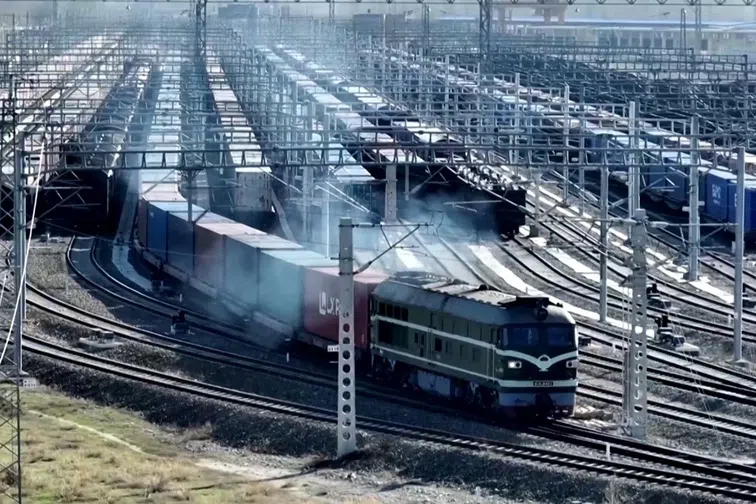
Why China’s land routes may fail in a Taiwan crisis
China has built overland routes to reduce its reliance on vulnerable sea lanes. But lessons from Ukraine and Iran suggest cheap drones and long-range strikes could leave those lifelines exposed in a Taiwan crisis, says Italian commentator Emanuele Scimia.
Emanuele Scimia
31 Jul 2026
Politics
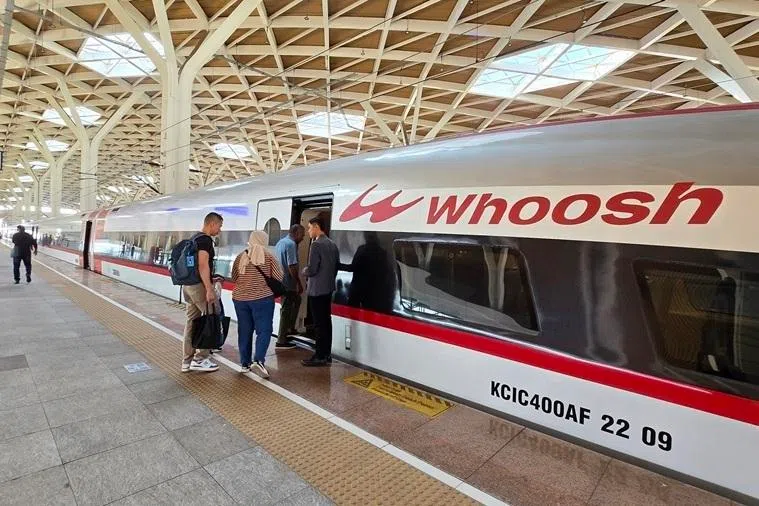
High quality, high anxiety: Southeast Asia’s BRI paradox
An online survey by ISEAS on perceptions of Chinese-built infrastructure in Southeast Asia reflects both the tangible benefits of these projects and broader considerations shaping regional views of China as an infrastructure development partner. ISEAS academics Eugene RL Tan and Hoang Thi Ha explain.
Eugene RL Tan, Hoang Thi Ha
22 Jun 2026

Politics
The Middle Corridor: Where Turkey’s rise meets China’s ambitions
At a time of geopolitical uncertainty when Central Asian countries are hedging their bets and China’s Belt and Road Initiative itself is evolving, Turkey is rising as a power that can cultivate deeper relations with Central Asia and dominate Eurasian transit flows through the Middle Corridor. Academic Alessandro Arduino looks at the issue.
Alessandro Arduino
09 Jun 2026
Politics
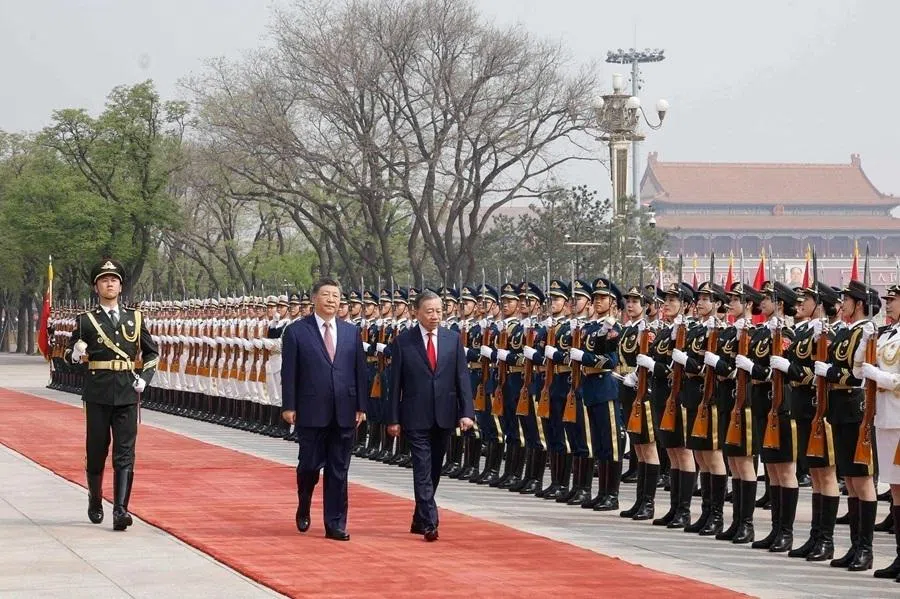
Not distracted: Southeast Asia remains firmly in China’s diplomatic orbit
China has kept Southeast Asia in its sights despite other pressing concerns: it seeks to draw Vietnam closer by highlighting their socialist credentials and has reached out to the Philippines despite their differences. Malaysia’s East Coast Railway Line will also bind Southeast Asia closer to China, says ISEAS researcher Lye Liang Fook.
Lye Liang Fook
06 May 2026
Politics
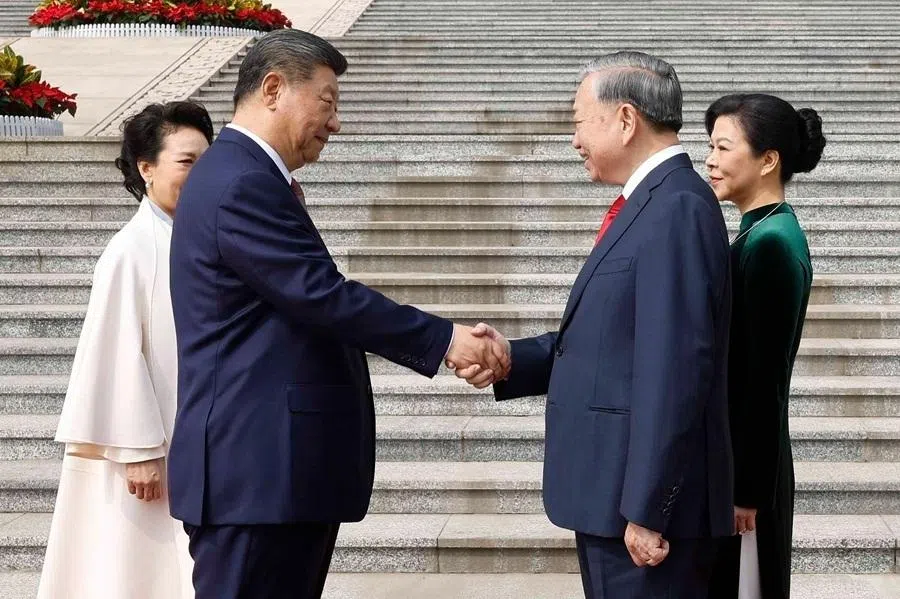
Bamboo diplomacy no more? Vietnam’s growing comfort with China
Amid the complex dynamics of China-Vietnam relations, the balancing act between strategic autonomy and economic dependence is becoming increasingly precarious. Academic Alexander L. Vuving explains why.
Alexander L. Vuving
23 Apr 2026
Politics
War in Iran could rewire China’s global role
In the longer term, the Iran war presents not just threats but also opportunities for China’s economy, such as by correcting deflationary pressure domestically and being viewed as a better bet in global supply chains and investment. Academic Gu Qingyang gives his analysis.
Gu Qingyang
23 Mar 2026