Saudi Arabia
Politics
The Mecca agreement’s implications for China
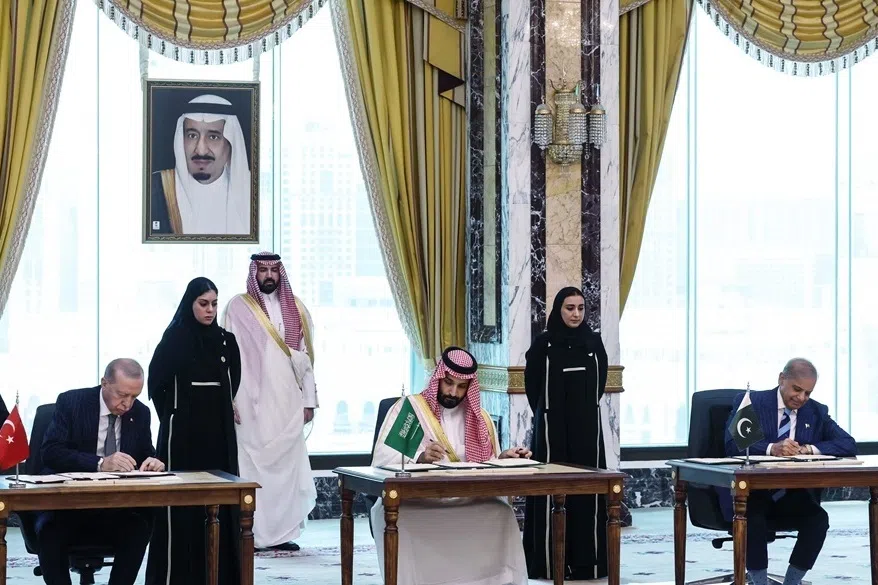
The Mecca pact among Saudi Arabia, Pakistan and Turkey calls for NATO-like collective defence, but a more realistic outcome could be greater mediation roles for each of the parties and gains for China, a close partner of all three. Academic Alessandro Arduino explains.
Alessandro Arduino
21 Aug 2026
Politics
Has China really ‘won’ in the Iran war?
The Iran war has boosted China’s leverage in the energy sector and deepened its commercial presence in the Gulf. But states in the region want China to be a more proactive stakeholder, a role Beijing may not be ready to take on, says researcher Jing Lin.
Jing Lin
30 Jul 2026
Politics
How Trump’s Iran war boosted Beijing
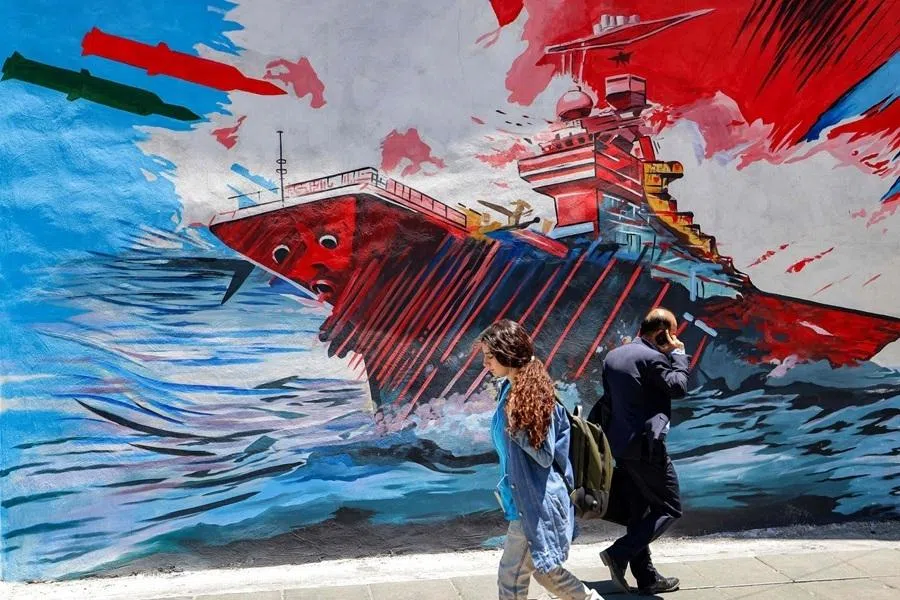
China’s diplomacy in the Middle East has seen highs and lows, most recently garnering some success in the Iran war, after troughs during the post-7 October 2023 period and initial highs when the US withdrew from Afghanistan in 2021. Chinese academic Fan Hongda explains.
Fan Hongda
18 Jun 2026
Politics
China may be the biggest winner from UAE’s OPEC exit
The true drivers of the UAE’s decision to exit OPEC hinge on the shifting alliances of the Arabian peninsula, centred on the rivalry between Saudi Arabia and the UAE, says Middle East Institute-NUS fellow Jing Lin. China stands to benefit, not only in oil supplies but in wider aims like the internationalisation of the RMB — but only if it plays its cards right in balancing between the two regional heavyweights.
Jing Lin
13 May 2026
Economy
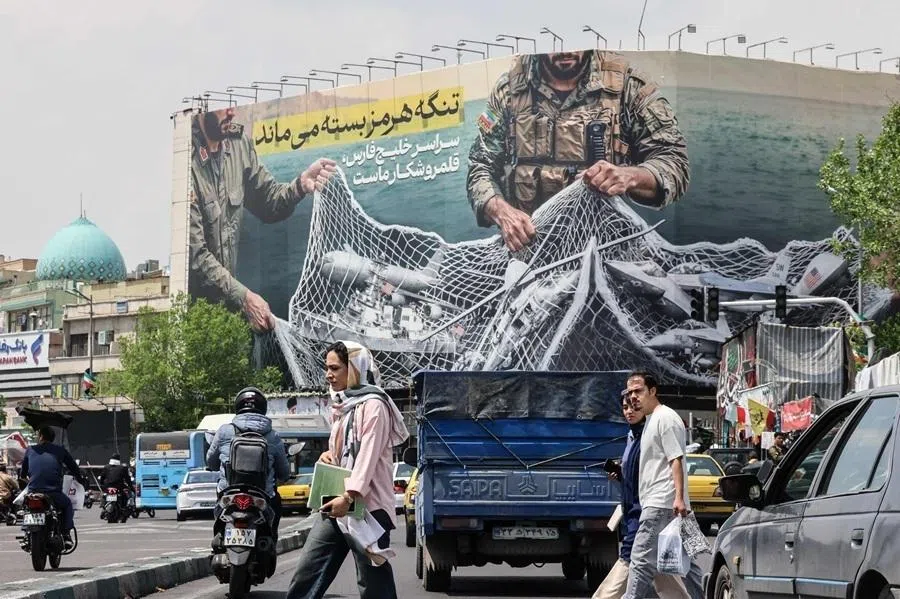
Can the Gulf-South Asia corridor rewire global trade and energy flows?
The Strait of Hormuz crisis has driven alternative routes, strengthening energy supply chains and boosting cooperation across the Middle East, Central Asia and South Asia, while expanding cross-border trade — so the outlook is not entirely bleak despite disruption at Hormuz, says Chinese academic Peng Nian.
Peng Nian
24 Apr 2026
Economy
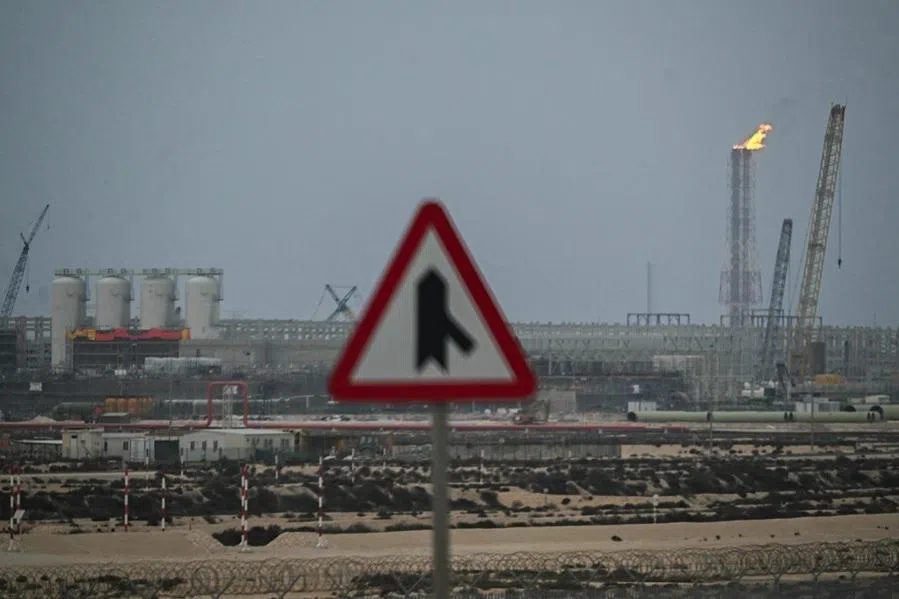
Fear of long war hits China’s Gulf investors hard
China’s Gulf investment outlook is under pressure as expectations of a drawn-out Iran conflict grow, with analysts saying a narrow ceasefire window will determine whether risk appetite recovers or further deteriorates. Lianhe Zaobao associate China news editor Sim Tze Wei reports.
Sim Tze Wei
20 Apr 2026
Politics
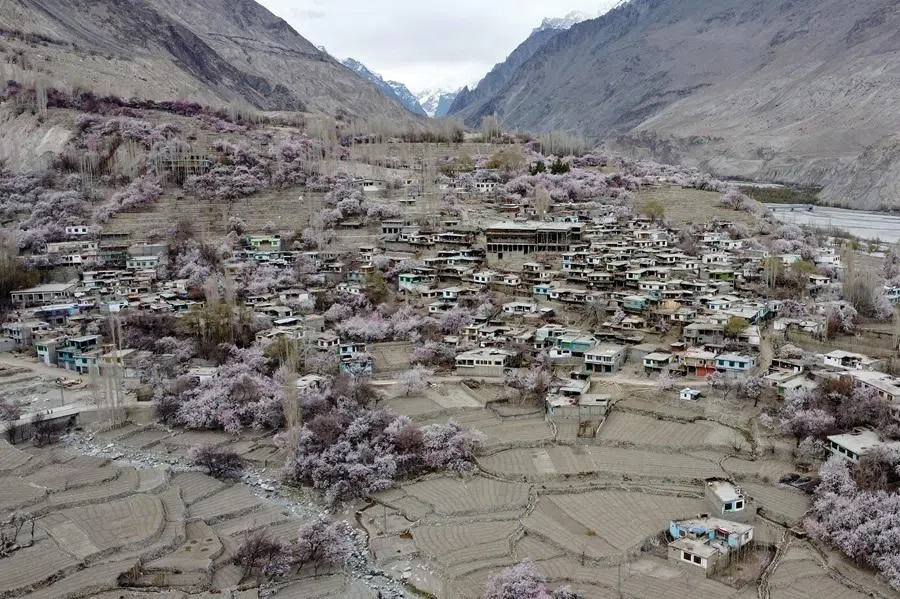
The rise of Pakistan in the emerging diplomacy over Iran
Pakistan, the only Muslim-majority nuclear-armed state, is now a key conduit of the Iran war. Its security ties with Saudi Arabia boost its regional clout, while its links to both the US and China show that in crises, the most important states are not the strongest, but those that other actors can still use.
Hao Nan
02 Apr 2026
Politics
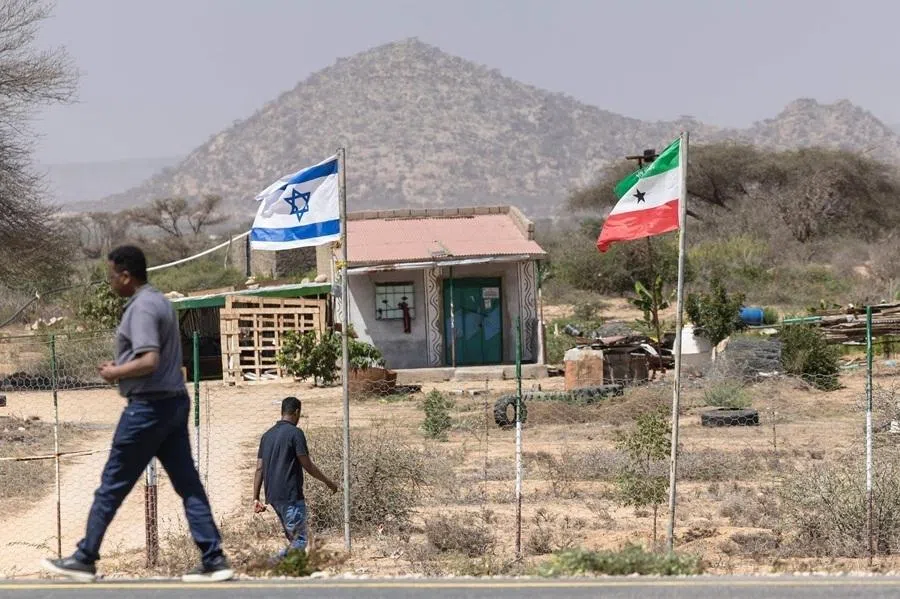
How Israel’s Somaliland gambit helps Taiwan box in China
China worries that Israel’s recognition of Somaliland as an independent state would set a precedent for Taiwan. It is also concerned about the greater transfer of security know-how and regional contacts to Taiwan via the Taiwan-Israel-Somaliland entente. Italian commentator Emanuele Scimia explains.
Emanuele Scimia
02 Mar 2026
Economy
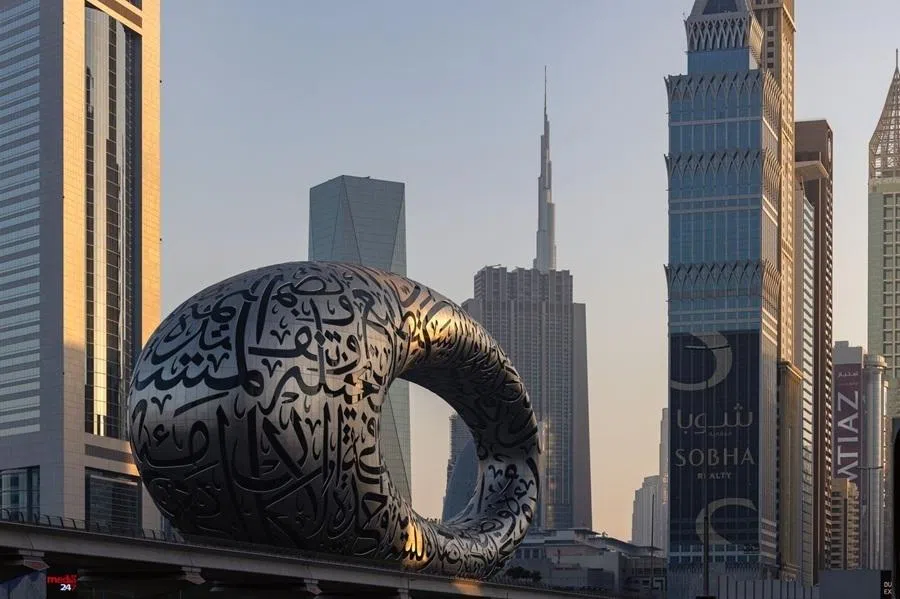
Chinese firms bullish on the Gulf despite geopolitical storms
Chinese firms are expanding in the Gulf despite regional rivalries and tensions. Profitable projects, resilient logistics and growing demand make the Middle East a long-term growth frontier rather than a risk to avoid. Middle East Institute-NUS research fellow Jing Lin shares her insights.
Jing Lin
24 Feb 2026
Politics
China just shifted gears in the Middle East
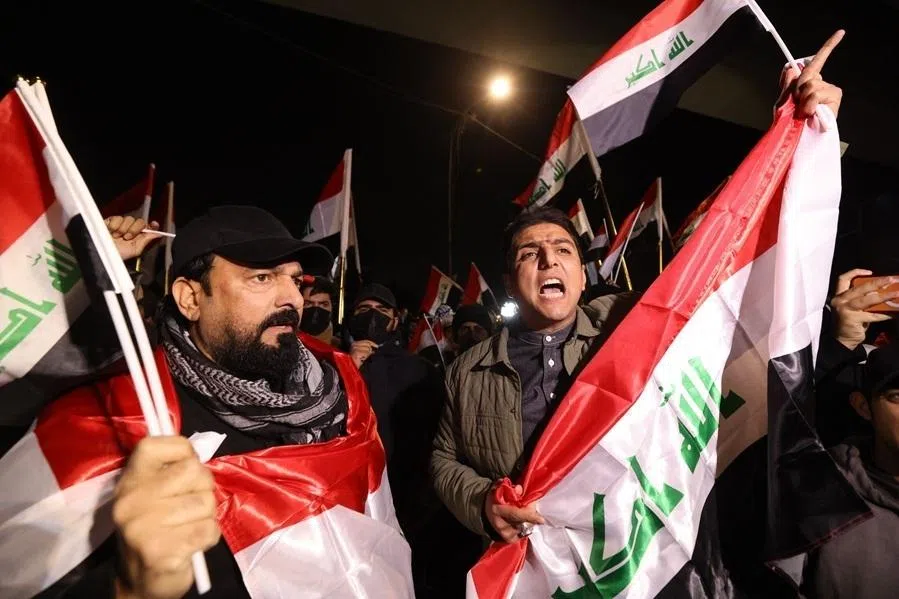
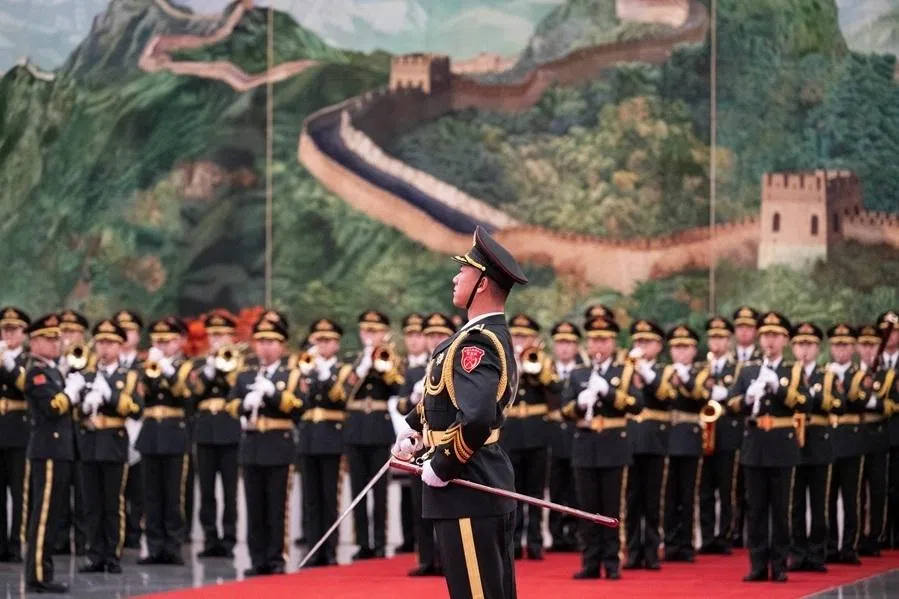
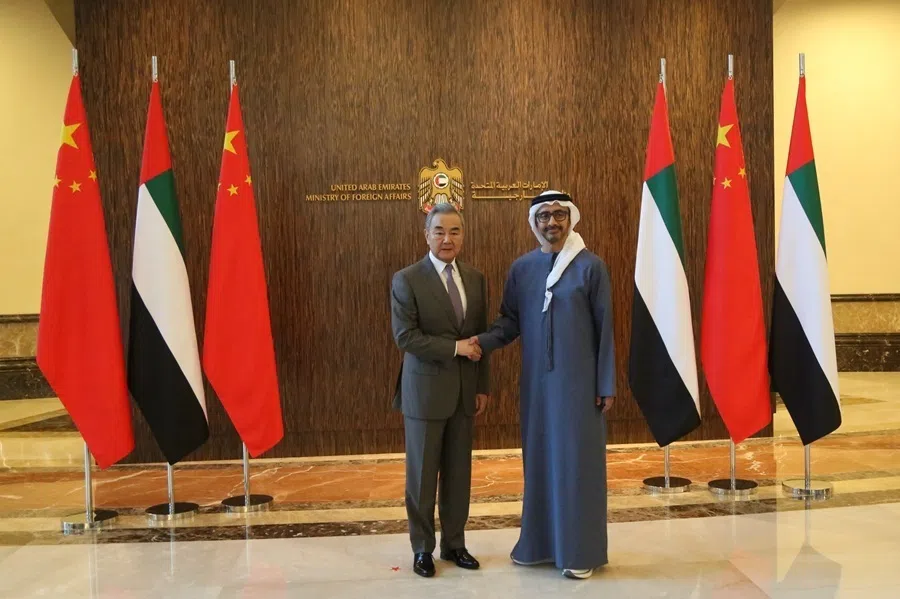
As war, rivalry and realignment grip the Middle East, China is abandoning its patient, low-risk approach. Beijing is accelerating diplomacy, security engagement and economic planning — raising both its influence and its exposure. Academic Alessandro Arduino explores the situation.
Alessandro Arduino
19 Dec 2025